
The question of whether Nevada leans definitively towards being a “Democratic state” is a nuanced one, particularly when considering its diverse demographics, evolving political landscape, and the multifaceted nature of its most prominent industries. While the state has shown a tendency to vote for Democratic presidential candidates in recent elections, a closer examination reveals a complex tapestry of political affiliations and voter behaviors that defy simple categorization. This exploration will delve into the political leanings of Nevada, examining its electoral history, the influence of its major cities and rural areas, and how its thriving tourism and hospitality sectors might shape its political identity.
Nevada‘s political identity is not a static entity; it’s a dynamic interplay of economic forces, demographic shifts, and the unique cultural fabric woven by its residents. To understand if Nevada is truly a Democratic state, we must look beyond simple election results and consider the underlying factors that influence its electorate.
Shifting Sands: Nevada’s Electoral Trajectory
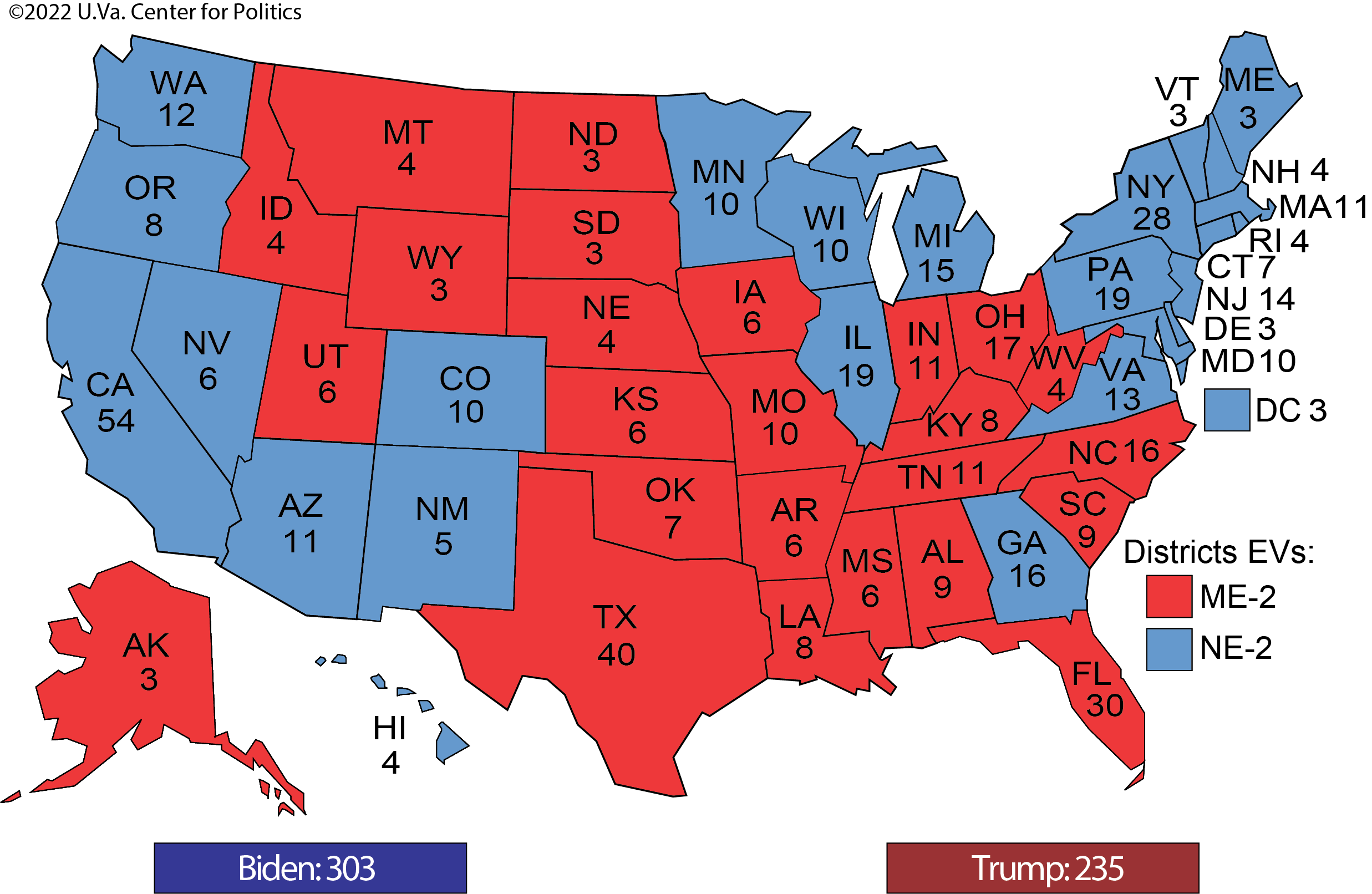
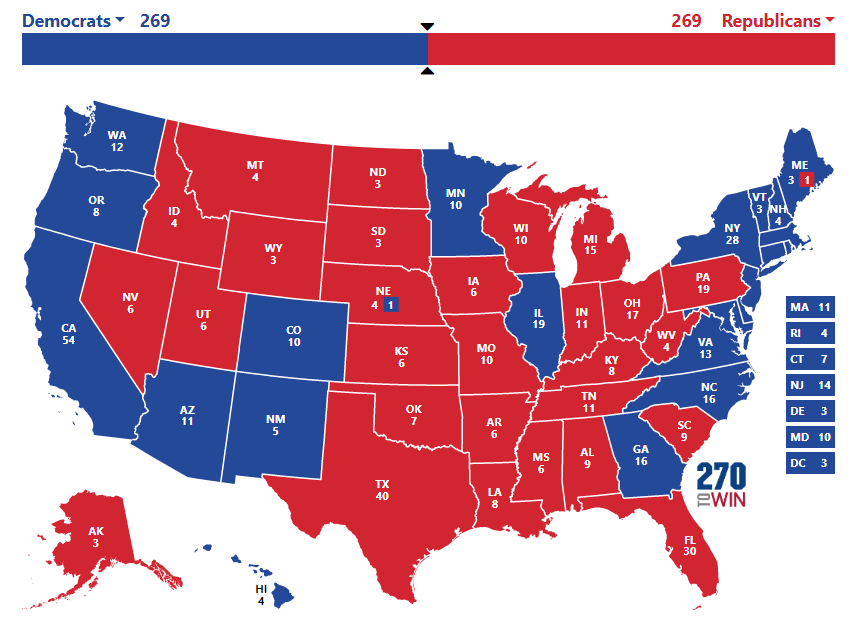
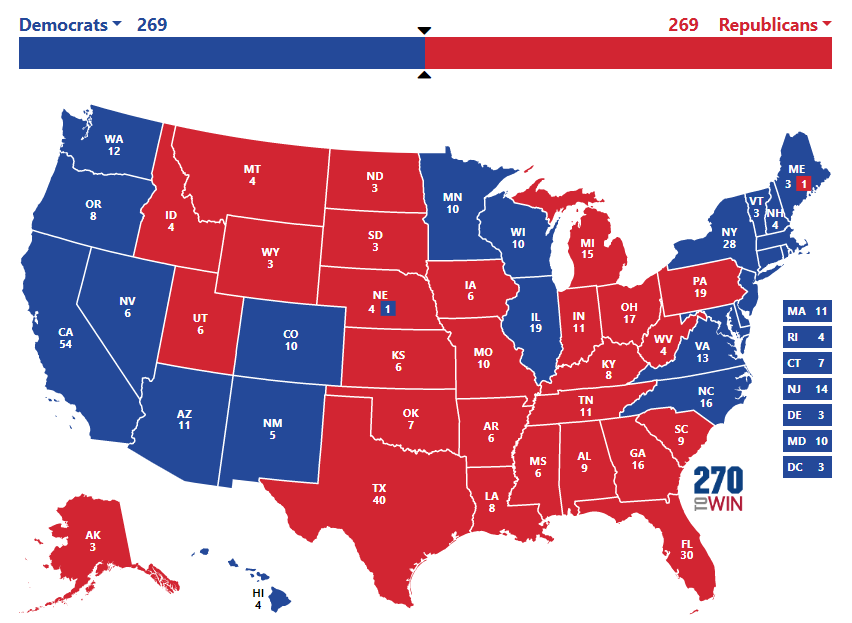
To gauge the political leanings of Nevada, it’s essential to trace its electoral history, particularly in presidential and gubernatorial races. For decades, Nevada was considered a swing state, often flipping between Republican and Democratic candidates. However, in the last two presidential elections, Nevada has voted for Democratic candidates, contributing to the national Democratic victory. This recent trend suggests a potential shift, but it’s crucial to remember that these victories were often by narrow margins, underscoring the state’s continued competitiveness.
The Presidential Picture
In 2008, Nevada played a pivotal role in electing Barack Obama, largely driven by the burgeoning Hispanic population and the strong showing in urban centers like Las Vegas and Reno. This trend continued in 2012, with Obama once again securing the state’s electoral votes. However, the 2016 election saw a much tighter race, with Donald Trump narrowly losing to Hillary Clinton. The 2020 election marked another win for Joe Biden, though the margin was again slender, highlighting the continued divisiveness and the persistent presence of Republican voters. This ebb and flow demonstrates that Nevada remains a battleground, with both parties having a significant presence and the ability to mobilize their base. The growth in voter turnout and the increasing diversity of the electorate are key factors influencing these outcomes.
Beyond the Presidency: State-Level Politics
At the state level, Nevada‘s political landscape is equally complex. While the governorship has seen shifts between parties, there’s a noticeable trend of Democrats holding the office in more recent times. The state legislature also reflects a mixed political reality, with control of both the Senate and the Assembly often changing hands. This indicates that while presidential elections might offer a glimpse into the state’s broader leanings, local and state-level races are influenced by a distinct set of issues and candidate strengths. Factors like the local economy, the effectiveness of incumbent politicians, and the specific platforms of candidates can sway voters in ways that don’t always align with national party trends.
The impact of major urban centers like Las Vegas and Reno cannot be overstated. These metropolitan areas tend to lean Democratic, driven by a more diverse population, a younger demographic, and a workforce heavily concentrated in the service and hospitality industries. Conversely, Nevada‘s vast rural areas often exhibit a stronger Republican sentiment, influenced by different economic realities, cultural values, and a more traditional outlook. Understanding this urban-rural divide is fundamental to comprehending Nevada‘s political dynamics.
The Influence of Tourism and Lifestyle
Nevada‘s identity is inextricably linked to its world-renowned tourism and hospitality industries. From the dazzling lights of the Las Vegas Strip to the natural wonders of Lake Tahoe, the state attracts millions of visitors annually. This economic engine profoundly impacts its political landscape in several ways, influencing job creation, tax revenues, and the very lifestyle that many Nevadans embrace.
The Fabric of Hospitality and Its Political Threads
The massive hospitality sector, encompassing everything from luxury resorts and casinos like the Bellagio and the Caesars Palace to budget-friendly accommodations and apartment rentals, employs a significant portion of the state’s workforce. This workforce is diverse, comprising individuals from various backgrounds and with a wide range of political beliefs. Unions within the hospitality industry, such as the Culinary Workers Union, have historically played a powerful role in state politics, often aligning with the Democratic Party due to its focus on workers’ rights and social programs. This powerful bloc can significantly influence election outcomes, especially in Clark County, home to Las Vegas.
The economic health of the tourism industry also plays a crucial role. When tourism thrives, leading to job growth and increased revenue, it can bolster the incumbent party, regardless of its political affiliation. Conversely, downturns in tourism, such as those experienced during global health crises, can lead to voter dissatisfaction and a desire for change. The types of tourism also matter. Luxury travel and business stays might appeal to a different demographic than budget travel or family trips. The demand for diverse experiences, from exploring historical landmarks like the Hoover Dam to enjoying the vibrant food scene, contributes to a dynamic economy that can be influenced by political decisions regarding taxes, regulations, and infrastructure development.
Lifestyle Choices and Political Preferences
The “lifestyle” aspect of Nevada, as reflected in its tourism and accommodation options, also offers clues to its political leanings. Nevada offers a spectrum of living and travel experiences. For those drawn to the allure of resorts and the high-stakes excitement of casinos, their political views might be shaped by economic policies that affect these industries. For others who seek out the natural beauty and outdoor activities in places like Lake Tahoe or the Valley of Fire State Park, environmental policies and land use regulations could be primary concerns.
The state’s welcoming approach to various forms of entertainment and its relatively business-friendly environment, particularly in areas like gambling, can attract a mix of individuals with differing political ideologies. However, the sheer scale of the service industry and its reliance on a strong consumer base often leads to a political discourse that emphasizes economic opportunity and social services, areas where the Democratic Party typically finds stronger footing. The ease of starting a business, the availability of diverse accommodation options from boutique hotels to expansive villas, and the emphasis on unique experiences all contribute to Nevada‘s unique character and its evolving political identity.
Destinations, Attractions, and Their Echoes
The very destinations and attractions that define Nevada can subtly influence political discourse. Las Vegas, with its iconic resorts and entertainment venues, is a global magnet. Its economy is deeply intertwined with the choices of millions of visitors, and thus, policies that affect travel, entertainment, and the overall business climate are of paramount importance. The development of new attractions, the maintenance of infrastructure like the McCarran International Airport, and the regulation of the gaming industry are all topics that resonate with voters and can align them with parties that promise economic growth and stability.
Similarly, Reno, often called “The Biggest Little City in the World,” has its own distinct economic drivers and political sensibilities. Its proximity to Lake Tahoe also brings a focus on environmental issues and outdoor recreation. The historical aspects of Nevada, evident in its ghost towns and early mining heritage, are often tied to themes of entrepreneurship and resource management, which can appeal to a broader spectrum of political thought. The state’s commitment to preserving its natural beauty and historical landmarks, such as the Red Rock Canyon National Conservation Area, reflects a growing awareness of conservation issues that can cut across party lines but are often championed by Democratic platforms.
In conclusion, while Nevada has demonstrated a recent propensity to vote Democratic in presidential elections, labeling it solely as a “Democratic state” oversimplifies its complex political makeup. The state’s electoral history shows a consistent competitive streak, and its diverse economy, heavily reliant on tourism and hospitality, creates a unique set of political considerations. The urban-rural divide, the influence of organized labor, and the varied lifestyles and interests of its residents all contribute to a nuanced political identity. Nevada remains a fascinating case study in how economic forces, demographic shifts, and the inherent character of a state shape its path on the political spectrum, making it a crucial battleground in American politics.
LifeOutOfTheBox is a participant in the Amazon Services LLC Associates Program, an affiliate advertising program designed to provide a means for sites to earn advertising fees by advertising and linking to Amazon.com. Amazon, the Amazon logo, AmazonSupply, and the AmazonSupply logo are trademarks of Amazon.com, Inc. or its affiliates. As an Amazon Associate we earn affiliate commissions from qualifying purchases.