
Nevada, often synonymous with the dazzling lights of Las Vegas and the stark beauty of its desert landscapes, might not be the first state that springs to mind when considering retirement destinations. However, for those seeking a unique blend of affordability, sunshine, and an array of activities, the Silver State presents a compelling case. Beyond the well-trodden paths of casinos and entertainment, Nevada offers a surprisingly diverse retirement experience, catering to various interests and lifestyles. This exploration delves into the factors that make Nevada a potentially excellent choice for retirees, examining its economic advantages, lifestyle offerings, and the sheer variety of experiences it provides.
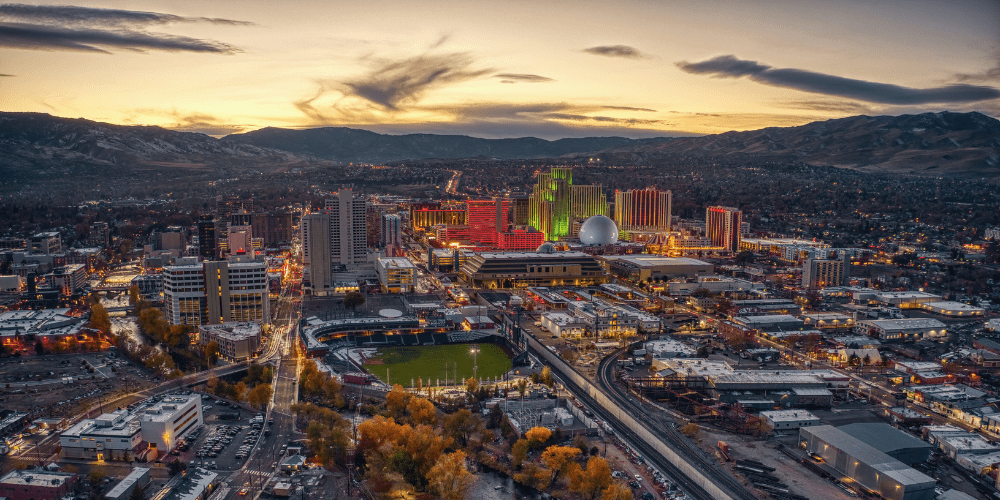
The Economic Appeal of Retiring in Nevada
One of the most significant draws for retirees considering Nevada is its favorable economic climate. The state’s lack of a state income tax is a primary benefit, allowing retirees to retain more of their hard-earned savings and pensions. This financial advantage can significantly extend the longevity of retirement funds, providing greater peace of mind and flexibility.
Tax Advantages
Beyond the absence of state income tax, Nevada also does not levy taxes on retirement income, such as Social Security benefits, pension payments, or distributions from retirement accounts like 401(k)s and IRAs. This tax structure can translate into substantial savings for individuals transitioning from active employment to retirement. Property taxes in Nevada are also generally lower compared to many other states, further contributing to the affordability of living there. While sales tax is present, its impact can be mitigated through careful budgeting and by leveraging the various tax-friendly aspects of the state.
Cost of Living
While major metropolitan areas like Las Vegas and Reno can have a higher cost of living, especially concerning housing, many smaller towns and suburban areas across Nevada offer more budget-friendly options. Retirees can find a range of housing choices, from apartments and condominiums to single-family homes, at prices that are often more accessible than in coastal states or popular retirement hubs. The overall cost of goods and services, while subject to regional variations, can be competitive, particularly when considering the tax benefits.
Job Opportunities and Entrepreneurship
For retirees who wish to continue working part-time or embark on new entrepreneurial ventures, Nevada offers a growing economy. Sectors like tourism, technology, logistics, and healthcare are expanding, presenting opportunities for individuals looking to stay engaged and supplement their retirement income. The entrepreneurial spirit is alive and well in Nevada, making it an attractive location for those with innovative ideas and a desire to stay active.
Lifestyle and Recreational Opportunities
Nevada’s appeal extends far beyond its economic advantages. The state boasts a diverse range of landscapes and activities that can cater to retirees seeking both relaxation and adventure. From the vibrant urban centers to the serene natural wonders, there is something to suit nearly every preference.
Outdoor Adventures
The natural beauty of Nevada is often underestimated. The Sierra Nevada mountains offer stunning opportunities for hiking, skiing, and enjoying scenic drives, especially around Lake Tahoe. The vast desert landscapes provide a unique environment for activities such as off-roading, rock climbing, and stargazing in designated dark sky areas. State parks like Valley of Fire State Park and Great Basin National Park offer breathtaking vistas and opportunities for exploration. For those who enjoy water activities, Lake Mead and Lake Mojave provide ample space for boating, fishing, and swimming.
Cultural and Entertainment Hubs
Las Vegas is renowned globally for its entertainment. Retirees can enjoy world-class shows, concerts, fine dining, and a plethora of casinos. Beyond the Strip, the city offers a growing number of cultural institutions, including museums, art galleries, and theaters. Reno, often called “The Biggest Little City in the World,” also provides a vibrant arts scene, a burgeoning culinary landscape, and a variety of festivals and events throughout the year. Even smaller towns often have active community centers, local theaters, and historical societies that foster a sense of connection and engagement.
Diverse Communities
Nevada is home to a diverse population, and its communities are increasingly catering to the needs and desires of retirees. This diversity is reflected in the variety of neighborhoods, from active adult communities with specialized amenities to more traditional residential areas. The state’s growing population means a continuous development of services, healthcare facilities, and social organizations that support an active and fulfilling retirement.
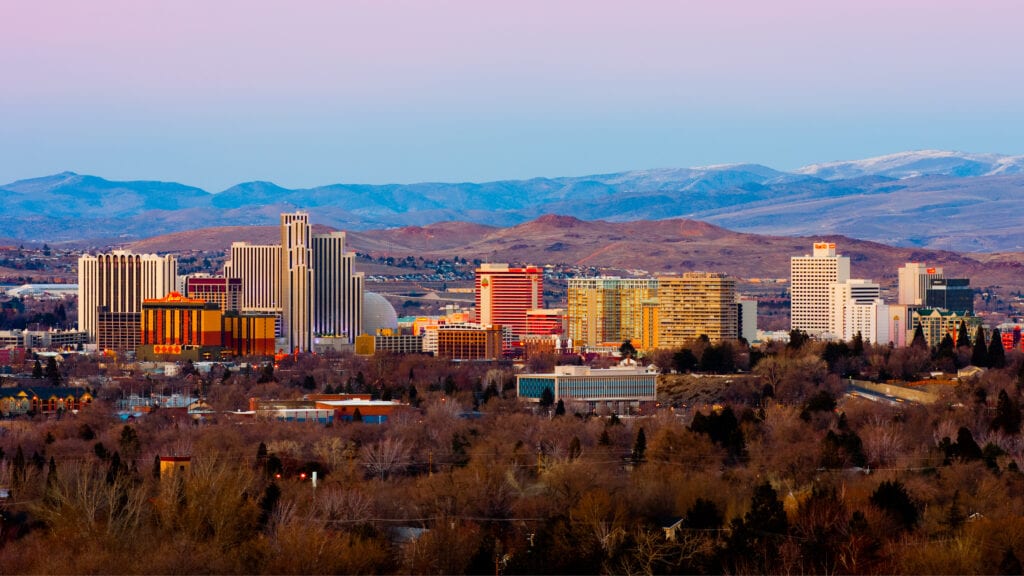
Infrastructure and Services for Retirees
A critical consideration for any retirement destination is the availability and quality of infrastructure and services. Nevada has made significant strides in developing its healthcare systems, transportation networks, and community resources to support its growing population, including its senior residents.
Healthcare Facilities
Nevada has a range of healthcare providers, including major hospital systems in its larger cities like Las Vegas and Reno. These facilities offer specialized care, including geriatric services, and are supported by a network of clinics, medical practices, and rehabilitation centers. Many communities are also developing programs specifically designed for seniors, such as in-home care services and wellness initiatives. The accessibility of healthcare is a crucial factor for retirees, and Nevada’s expanding medical infrastructure aims to meet these needs.
Transportation and Accessibility
While a car is often necessary for navigating the vastness of Nevada, particularly outside of its urban cores, the state’s major cities offer public transportation options. Las Vegas has a bus system, and ride-sharing services are readily available. For retirees who prefer not to drive, many retirement communities offer shuttle services for local errands and appointments. The state’s airports, including McCarran International Airport in Las Vegas and Reno-Tahoe International Airport, provide convenient access for travel to visit family or for personal trips.
Community and Social Engagement
Nevada’s retiree population is actively engaged in building strong communities. Numerous senior centers, volunteer organizations, and hobby groups provide opportunities for social interaction and personal enrichment. Whether it’s joining a book club, participating in a gardening group, attending educational lectures, or volunteering for a local cause, retirees in Nevada can find ways to stay connected and contribute to their communities. The warmth and hospitality of Nevadans, combined with the state’s growing retirement infrastructure, foster an environment where seniors can thrive.
Potential Considerations for Nevada Retirement
While Nevada offers numerous advantages, it is essential for prospective retirees to consider potential challenges. Understanding these aspects can help in making a well-informed decision.
Climate and Environment
Nevada’s climate is characterized by hot, dry summers and mild winters, especially in the southern regions. While many enjoy the abundant sunshine, the extreme heat during summer months can be a deterrent for some. Dust storms can also occur, particularly in more rural or developing areas. Retirees accustomed to more temperate climates may need to adjust to these conditions, and ensuring adequate cooling and hydration during warmer months is crucial. The arid environment also means water conservation is a significant local concern.
Urban Sprawl and Traffic
The rapid growth of cities like Las Vegas has led to urban sprawl and increasing traffic congestion, particularly during peak hours. Commuting within these metropolitan areas can be time-consuming. Retirees seeking a slower pace of life might prefer to settle in smaller towns or master-planned communities that are designed with accessibility and convenience in mind.
Dependence on Tourism
The Nevada economy, especially in cities like Las Vegas and Reno, is heavily reliant on the tourism and gaming industries. While this brings economic vitality, it also means that economic fluctuations in these sectors can have a broader impact on the state. However, the diversification of Nevada’s economy into technology and other industries is helping to mitigate this dependence.

Conclusion: A Silver State of Opportunity
Nevada presents a compelling and often overlooked option for those contemplating retirement. Its substantial tax advantages, particularly the absence of state income tax, coupled with a generally lower cost of living outside of its prime urban centers, offer significant financial benefits. Beyond the economic incentives, the state provides a diverse lifestyle, from the unparalleled entertainment and dining of Las Vegas to the natural splendor of its national parks and mountain ranges. The expanding infrastructure, including healthcare services and transportation, further enhances its appeal. While considerations such as climate and urban growth are valid, the opportunities for an active, engaging, and financially sound retirement in the Silver State are undeniable. For retirees seeking sunshine, a dynamic environment, and the freedom to enjoy their golden years with greater financial ease, Nevada warrants serious consideration.
LifeOutOfTheBox is a participant in the Amazon Services LLC Associates Program, an affiliate advertising program designed to provide a means for sites to earn advertising fees by advertising and linking to Amazon.com. Amazon, the Amazon logo, AmazonSupply, and the AmazonSupply logo are trademarks of Amazon.com, Inc. or its affiliates. As an Amazon Associate we earn affiliate commissions from qualifying purchases.