
The question of whether Nevada is a definitively “Republican state” is more complex than a simple yes or no. While the state has a significant Republican base and has historically leaned Republican in federal elections, its political landscape is nuanced, characterized by a strong independent streak and a growing Democratic presence. Understanding Nevada’s political identity requires examining its demographics, voting patterns, key economic drivers, and the evolving social fabric of its diverse communities.
Shifting Demographics and Voting Blocs
Nevada has experienced rapid population growth and diversification over the past few decades, which has significantly impacted its political leanings. The influx of new residents from other states, coupled with a growing minority population, has introduced new perspectives and voting priorities.
The Urban-Rural Divide
A significant aspect of Nevada’s political geography is the pronounced urban-rural divide. The state’s population is heavily concentrated in two metropolitan areas: the Las Vegas metropolitan area in Clark County, which is the most populous county, and the Reno-Sparks metropolitan area in Washoe County. These urban centers tend to lean Democratic, driven by a more diverse electorate, a larger proportion of service industry workers, and a younger demographic.
Conversely, the more rural and less populated counties in the northern and eastern parts of the state, such as those encompassing areas around Elko and Carson City, often exhibit stronger Republican leanings. These areas are characterized by a more traditional demographic, often involved in industries like mining, agriculture, and ranching, and tend to hold more conservative social and economic views. This divergence means that a statewide election outcome often hinges on turnout and performance within these two distinct blocs.
The Growing Independent Vote
Beyond the traditional Democratic and Republican affiliations, Nevada is notable for its substantial and often decisive independent voter bloc. A significant portion of the electorate does not align strictly with either major party, making them swing voters who can significantly influence election results. This independent streak is a recurring theme in Nevada’s political history and reflects a general skepticism towards party dogma and a desire for pragmatic solutions.
Economic Drivers and Political Influence
Nevada’s economy is dominated by a few key sectors, each with its own unique influence on the state’s political discourse and voting patterns.
The Gaming and Hospitality Industry
The world-renowned gaming and hospitality industry, primarily centered in Las Vegas and Reno, is a colossal economic engine for Nevada. This sector is a major employer and taxpayer, and its interests often shape policy debates. While the industry itself is largely apolitical, its workforce and leadership are diverse. The powerful Culinary Workers Union, representing many service workers in Las Vegas, has historically been a significant force in Democratic politics. However, the business owners and investors in this sector may hold more varied political views, with some aligning with Republican principles of lower taxes and less regulation.

The Emerging Tech Sector
In recent years, Nevada has also seen a burgeoning technology sector, particularly in the Reno and Las Vegas areas. Companies like Tesla with its Gigafactory near Reno, and a growing number of tech startups, are bringing new jobs and a different demographic to the state. This sector often attracts a younger, more educated workforce, which can lean more Democratic, though some elements may favor policies conducive to business growth that align with Republican platforms.
Resource Extraction and Agriculture
In the more rural parts of the state, industries like mining and agriculture remain important. These sectors often have strong ties to Republican candidates and policies, advocating for resource development, land use rights, and agricultural subsidies. The presence of these traditional industries contributes to the conservative leanings of many of Nevada’s less populated areas.
Historical Voting Trends and Current Political Climate
Examining Nevada’s recent voting history provides critical context for its current political standing.
Presidential Elections
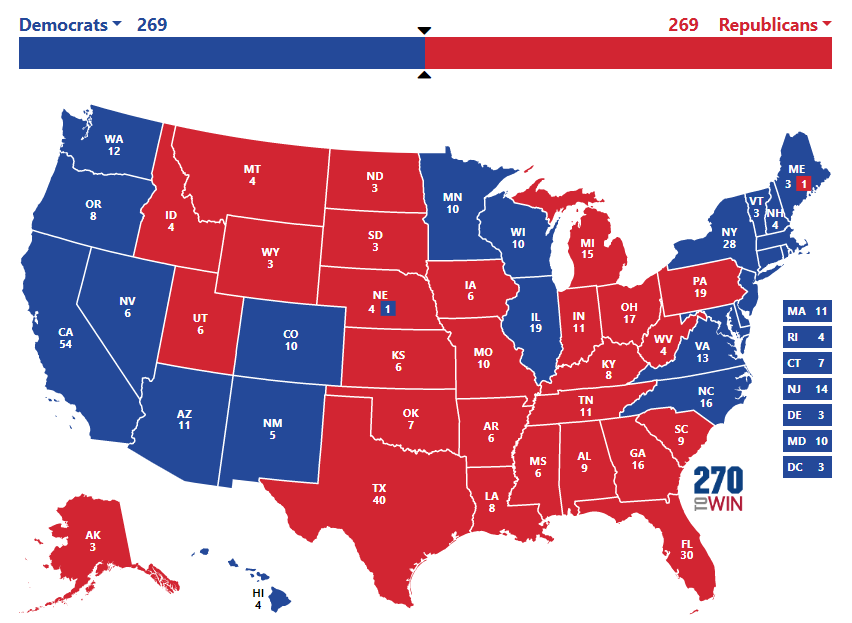
Nevada has been a swing state in recent presidential elections. While it voted for Donald Trump in 2016, it swung back to Joe Biden in 2020, albeit by a narrow margin. This flip-flopping indicates a voter base that is not rigidly aligned and is responsive to candidates, campaign messages, and the prevailing national mood. The state has also been a battleground for Senate and House races, often decided by slender margins.
State-Level Politics
At the state level, Nevada has experienced periods of both Republican and Democratic control of its governorship and legislature. The current political leadership, including the governorship, has often been held by Democrats in recent decades, reflecting the growing influence of urban areas and a more diverse electorate. However, Republican representation remains strong in many legislative districts, particularly in rural areas, and the party consistently fields competitive candidates for statewide offices.
Key Political Issues
The political discourse in Nevada is often shaped by issues such as water rights, education funding, economic diversification, and the role of government regulation. Republicans tend to advocate for lower taxes, less government intervention, and individual liberties, while Democrats often prioritize social programs, environmental protections, and workers’ rights. The independent voter bloc, however, may weigh these issues differently, often focusing on pragmatic economic outcomes and good governance.

Conclusion: A State in Flux
In conclusion, classifying Nevada as simply a “Republican state” is an oversimplification. While the Republican Party has a significant presence and has enjoyed successes, particularly in its more rural regions and in certain federal elections, the state’s political identity is far more fluid. The dynamic interplay of shifting demographics, the concentration of the population in urban centers that lean Democratic, the substantial independent voter bloc, and the influence of diverse economic sectors create a political environment that is constantly evolving. Nevada remains a crucial swing state, a testament to its complex and dynamic electorate, where neither party can afford to take its voters for granted. The future political trajectory of Nevada will likely be shaped by its continued growth, diversification, and the ongoing efforts of both parties to connect with its multifaceted population.
LifeOutOfTheBox is a participant in the Amazon Services LLC Associates Program, an affiliate advertising program designed to provide a means for sites to earn advertising fees by advertising and linking to Amazon.com. Amazon, the Amazon logo, AmazonSupply, and the AmazonSupply logo are trademarks of Amazon.com, Inc. or its affiliates. As an Amazon Associate we earn affiliate commissions from qualifying purchases.