
When planning a trip to the Silver State, whether for the vibrant nightlife of Las Vegas, the stunning natural beauty of Lake Tahoe, or the historical charm of Reno, understanding local laws is paramount for a safe and enjoyable experience. One such legal concept that often sparks curiosity, particularly concerning personal safety, is the “Stand Your Ground” law. This article delves into whether Nevada embraces this doctrine, what it means for visitors and residents alike, and how it fits within the broader context of Nevada’s legal landscape.
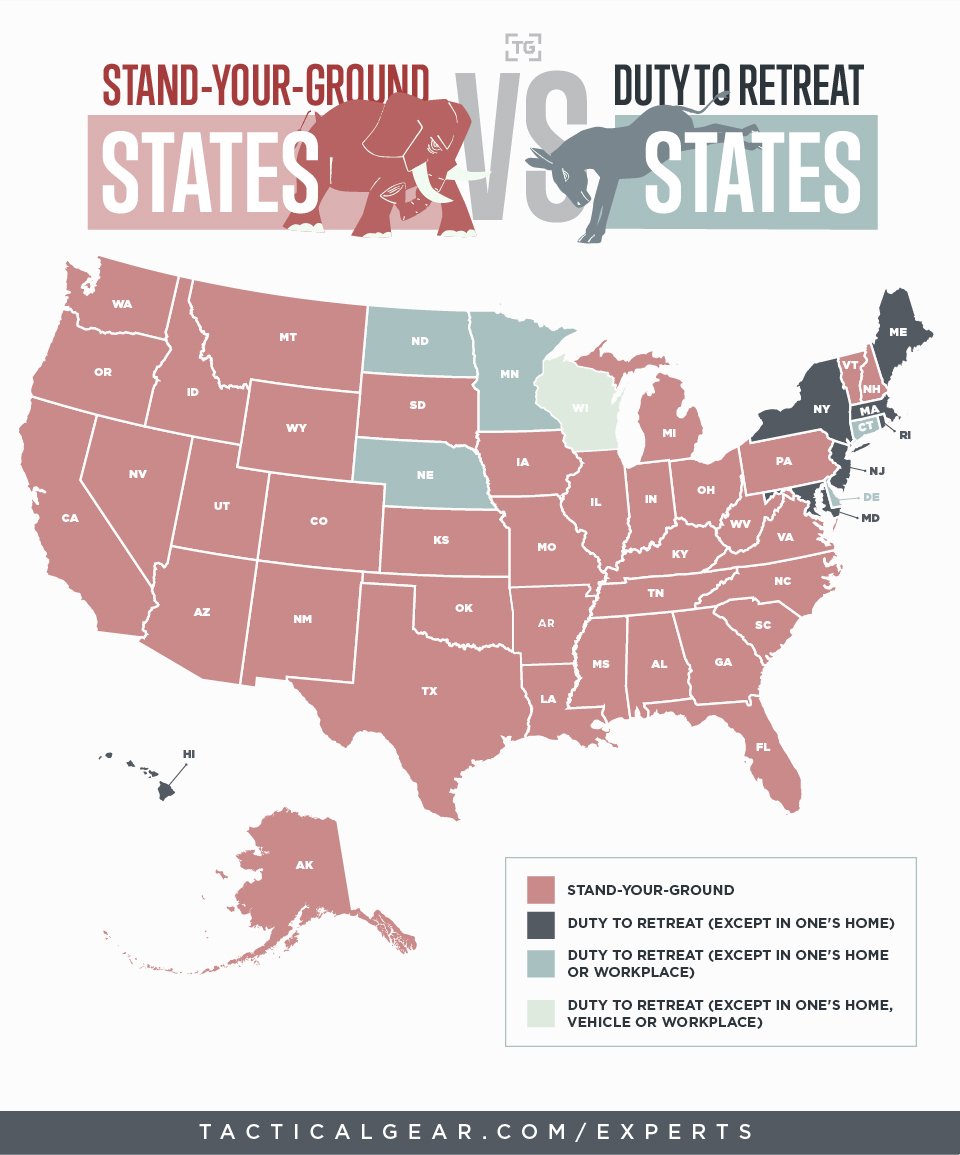
The question of whether Nevada is a “Stand Your Ground” state is a nuanced one, and understanding the answer requires a closer look at Nevada’s self-defense statutes. At its core, the “Stand Your Ground” principle generally posits that an individual has no duty to retreat when faced with a lawful threat of violence, even if retreat is possible. Instead, they are permitted to use force, including deadly force if reasonably necessary, to defend themselves. This contrasts with “duty to retreat” laws, which require individuals to attempt to escape a dangerous situation before resorting to force.
Nevada’s Approach to Self-Defense
Nevada’s legal framework regarding self-defense, particularly concerning the use of force, aligns significantly with the principles of “Stand Your Ground” laws. While the term “Stand Your Ground” itself might not be explicitly etched into Nevada’s statutes in the same way it is in some other states, the effect is largely the same. Nevada Revised Statutes (NRS) 200.120 through 200.190 outline the rights and limitations concerning self-defense and the defense of others.
Crucially, NRS 200.120 defines justifiable homicide, which includes situations where a person is resisting an attempt to commit a felony, to do violence to their person, or to commit any other injury to their person or their family. This statute, in conjunction with others, establishes a strong presumption that a person is justified in using force when they reasonably believe they are in imminent danger.
The Presumption of Reasonable Fear
A key element in Nevada’s self-defense law, and one that strongly supports the “Stand Your Ground” interpretation, is the presumption of reasonable fear under certain circumstances. NRS 200.195 creates a legal presumption that a person who is lawfully present in a dwelling, place of business, or a motor vehicle reasonably believes that deadly force is necessary to protect themselves against death or great bodily harm. This presumption shifts the burden of proof to the prosecution to demonstrate that the person did not have a reasonable fear. This is a significant protection, as it means an individual is not required to flee their home or business when threatened.
While NRS 200.195 specifically addresses dwellings, businesses, and vehicles, the general principles of self-defense in Nevada do not impose a strict duty to retreat when faced with unlawful force in any location where a person has a legal right to be. This means that if you are lawfully in a public park in Las Vegas, on the trails around Red Rock Canyon, or enjoying a resort in Lake Tahoe, and you are unlawfully attacked, you are generally not required to attempt to escape before using necessary force to defend yourself. The focus is on the reasonableness of the fear and the necessity of the force used.
This interpretation is further supported by case law within Nevada, which has consistently affirmed the right of individuals to defend themselves without a duty to retreat when facing imminent danger. The emphasis is on the right to self-preservation and the reasonable belief of harm. Therefore, for practical purposes, Nevada functions as a “Stand Your Ground” state.
Understanding the Nuances and Limitations

While Nevada’s legal stance provides broad protection for self-defense, it is crucial to understand that these rights are not absolute and come with important limitations. The concept of “reasonable belief” is central to any self-defense claim. This means that the force used must be proportionate to the perceived threat. Using excessive force for the situation can lead to criminal charges.
Legal Presence and Lawful Force
One of the most fundamental aspects of self-defense in Nevada, as in most jurisdictions, is the requirement of lawful presence. You must be in a place where you have a legal right to be. Trespassing, for instance, would negate the right to claim self-defense if force is used against the property owner or their agents. This applies whether you are a tourist exploring the art and entertainment districts of Las Vegas, a traveler staying at a luxury resort like the Bellagio, or a resident enjoying the natural landscapes.
Furthermore, the force used must be necessary and proportionate. If you are threatened with a verbal altercation, resorting to deadly force would likely not be considered reasonable. However, if faced with a genuine threat of death or serious bodily harm, the use of deadly force may be justified. This evaluation is often made by law enforcement and, ultimately, by the courts, considering all the circumstances of the incident.
Prohibited Uses of Force
Nevada law does not permit the use of force to defend mere property. While you have the right to defend yourself and your loved ones, you cannot use deadly force to protect personal belongings or real estate, unless the threat to property is accompanied by a threat of violence to a person. This is a critical distinction for travelers, especially when considering the security of their accommodation, whether it’s a suite at a major Las Vegas hotel or a private villa booked through a vacation rental platform.
It’s also important to note that the “Stand Your Ground” principle does not grant a license to engage in aggressive behavior or to provoke a confrontation. The defense is available when you are lawfully present and are faced with an unlawful threat. Initiating an altercation, even if you later feel threatened, can undermine your claim of self-defense.

Practical Implications for Travelers and Residents
For anyone visiting or residing in Nevada, understanding these self-defense laws can provide peace of mind and crucial guidance in potentially dangerous situations. Whether you are enjoying the world-class entertainment and dining in Las Vegas, exploring the historic mining towns like Virginia City, or experiencing the natural wonders of the Great Basin National Park, your personal safety is a priority.
If you find yourself in a situation where you fear for your life or safety, and you are lawfully present, Nevada law generally permits you to use the force you reasonably believe necessary to protect yourself. This includes the right to stand your ground and not retreat. However, it is always advisable to avoid confrontation whenever possible and to contact law enforcement if you feel threatened or witness a crime.
For those considering long-term stays or making Nevada their home, familiarity with these laws is even more critical. It’s also wise to stay informed about any potential changes or updates to Nevada’s self-defense statutes, as legal landscapes can evolve. Local law enforcement agencies and legal professionals are the best resources for the most up-to-date and specific information.
In conclusion, Nevada operates under legal principles that are functionally equivalent to “Stand Your Ground” laws. Individuals who are lawfully present and reasonably believe they are in imminent danger of death or great bodily harm are generally not required to retreat and may use force, including deadly force, to defend themselves. While this provides a strong framework for personal protection, it is essential to act responsibly, proportionately, and within the bounds of the law to ensure that any actions taken are legally justifiable. This understanding is vital for everyone, from those on a quick business trip to Reno to families enjoying a vacation exploring the unique attractions of the state.
LifeOutOfTheBox is a participant in the Amazon Services LLC Associates Program, an affiliate advertising program designed to provide a means for sites to earn advertising fees by advertising and linking to Amazon.com. Amazon, the Amazon logo, AmazonSupply, and the AmazonSupply logo are trademarks of Amazon.com, Inc. or its affiliates. As an Amazon Associate we earn affiliate commissions from qualifying purchases.