
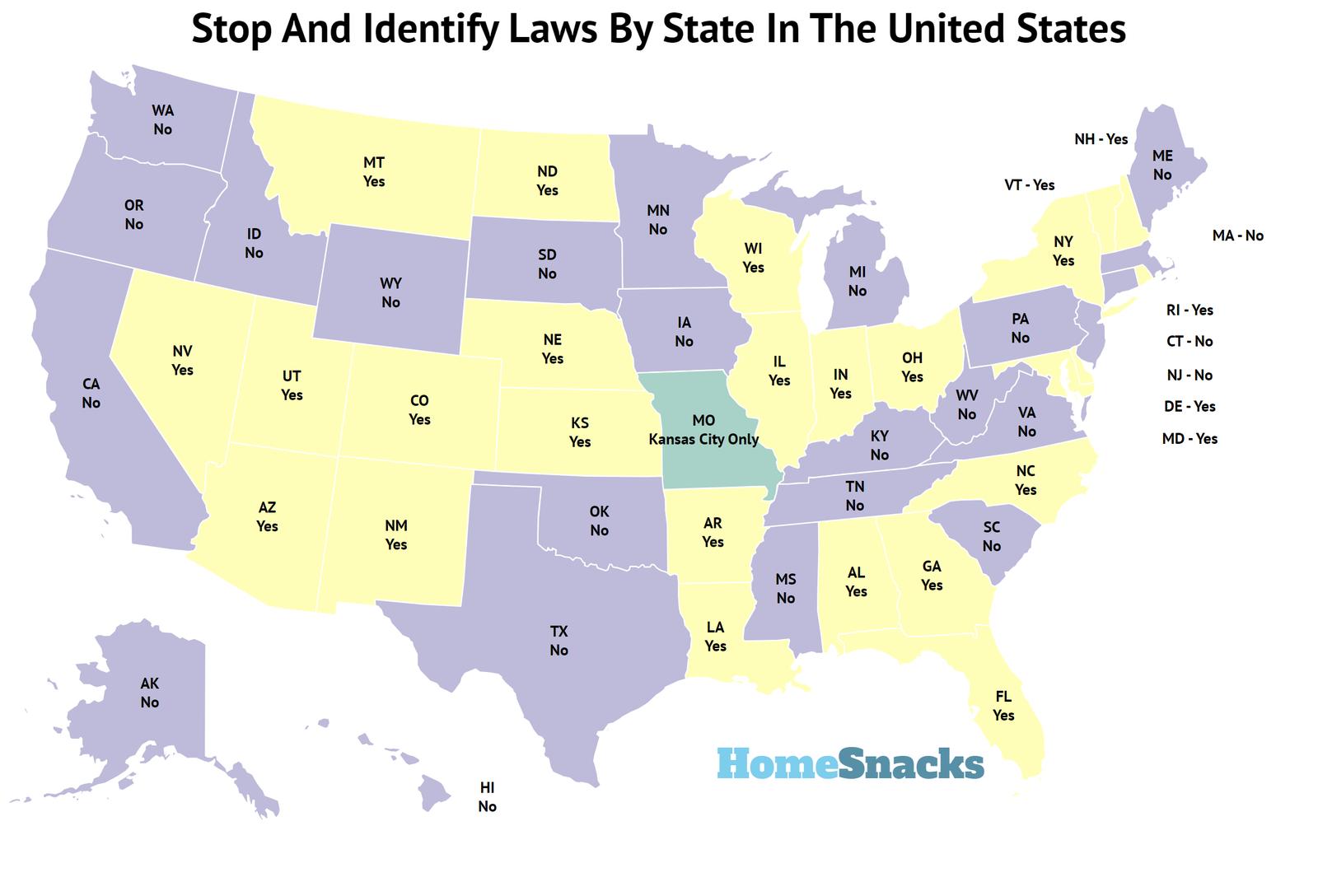
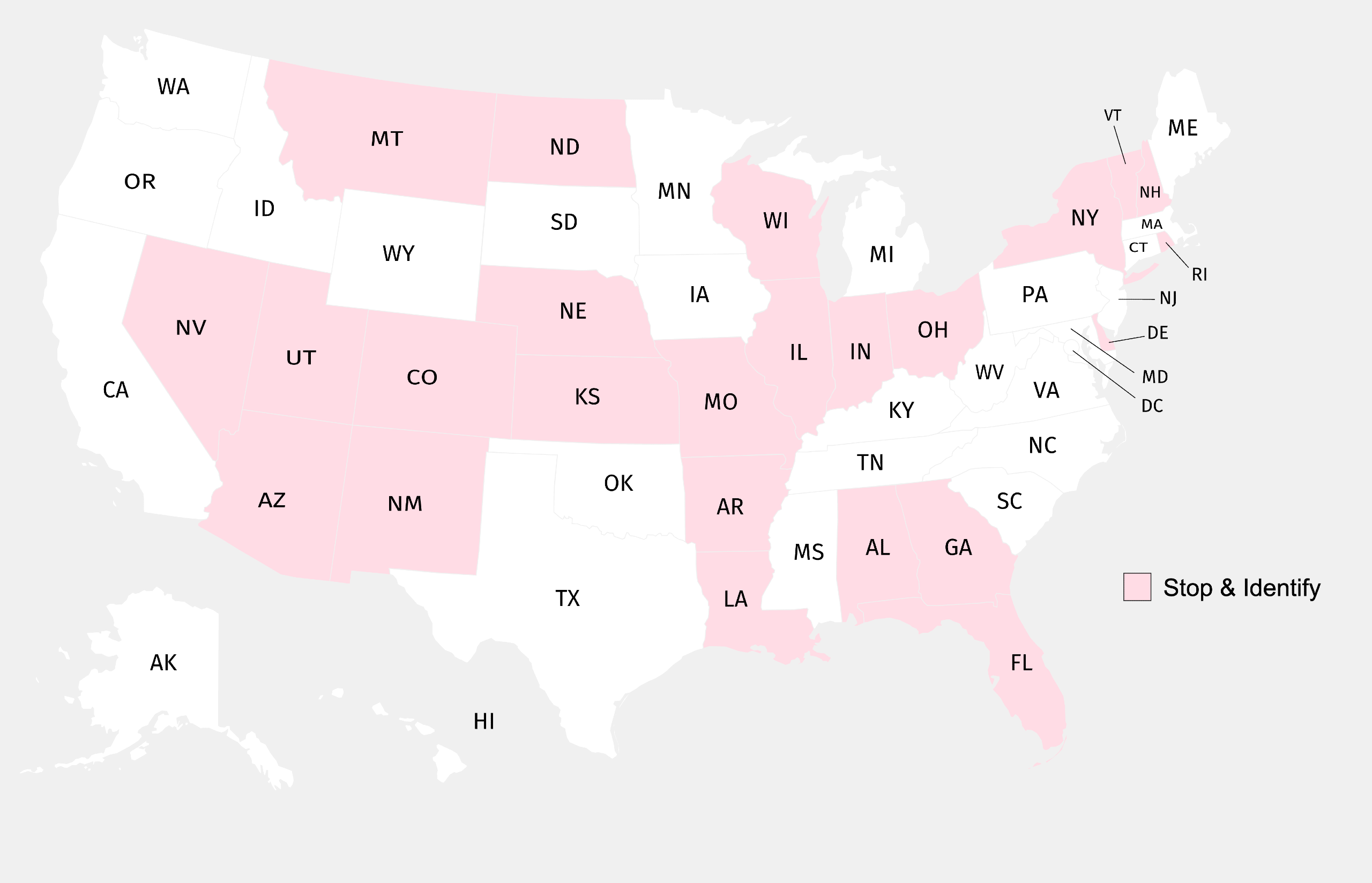
The question of whether a state is a “stop and ID” state often arises for travelers, particularly those concerned with their rights and interactions with law enforcement during their journeys. This query is especially relevant when exploring destinations like Nevada, a state renowned for its vibrant entertainment, breathtaking natural landscapes, and unique lifestyle experiences. Understanding the legal framework surrounding interactions with law enforcement is crucial for any visitor to ensure a smooth and enjoyable trip.
In essence, a “stop and ID” state, in the context of traffic stops or other lawful encounters with police, refers to jurisdictions where an individual is legally obligated to provide identification and potentially information about their activities when lawfully stopped by an officer. This differs from states where such an obligation might be less stringent or absent altogether, allowing individuals to refuse identification unless under specific circumstances like an arrest. For Nevada, the answer to whether it’s a “stop and ID” state requires a closer examination of its statutes and how they apply to various scenarios travelers might encounter.

Understanding Lawful Stops and Identification in Nevada
To definitively answer whether Nevada is a “stop and ID” state, we must delve into the legal principles governing interactions between individuals and law enforcement. The key lies in understanding what constitutes a “lawful stop” and the corresponding obligations of individuals.
What Constitutes a Lawful Stop?
In Nevada, as in most jurisdictions, law enforcement officers can initiate a stop under specific conditions. These conditions are generally rooted in reasonable suspicion or probable cause.
Reasonable Suspicion and Investigative Stops
Nevada Revised Statutes (NRS) § 171.123 empowers a peace officer to stop any person abroad whom the officer has reason to suspect of having committed, is committing, or is about to commit a crime, and to detain the person for a reasonable period to ascertain the person’s identity and the circumstances surrounding the person’s presence. This is the cornerstone of the “stop and ID” concept in the state.
- Reasonable Suspicion Defined: Reasonable suspicion is more than a mere hunch. It requires specific and articulable facts, which, taken together with rational inferences from those facts, reasonably warrant the intrusion. This could include observing erratic driving, matching a suspect’s description, or being present in a location and at a time associated with criminal activity.
- Investigative Detention: During such an investigative stop, an officer can detain a person to confirm or dispel their suspicions. This detention must be brief and related to the initial reason for the stop. The officer can ask for identification and other relevant information to clarify the situation.
Probable Cause and Arrests
If an officer develops probable cause to believe a person has committed a crime, they can make an arrest. Probable cause is a higher standard than reasonable suspicion, meaning there is a fair probability that the person has committed a crime. In such cases, the individual is obligated to comply with the officer’s commands, which would certainly include providing identification.
Your Obligation to Identify Yourself
Given the framework of lawful stops in Nevada, the state generally operates under principles that require individuals to identify themselves during a lawful stop.
- During an Investigative Stop (NRS § 171.123): As mentioned, if a peace officer has reasonable suspicion that a person has committed, is committing, or is about to commit a crime, they have the authority to stop and detain that person. During this detention, the officer can request identification. While NRS § 171.123 doesn’t explicitly use the phrase “stop and ID,” its intent is to allow officers to ascertain identity and circumstances. Refusal to identify oneself under these circumstances could potentially lead to further escalation or charges, such as obstruction.
- During an Arrest: Once an arrest is made, providing identification becomes an unequivocal requirement. This is standard procedure in law enforcement across the United States.
Therefore, in the context of legal interactions with law enforcement based on reasonable suspicion or probable cause, Nevada can be considered a state where an individual has an obligation to provide identification if lawfully stopped. This applies whether you are driving your rental car through Las Vegas, exploring the natural beauty of Lake Tahoe, or enjoying the historical charm of Reno.
Practical Considerations for Travelers in Nevada
For visitors to Nevada, understanding these legal nuances is vital for a stress-free experience. Whether you’re staying at a luxurious resort on the Las Vegas Strip or venturing into the more remote landscapes, being aware of your rights and responsibilities is key.
When Are You Likely to Be Stopped?
Travelers might encounter law enforcement for various reasons, most commonly related to traffic violations.
- Traffic Stops: The most frequent reason for a lawful stop for travelers is a violation of traffic laws. This can range from speeding on the open highways connecting cities like Reno and Las Vegas, to equipment violations like a broken taillight, or more serious offenses like impaired driving. In Nevada, if you are pulled over for a traffic violation, an officer will undoubtedly ask for your driver’s license, registration, and proof of insurance. This is a standard part of any traffic stop.
- Suspicious Activity: As outlined in NRS § 171.123, if your behavior or presence in a particular area raises reasonable suspicion of criminal activity, you could be subjected to an investigative stop. This is less common for typical tourists but could arise in situations involving public disturbances or if you are mistaken for someone else.
- Witness to a Crime: If you are a witness to a crime, officers may approach you to gather information and identify you as a potential witness.
What to Do if You Are Stopped
Navigating a police stop can be unnerving, but staying calm and informed can make a significant difference.
- Pull Over Safely: If you are driving, signal your intention to pull over, find a safe location away from traffic, and turn off your engine.
- Remain in Your Vehicle: Unless instructed otherwise, stay inside your car. Keep your hands visible, preferably on the steering wheel.
- Be Polite and Cooperative: Greet the officer respectfully and respond to their questions truthfully and concisely.
- Provide Requested Identification: If the stop is lawful, be prepared to provide your driver’s license and vehicle registration. If you are a passenger and asked for identification, the situation can be more nuanced. However, in a lawful stop scenario where reasonable suspicion exists regarding your involvement or knowledge of a crime, you may be required to identify yourself.
- Do Not Volunteer Information: While you should answer questions truthfully, avoid offering unsolicited information or engaging in lengthy conversations. Stick to answering the questions asked.
- Know Your Rights: You have the right to remain silent. You do not have to consent to a search of your vehicle or person unless the officer has probable cause or a warrant. However, resisting or obstructing an officer is illegal and can lead to arrest.
- If Unsure, Ask: If you are unclear about why you are being stopped or what is being asked of you, politely ask the officer for clarification.
For tourists exploring Nevada’s diverse attractions, from the bustling casinos of Las Vegas to the stark beauty of Valley of Fire State Park, being aware of these procedures ensures that unexpected encounters with law enforcement do not detract from the enjoyment of their travel experiences. The state’s welcoming atmosphere for tourists is underpinned by a legal framework that, while requiring cooperation during lawful stops, also aims to protect individual rights.
Beyond the Law: Nevada’s Tourism Landscape
While understanding the “stop and ID” aspect is important for legal preparedness, Nevada offers so much more to the traveler. The state’s commitment to tourism is evident in its diverse attractions, world-class hotels, and vibrant local culture.
Exploring Nevada’s Diverse Destinations
Nevada is a state of contrasts, offering something for every type of traveler.
- Las Vegas: The glittering jewel of Nevada, Las Vegas is synonymous with entertainment, luxury accommodations, and world-class dining. From iconic resorts like The Bellagio and Caesars Palace to smaller, boutique hotels, the city caters to every budget and taste. Visitors can enjoy shows, casinos, fine dining, and unique experiences on the Las Vegas Strip. Beyond the Strip, areas like Downtown Las Vegas offer a different, more historic vibe with Fremont Street.
- Reno: Known as “The Biggest Little City in the World,” Reno offers a blend of gaming, outdoor adventure, and a growing arts scene. It’s a gateway to the Sierra Nevada mountains and boasts a range of resorts and apartments for long-term stays.
- Lake Tahoe: Straddling the border between Nevada and California, Lake Tahoe is a stunning natural wonder. Its crystal-clear waters and surrounding nature offer opportunities for water sports, skiing in the winter, and hiking. Numerous villas and lodges provide picturesque accommodation options.
- National and State Parks: Nevada is home to magnificent natural landmarks and architecture that draw visitors seeking outdoor adventures. Great Basin National Park offers pristine wilderness, stargazing opportunities, and the unique Lehman Caves. Valley of Fire State Park is renowned for its vibrant red rock formations, offering spectacular vistas and hiking trails. Red Rock Canyon National Conservation Area provides stunning scenery for hiking and rock climbing, easily accessible from Las Vegas.
Tailoring Your Nevada Experience
Nevada’s diverse offerings support a wide range of lifestyles, from lavish luxury travel to budget-conscious adventures.
- Luxury Travel: For those seeking the finer things, Nevada delivers. High-end resorts on the Las Vegas Strip offer opulent suites, gourmet dining, and personalized service. Many hotels feature world-class spas and exclusive amenities catering to a discerning clientele.
- Budget Travel: Nevada can also be enjoyed on a budget. Numerous hotels and motels in cities like Reno and Las Vegas offer affordable rates. Exploring the state’s natural beauty, like visiting State Parks, often involves minimal entry fees, making it an excellent option for budget travel.
- Family Trips: While Las Vegas is often associated with adult entertainment, it offers many family-friendly attractions, including theme parks, interactive museums, and spectacular shows. Beyond Las Vegas, the natural beauty of Lake Tahoe and the educational opportunities at Great Basin National Park make for memorable family trips.
- Business Stays: With convention centers in Las Vegas and Reno, Nevada is a popular destination for business travel. A wide range of hotels and apartments cater to business needs, offering amenities like high-speed internet, meeting rooms, and convenient locations.
In conclusion, while Nevada is indeed a state where law enforcement officers can legally request identification during lawful stops based on reasonable suspicion, this aspect is just one facet of the traveler’s experience. The state’s true allure lies in its captivating destinations, diverse attractions, and the myriad of experiences it offers, making it a compelling destination for all types of travelers. From the vibrant energy of its cities to the serene beauty of its natural landmarks, Nevada provides a rich tapestry for exploration and enjoyment.
LifeOutOfTheBox is a participant in the Amazon Services LLC Associates Program, an affiliate advertising program designed to provide a means for sites to earn advertising fees by advertising and linking to Amazon.com. Amazon, the Amazon logo, AmazonSupply, and the AmazonSupply logo are trademarks of Amazon.com, Inc. or its affiliates. As an Amazon Associate we earn affiliate commissions from qualifying purchases.