
Nevada, often referred to as the Silver State or the Sagebrush State, holds a unique position in the American political landscape. Its history is a fascinating tapestry woven from the threads of mining booms, diverse populations, and a fiercely independent spirit. When we ask whether Nevada has historically been a Democratic state, the answer is far from simple, revealing a complex journey marked by significant shifts and regional divides. This political evolution is not just a dry academic exercise; it profoundly impacts the state’s culture, its economy, and even the very fabric of its tourism and lifestyle offerings, which draw millions of visitors each year seeking everything from the neon glow of Las Vegas to the tranquil beauty of Lake Tahoe. Understanding Nevada’s political past helps us appreciate the diverse experiences and unique character that define this vibrant destination, whether you’re exploring historic ghost towns or enjoying world-class resorts.
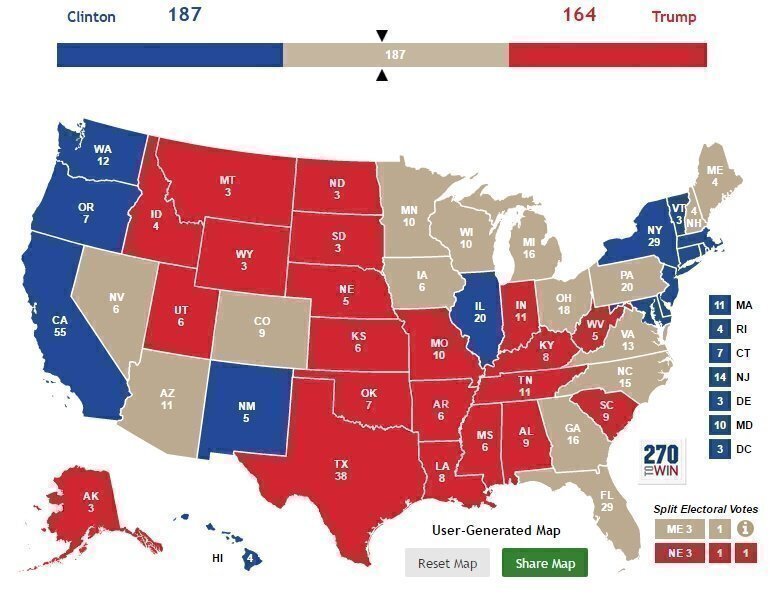
The Silver State’s Shifting Political Sands
Nevada’s political identity has been as dynamic as its economy, fluctuating with the ebb and flow of its primary industries and demographic changes. From its rugged frontier beginnings to its modern status as a tourism and entertainment powerhouse, the state has exhibited a fascinating political evolution that challenges easy categorization.
Early Days: Mining, Populism, and Progressive Roots
Nevada officially joined the Union in 1864, right in the midst of the Civil War. Its admission was largely motivated by a desire to secure its vast mineral wealth—particularly silver from the Comstock Lode near Virginia City—for the Union cause, and to add crucial electoral votes for President Abraham Lincoln. In these nascent years, Nevada often leaned Republican, reflecting the wartime loyalties and the power of mining magnates who aligned with the dominant federal party. However, this initial alignment was not steadfast. The harsh realities of mining life, marked by dangerous working conditions and the dominance of powerful corporations, soon fostered a strong spirit of populism and labor activism.
By the late 19th and early 20th centuries, as the national Progressive movement gained traction, Nevada began to show a more independent streak. Mining towns, filled with working-class individuals and recent immigrants, often championed populist and progressive causes, advocating for workers’ rights, direct democracy, and regulations on powerful industries. Figures like Senator Key Pittman, a Democrat who served from 1913 to 1940, epitomized this era, focusing on silver interests and later supporting Franklin D. Roosevelt’s New Deal policies. This period saw the Democratic Party gain significant ground, largely by appealing to the state’s working-class and agrarian voters, a trend that would solidify in the decades to come. Tourists today can explore this rich history in places like the historic mining district of Goldfield or the museums in Virginia City, where the echoes of these early struggles still resonate. The independent spirit born from these early days is still visible in the state’s approach to everything from gaming laws to innovative business practices, making it a unique destination for those interested in both history and cutting-edge lifestyle experiences.
The New Deal Era and the Rise of Urban Centers
The New Deal era marked a pivotal turning point for Nevada’s political identity. President Franklin D. Roosevelt’s expansive government programs, designed to combat the Great Depression, had a profound impact on the state. The most iconic example is the construction of the Hoover Dam on the Colorado River during the 1930s. This massive infrastructure project brought thousands of workers to Southern Nevada, many of whom became residents and staunch supporters of the Democratic Party that had created their jobs. The dam itself, now a major landmark and tourist attraction, symbolizes this era of federal investment and the demographic shift it catalyzed.
Concurrently, the legalization of gambling in 1931 and a more lenient divorce law set the stage for the dramatic growth of Las Vegas and, to a lesser extent, Reno. As these urban centers expanded, attracting new residents seeking opportunity in the burgeoning tourism and entertainment industries, they disproportionately drew a more diverse and often working-class population. These new urban dwellers, many migrating from other parts of the country, tended to align with the Democratic Party, which was increasingly seen as the party of the common worker and social welfare.
By the mid-20th century, Nevada had firmly established itself as a Democratic-leaning state, particularly in presidential elections and state-level races. From 1932 to 1948, Nevada voted Democratic in every presidential election, a testament to the enduring legacy of the New Deal and the growing influence of its urban populations. The post-war boom further fueled this growth, with Las Vegas transforming from a small desert town into an international tourism hub. The rise of iconic hotels and resorts like the Flamingo and the Desert Inn not only defined the city’s image but also created a vast service industry workforce, many of whom found a political home in the Democratic Party through organized labor. This era laid the groundwork for the modern political landscape, where the urban-rural divide became a defining feature of Nevada politics. The rapid development of accommodation options, from luxury suites to more modest apartments for workers, reflected the booming economy and the influx of people who would shape the state’s political future.
Modern Nevada: A Battleground of Ideologies and Tourist Dreams
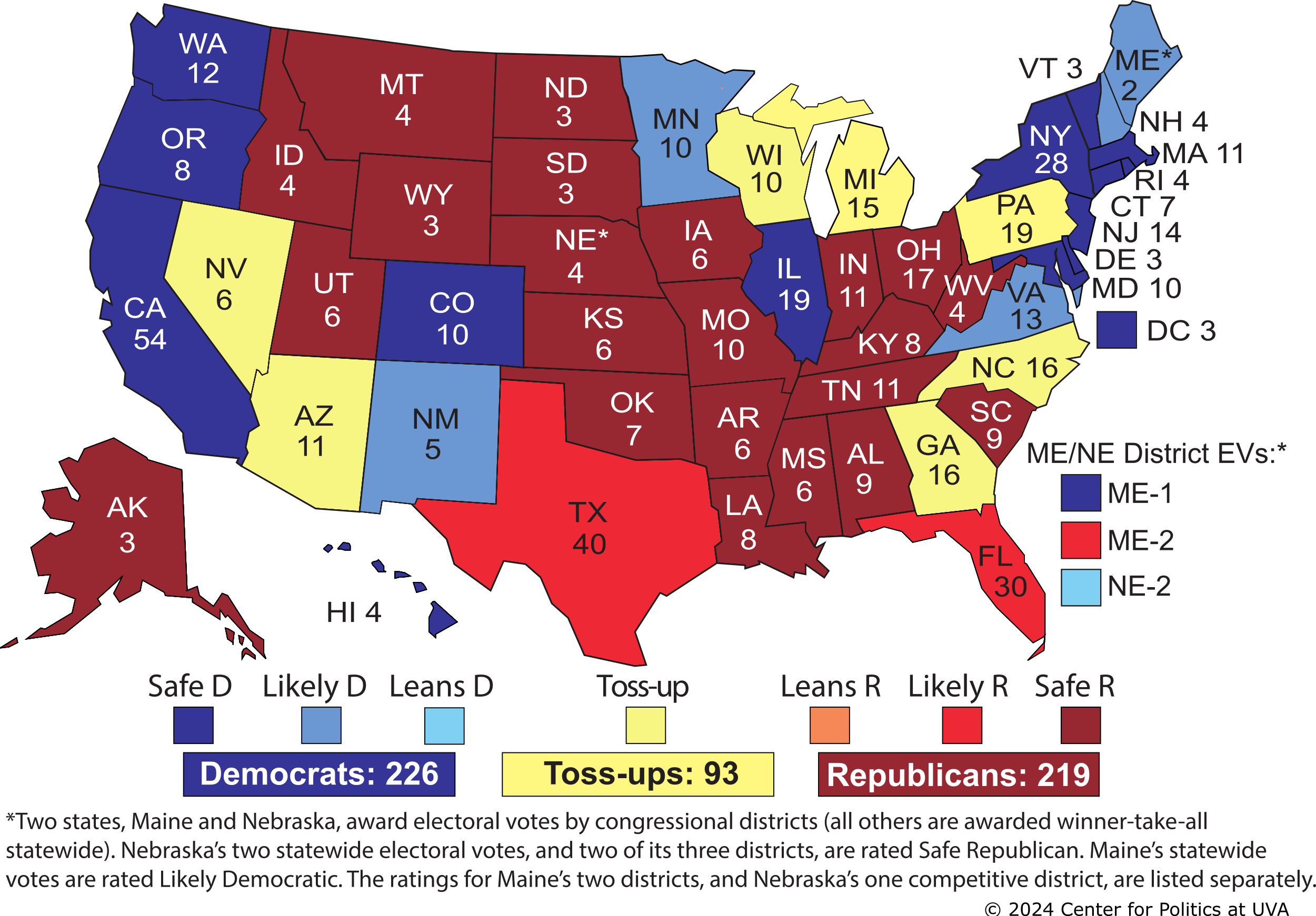
Today, Nevada is widely considered a swing state or a battleground state, meaning it frequently alternates between supporting Democratic and Republican candidates in federal and statewide elections. This modern political identity is a direct result of continued demographic shifts, particularly the rapid growth of Southern Nevada, juxtaposed against the more traditional leanings of its rural areas.
The Las Vegas Effect: Urbanization and Democratic Strength
The incredible expansion of Las Vegas and its surrounding Clark County has been the single most significant factor in shaping Nevada’s modern political leanings. Clark County alone accounts for over 70% of the state’s population. This region has experienced explosive growth since the latter half of the 20th century, attracting people from across the United States and the world. Many new residents are drawn by job opportunities in the hospitality, service, and construction industries, which historically have strong ties to organized labor and tend to lean Democratic. The presence of powerful unions, particularly those representing casino and hotel workers, further strengthens the Democratic base in Southern Nevada.
Furthermore, the demographic makeup of Clark County has become increasingly diverse, with significant Hispanic and Asian American populations, who often vote Democratic. This diverse, urban, and working-class electorate makes Las Vegas and its suburbs a formidable Democratic stronghold. Iconic resorts like the Bellagio, Caesars Palace, and The Venetian are not just global symbols of luxury travel and entertainment; they are also major employers whose workforces are politically engaged and often represent the core of the state’s Democratic vote. A visit to the Las Vegas Strip offers more than just entertainment; it’s a living testament to the economic and demographic forces that have reshaped Nevada’s political landscape. The sheer scale of development, from dazzling suites to vast convention centers, highlights the economic engine that drives this region’s growth and influences its political trajectory. For travelers, understanding this context enriches the experience of exploring the diverse destinations and attractions that make Las Vegas a global magnet.
Rural Nevada and the Conservative Counterbalance
While Southern Nevada exerts a powerful gravitational pull towards the Democratic Party, the vast expanse of rural Nevada tells a different political story. The remaining 16 counties, often referred to as “the cow counties,” are predominantly conservative and reliably Republican. These areas are characterized by smaller populations, a reliance on ranching, mining, and outdoor recreation, and a strong emphasis on individual liberty and limited government. Residents in these regions often feel disconnected from the urban centers and their political priorities, leading to a deep-seated distrust of big government and liberal policies.
Cities like Elko, Winnemucca, and Ely, along with the state capital, Carson City, generally vote Republican. Their cultural and economic landscapes are shaped by different forces than those of Las Vegas. Here, the lifestyle is more about open spaces, community ties, and traditional values. For tourists, rural Nevada offers a stark contrast to the Strip, with opportunities for exploring ghost towns, national parks like Great Basin National Park, and experiencing authentic cowboy culture.
The political dynamic in Nevada thus becomes a constant tug-of-war between the heavily populated Democratic urban centers and the vast, Republican rural counties. This balance makes Nevada a perennial swing state, with both national parties investing significant resources into winning its electoral votes and influencing its state-level policies. The diversity of political thought across the state also contributes to its rich and varied local culture, offering travelers a spectrum of experiences from the bustling metropolis to serene wilderness destinations. Whether seeking luxury travel or a budget travel adventure, the contrasting political landscapes implicitly shape the guides and experiences available throughout the state.
Beyond Politics: Nevada’s Enduring Allure for Travelers
While its political history is a fascinating study, Nevada’s true essence for travelers lies in its unparalleled diversity of experiences, a diversity that is, in a way, amplified by its complex political and demographic makeup. Regardless of which way the state leans in any given election cycle, its unique blend of natural beauty, historical richness, and cutting-edge entertainment ensures its place as a top global destination.
Iconic Landmarks and Historical Resonance
Nevada’s history, including its political evolution, is etched into its physical landmarks. The monumental Hoover Dam stands not only as an engineering marvel but also as a symbol of the New Deal era and the federal investment that helped shape Southern Nevada’s growth and political leanings. Visiting the dam offers a tangible connection to the forces that drew thousands of workers to the state, effectively laying the groundwork for Las Vegas’s future as a Democratic stronghold.
Further north, the historic mining towns of Virginia City and Tonopah transport visitors back to the 19th-century boom-and-bust cycles that defined early Nevada. These sites, with their preserved buildings and museums, offer insights into the lives of the miners and settlers whose populist and progressive sentiments often challenged the established political order. The struggle for labor rights and fair wages in these communities contributed to the state’s early Democratic leanings. Today, these sites provide a rich historical narrative for tourists interested in history and the rugged lifestyle of the frontier.
Beyond human-made structures, Nevada’s natural landmarks also tell a story. Lake Tahoe, straddling the California border, offers pristine beauty and outdoor recreation, while the fiery red rocks of Valley of Fire State Park showcase the state’s dramatic desert nature. These natural wonders, transcending political affiliation, are universal draws that highlight Nevada’s diverse landscapes and appeal to a wide range of travelers. Whether you’re interested in architecture or geological formations, Nevada’s landmarks offer a captivating journey through time and terrain.
Diverse Lifestyles and Experiences
The complex political tapestry of Nevada contributes directly to its remarkably diverse lifestyle and tourism offerings. The stark contrast between the vibrant, cosmopolitan energy of Las Vegas and the rugged, independent spirit of rural communities like Genoa (the state’s oldest settlement) creates a unique blend of experiences unavailable elsewhere.
In Las Vegas, visitors can immerse themselves in luxury travel, staying in opulent resorts with world-class amenities, dining at celebrity chef restaurants, and enjoying spectacular shows. This reflects the dynamic, globally connected lifestyle that attracts a diverse, often politically progressive, population seeking entertainment and opportunity. The city’s booming convention industry and business stays also underscore its status as a hub for commerce and innovation, drawing a varied demographic. Hotels like The Palazzo at The Venetian Resort offer expansive suites and integrated experiences that define modern Las Vegas.
Venturing outside the major cities, Nevada offers a contrasting experience. The small towns and vast open spaces cater to those seeking a different pace—from family trips focused on outdoor activities like hiking, fishing, and boating at Lake Mead to exploring the tranquility of the desert. Here, the values of self-reliance and community, often associated with more conservative leanings, define the local culture and food. For those on a budget travel journey, exploring the scenic routes and charming small towns offers an authentic taste of the Old West.
This blend ensures that whether a traveler is drawn to high-stakes gaming, historical exploration, or pristine wilderness, Nevada has something to offer. The political history, with its shifts between Democratic and Republican dominance, has shaped the state’s economic development, population distribution, and, ultimately, the unique tapestry of destinations and experiences that make the Silver State an endlessly intriguing place to visit. The availability of diverse accommodation options, from luxurious villas to quaint bed-and-breakfasts, reflects this broad appeal, catering to every preference and budget. Every aspect of the state, from its booming cities to its serene landscapes, invites exploration and discovery, making it a premier choice for travelers worldwide seeking unforgettable moments.
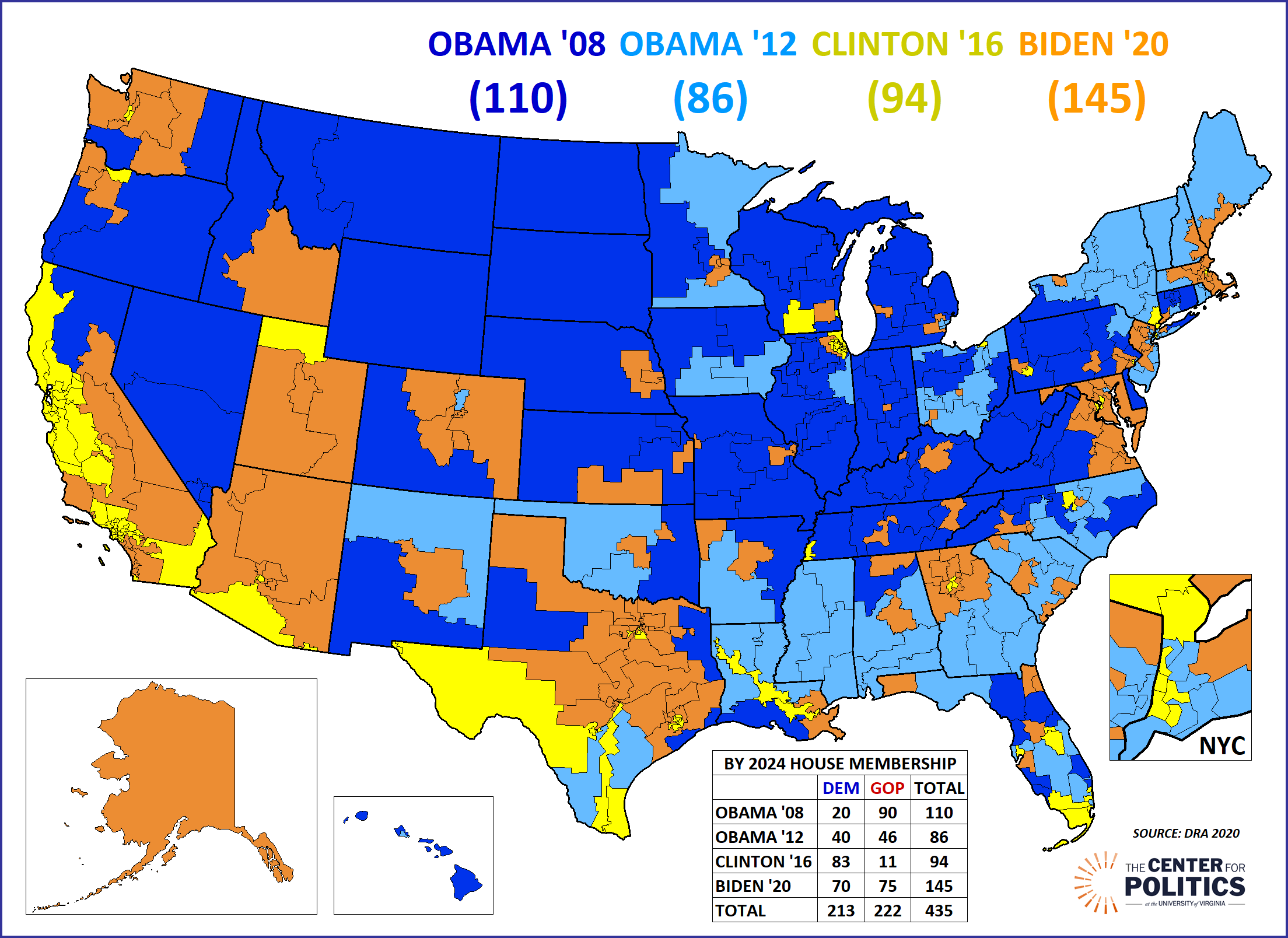
In conclusion, asking “Is Nevada Historically A Democratic State?” reveals a nuanced answer. While it has certainly had periods of strong Democratic leanings, particularly since the New Deal era and with the growth of Las Vegas, its early history and enduring rural conservative base complicate a simple categorization. What is undeniable, however, is that this rich political history has contributed to the state’s unique character, creating a vibrant and diverse destination that transcends political divides. From the glitz and glamour of its iconic cities to the rugged beauty of its natural wonders and the echoes of its pioneering past, Nevada offers an unparalleled array of travel, tourism, and lifestyle experiences for every type of visitor.
LifeOutOfTheBox is a participant in the Amazon Services LLC Associates Program, an affiliate advertising program designed to provide a means for sites to earn advertising fees by advertising and linking to Amazon.com. Amazon, the Amazon logo, AmazonSupply, and the AmazonSupply logo are trademarks of Amazon.com, Inc. or its affiliates. As an Amazon Associate we earn affiliate commissions from qualifying purchases.