
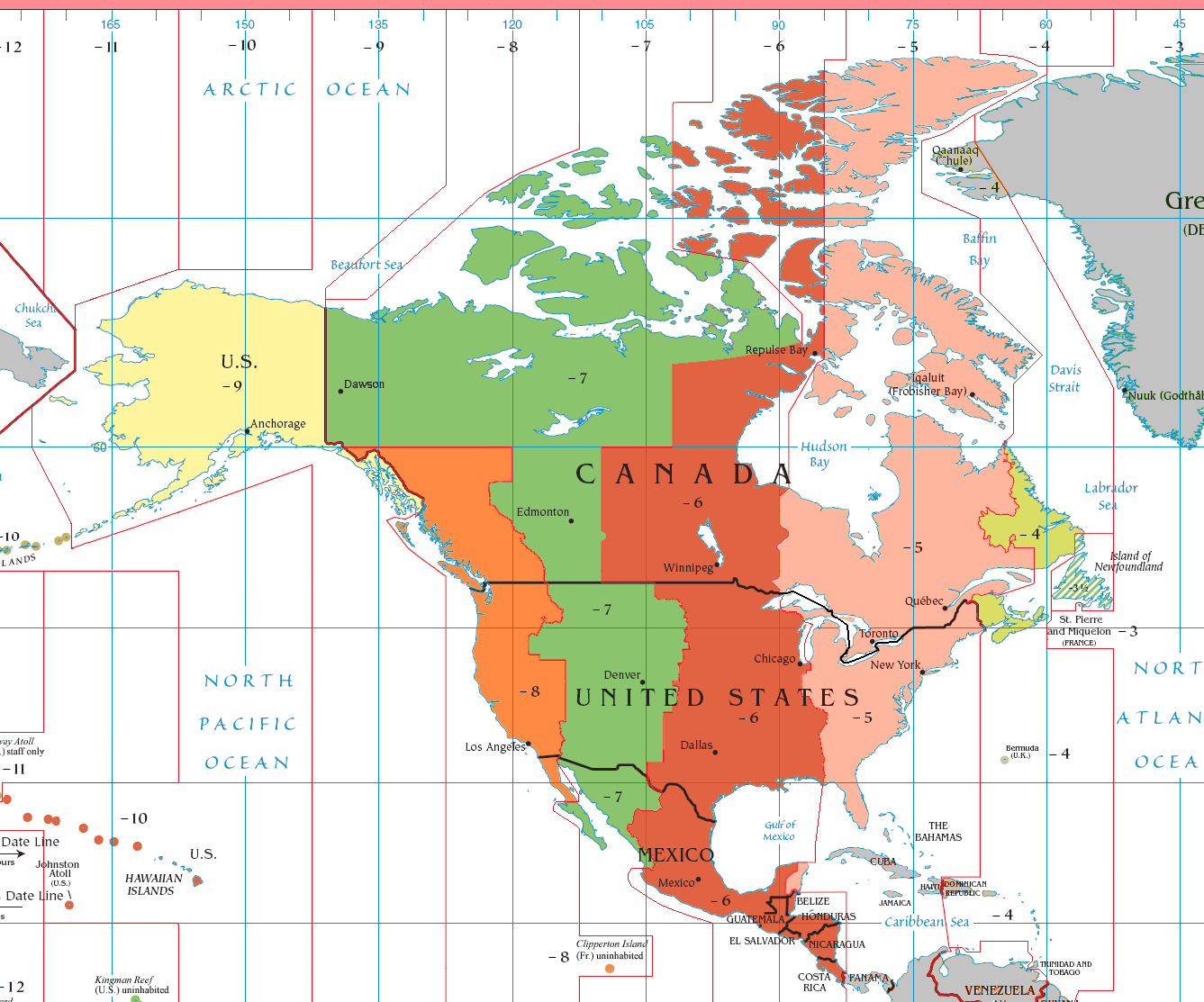
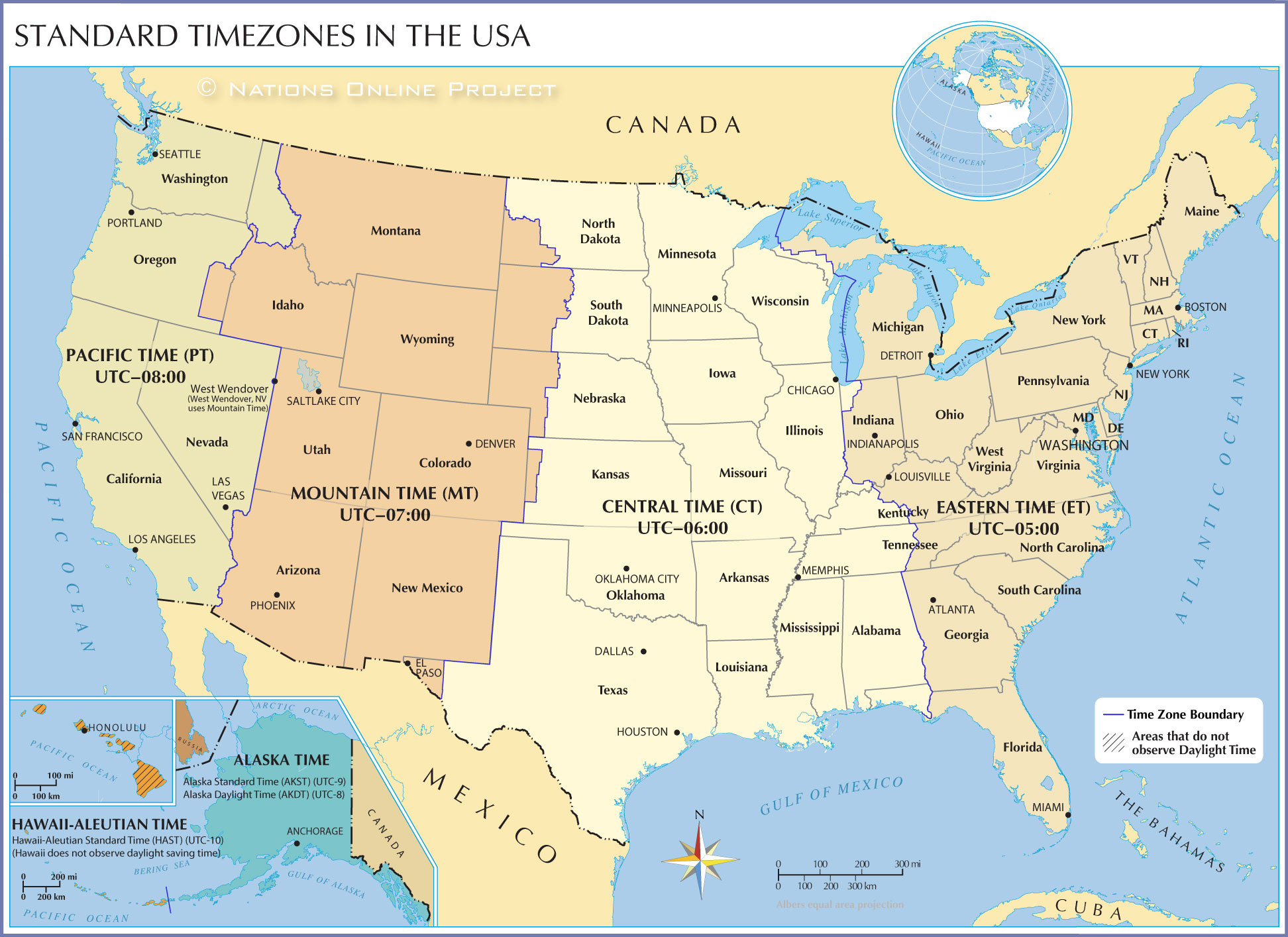
The question of whether Nevada observes Pacific Standard Time is more nuanced than a simple yes or no. While a significant portion of the state, particularly its most populous areas, does indeed operate on Pacific Standard Time (PST), a small but distinct region adheres to Mountain Standard Time (MST). This temporal duality, rooted in historical decisions and geographical proximity, adds an interesting layer to understanding time zones in the Silver State, especially for travelers planning their Nevada adventures.
The primary driver behind Nevada’s time zone division lies in its connection to major economic and transportation hubs. The western part of the state, including the vibrant metropolises of Las Vegas and Reno, has historically aligned itself with the temporal rhythm of California. This alignment facilitates business, travel, and communication with its influential western neighbor. For tourists flocking to Las Vegas for its dazzling casinos, world-class entertainment, and iconic Las Vegas Strip, understanding this time zone is crucial for coordinating flights, reservations, and evening plans. Similarly, those exploring the natural beauty and outdoor activities around Reno, often referred to as “The Biggest Little City in the World,” will find themselves on Pacific Standard Time.

However, the southeastern corner of Nevada presents a different temporal reality. The communities of West Wendover, Jackpot, and other small towns situated along the border with Utah observe Mountain Standard Time. This choice is largely influenced by their close economic and social ties to the neighboring Utah cities and towns. For instance, residents and visitors in West Wendover might find themselves aligning their schedules with Salt Lake City, a mere short drive away, rather than with Reno or Las Vegas. This distinction can be a delightful, albeit sometimes confusing, aspect of Nevada’s diverse geography and culture. Travelers venturing into this part of the state for activities like exploring the vast Great Basin National Park or experiencing the unique Bonneville Salt Flats (though the flats themselves are technically in Utah, the gateway towns are in Nevada) need to be aware of this time zone difference to avoid missing appointments or misjudging travel times.
The practical implications of Nevada’s dual time zones are often felt by those traversing the state. Imagine driving from Las Vegas to a town near the Utah border; you’ll likely gain an hour as you cross into Mountain Standard Time. Conversely, heading west from the Nevada–Utah border towards Reno will mean setting your clocks back an hour. This phenomenon can be particularly relevant for business travelers, those on road trips, or individuals with tight itineraries that involve crossing the time zone divide. Understanding this can prevent missed flights from airports like McCarran International Airport (now Harry Reid International Airport) in Las Vegas or Reno-Tahoe International Airport, or late arrivals for hotel check-ins at properties like the Bellagio Las Vegas or the Peppermill Reno.
The decision for these communities to remain on Mountain Standard Time is not arbitrary. It reflects a pragmatic approach to maintaining connectivity with their immediate surroundings. For West Wendover, its identity is intrinsically linked to its Utah counterpart, Wendover. Businesses operate in tandem, and residents often commute or socialize across the state line. Adhering to Mountain Standard Time simplifies these daily interactions, making it feel like a natural extension of the temporal flow in Utah. The same applies to towns like Jackpot, which serves as a gateway to Idaho and has strong ties to its Idaho neighbors.
This temporal divergence is a fascinating quirk of Nevada’s identity, a subtle nod to its complex relationship with its neighboring states and the diverse needs of its communities. For travelers, it’s a reminder to always confirm the local time, especially when planning journeys that span across Nevada or involve crossing into neighboring states.
Navigating Nevada’s Time Zones: A Traveler’s Guide
When embarking on a Nevada adventure, understanding the state’s temporal landscape is as important as knowing the best attractions or the most comfortable accommodations. The fact that Nevada observes two different time zones – Pacific Standard Time and Mountain Standard Time – can present a unique challenge, particularly for those who are accustomed to a single time zone within their home state or country. This section aims to demystify the time zone situation and provide practical advice for a seamless travel experience.
Western Nevada: The Pacific Time Embrace
The majority of Nevada’s population resides in the western half of the state, and it is here that you will predominantly encounter Pacific Standard Time (PST). This includes the glittering oasis of Las Vegas in the south and the industrious city of Reno in the north. For most travelers whose itineraries focus on these major urban centers and the surrounding tourist regions, you can confidently set your watches to Pacific Standard Time.
Las Vegas and the Southern Charm
Las Vegas, the undisputed entertainment capital of the world, operates squarely within Pacific Standard Time. From the iconic Las Vegas Strip with its world-renowned hotels and casinos like the Caesars Palace and The Venetian, to the bustling downtown area, all activities, showtimes, and dining reservations are based on PST. This temporal alignment is a deliberate strategy to foster strong economic and social connections with California, a primary source of tourists and business. If you’re flying into Harry Reid International Airport from Los Angeles or San Francisco, you won’t need to adjust your watch upon arrival. However, if you’re coming from a Mountain Time state like Arizona (which famously does not observe daylight saving time, making it permanently MST), you will need to adjust your watch back one hour upon entering Nevada. This is particularly important for those planning day trips or excursions that might venture near the Arizona border, even if staying within Nevada. The Hoover Dam, a monumental feat of engineering and a popular tourist destination, straddles the border of Nevada and Arizona. While primarily in Nevada and thus on Pacific Time, its proximity to Arizona can sometimes lead to temporal confusion for visitors.
Reno and Northern Nevada’s Pacific Connection
Similarly, Reno, a hub for outdoor recreation and a vibrant cultural scene, also operates on Pacific Standard Time. The city’s connection to California, particularly Sacramento and the Lake Tahoe region, reinforces its PST alignment. Whether you’re exploring the natural beauty of Lake Tahoe – a significant portion of which lies within Nevada – or enjoying the urban amenities of Reno, you’ll be operating under Pacific Time. This temporal consistency simplifies travel planning for those exploring the western part of the state, allowing for seamless transitions between Reno, Lake Tahoe, and even venturing into California.
Eastern Nevada: The Mountain Time Anomaly
While the majority of Nevada embraces the Pacific time zone, there’s a notable exception in the southeastern part of the state. A cluster of communities, primarily along the border with Utah, adheres to Mountain Standard Time (MST). This geographical and temporal pocket is a fascinating example of how local economies and community ties can influence time zone designations.
The Wendover Connection
The most prominent example of this temporal divergence is the town of West Wendover. Located directly on the Nevada–Utah border, West Wendover is intrinsically linked to its Utah counterpart, Wendover. The two towns share a common history, infrastructure, and daily life. To facilitate seamless interaction and commerce between these closely connected communities, West Wendover observes Mountain Standard Time, mirroring Utah’s time zone. This means that a simple drive across the street can take you into a different time zone. For travelers visiting West Wendover for its unique Bonneville Salt Flats experiences (though the flats themselves are in Utah) or its historical significance related to the Wendover Airfield, it’s crucial to be aware of this time difference. If you are traveling from Salt Lake City, you will not need to adjust your watch upon reaching West Wendover. However, if you are coming from Reno or Las Vegas, you will need to set your watch forward by one hour.
Jackpot and the Northern Frontier
Further north, the town of Jackpot, situated on the Nevada–Idaho border, also observes Mountain Standard Time. Its geographical isolation and its economic reliance on proximity to Idaho communities have led to this temporal alignment. For visitors planning to explore the more remote regions of eastern Nevada, particularly near the Idaho border, understanding this time zone difference is essential for accurate travel planning and avoiding any missed connections or appointments.
Practical Tips for Time Zone Travelers in Nevada
Navigating Nevada’s dual time zones requires a bit of foresight and attention to detail. For any traveler, especially those planning a multi-faceted Nevada experience that might involve visiting different regions of the state or crossing into neighboring states, a few simple practices can ensure a smooth and enjoyable journey. This is especially relevant for those seeking diverse travel experiences, from the bustling nightlife of Las Vegas to the serene landscapes of Great Basin National Park.
Verifying Local Time: Your Essential First Step
The most critical piece of advice for anyone traveling through Nevada is to always verify the local time upon arrival in a new destination. Do not assume that because you are in Nevada, you are automatically on Pacific Standard Time. Relying solely on your phone’s automatic time adjustment can sometimes lead to errors, especially if you have recently crossed a time zone boundary or if there are any network glitches.
- Check Local Listings: Before you depart for your trip, research the time zones of the specific cities and towns you plan to visit. Websites, travel guides, and hotel booking platforms will usually indicate the local time zone for each destination.
- Ask Your Hotel: Upon checking into your accommodation, whether it’s a luxurious resort in Las Vegas, a charming boutique hotel in Reno, or a more remote lodge near the Great Basin National Park, don’t hesitate to ask the front desk or concierge for the current local time. This is a quick and reliable way to ensure you are aligned.
- Consult Local Signs: Many businesses, particularly those on the borders of time zones, may display signs indicating the local time or offering a reminder of the time difference.
- Use Reliable Apps: While not foolproof, reputable time zone converter apps can be helpful. However, always cross-reference with local sources when possible.
Planning Itineraries Across Time Zones
For those planning a Nevada itinerary that spans both Pacific and Mountain Time zones, careful planning is paramount. This is particularly relevant for activities that have fixed schedules, such as guided tours, dinner reservations, or departure times for transportation.
- Factor in the Hour Difference: When calculating travel times between different regions of Nevada, always account for the one-hour difference. If you are driving from Las Vegas (PST) to West Wendover (MST), remember that your arrival time will be one hour later according to Mountain Time than your departure time according to Pacific Time, even if the actual travel duration is the same.
- Bookings and Reservations: When making reservations for hotels, restaurants, or attractions, double-check that the time provided is in the local time zone of the establishment. Most reputable booking systems will specify this, but it’s always wise to confirm. For instance, booking a show at the Colosseum at Caesars Palace in Las Vegas will be in PST, while booking a tour of the historical Wendover Airfield might be in MST.
- Daylight Saving Time: Both Nevada and Utah observe Daylight Saving Time, meaning that Pacific Standard Time transitions to Pacific Daylight Time (PDT) and Mountain Standard Time transitions to Mountain Daylight Time (MDT). While the principle of the one-hour difference remains consistent, travelers should be aware of these seasonal shifts, which typically occur in spring and fall. This ensures that the temporal relationship between the two zones is maintained throughout the year.
Embracing the Nuance: A Unique Nevada Experience
The temporal duality of Nevada is not a hindrance but rather a unique characteristic that adds to the state’s diverse appeal. It’s a subtle reminder of the varied influences that shape Nevada’s identity – from the entertainment hubs of the west to the frontier spirit of the east. Whether you’re a seasoned traveler or embarking on your first trip to the Silver State, embracing this temporal nuance will undoubtedly enrich your Nevada experience. From the high-stakes lifestyle of Las Vegas to the rugged nature of Great Basin National Park, understanding the local time will ensure you make the most of every moment. This attention to detail is part of what makes exploring Nevada so rewarding, allowing for a deeper appreciation of its distinct regions and the local culture that defines them.
LifeOutOfTheBox is a participant in the Amazon Services LLC Associates Program, an affiliate advertising program designed to provide a means for sites to earn advertising fees by advertising and linking to Amazon.com. Amazon, the Amazon logo, AmazonSupply, and the AmazonSupply logo are trademarks of Amazon.com, Inc. or its affiliates. As an Amazon Associate we earn affiliate commissions from qualifying purchases.