
The question “Is New Hampshire liberal or conservative?” is a common one, and delving into its answer reveals a fascinating tapestry of political ideologies, historical independence, and distinct regional cultures that profoundly shape the state’s character, economy, and appeal as a travel destination. Often perceived through the lens of its iconic “Live Free or Die” motto, New Hampshire truly embodies a unique blend that defies simple categorization. For travelers, residents, and those considering a lifestyle change, understanding this intricate political landscape offers valuable insight into the local customs, the economic climate, and the very essence of what makes the Granite State tick. From bustling urban centers like Manchester and Nashua to the serene wilderness of the White Mountains, the political leanings can vary significantly, influencing everything from local ordinances to the types of businesses that thrive and the cultural experiences available. This exploration will navigate through the state’s historical roots, economic drivers, and geographical divides to paint a comprehensive picture, offering a nuanced perspective for anyone interested in the political heartbeat of this pivotal New England state.
The “Live Free or Die” Ethos: A Foundation of Fierce Independence
At the heart of New Hampshire’s political identity lies its famous motto: “Live Free or Die.” This powerful declaration, adopted from a revolutionary war hero’s toast, encapsulates a deeply ingrained spirit of self-reliance, individual liberty, and a healthy skepticism towards government intervention. This ethos is not merely a slogan; it’s a foundational principle that has shaped the state’s legislative decisions, economic policies, and the character of its citizens for centuries. While this independent streak often aligns with conservative principles, particularly fiscal ones, it also harbors a libertarian thread that can sometimes manifest in ways that defy traditional political labels. Understanding this core philosophy is paramount to grasping the state’s unique political flavor and its impact on tourism, accommodation, and the overall lifestyle it offers.
Historical Roots and a Legacy of Self-Reliance
New Hampshire’s history is steeped in a tradition of rugged individualism and a preference for local control over centralized authority. From its colonial days, resisting British rule, to its pivotal role as the first state to declare its independence, the people of New Hampshire have consistently championed personal freedoms. This historical context largely explains the state’s long-standing conservative leanings, particularly evident in its rural areas. Historically, New Hampshire has been a reliable Republican stronghold, and it continues to hold the distinction of being home to the nation’s first presidential primary, a political tradition that underscores its outsized influence in national politics. This early primary often sees candidates spending significant time crisscrossing the state, engaging in town hall meetings that allow for direct interaction with voters, reflecting a deeply democratic and participatory political culture.
For visitors, this legacy of self-reliance translates into a genuine, no-frills experience in many parts of the state. You’ll find independently owned shops, local diners, and a strong sense of community pride in many small towns. The architecture often reflects its colonial past, especially in cities like Portsmouth with its historic Strawbery Banke Museum and charming brick buildings. Accommodation options range from quaint bed and breakfasts to rustic cabins, many of which are family-run and offer a taste of traditional New England hospitality. The independent spirit also fosters a culture of outdoor recreation, with numerous state parks and wilderness areas preserved for public enjoyment, reflecting a collective value placed on natural resources and accessible adventure.
Economic Philosophy: Low Taxes and Fiscal Conservatism
Perhaps the most tangible manifestation of New Hampshire’s conservative and libertarian ethos is its economic philosophy. The state proudly boasts no general sales tax and no personal income tax on wages (though there is a tax on interest and dividends). This fiscal policy is a cornerstone of its appeal, drawing residents from neighboring, higher-tax states like Massachusetts and fostering an environment perceived as business-friendly. This approach reflects a deep-seated belief in limited government spending and individual economic freedom, allowing residents to keep more of their earnings.
For the tourism and accommodation sectors, this low-tax environment has several implications. While it means that visitors won’t pay sales tax on their purchases, potentially making shopping a more attractive activity, the state still relies heavily on property taxes and certain other fees (like the meals and rentals tax, which visitors directly contribute to) to fund public services. This tax structure influences the cost of doing business for hotels, restaurants, and attractions, which can subtly impact pricing and investment in the tourism infrastructure. However, the overall emphasis on fiscal prudence often translates into well-maintained public spaces and efficient services without excessive bureaucracy, benefiting both residents and visitors alike. The absence of a sales tax also means that shopping in places like the outlet malls in North Conway or the unique boutiques in Portsmouth can feel like a bonus for budget-conscious travelers.
A Spectrum of Views: Beyond Simple Labels
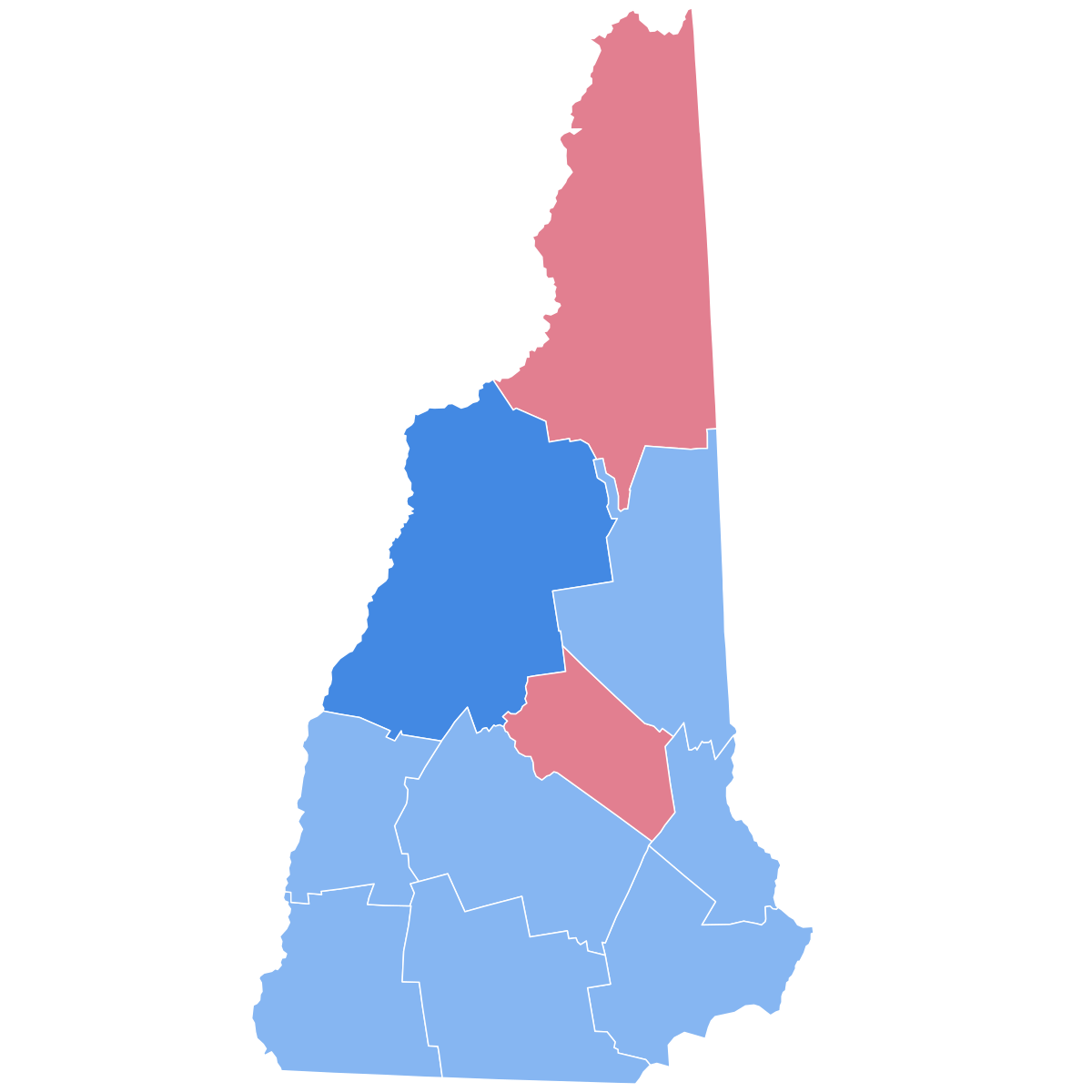
While the “Live Free or Die” motto suggests a uniformly conservative state, the reality of New Hampshire’s political landscape is far more complex and nuanced. It’s a state of contrasts, where deeply entrenched traditional values coexist with burgeoning progressive movements, particularly in its urban centers and university towns. This diversity of thought is one of New Hampshire’s most intriguing characteristics, offering a varied experience for anyone exploring its regions. The political leanings often correlate with geographical location, demographic shifts, and proximity to larger metropolitan areas.
The Urban-Rural Divide: Pockets of Progressivism and Traditional Values
The most significant factor in understanding New Hampshire’s political spectrum is its pronounced urban-rural divide.
-
Liberal Pockets: Cities like Portsmouth, Concord (the state capital), and the larger southern cities of Manchester and Nashua tend to lean more liberal. These areas benefit from a younger, more diverse population, a higher concentration of educational institutions, and a greater influx of residents and commuters from nearby Massachusetts. Portsmouth, in particular, is known for its vibrant arts scene, diverse culinary offerings, and progressive social attitudes, often attracting a demographic that values cultural experiences and environmental consciousness. Here, you’ll find boutique hotels, farm-to-table restaurants, and a bustling nightlife. Manchester and Nashua, while more working-class, also show increasing liberal trends due to their growing populations and proximity to economic hubs. These cities offer a range of accommodation from well-known hotel chains to independent suites and apartments suitable for both business and leisure travelers.
-
Conservative Strongholds: Conversely, the more rural parts of the state, especially the North Country and regions surrounding the White Mountains and the Lakes Region, remain largely conservative. These areas are characterized by a population with deeper historical roots in the state, often involved in traditional industries such as logging, farming, and seasonal tourism. Values here tend to emphasize community, self-sufficiency, and traditional New England sensibilities. Travel in these regions often focuses on outdoor recreation—hiking, skiing, fishing, and exploring natural landmarks like Mount Washington or Franconia Notch State Park. Accommodation options range from classic resorts like the Omni Mount Washington Resort to cozy cabins and family-friendly villas, catering to those seeking a retreat into nature. The focus is often on the scenic beauty and the quiet charm of small towns.
This political duality means that visitors can tailor their experience based on their preferred atmosphere. Do you seek a bustling city with a progressive vibe and diverse cultural attractions, or a serene rural escape steeped in traditional values and outdoor adventure? New Hampshire offers both.
The Libertarian Streak: Individual Freedom Above All Else
Beyond the traditional liberal-conservative dichotomy, New Hampshire has a powerful and often misunderstood libertarian streak. This philosophy, which champions individual liberty and minimal government intervention in both economic and social spheres, frequently complicates the state’s political identity. Libertarians in New Hampshire might align with conservatives on fiscal issues, advocating for lower taxes and less regulation, but they often align with liberals on social issues, supporting personal freedoms such as legalizing marijuana, protecting gun rights (viewed as a freedom, not just a conservative stance), and opposing government mandates. The Free State Project, a movement encouraging libertarians to move to New Hampshire to concentrate their political influence, further highlights this unique aspect.
This libertarian influence contributes to a general atmosphere of live-and-let-live. While social conservatives might hold sway in some areas, there’s a strong undercurrent of tolerance for diverse lifestyles and beliefs, as long as they don’t infringe on others’ freedoms. This can manifest in varied local customs, from relaxed attitudes towards certain personal choices to a strong emphasis on self-reliance in community events. For travelers, this translates into a generally welcoming environment, where people appreciate directness and a lack of pretense. It’s a place where you can often find local businesses that pride themselves on their independence and unique offerings, whether it’s a craft brewery, a small bookstore, or a quirky boutique hotel – all thriving under the banner of individual initiative.
What This Means for Travelers and Lifestyle in the Granite State
The complex political identity of New Hampshire isn’t just a topic for political scientists; it deeply influences the travel experiences, lifestyle choices, and the very fabric of local culture throughout the state. Understanding this blend allows visitors to better appreciate the nuances of different regions and makes for a richer, more informed trip, whether they are seeking adventure, relaxation, or cultural immersion.
Embracing Diversity in Experiences and Attractions
New Hampshire’s political mosaic directly translates into a remarkable diversity of travel experiences.
-
For the Culture Seeker: If you gravitate towards a more liberal, culturally rich environment, the Seacoast region, particularly Portsmouth, will be your haven. Here, you can immerse yourself in a thriving arts scene, enjoy diverse international cuisine, explore historic sites, and frequent locally owned shops that showcase artisan crafts. The city’s walkable downtown is filled with boutique hotels and vibrant nightlife, appealing to those who appreciate a dynamic urban experience. Events often focus on sustainability, local produce, and community engagement.
-
For the Outdoor Enthusiast: If your travel style leans towards the conservative-leaning, rugged outdoors, the White Mountains and North Country are unparalleled. This is the heartland of adventure tourism, offering world-class hiking on trails like the Appalachian Trail, skiing at resorts such as Cannon Mountain, and scenic drives through pristine wilderness. Accommodations in these areas often include rustic cabins, family resorts with extensive amenities, and traditional inns that emphasize comfort after a day of outdoor activity. The focus is on natural beauty, family-friendly recreation, and a deep respect for the environment, often reflecting a traditional, conservative value system.
-
For the Family or Business Traveler: Cities like Manchester and Nashua offer a blend of modern amenities, business opportunities, and family-friendly attractions. With growing populations and diverse communities, these areas provide a more moderate experience, catering to a wide range of preferences. You’ll find a mix of chain hotels, shopping centers, and local eateries, making them convenient bases for exploring southern New Hampshire or commuting to Massachusetts.
Accommodation and Tourism Trends Influenced by Political Nuances
The political and cultural leanings also subtly shape the types of tourism and accommodation trends in different parts of the state.
In areas with a more liberal bent, there’s often a greater emphasis on experiential travel, sustainable tourism, and unique, independently-owned accommodations. Boutique hotels with a strong sense of place, farm stays promoting local agriculture, and eco-friendly lodges are more likely to thrive here, catering to travelers who prioritize authenticity and ethical consumption. You might also find a greater focus on diverse culinary experiences, craft breweries, and cultural events.
In contrast, conservative-leaning regions often feature more traditional tourism models. This includes well-established resorts that cater to multi-generational families, campgrounds for outdoor enthusiasts, and classic motels providing reliable and straightforward lodging. The emphasis is often on natural attractions, wholesome family activities, and a preservation of traditional recreational pursuits. Lake Winnipesaukee in the Lakes Region, for instance, offers a mix of seasonal vacation homes, traditional hotels, and family-oriented resorts, appealing to visitors who appreciate classic summer fun and serene natural beauty.
Regardless of political alignment, the overarching theme in New Hampshire is an appreciation for its natural beauty and a desire for a lifestyle that values independence and community. The state’s political spectrum, far from being a simple binary, is a vibrant mix that contributes to its allure, making it a multifaceted destination for every kind of traveler. Whether you’re drawn by the promise of pristine wilderness, historic charm, or vibrant city life, New Hampshire’s unique political character ultimately enhances its rich tapestry of offerings, ensuring a memorable experience in a state that truly lives free.
LifeOutOfTheBox is a participant in the Amazon Services LLC Associates Program, an affiliate advertising program designed to provide a means for sites to earn advertising fees by advertising and linking to Amazon.com. Amazon, the Amazon logo, AmazonSupply, and the AmazonSupply logo are trademarks of Amazon.com, Inc. or its affiliates. As an Amazon Associate we earn affiliate commissions from qualifying purchases.