
For travelers, history enthusiasts, and curious minds alike, understanding the geographical and political heart of any destination is often the first step in planning an unforgettable journey. When it comes to the Beaver State, the question “What is the state capital of Oregon?” frequently arises, and the answer is Salem. Far more than just an administrative center, Salem offers a rich tapestry of history, culture, natural beauty, and a welcoming atmosphere that makes it a compelling destination for a variety of visitors. Nestled in the heart of the picturesque Willamette Valley, this vibrant city perfectly embodies the spirit of Oregon, blending governmental gravitas with a relaxed, community-focused lifestyle.

Our exploration will delve into what makes Salem a unique and rewarding place to visit, covering its historical significance, prominent landmarks, diverse attractions, and the practicalities of planning a trip. Whether you’re interested in booking a luxurious hotel, finding unique local experiences, or simply seeking a tranquil escape, Salem has something to offer every type of traveler. We’ll guide you through the city’s highlights, from its iconic Oregon State Capitol building to its serene parks and burgeoning culinary scene, ensuring you have all the information needed to make the most of your visit to Oregon’s captivating capital.
Unveiling Salem: Oregon’s Historic Capital
Salem, a city steeped in history and natural splendor, serves as the governmental seat of Oregon. Its strategic location in the fertile Willamette Valley has made it a significant hub since its early days, evolving from a missionary settlement to a bustling capital city. Understanding its past and geographical context is crucial to appreciating its current charm and importance.
A Glimpse into Salem’s Past
The story of Salem begins long before its official designation as the state capital. Originally known as Chemeketa, a Kalapuyan name meaning “place of peace,” the area saw the establishment of the Methodist Mission in 1840. This mission was instrumental in the early development of the region, and its superintendent, David Leslie, is often credited with naming the settlement “Salem,” derived from the Hebrew word “Shalom,” also meaning “peace” or “completeness.” The city’s original plat was laid out in 1844, and by 1851, it was designated the capital of the Oregon Territory. Over the years, the capital moved between Corvallis and Salem multiple times due to political maneuvering, but Salem was finally affirmed as the permanent capital in 1864.
The city’s growth was closely tied to the rich agricultural bounty of the Willamette Valley, attracting pioneers and fostering a vibrant community. Through fires that destroyed earlier capitol buildings, Salem persevered, rebuilding and strengthening its identity. Today, its historic districts, well-preserved architecture, and numerous museums offer a tangible connection to this rich past, inviting visitors to step back in time and explore the foundations of modern Oregon. Key institutions like Willamette University, founded in 1842 and the oldest university in the Western United States, further underscore Salem’s deep roots and enduring legacy in education and community development.
The Heart of the Willamette Valley
Salem’s geographical position is arguably one of its greatest assets. Situated squarely within the Willamette Valley, a region renowned for its lush landscapes, fertile farmlands, and burgeoning wine industry, the city benefits from a mild climate and abundant natural resources. This valley stretches approximately 150 miles from Portland in the north to Eugene in the south, flanked by the Cascade Mountains to the east and the Oregon Coast Range to the west.
The proximity to the Willamette River, a central waterway for trade and recreation, has historically been vital to Salem’s development. Today, the river provides ample opportunities for outdoor activities, from kayaking and fishing to riverside strolls. Beyond the governmental buildings, Salem serves as a gateway to the broader agricultural region, making it an ideal base for exploring vineyards, farm stands, and scenic drives. This blend of urban convenience and access to natural beauty makes Salem a unique destination, appealing to those who appreciate both civic history and the tranquility of the Pacific Northwest’s natural environment.
Discovering Salem’s Attractions and Experiences
Salem offers a diverse array of attractions and experiences that cater to a wide range of interests, from historical landmarks and cultural institutions to sprawling parks and a vibrant culinary scene. Engaging with these local gems provides a comprehensive understanding of the city’s character and allure.
Iconic Landmarks and Cultural Gems
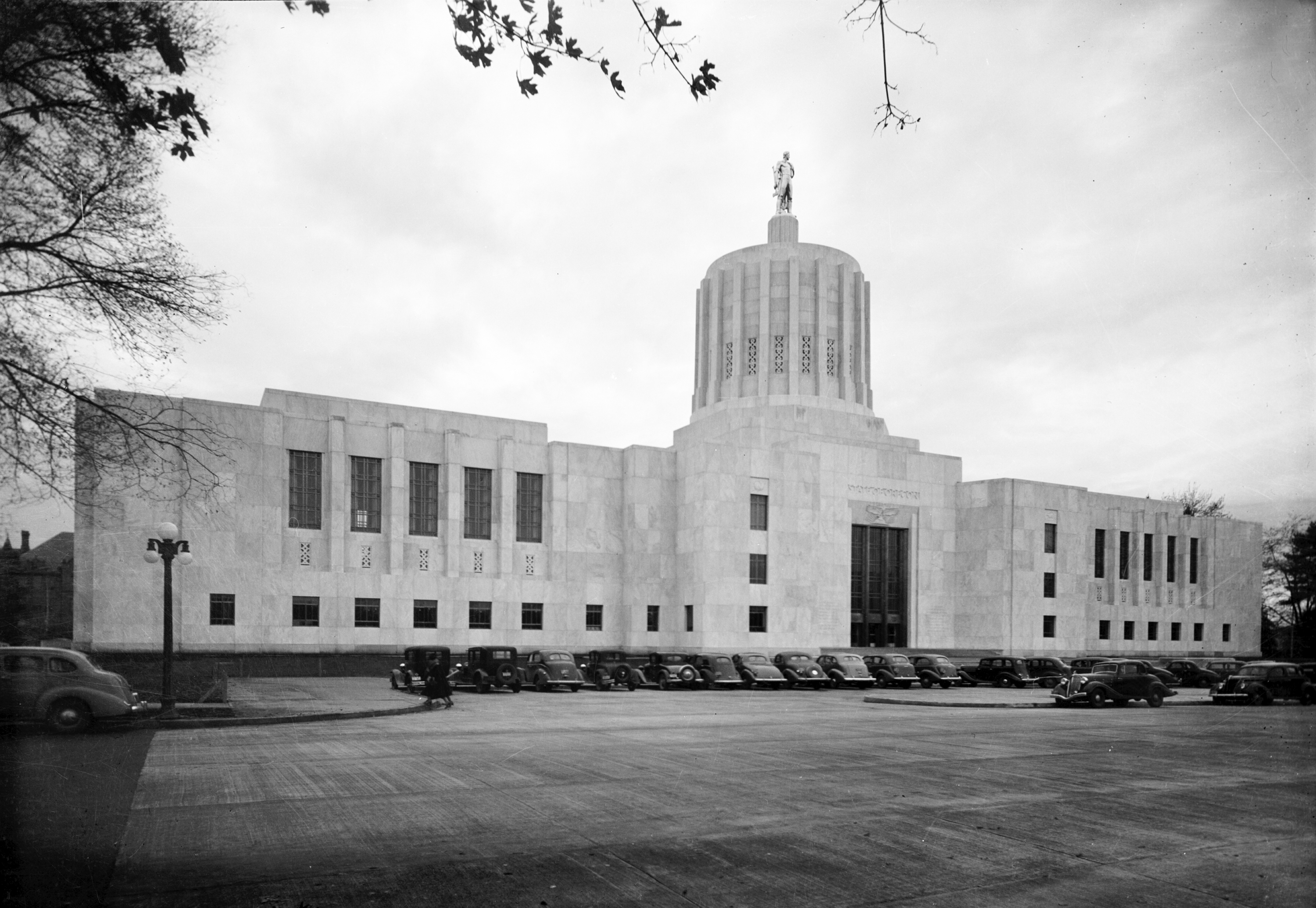
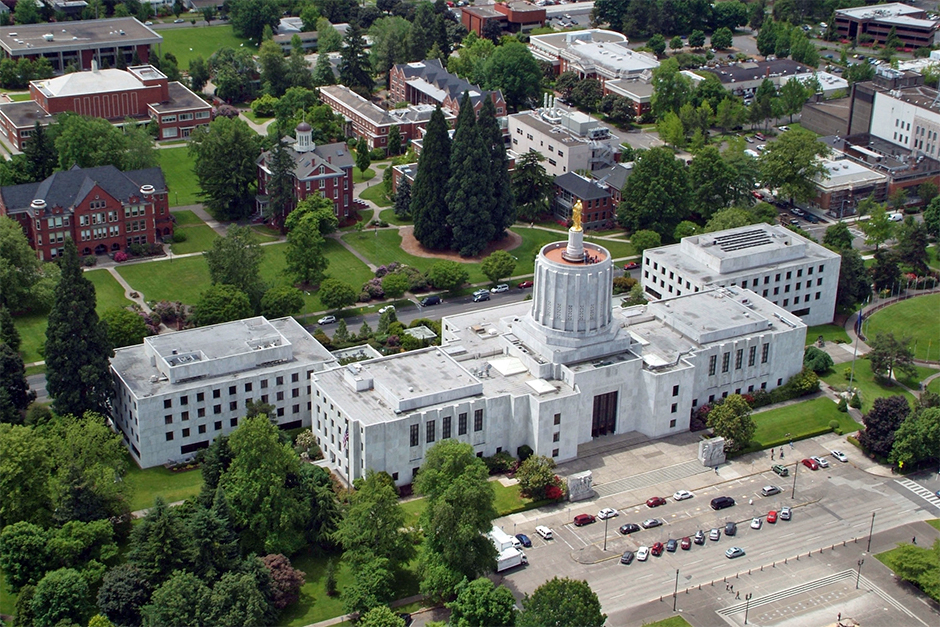
The undeniable centerpiece of Salem is the majestic Oregon State Capitol. A striking example of Art Deco architecture, the building stands out with its gleaming white marble exterior and a 10-foot tall, gold-plated bronze statue of the Oregon Pioneer atop its dome. Visitors can take guided tours to explore the legislative chambers, the governor’s office, and various murals depicting Oregon’s history. The Capitol Mall, surrounding the building, features beautifully landscaped grounds, fountains, and war memorials, providing a peaceful space for reflection and recreation. It’s not just a government building; it’s a profound landmark, embodying the state’s democratic spirit.
Just across the street from the Capitol is Willamette University, with its historic buildings and serene campus, offering a tranquil escape. Nearby, the Willamette Heritage Center is another must-visit. This 5-acre campus preserves and interprets Oregon’s cultural history, particularly focusing on the Willamette Valley from the 1840s to the 1920s. It features 14 historic buildings, including the 1841 Jason Lee House and the 1895 Thomas Kay Woolen Mill, providing an immersive experience into pioneer life and early industrialization. For arts enthusiasts, the Hallie Ford Museum of Art at Willamette University showcases diverse collections, from Native American art to contemporary Pacific Northwest works. Meanwhile, the historic Elsinore Theatre, a 1926 masterpiece with a Gothic Revival interior, continues to host concerts, films, and theatrical performances, adding to Salem’s vibrant cultural scene. These landmarks not only narrate the city’s story but also serve as active cultural centers that enrich the visitor’s experience.
Outdoor Adventures and Natural Beauty
Salem’s location in the Willamette Valley ensures a wealth of opportunities for outdoor enthusiasts and nature lovers. The city is home to several beautiful parks, each offering unique recreational experiences. Bush’s Pasture Park is a local favorite, encompassing the historic Bush House Museum, an impressive conservatory, a rose garden, and vast open spaces perfect for picnicking, walking, or simply enjoying nature. Its blend of history and horticulture makes it a tranquil yet engaging destination.
For those seeking more extensive natural immersion, Minto-Brown Island Park is an expansive natural area offering over 29 miles of paved and unpaved trails along the Willamette River. It’s a haven for walkers, joggers, cyclists, and birdwatchers, providing stunning views and a chance to spot local wildlife in a peaceful setting. Just a short drive south of Salem, the Oregon Garden in Silverton is a truly spectacular attraction. This 80-acre botanical garden features over 20 specialty gardens, including a children’s garden, an Oregon native plant garden, and a conifer garden, showcasing the diverse flora of the Pacific Northwest and beyond. It’s a fantastic place for families and individuals to spend hours exploring and connecting with nature. The Willamette River itself provides opportunities for kayaking, paddleboarding, and fishing, adding another layer of outdoor adventure to any Salem itinerary.
Culinary Delights and Local Flavors
The Willamette Valley is globally recognized for its exquisite wine production, particularly Pinot Noir. This agricultural richness translates directly into Salem’s vibrant culinary scene, where farm-to-table dining is not just a trend but a way of life. Visitors can indulge in an array of dining experiences, from casual cafes to upscale restaurants, many of which proudly feature locally sourced ingredients.
The city and its surrounding areas are dotted with vineyards and wineries, offering tours and tastings that provide insight into the winemaking process and the chance to savor world-class wines. Beyond wine, Salem’s local food scene extends to craft breweries, artisanal coffee shops, and diverse international cuisine. The Salem Public Market and various farmers’ markets provide fresh produce, baked goods, and handcrafted items, allowing visitors to taste the authentic flavors of the region. From gourmet dining to cozy cafes, Salem offers a delightful culinary journey that reflects the bounty of the Willamette Valley and the creative spirit of its local chefs and producers. Exploring these gastronomic offerings is an essential part of the Salem experience, providing a delicious insight into local culture and lifestyle.
Accommodation and Travel Planning in Salem
Planning a trip to Salem involves more than just identifying attractions; it also includes selecting the right accommodation and understanding essential travel logistics. Salem offers a variety of lodging options to suit different preferences and budgets, ensuring a comfortable and convenient stay for every visitor.
Finding Your Perfect Stay
When it comes to accommodation in Salem, travelers have a diverse selection, ranging from luxurious hotels to cozy bed & breakfasts and practical extended-stay options. For those seeking a blend of comfort and convenience, downtown Salem hosts several reputable hotels, with the Grand Hotel in Salem often highlighted for its central location, amenities, and excellent service. This hotel offers suites that provide ample space, perfect for both leisure and business travelers, and typically features amenities like indoor pools, fitness centers, and on-site dining, aligning with the expectations of a full-service resort experience in a city setting.
For travelers who prefer familiar brands or are working with a specific budget, Salem also provides numerous chain hotels such as Holiday Inn Express and Hampton Inn. These establishments are known for their consistent quality, complimentary breakfasts, and convenient access to major roadways and attractions. Beyond traditional hotels, visitors can explore charming bed & breakfasts for a more personalized and intimate experience, often located in historic homes. Additionally, the rise of vacation rentals offers apartments and villas, providing more flexibility, privacy, and the option for long-term stays, which can be particularly appealing for families or groups. When choosing, consider amenities like pet-friendly policies, business facilities, or proximity to specific landmarks or activities to ensure your accommodation enhances your overall travel experience. Booking in advance, especially during peak seasons, is always recommended to secure the best rates and availability.
Essential Travel Tips and Visitor Information
To make your trip to Salem as smooth and enjoyable as possible, consider a few key travel tips. The best time to visit often depends on your interests. Summer (June to August) offers warm, dry weather ideal for exploring outdoor attractions and attending festivals, though it’s also the busiest and most expensive season. Spring (April to May) and Fall (September to October) provide pleasant temperatures, fewer crowds, and the beauty of blooming gardens or vibrant autumn foliage, making them excellent choices for touring wineries and enjoying the parks. Winter (November to March) can be rainy but offers a quieter experience and opportunities for cozy indoor activities, often with lower accommodation rates.
Getting to Salem is relatively straightforward. The nearest major airport is Portland International Airport (PDX), approximately an hour’s drive north. From PDX, you can rent a car, take a shuttle service, or use public transport options to reach Salem. Once in the city, having a car provides the most flexibility, especially for exploring the wider Willamette Valley and its vineyards. However, downtown Salem is quite walkable, and the local public transit system, Cherriots, offers bus services covering much of the city. For families, many attractions like Bush’s Pasture Park and the Oregon Garden are very family-friendly, often with designated play areas and educational programs. Budget travelers will find numerous free attractions, such as walking tours of the Capitol grounds and exploring the downtown architecture, while luxury travelers can indulge in high-end dining and boutique hotel experiences. Always check local event calendars for festivals, farmers’ markets, and cultural events happening during your visit to enrich your travel experience.
Experiencing the Lifestyle of Oregon’s Capital
Beyond its role as a governmental hub and a tourist destination, Salem offers a distinctive lifestyle characterized by a strong sense of community, a connection to nature, and a growing appreciation for local culture. Engaging with this lifestyle provides a deeper, more authentic travel experience.
Beyond the Tourist Trail
While the landmarks and popular attractions in Salem are certainly worth exploring, truly experiencing the city involves stepping off the beaten path and immersing oneself in its local rhythm. Salem’s community calendar is often bustling with events and festivals that celebrate everything from its agricultural heritage to its artistic talents. Throughout the year, visitors might encounter the Oregon State Fair, a beloved tradition showcasing agriculture, entertainment, and local crafts, or various smaller community events like summer concert series in the park and holiday markets. These events offer fantastic opportunities to interact with locals, sample regional foods, and gain insight into the community’s passions.
The city’s vibrant local culture extends to its independent businesses, including boutique shops, art galleries featuring Pacific Northwest artists, and charming cafes that serve as gathering spots for residents. Exploring the districts outside of the immediate Capitol area, such as the West Salem neighborhood or the quaint streets lined with historic homes, reveals more of the city’s residential charm and everyday life. For those interested in an extended stay, living like a local offers a unique perspective on Salem’s relaxed yet engaged lifestyle, where access to outdoor recreation is balanced with cultural pursuits and a strong sense of civic pride. This allows visitors to transition from mere observers to active participants in the community’s fabric.
Why Salem is a Must-Visit Destination
Salem, as the state capital of Oregon, is far more than just a political center; it’s a destination that perfectly encapsulates the essence of the Pacific Northwest. Its unique blend of rich history, stunning natural beauty, and a thriving local culture makes it an ideal spot for a variety of travel experiences. From the grandeur of the Oregon State Capitol and the historical depths of the Willamette Heritage Center to the tranquil trails of Minto-Brown Island Park and the vibrant flavors of the Willamette Valley wine country, Salem offers something for every traveler.
Whether you are planning a family trip, a romantic getaway, a business stay, or a solo adventure, the city provides excellent accommodation options, from luxury resorts and comfortable hotels like the Grand Hotel in Salem to charming vacation rentals. Its manageable size ensures easy navigation, while its location offers convenient access to further Oregon adventures, including day trips to the breathtaking Oregon Coast or the bustling city of Portland. Salem’s commitment to preserving its heritage, fostering local arts, and celebrating its natural surroundings creates an inviting atmosphere for all who visit. It is a city that promises enriching experiences, memorable moments, and a true taste of Oregonian hospitality, solidifying its status as a must-visit destination in the Western United States.
LifeOutOfTheBox is a participant in the Amazon Services LLC Associates Program, an affiliate advertising program designed to provide a means for sites to earn advertising fees by advertising and linking to Amazon.com. Amazon, the Amazon logo, AmazonSupply, and the AmazonSupply logo are trademarks of Amazon.com, Inc. or its affiliates. As an Amazon Associate we earn affiliate commissions from qualifying purchases.