
The question of whether New Hampshire leans red or blue in the 2024 political landscape is a complex one, mirroring the state’s nuanced identity. Often dubbed “The Granite State” for its rugged terrain and independent spirit, New Hampshire presents a fascinating case study in American politics. While its electoral history shows a tendency to swing between parties, understanding its current leanings requires looking beyond simple color-coding and delving into its unique demographics, economic drivers, and the evolving priorities of its residents. This article will explore the political landscape of New Hampshire in 2024, examining factors that influence its voting patterns and what might be expected in upcoming elections, all while highlighting the captivating travel and lifestyle experiences that define this charming New England state.

New Hampshire’s political identity is not monolithic. It is a state that values pragmatism and a hands-on approach to governance. This translates into a voting base that often prioritizes fiscal responsibility and individual liberty, tenets that can appeal to both conservative and liberal voters depending on the issue. Unlike some of its more uniformly aligned neighbors, New Hampshire has a history of electing individuals from both major parties to its congressional seats and governorship. This historical flexibility suggests that voters are not rigidly bound to one ideology but rather assess candidates and platforms based on perceived effectiveness and alignment with their personal values.
The state’s demographic makeup also plays a crucial role. New Hampshire boasts a relatively educated and affluent population, with a strong emphasis on community and quality of life. This translates into a demand for excellent public services, robust environmental protections, and a thriving local economy. These are issues that resonate across the political spectrum, creating fertile ground for debate and compromise. The burgeoning tech sector in areas like the Seacoast Region and the continued importance of traditional industries like manufacturing and tourism contribute to a diverse economic landscape, each with its own set of concerns and political preferences.
Navigating New Hampshire’s Political Terrain: A Look at Key Factors
To understand if New Hampshire is red or blue in 2024, we must examine the key factors shaping its political discourse and voter behavior. These include the state’s unique demographic shifts, its economic vulnerabilities and strengths, and the influence of its vibrant tourism and lifestyle sectors.
Demographic Dynamics and Shifting Electorates
New Hampshire’s population, while small, is not static. While it has historically been a predominantly white and middle-class state, demographic shifts are gradually occurring. An increasing number of younger families are being drawn to the state by its excellent education system and outdoor recreational opportunities, such as hiking in the White Mountains or exploring the scenic Kancamagus Highway. These newcomers often bring different perspectives and priorities, potentially influencing the state’s political leanings.
Furthermore, the presence of prominent universities like Dartmouth College in Hanover and the University of New Hampshire in Durham contributes to a segment of the population that is more engaged with progressive social and environmental issues. The student population and faculty often form a vocal and active part of the electorate, particularly in the college towns. This demographic element, while not dominant, adds a distinct blue hue to specific regions.
Conversely, New Hampshire’s rural areas and smaller towns often retain a more traditional, independent streak. These communities, with a deep connection to the land and a strong sense of self-reliance, tend to be more fiscally conservative and wary of government overreach. This can manifest in support for policies that emphasize lower taxes, less regulation, and a strong emphasis on local control. The economic realities of these areas, often reliant on agriculture or small businesses, shape their political outlook.
The state’s moderate political climate can also be attributed to its unique primary system. As the first-in-the-nation presidential primary, New Hampshire’s voters often face candidates at their most authentic and unscripted. This forces candidates to engage directly with local issues and demonstrates a willingness to listen to a broader range of concerns. This can lead to a more thoughtful and less partisan voting process compared to states with later primaries.
Economic Pillars and Political Priorities
New Hampshire’s economy is a significant driver of its political leanings. The state boasts a low unemployment rate and a strong, diversified economy. Key sectors include advanced manufacturing, biotechnology, education, healthcare, and a robust tourism industry. The tourism sector, in particular, is a major employer and economic engine, drawing visitors to its picturesque coastlines, charming towns like Portsmouth, and its numerous attractions. This reliance on tourism means that economic policies affecting hospitality, outdoor recreation, and cultural preservation are of paramount importance.
The state’s approach to taxation is also a defining characteristic. New Hampshire famously has no state sales tax or income tax on wages. This fiscal conservatism appeals to many residents who value low tax burdens. However, this also means that funding for public services relies heavily on property taxes, which can be a point of contention for homeowners. Debates around property tax relief and the allocation of state funds are perennial political issues that can draw both red and blue voters to the discussion table.
The burgeoning renewable energy sector, particularly wind and solar, is another area where economic and environmental concerns intersect. While some residents express reservations about the visual impact or cost, others champion the economic opportunities and environmental benefits. This issue can split communities and highlight the complex interplay between economic development and sustainability.
The lifestyle appeal of New Hampshire, characterized by its natural beauty, outdoor activities, and quality of life, is also intrinsically linked to its economy. Preserving these aspects requires a careful balance of development and conservation, a topic that elicits strong opinions from all political affiliations. Whether it’s enjoying the vibrant culinary scene in Concord or exploring the historic architecture of Manchester, the state’s appeal is multifaceted and its political landscape reflects this complexity.
The Nuances of New Hampshire’s Political Spectrum
When considering if New Hampshire is red or blue in 2024, it’s crucial to move beyond broad generalizations and appreciate the finer points of its political spectrum. This involves examining the voting patterns in different regions, the influence of specific issues, and the independent spirit that defines its electorate.
Regional Variations and Urban vs. Rural Divide
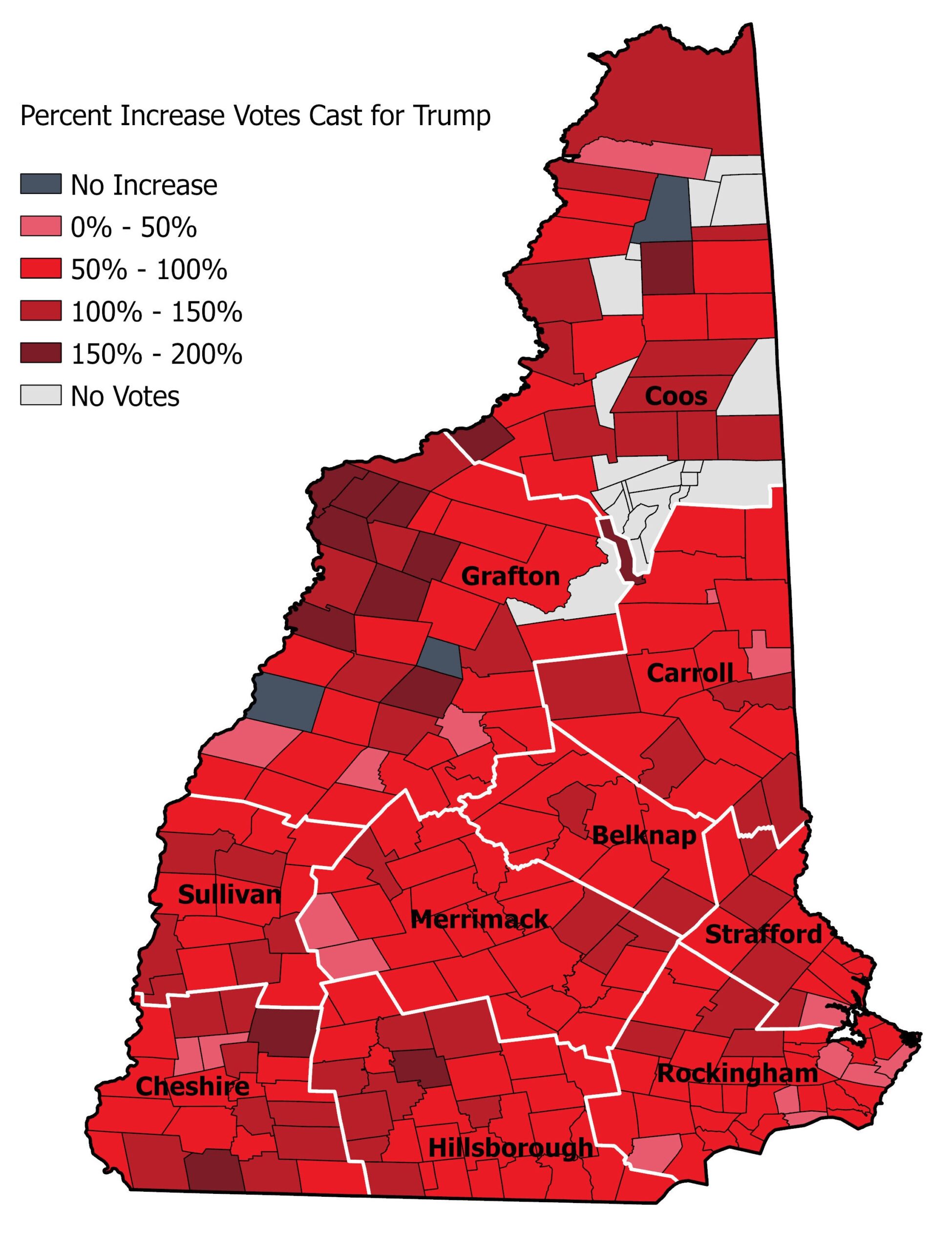
New Hampshire’s political landscape exhibits distinct regional variations. The southern part of the state, being more densely populated and closely connected to the Boston metropolitan area, tends to lean more Democratic. Cities like Nashua and Manchester, while experiencing shifts, often have a significant bloc of Democratic voters influenced by urban issues, diverse populations, and a strong labor presence.
In contrast, the more rural northern and western parts of the state, including the Monadnock Region and the areas surrounding the White Mountains, generally lean Republican. These areas often prioritize traditional values, gun rights, and a more conservative approach to government spending. The lifestyle in these regions, focused on outdoor pursuits and a slower pace of life, can foster a sense of independence and a distrust of centralized authority.
The Seacoast Region, with its vibrant tourism, historic charm, and proximity to major urban centers, presents a more mixed political picture. While there are conservative pockets, the presence of progressive coastal communities and a strong environmental consciousness often leans this area towards the Democratic party, particularly in cities like Portsmouth.
This urban-rural divide, while present in many states, is particularly pronounced in New Hampshire. It leads to a dynamic political environment where candidates must tailor their messages to appeal to distinct sets of voters and address a wide array of local concerns, from economic development in the north to environmental protection along the coast.

Key Issues Shaping the 2024 Landscape
Several key issues are likely to shape the political landscape in New Hampshire in 2024. The economy, as always, will be a central concern. Voters will be looking at inflation, job growth, and the affordability of living in the state. The state’s unique tax structure will continue to be a subject of debate, with potential policies aimed at property tax relief or shifts in revenue generation attracting significant attention.
Healthcare access and costs are also perennial issues, particularly in rural areas where healthcare providers may be scarce. The rising cost of prescription drugs and the debate over government involvement in healthcare will resonate with voters across the political spectrum.
Environmental issues, including climate change, conservation of natural resources, and renewable energy development, are increasingly important to New Hampshire residents. The state’s commitment to preserving its natural beauty and the economic implications of environmental policies will be significant factors. This includes the future of tourism, which is heavily dependent on a healthy ecosystem and pristine landscapes.
Education is another cornerstone of New Hampshire’s identity. The quality of its public school system, the affordability of higher education, and debates around curriculum and school choice will continue to be prominent. The state’s strong emphasis on education influences its attraction for families and its economic future.
Finally, the issue of individual liberty and government intervention will likely remain a defining characteristic of New Hampshire politics. Whether it’s debates over mask mandates, vaccine requirements, or gun control, the state’s independent spirit means that voters will scrutinize any attempts to expand or restrict individual freedoms. This fundamental tenet of New Hampshire’s political culture often transcends traditional party lines, making the state a fascinating case study in evolving American political thought. The appeal of New Hampshire as a travel destination, offering everything from the vibrant cultural experiences in its cities to the serene landscapes of its national parks, is often intertwined with the very freedoms and governance that its residents debate.
LifeOutOfTheBox is a participant in the Amazon Services LLC Associates Program, an affiliate advertising program designed to provide a means for sites to earn advertising fees by advertising and linking to Amazon.com. Amazon, the Amazon logo, AmazonSupply, and the AmazonSupply logo are trademarks of Amazon.com, Inc. or its affiliates. As an Amazon Associate we earn affiliate commissions from qualifying purchases.