
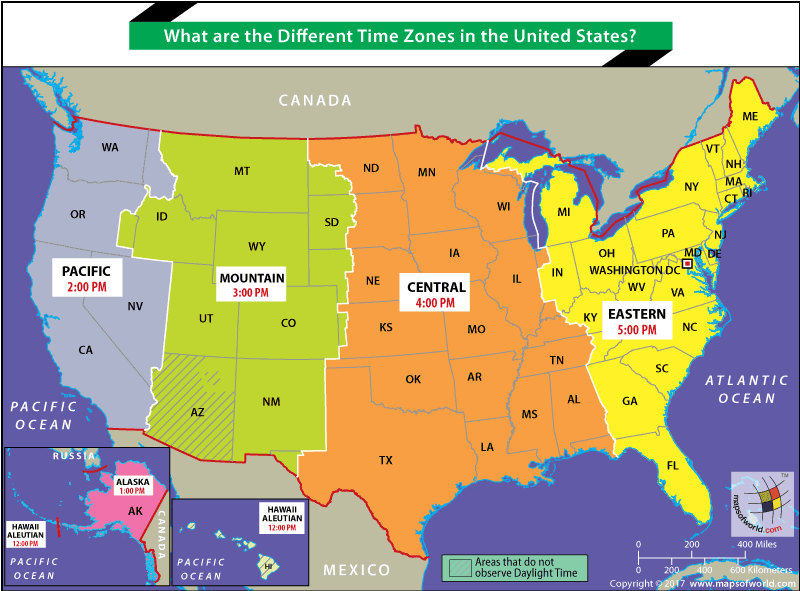
Yes, New Orleans is indeed located in the Central Time Zone (CT). This vibrant city, a jewel of Louisiana and the United States Gulf Coast, observes Central Standard Time (CST) during standard periods, which is six hours behind Coordinated Universal Time (UTC) or Greenwich Mean Time (GMT). During Daylight Saving Time, the city switches to Central Daylight Time (CDT), making it five hours behind UTC. For travelers planning a visit to the Crescent City, understanding its time zone is a fundamental aspect of seamless travel planning, ensuring timely arrivals, scheduled activities, and a smooth transition into the city’s unique rhythm. This article will delve into the practical implications of New Orleans’s time zone, explore its unparalleled attractions, discuss accommodation options, and offer essential travel tips for an unforgettable experience in this culturally rich destination.
Understanding Time Zones and Travel Planning for Your New Orleans Trip
For any traveler, especially those venturing across different regions or internationally, time zones are more than just a number on a clock; they dictate schedules, impact sleep patterns, and can even influence the initial perception of a destination. Knowing that New Orleans operates within the Central Time Zone is a crucial first step in preparing for your adventure.
The Central Time Zone Explained
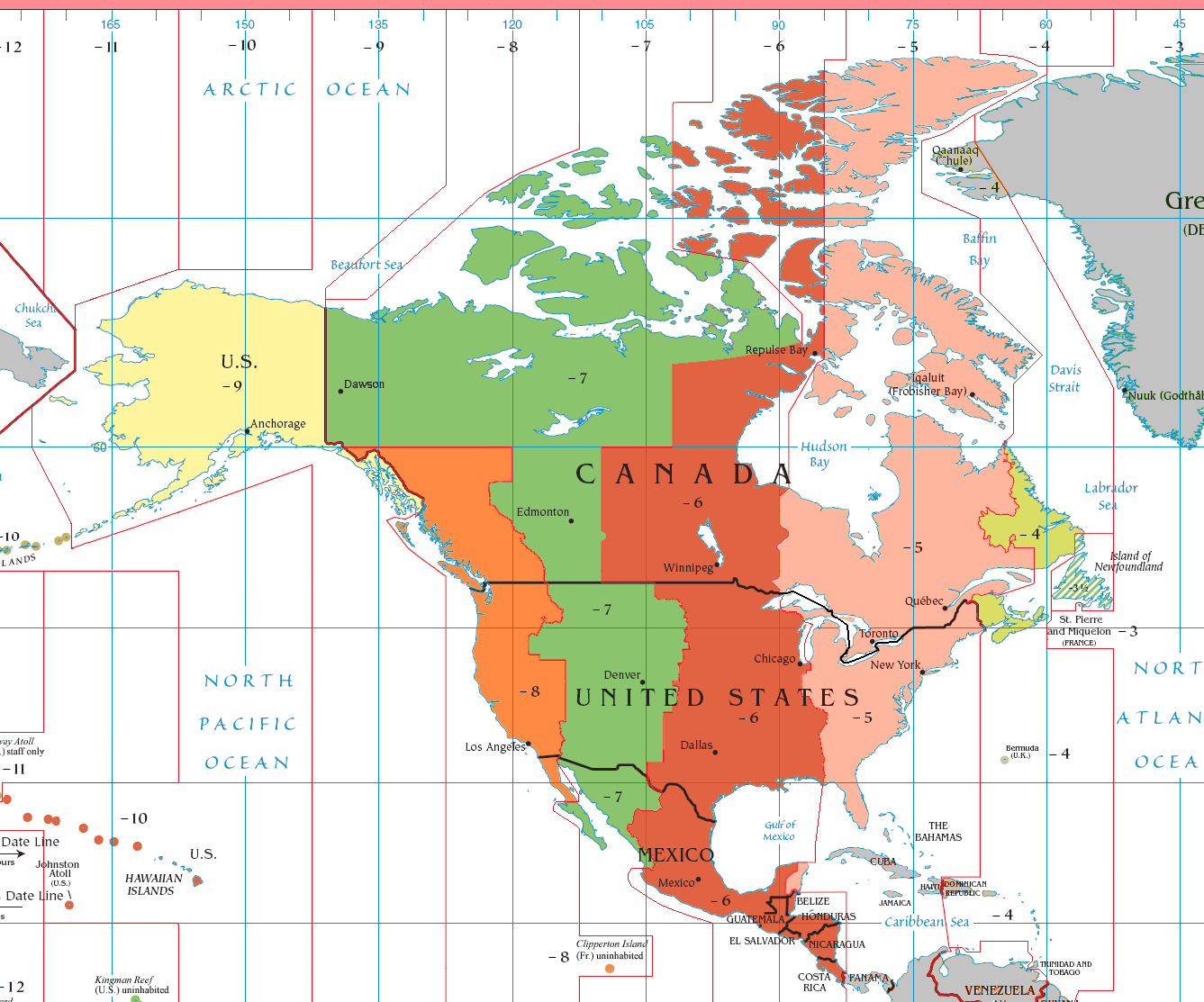
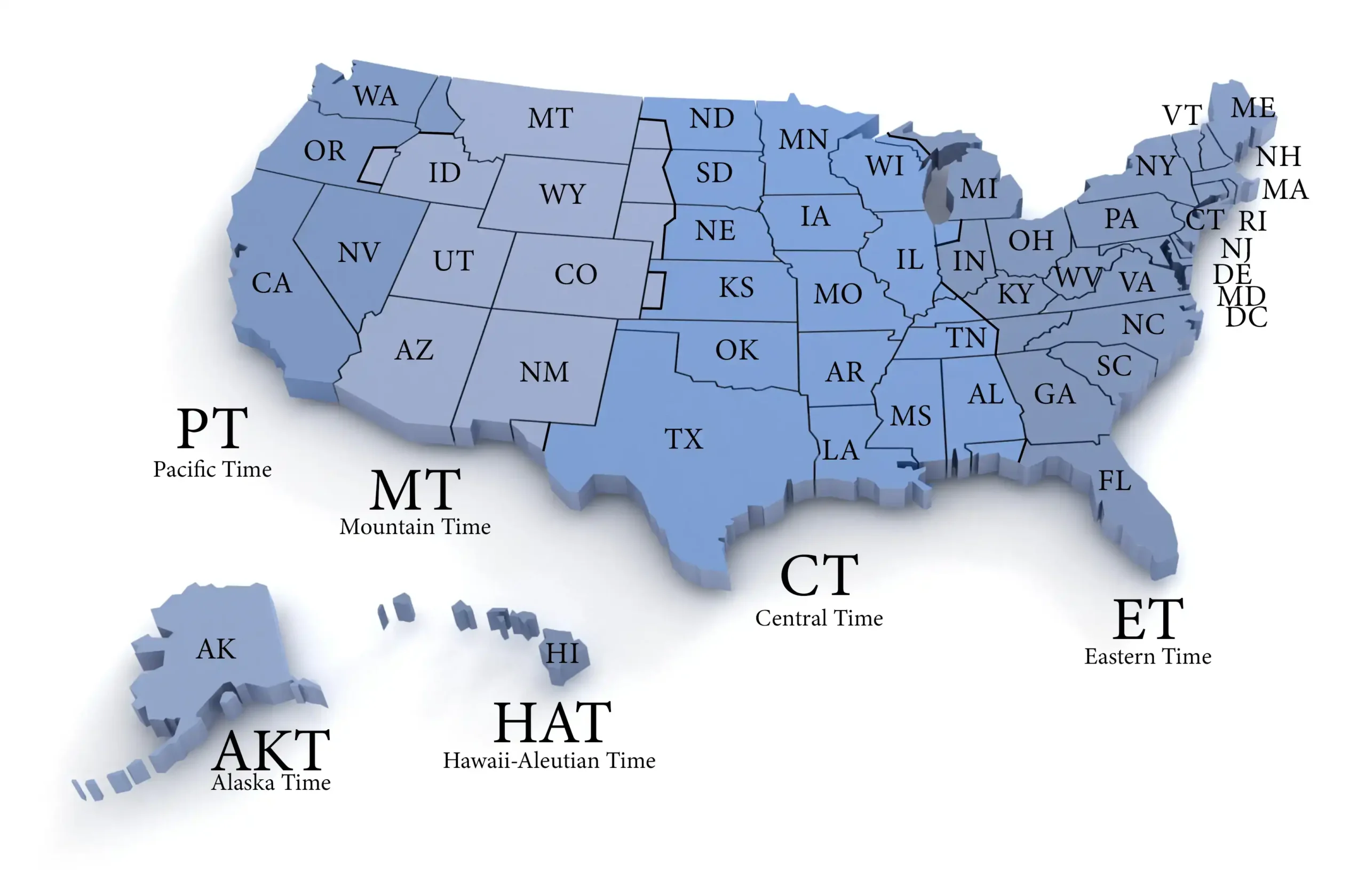
The Central Time Zone covers a vast area primarily in the central United States, Canada, Mexico, and parts of Central America. When New Orleans is observing CST, it is one hour behind the Eastern Time Zone (ET), one hour ahead of the Mountain Time Zone (MT), and two hours ahead of the Pacific Time Zone (PT). This position makes it relatively easy to adjust for travelers coming from neighboring time zones within the United States. However, international visitors or those from the extreme western or eastern parts of the United States might experience a more noticeable shift, requiring a bit more planning to mitigate jet lag. The seasonal shift to CDT means clocks move forward one hour in Spring and back one hour in Fall, a standard practice across much of the United States. Always double-check current local time, especially if your travel dates fall around the Daylight Saving Time transitions, to avoid missing flights or appointments.
Implications for Air Travel and Arrivals
Most travelers arrive in New Orleans via Louis Armstrong New Orleans International Airport (MSY). When booking air travel, all flight times will be displayed in local time, meaning your arrival time in New Orleans will be in CT. It’s crucial to factor in the time difference from your departure city when planning connections, informing hotels of your expected arrival, and arranging any immediate activities. For example, if you’re flying from New York City (ET), a flight departing at 9:00 AM ET and arriving three hours later would land at 11:00 AM CT, not 12:00 PM CT. This “extra” hour upon arrival can be a welcome bonus, allowing for a smoother check-in and an earlier start to exploring. Conversely, when departing, be mindful of the time difference if you have a connecting flight in a different time zone. Early consideration of time adjustments ensures a relaxed start to your vacation, minimizing stress and maximizing enjoyment from the moment you step off the plane.
Experiencing New Orleans: Beyond the Clock
Once you’ve aligned your internal clock with New Orleans’s Central Time Zone, the real adventure begins. This city, steeped in history and vibrant culture, offers an unparalleled array of experiences that cater to every type of traveler. From its iconic architecture to its world-renowned cuisine and soulful music, New Orleans is a destination that truly engages all the senses.
Iconic Landmarks and Neighborhoods
The heart of New Orleans is undoubtedly the French Quarter, a historic district famous for its colorful colonial buildings, intricate ironwork balconies, and lively atmosphere. A stroll through its narrow streets reveals architectural marvels and hidden courtyards. At its center lies Jackson Square, a historic park dominated by the majestic St. Louis Cathedral, the oldest continuously active cathedral in the United States. Here, you can watch street performers, admire local artists, and soak in the energy of the city. No visit to the square is complete without a stop at Café Du Monde for a taste of their famous beignets and café au lait. Just a short walk away, the mighty Mississippi River offers picturesque views and opportunities for steamboat cruises on the Steamboat Natchez. For those seeking a lively nightlife, Bourbon Street beckons with its neon lights, live music, and endless entertainment.
Beyond the French Quarter, the Garden District offers a different kind of charm with its grand antebellum mansions and lush gardens. Exploring this neighborhood is best done by a leisurely walk or, even better, a ride on one of New Orleans’ iconic streetcars. The historic St. Charles Avenue streetcar provides a scenic route through oak-lined streets, past historic homes, and leading to attractions like Audubon Park and the Audubon Zoo. Meanwhile, Magazine Street is a vibrant stretch known for its unique boutiques, art galleries, antique shops, and diverse restaurants, perfect for an afternoon of leisurely exploration and shopping. Another must-visit green space is New Orleans City Park, one of the largest urban parks in the United States, featuring ancient live oaks, the New Orleans Museum of Art, the Besthoff Sculpture Garden, and the whimsical Carousel Gardens Amusement Park.
Culinary Delights: A Foodie’s Paradise
New Orleans is undeniably a foodie’s paradise, celebrated for its distinctive Cajun and Creole cuisines. These culinary traditions, a delicious blend of French, Spanish, African, and Caribbean influences, have created a unique gastronomic landscape. Staples like gumbo, jambalaya, po’boys, and red beans and rice are must-try dishes found in eateries ranging from casual street stalls to world-class fine dining establishments. Iconic restaurants such as Commander’s Palace, Brennan’s, and Arnaud’s offer exquisite dining experiences, often accompanied by live jazz and impeccable service. Beyond the savory, don’t forget the sweet treats, including the aforementioned beignets, pralines, and bread pudding. The city’s beverage scene is equally legendary, with classic craft cocktails like the Sazerac and the Hurricane originating here. Participating in culinary tours or cooking classes can offer deeper insights into the city’s food culture, making your visit even more flavorful.
Music and Festivals: The Soul of the City
Music is the heartbeat of New Orleans, particularly jazz, which was born in its streets. The city pulses with live music emanating from countless music venues, bars, and even street corners. While Bourbon Street offers a high-energy experience, Frenchmen Street, just outside the French Quarter, is where locals go to hear authentic New Orleans jazz. Venues like The Spotted Cat Music Club and Blue Nile are legendary. For a truly historic experience, a visit to Preservation Hall offers intimate traditional jazz performances. The New Orleans Jazz Museum further celebrates the city’s profound musical heritage.
New Orleans is also renowned as the “Festival Capital of the World.” Its calendar is packed with vibrant celebrations throughout the year. The most famous, of course, is Mardi Gras, an extravagant carnival season culminating in spectacular parades, balls, and street parties. While Mardi Gras is a bucket-list experience, the city offers numerous other festivals, including the New Orleans Jazz & Heritage Festival (known simply as Jazz Fest), the French Quarter Festival, and the Voodoo Music + Arts Experience. Attending a festival provides an immersive glimpse into the city’s joyful spirit and deep cultural roots. These events, occurring at specific times of the year, are often planned far in advance, making time zone awareness essential for travelers.
Accommodation in the Crescent City
Choosing the right accommodation is paramount to enhancing your New Orleans experience. The city offers a diverse range of options, from opulent luxury resorts and charming boutique hotels to practical apartments and villas ideal for extended stays or family trips. Your choice will largely depend on your travel style, budget, and desired lifestyle during your visit.
From Luxury Resorts to Boutique Hotels
New Orleans boasts a collection of world-class hotels that blend historic charm with modern amenities. For a taste of classic Southern grandeur, establishments like The Roosevelt New Orleans, A Waldorf Astoria Hotel, Hotel Monteleone (home to the famous Carousel Bar), and The Ritz-Carlton, New Orleans offer lavish experiences with impeccable service, spa facilities, and fine dining. These luxury resorts often feature elegant architecture, spacious suites, and prime locations near major attractions, making them perfect for luxury travel or special occasions.
Alternatively, New Orleans is rich in unique boutique hotels that offer a more personalized and intimate stay. Properties like Hotel Provincial in the French Quarter or NOPSI Hotel, New Orleans, a beautifully restored former power and light company building, provide distinctive character, often with themed rooms, courtyards, and a deep sense of place. These hotels are excellent choices for travelers seeking local culture and charm, often at varying price points that can accommodate budget travel without sacrificing character.
Apartments and Villas for Extended Stays
For travelers planning longer visits, family trips, or those who prefer the comforts of home, apartments and villas are increasingly popular accommodation choices. Vacation rentals offer more space, often include kitchens, and can provide a more immersive local experience, especially when located in neighborhoods outside the main tourist hubs like the Bywater or Marigny. These options are particularly beneficial for extended stays, allowing guests to live like a local, explore at a leisurely pace, and potentially save on dining costs by preparing some meals at home. Websites specializing in accommodation booking offer numerous listings, from cozy studios to grand historic homes.
Booking Tips and Amenities to Look For
When making your accommodation booking, consider several key booking tips. Location is crucial: staying in or near the French Quarter offers immediate access to many attractions but can be pricier and noisier. Areas like the Central Business District (CBD) or Warehouse District provide excellent options, often a bit quieter with easy streetcar access to tourist hotspots. Always read reviews and use comparison websites to find the best deals. Pay attention to included amenities such as Wi-Fi, parking (which can be scarce and expensive), breakfast, pools (especially for warmer months), fitness centers, concierge services, and pet-friendly options if traveling with companions. Booking well in advance, particularly during festival seasons like Mardi Gras or Jazz Fest, is essential to secure desired availability and better rates. Many hotels offer packages that include local tours or dining credits, enhancing the overall value of your stay.
Navigating New Orleans: Tips for a Seamless Visit
Once your time zone adjustments are made and your accommodation is secured, the next step is to prepare for the logistics of navigating New Orleans. A well-planned itinerary, coupled with some insider local tips, can transform a good trip into an extraordinary one.
Getting Around: Public Transportation and Walkability
New Orleans is a remarkably walkable city, especially within the French Quarter and neighboring districts. Exploring on foot is often the best way to discover hidden gems, admire the architecture, and soak in the atmosphere. For longer distances or to experience a classic aspect of the city, the New Orleans Regional Transit Authority (RTA) operates an extensive system of streetcars and buses. The historic streetcar lines, particularly the St. Charles Avenue line, offer a charming and affordable way to travel between neighborhoods like the French Quarter, Central Business District, and Garden District. Passes can be purchased for single rides, day use, or multiple days, offering flexibility for tourists. Ride-sharing services and taxis are also readily available, providing convenient options for late-night travel or when venturing further afield. While having a car offers flexibility for day trips outside the city (e.g., to Baton Rouge), parking in popular areas can be challenging and expensive, so relying on public transportation or walkability is often recommended for city exploration.
Best Time to Visit
The best time to visit New Orleans largely depends on your preferences and what you want to experience. Generally, the Spring (March to May) and Fall (October to November) offer the most pleasant weather, with comfortable temperatures and lower humidity. This is also peak festival season, particularly in Spring with Jazz Fest and the French Quarter Festival. While these months offer ideal conditions and a vibrant atmosphere, they also bring higher accommodation prices and larger crowds.
Winter (December to February) can be a delightful time to visit, especially if you’re interested in Mardi Gras (which usually falls in February or early March). Temperatures are cooler, and the festive spirit is palpable. However, avoid Mardi Gras week itself if you’re not planning to participate, as prices skyrocket and crowds are immense. Summer (June to September) is typically hot and humid, with the added risk of hurricane season. While fewer tourists mean lower prices, the intense heat can make outdoor exploration challenging. Regardless of when you visit, always check the local weather forecast and pack accordingly.
Cultural Etiquette and Local Tips
New Orleans is a city with a unique blend of cultures and a relaxed pace. Embracing the local rhythm and displaying a bit of cultural etiquette will enhance your experience. People here are generally friendly and open; a simple “hello” or “good morning” goes a long way. Support local artists and musicians, especially those performing on the street; a small tip is always appreciated. When dining, tipping 15-20% is customary for good service.
Some local tips to consider include venturing beyond the French Quarter to explore neighborhoods like the Garden District, Marigny, or the Bywater for different vibes and local haunts. Consider taking a swamp tour or plantation tour for a glimpse into Louisiana’s natural beauty and complex history. Voodoo and ghost tours offer an intriguing, albeit spooky, dive into the city’s supernatural folklore. Always be aware of your surroundings, especially at night, and safeguard your valuables. Stay hydrated, particularly during warmer months, and wear comfortable shoes, as you’ll be doing a lot of walking. Most importantly, allow yourself to get lost occasionally; some of the best discoveries in New Orleans happen unexpectedly down a quaint alley or in a hidden courtyard.
Making the Most of Your Central Time Zone Adventure
In conclusion, understanding that New Orleans is firmly in the Central Time Zone is a practical cornerstone for any visitor. This knowledge facilitates smooth travel planning, from coordinating flights and hotel check-ins to scheduling tours and dinner reservations. Beyond the practicalities of the clock, New Orleans offers an immersive journey into a vibrant culture, rich history, and unforgettable experiences.
Whether you’re savoring Creole delicacies, swaying to live jazz on Frenchmen Street, or admiring the architectural grandeur of the Garden District, every moment in the Crescent City is designed to captivate. With a wide array of accommodation options ranging from luxurious hotels to charming vacation rentals, there’s a perfect base for every lifestyle and budget. By combining efficient travel planning with an open heart ready to embrace the local charm, your adventure in New Orleans will be nothing short of magical. So set your watch to CT, pack your bags, and prepare to be enchanted by the soulful spirit of one of America’s most unique and beloved cities.
LifeOutOfTheBox is a participant in the Amazon Services LLC Associates Program, an affiliate advertising program designed to provide a means for sites to earn advertising fees by advertising and linking to Amazon.com. Amazon, the Amazon logo, AmazonSupply, and the AmazonSupply logo are trademarks of Amazon.com, Inc. or its affiliates. As an Amazon Associate we earn affiliate commissions from qualifying purchases.