
When travelers set their sights on New Orleans, they often arrive with a set of expectations defined by the city’s vibrant, slightly eccentric, and undeniably colorful reputation. Nestled in the heart of Louisiana, a state often classified as deeply conservative, the city itself stands as a stark, fascinating outlier. Understanding the political and social pulse of the “Big Easy” requires looking beyond binary labels, as this is a place where history, tradition, and progressive spontaneity converge in a way seen nowhere else in the United States.
The Political Geography of the Big Easy
To categorize New Orleans simply as “liberal” or “conservative” is to misunderstand the very soul of the city. In a strictly electoral sense, the city is a reliable blue stronghold in a sea of red. Residents here consistently vote for Democratic candidates and champion social policies that mirror those of major urban centers across the country. However, this political lean is deeply rooted in the specific struggles and triumphs of the local population.
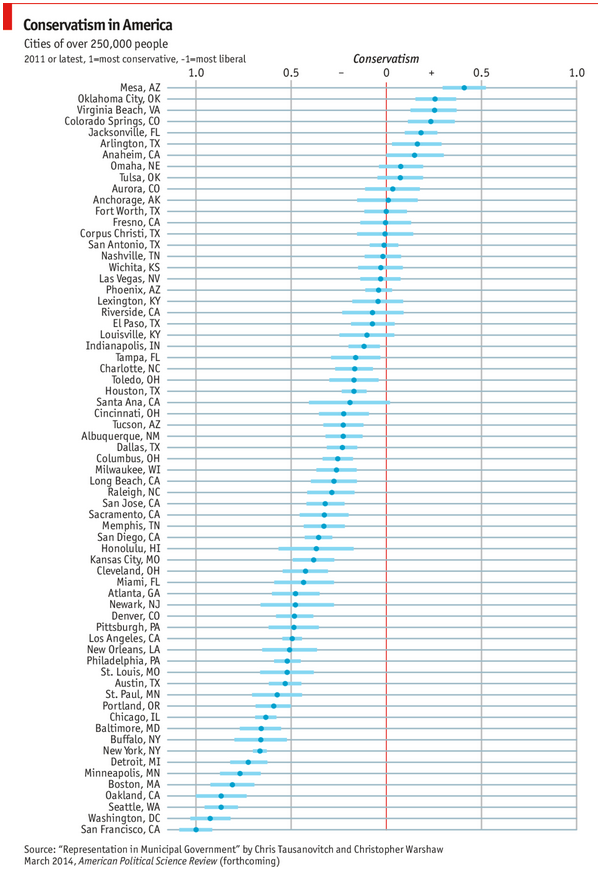
A Blue Island in a Red State
The contrast between New Orleans and the remainder of Louisiana is profound. While the state legislature often pushes forward with conservative mandates, New Orleans acts as a progressive incubator. Issues regarding civil rights, LGBTQ+ advocacy, and social safety nets are prioritized in the French Quarter and the Garden District in ways that rarely gain traction in the rural parishes surrounding the city.
The Influence of History on Civic Identity
The liberal tilt of the city is not a modern trend but a byproduct of its diverse, multicultural history. Unlike other Southern cities that were shaped entirely by the planter class, New Orleans was built on the intersection of French, Spanish, African, and Caribbean influences. This historical melting pot created a society that, while certainly not immune to systemic prejudice, developed a communal tradition of inclusion and celebration that defies standard partisan classification.
Cultural Nuances: Where Tradition Meets Modernity
If politics in New Orleans lean left, the city’s cultural heart is defined by a deep-seated respect for tradition—a trait often associated with the conservative mindset. This duality is what makes the city so paradoxical and attractive to visitors.
The Preservation of Heritage
In New Orleans, “conserving” isn’t a political act; it’s a way of life. The meticulous preservation of the St. Louis Cathedral and the ornate Creole architecture throughout the city reflects a conservative desire to maintain the past. Residents are fiercely protective of their music, their culinary traditions, and their neighborhood social clubs. The Second Line parades, for instance, are deeply traditional, requiring a level of community commitment and ritualistic adherence that would impress any traditionalist.

Progressive Social Movements
Conversely, this same community is the birthplace of movements that push the envelope of American social norms. From the inclusive spirit of Mardi Gras to the avant-garde art scenes thriving on Frenchmen Street, the city embraces change. It is a place where individual expression is not just tolerated; it is expected. This creates a “live and let live” atmosphere that appeals to those who define themselves as liberal, while also satisfying the traditionalists who value the continuity of the city’s unique, hedonistic spirit.
The Tourism Perspective: Why the Label Doesn’t Matter
For the millions of visitors who flock to Jackson Square or dine at Commander’s Palace each year, the question of whether the city is liberal or conservative is largely irrelevant. What matters is the hospitality and the immersive experience.
A Haven for Individualism
Visitors from across the political spectrum find common ground in New Orleans. The city’s culture of indulgence—from the Beignets at Cafe Du Monde to the jazz clubs of Bourbon Street—provides a shared experience that transcends ideology. Whether you identify with the progressivism of a modern metropolis or the traditionalism of a historical town, the city manages to cater to both by focusing on the individual’s right to enjoy life to its fullest.
Shared Community Values
There is a fundamental “New Orleanian” value system that overrides political affiliation. It is a value system built on resilience, particularly in the aftermath of Hurricane Katrina. When the city faced near-total destruction, the recovery effort was a collaborative endeavor that drew from the strengths of every demographic. The neighbors helping neighbors—regardless of their voting record—was a testament to a civic duty that is neither inherently liberal nor conservative, but profoundly human.
Navigating the Dichotomy as a Traveler
If you are planning a trip to Louisiana, it is helpful to appreciate that New Orleans is a place where contradictions are not problems to be solved, but layers to be peeled back and enjoyed.
Engaging with the Community
When exploring neighborhoods like the Bywater or the Marigny, notice how the residents interact. You will find art-centric spaces that advocate for social justice side-by-side with century-old bars where regulars have sat on the same stools for decades. This blend is the hallmark of the city. As a tourist, you can partake in the progressive nightlife while simultaneously admiring the deep, conservative commitment to maintaining the city’s historic integrity.

The Conclusion of the Debate
Is New Orleans liberal or conservative? The answer is that it is both, and it is neither. It is a city that rejects easy categorization because it is too busy living. It is a place that holds its history close to its chest while constantly dreaming of what tomorrow might bring. For the curious traveler, this makes New Orleans one of the most compelling destinations in the United States.
When you wander through City Park or listen to the brass bands playing in the streets, you aren’t listening to a political manifesto. You are listening to the sound of a city that has mastered the art of being its own kind of entity. Whether you lean left or right, you will find yourself reflected in the diversity of the city’s experiences, and perhaps, you will leave with a greater appreciation for the idea that a place as complex as New Orleans is best understood through its spirit, its food, and its people, rather than through the lens of a ballot box.
LifeOutOfTheBox is a participant in the Amazon Services LLC Associates Program, an affiliate advertising program designed to provide a means for sites to earn advertising fees by advertising and linking to Amazon.com. Amazon, the Amazon logo, AmazonSupply, and the AmazonSupply logo are trademarks of Amazon.com, Inc. or its affiliates. As an Amazon Associate we earn affiliate commissions from qualifying purchases.