
The concept of a “compact state” in nursing refers to an agreement among states that allows a licensed nurse to practice in any other member state without needing to obtain a separate license in each one. This significantly streamlines the process for nurses looking to relocate or travel for work. The question of whether New York is a compact nursing state is of considerable interest to nurses across the nation, impacting their career mobility and the healthcare landscape within the state.
Understanding the Nurse Licensure Compact (NLC)
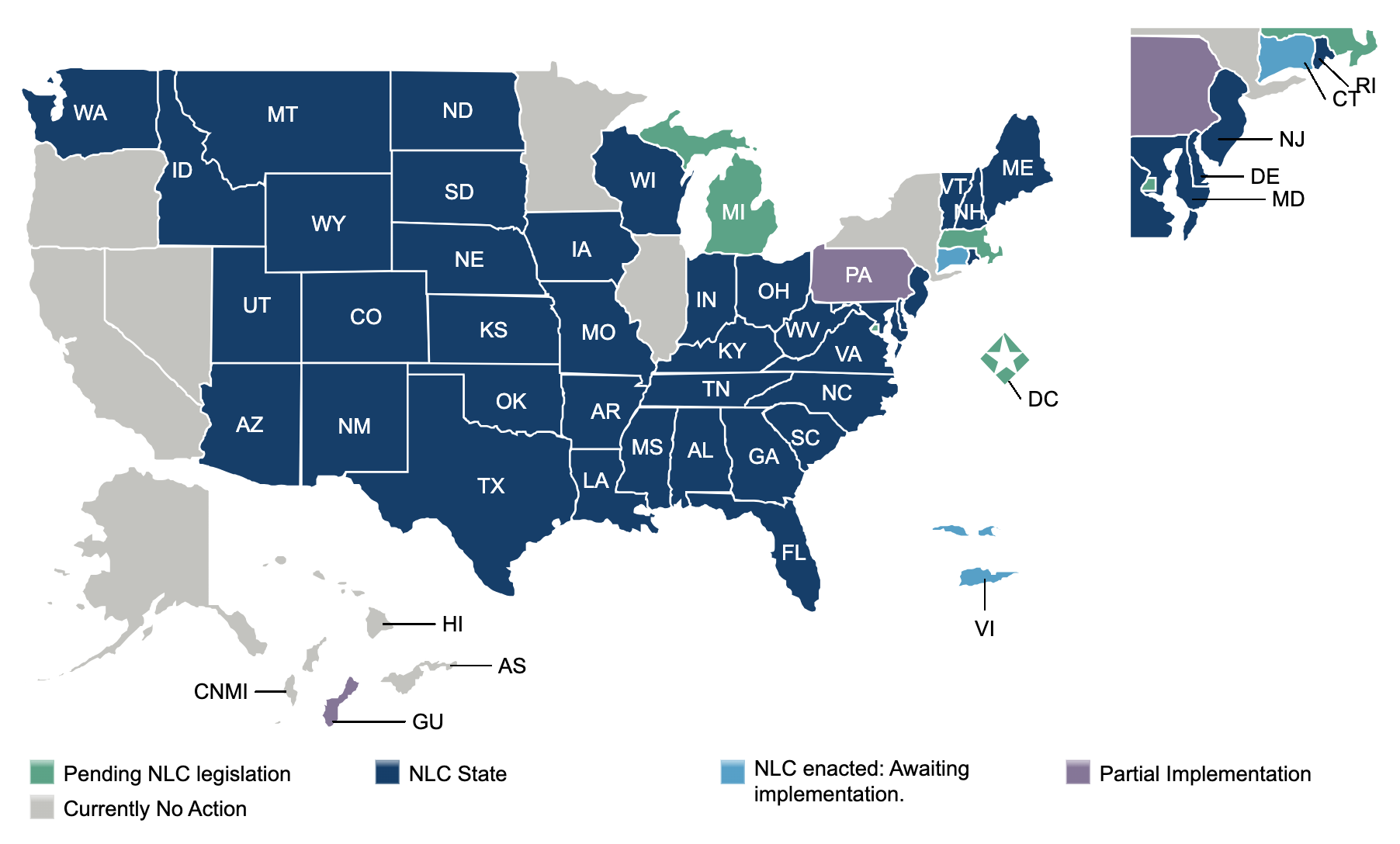
The Nurse Licensure Compact (NLC) is an interstate agreement that establishes a framework for licensure and regulation of nurses. Under the NLC, a nurse who obtains a multistate license from their primary state of residence is automatically authorized to practice in any other NLC member state, provided they meet that state’s specific requirements. This “one license, one nurse” model simplifies the process and ensures a consistent standard of practice across participating jurisdictions.
Key Features of the NLC
- Multistate License: Nurses are issued a single license with multistate privileges if they reside in an NLC member state. This license allows them to practice in any other NLC state.
- Primary State of Residence: A nurse’s primary state of residence is the state where they hold a driver’s license, pay taxes, or have a voting residence. This determines which state issues their multistate license.
- Uniform Requirements: All NLC member states adhere to uniform licensing requirements, ensuring a baseline level of competency and accountability for nurses practicing within the compact.
- Disciplinary Action: The NLC facilitates the sharing of disciplinary information among member states. If a nurse’s license is disciplined in one NLC state, that action is generally recognized and enforceable in all other NLC states.
New York’s Stance on the NLC
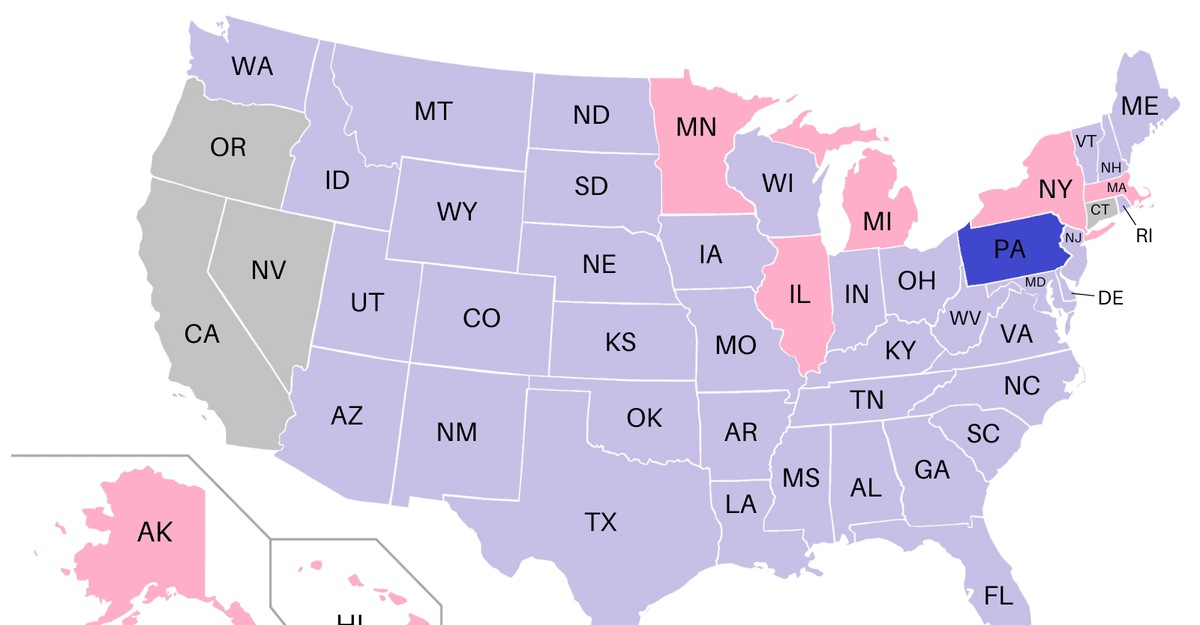
As of the most recent updates, New York is not a party to the Nurse Licensure Compact (NLC). This means that nurses who wish to practice in New York and hold a multistate license from another NLC state must still apply for and obtain a separate New York nursing license. Similarly, nurses licensed in New York cannot automatically practice in other NLC states without obtaining a multistate license from a state where they have established primary residence.
Implications for Nurses in New York
The absence of New York from the NLC has several significant implications for nurses:
- Licensure Process: Nurses seeking to practice in New York must navigate the state’s specific licensure requirements. This typically involves submitting an application, paying fees, undergoing background checks, and potentially meeting additional educational or examination prerequisites. The process can be time-consuming and may involve delays.
- Career Mobility: For nurses who wish to work in New York on a temporary or permanent basis, the lack of compact status adds a layer of complexity. Travel nurses or those looking to relocate may find the licensing process a barrier or a significant hurdle to overcome.
- Healthcare Staffing: The inability for nurses to easily move between New York and other NLC states can impact healthcare staffing. During times of critical need or during emergencies, the licensing barrier could impede the rapid deployment of nursing personnel. Conversely, New York nurses looking to work in compact states may also face similar challenges.
- Economic Impact: The financial and time costs associated with obtaining a new license can deter some nurses from practicing in New York. This could, in turn, affect the availability of qualified nursing professionals in certain areas or specialties.
Why Might New York Not Join the NLC?
There are several potential reasons why New York has not yet joined the NLC:
- Regulatory Concerns: State boards of nursing often have specific regulations and standards they wish to maintain. Joining a compact might require adjustments to these existing frameworks, which some states may find challenging or undesirable. New York may have unique regulatory considerations related to nursing education, scope of practice, or disciplinary procedures.
- Legislative Processes: Becoming a member of the NLC requires legislative action. This process can be lengthy and complex, involving advocacy, debate, and voting by state legislators. Various stakeholders, including nursing organizations, hospitals, and other healthcare providers, may have differing opinions on joining the compact, influencing the legislative outcome.
- State-Specific Interests: Each state has its own unique healthcare needs and workforce dynamics. New York, being a large and diverse state with a substantial healthcare system, might have particular interests it wishes to protect or promote through its own licensing authority.
- Administrative Burden: While the NLC aims to simplify licensing, the initial transition and ongoing administration of compact membership can involve administrative adjustments for the state board of nursing.
The Path Forward for New York and the NLC
The discussion around New York joining the NLC has been ongoing for years. Many advocates, including nursing professionals and healthcare organizations, believe that becoming a compact state would significantly benefit the state’s healthcare system and nursing workforce.
Arguments for New York Joining the NLC
- Enhanced Workforce Flexibility: Joining the NLC would make it easier for nurses to move to and from New York, addressing potential staffing shortages, particularly in underserved areas or during public health crises. It would also provide New York nurses with greater opportunities to work in other states without the burden of multiple licenses.
- Economic Benefits: Increased nurse mobility could lead to more efficient allocation of healthcare resources, potentially reducing costs and improving patient access to care. It could also make New York a more attractive destination for travel nurses.
- Streamlined Processes: For nurses who are already licensed in an NLC state and wish to practice in New York, the current process can be a significant deterrent. Compact membership would streamline this, encouraging more qualified professionals to consider working in the state.
- Interstate Collaboration: The NLC fosters greater collaboration and information sharing among state boards of nursing, leading to more consistent and effective regulation of the nursing profession across the country.
Potential Challenges and Considerations
Despite the clear benefits, the path to New York joining the NLC is not without its challenges:
- Legislative Hurdles: As mentioned, securing legislative approval is a significant undertaking. Opposition from certain groups or concerns about the impact on existing state regulations could stall the process.
- Cost and Resources: There are initial costs associated with joining the compact, including fees and the potential need for updated technological infrastructure and staff training for the New York State Board of Nursing.
- Public Perception and Awareness: Educating the public, healthcare professionals, and policymakers about the benefits of the NLC is crucial for building support and moving the legislative agenda forward.

Conclusion
Currently, New York is not a compact nursing state. This means that nurses seeking to practice within the state must obtain a separate New York nursing license, regardless of their licensure status in other states. While this presents challenges for nurse mobility and staffing, the ongoing dialogue and advocacy surrounding New York‘s potential entry into the Nurse Licensure Compact (NLC) suggest that the situation may evolve. The benefits of increased workforce flexibility, economic advantages, and streamlined licensing processes continue to be strong arguments in favor of New York becoming a member of this vital interstate agreement, ultimately aiming to strengthen the healthcare infrastructure for both providers and patients across the Empire State.
LifeOutOfTheBox is a participant in the Amazon Services LLC Associates Program, an affiliate advertising program designed to provide a means for sites to earn advertising fees by advertising and linking to Amazon.com. Amazon, the Amazon logo, AmazonSupply, and the AmazonSupply logo are trademarks of Amazon.com, Inc. or its affiliates. As an Amazon Associate we earn affiliate commissions from qualifying purchases.