
The question of whether New York is a dirty city is one that often surfaces in conversations about visiting or living in this iconic metropolis. It’s a complex query, one that evokes visceral images for some and dismissive waves for others. The reality, as with most large, bustling urban centers, is nuanced. To definitively label New York as “dirty” or “clean” oversimplifies the intricate tapestry of its existence, failing to account for the sheer scale of its operations, the diversity of its neighborhoods, and the constant efforts to maintain its livability. This exploration delves into the various facets that contribute to perceptions of cleanliness, from the visible realities on its streets to the underlying infrastructure and the human element that shapes its urban environment.
The Visible Landscape: Streets, Sidewalks, and Sanitation
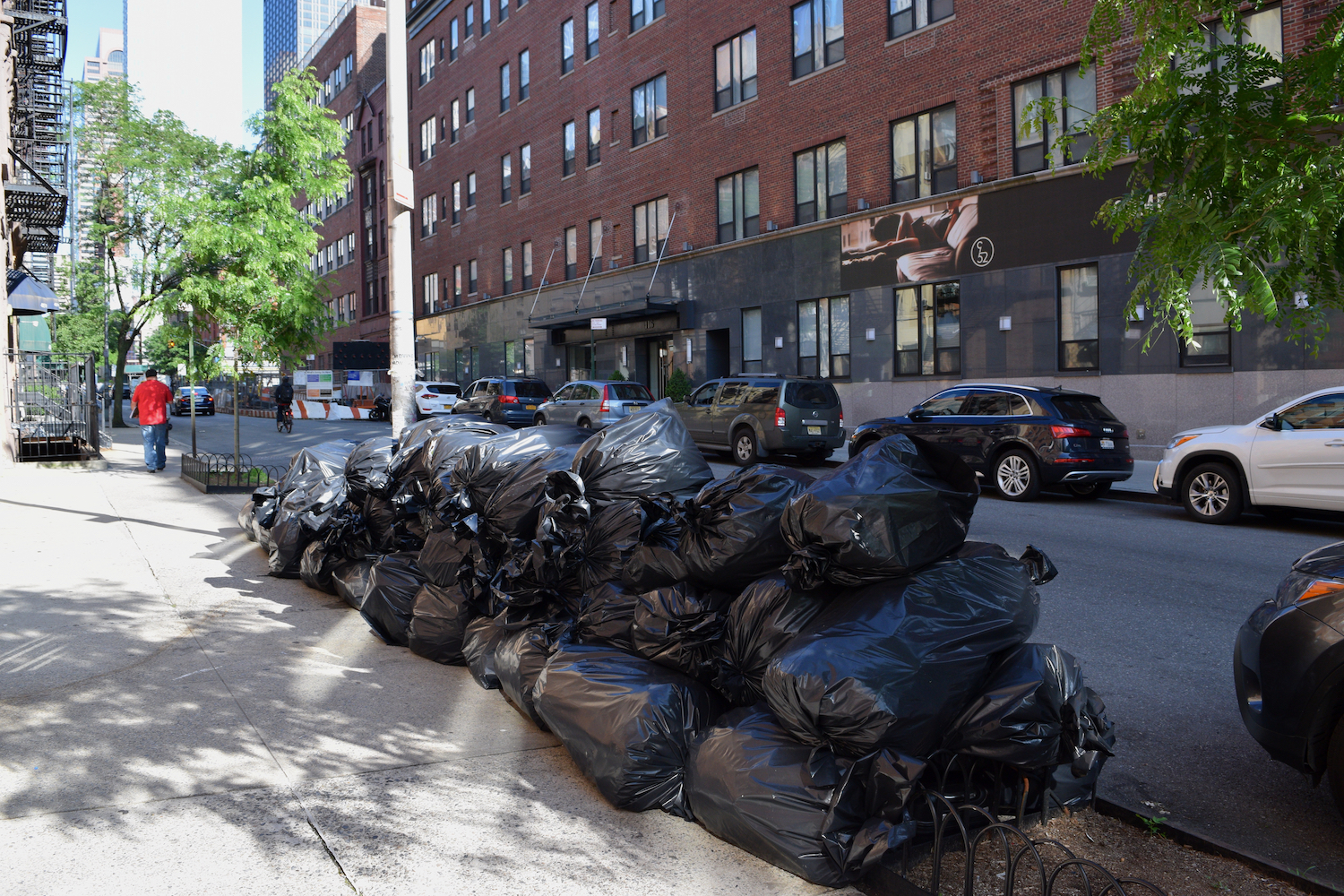
The most immediate and palpable aspect of any city’s perceived cleanliness lies in its street-level presentation. New York, particularly areas like Times Square and the subway system, can present a challenging visual. Litter, overflowing bins, and the general detritus of millions of people living and moving through space are undeniable.
Litter and Waste Management
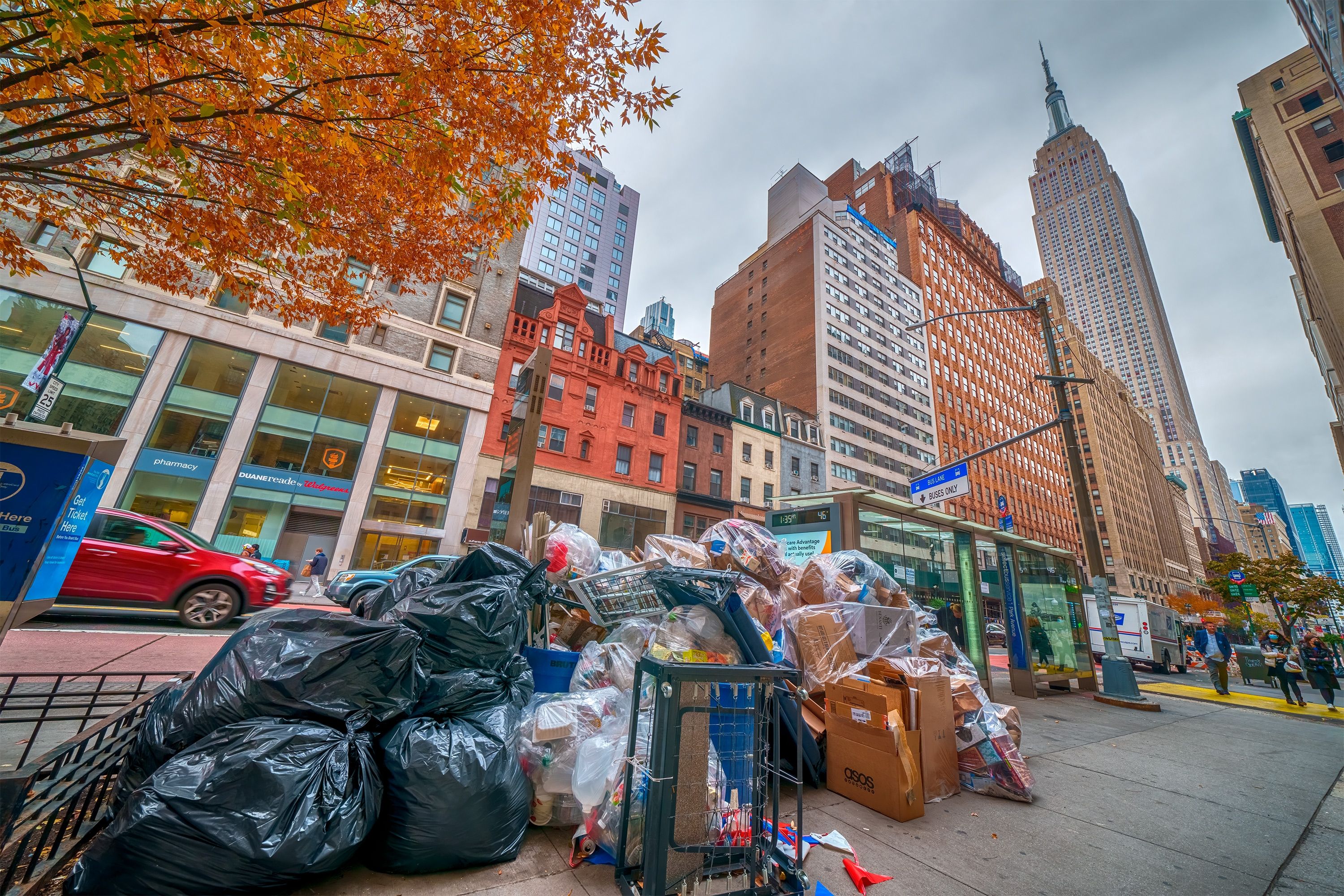
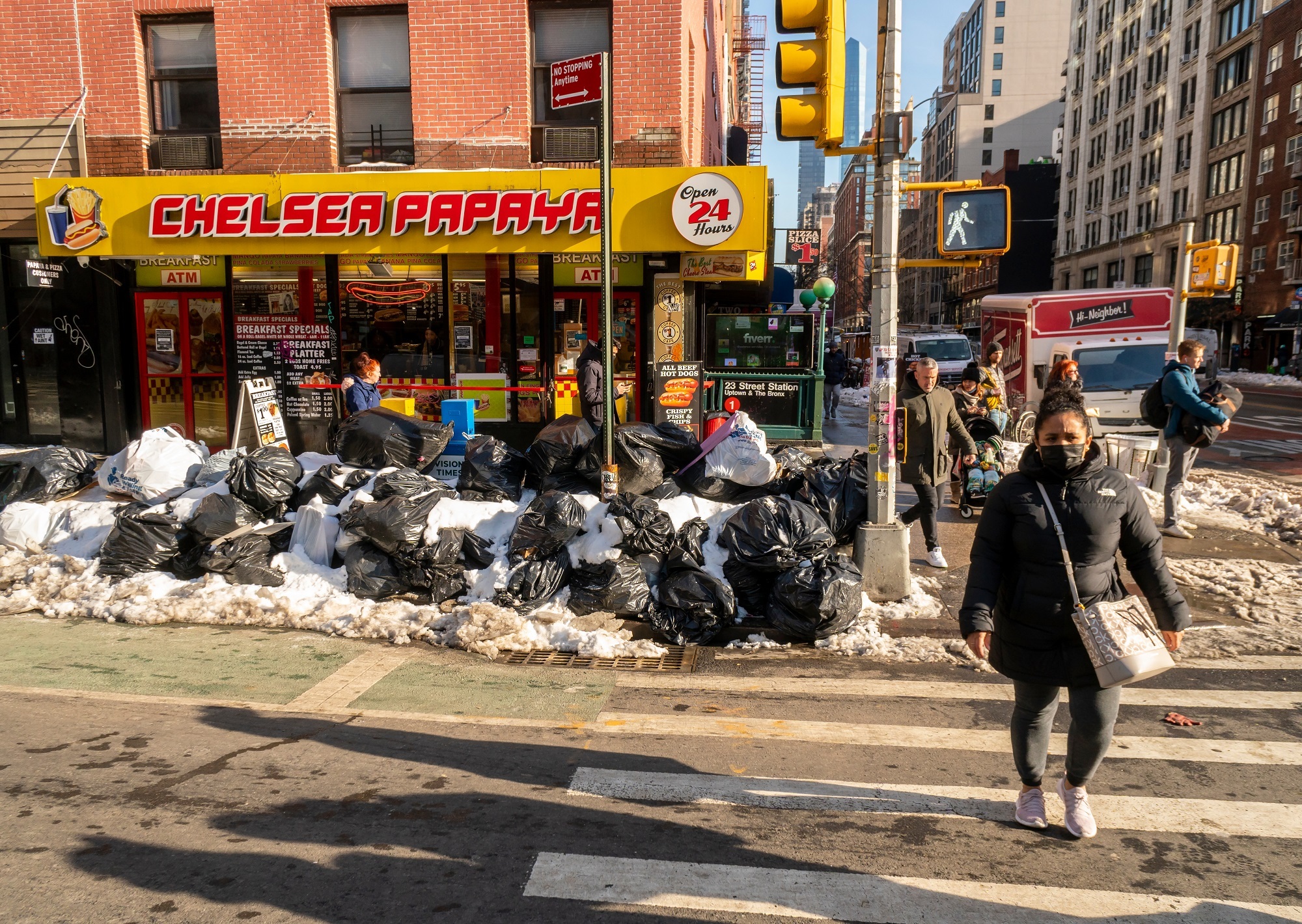
The sheer volume of people and activity in New York naturally generates a significant amount of waste. From discarded food wrappers and coffee cups to general refuse, the streets are a constant battleground against visible pollution. While the city’s Department of Sanitation works tirelessly, the scale of the challenge is immense. Public trash cans, though present, are frequently overwhelmed, leading to overflow and scattered debris. This is particularly evident in high-traffic tourist areas and during peak hours. The effectiveness of waste management can also vary significantly between boroughs and neighborhoods, with some areas experiencing more consistent and proactive cleaning efforts than others.
Graffiti and Vandalism
Graffiti and vandalism are another aspect that can contribute to a perception of urban decay. While some graffiti can be artistic and even celebrated, widespread tagging and defacement of public and private property can create an environment that feels less cared for and potentially more “dirty.” The city has implemented various anti-graffiti initiatives, but it remains a persistent issue that requires ongoing attention and resources. The visual impact of spray-painted walls and vandalized public amenities can unfortunately overshadow other efforts to maintain aesthetic appeal.
Urban Wildlife and Pests
Urban environments, by their nature, attract wildlife. In New York, this often includes pigeons, rats, and other creatures that can contribute to a less-than-pristine appearance. While these animals are a natural part of the ecosystem, their presence, particularly rats, can raise hygiene concerns for residents and visitors alike. Effective pest control is a continuous endeavor for the city, with various strategies employed to manage populations and mitigate potential health risks. The visibility of these animals, especially in areas where food is consumed or discarded, can significantly influence perceptions of cleanliness.
Beneath the Surface: Infrastructure and Public Health
Beyond the immediate visual cues, the perceived cleanliness of a city is also influenced by its underlying infrastructure and the public health measures in place. New York boasts a complex and aging infrastructure, a testament to its long history.
Public Transportation Sanitation
The New York City Subway system, a lifeline for millions, is often a focal point for discussions about cleanliness. While train cars and stations are cleaned regularly, the sheer volume of daily use, coupled with occasional incidents, can lead to visible grime. The presence of litter, lingering odors, and sometimes graffiti within the subway cars and on station platforms are common complaints. However, it’s important to acknowledge the immense logistical challenge of maintaining cleanliness in such a vast and continuously operating transit network. The Metropolitan Transportation Authority (MTA) invests significant resources in cleaning and maintenance, but the scale of the system makes achieving a consistently spotless environment a monumental task.
Water Quality and Public Spaces
New York generally boasts excellent tap water quality, a significant achievement for a city of its size. The city’s reservoirs in the Catskill Mountains provide a remarkably pure water supply, often requiring minimal treatment. Public parks, such as Central Park and Prospect Park, are generally well-maintained and offer respites of greenery amidst the urban sprawl. While litter can be an issue in these spaces, park maintenance crews work to keep them tidy, and the overall experience is often one of well-kept public oases. The city’s commitment to green spaces and the quality of its drinking water are strong indicators of its dedication to public health and environmental well-being.
Modernization and Investment in Cleanliness
In recent years, there has been a renewed focus on improving the city’s cleanliness. Initiatives such as increased street cleaning schedules, more frequent trash pickups, and efforts to combat rodent populations have been implemented. The city government understands that cleanliness directly impacts resident quality of life, tourism, and economic vitality. Investments in modern sanitation equipment, public awareness campaigns about proper waste disposal, and partnerships with community groups all contribute to an ongoing effort to elevate the city’s hygienic standards. The perception of “dirty” is often a moving target, and ongoing investments signal a commitment to improvement.
The Human Element: Perceptions, Behaviors, and Culture
Ultimately, the perception of a city’s cleanliness is a subjective experience deeply intertwined with human behavior, individual expectations, and the prevailing urban culture.
Tourist vs. Resident Perspectives
Tourists, often experiencing New York for the first time, may have heightened sensitivities to visible litter or the bustling, sometimes chaotic, nature of certain areas. Their expectations might be shaped by media portrayals or comparisons to their home cities. Residents, on the other hand, may develop a higher tolerance for certain urban realities, having lived with them for an extended period. They might also have a deeper appreciation for the city’s many clean and well-maintained areas that are often overlooked by visitors.
The “Gritty Charm” Phenomenon
Many argue that a certain level of “grittiness” is an intrinsic part of New York’s character and charm. This perspective suggests that the city’s vibrant energy, its diverse street life, and its unpolished edges contribute to its unique appeal. From this viewpoint, striving for an overly sterile environment could detract from the very qualities that make New York so compelling. The raw, unfiltered nature of the city is, for many, part of its allure, a stark contrast to more sanitized urban landscapes.
Individual Responsibility and Community Pride
The cleanliness of any city is also a reflection of the collective behavior of its inhabitants. While city services play a crucial role, individual responsibility – not littering, disposing of waste properly, and participating in community clean-up efforts – significantly contributes to the overall environment. A strong sense of community pride can motivate residents to take ownership of their neighborhoods and contribute to a cleaner, more pleasant living space. Many New Yorkers actively engage in efforts to beautify their surroundings, demonstrating a deep care for their city.
In conclusion, the question of whether New York is a dirty city is not one with a simple yes or no answer. It is a dynamic metropolis where the constant ebb and flow of millions of people, coupled with the challenges of maintaining vast infrastructure, create a complex reality. While visible signs of litter and wear can be present, particularly in high-traffic areas, these are often counterbalanced by the city’s robust sanitation efforts, well-maintained public spaces, and the inherent resilience and vibrancy that define its unique character. The perception of “dirty” is subjective, influenced by individual experiences and expectations. For many, the very grit and energy that some associate with “dirtiness” are precisely what make New York such an unforgettable and beloved global destination. The city is a work in progress, with ongoing efforts to balance its immense scale and diversity with the pursuit of a cleaner, healthier, and more enjoyable urban experience for all.
LifeOutOfTheBox is a participant in the Amazon Services LLC Associates Program, an affiliate advertising program designed to provide a means for sites to earn advertising fees by advertising and linking to Amazon.com. Amazon, the Amazon logo, AmazonSupply, and the AmazonSupply logo are trademarks of Amazon.com, Inc. or its affiliates. As an Amazon Associate we earn affiliate commissions from qualifying purchases.