
Embarking on a journey to the diverse and vibrant landscapes of New York promises an unforgettable experience. From the iconic skyscrapers of New York City to the serene beauty of the Adirondack Mountains and the picturesque Finger Lakes region, this state offers a tapestry of attractions for every traveler. Whether you’re planning a luxury travel escapade, a budget travel adventure, a memorable family trip, or a crucial business stay, understanding the local nuances is key to a smooth and enjoyable visit. One such nuance, often overlooked but increasingly relevant in our digitally connected world, pertains to privacy and the recording of conversations: Is New York a one-party consent state?
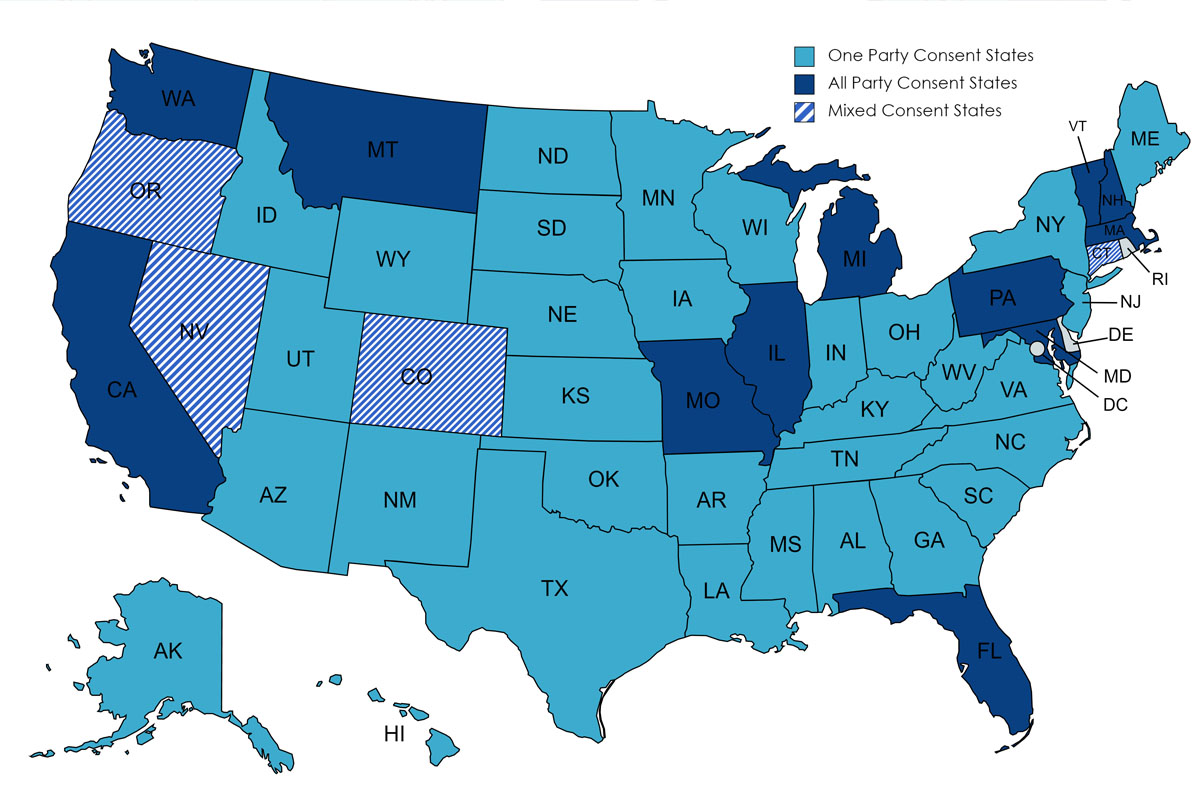
While this question might seem more aligned with legal discourse than tourism, its implications are highly significant for anyone traveling through the state. From documenting your interactions with service providers at hotels and resorts, to capturing candid moments on a food tour, or simply navigating public spaces like Times Square or Central Park, knowing your rights and responsibilities regarding audio and video recording is essential. This comprehensive guide will delve into New York’s consent laws, offering practical tips for travelers to ensure a respectful, informed, and hassle-free journey across one of the United States’ most visited destinations.
Understanding Consent Laws in New York for Travelers
The question of whether New York is a one-party consent state primarily concerns the legality of recording private conversations. This aspect of law can have surprising relevance for travelers, influencing everything from how you interact with service staff to how you capture and share your vacation memories.
The Legal Landscape: What “One-Party Consent” Means
In the context of recording conversations, “one-party consent” means that only one person involved in a conversation needs to consent to its recording for it to be legal. This differs from “two-party” or “all-party” consent states, where everyone involved must agree to be recorded.
For audio recordings, New York is indeed a one-party consent state. This means that if you are a participant in a conversation, you can legally record it without informing or getting permission from the other parties involved. This applies whether the conversation is in-person or over the phone. However, it’s crucial to understand that this law typically applies when you are part of the conversation. If you are not a party to the conversation, recording it without the consent of at least one participant could be illegal. Furthermore, the intent behind the recording matters; using a recording for malicious purposes or to commit a crime can lead to legal repercussions, regardless of consent laws.
When it comes to video recording, the situation is often different and generally more permissive, especially in public spaces. In New York, there is generally no expectation of privacy in public areas. This means you are typically free to video record anything and anyone in plain view in public spaces without their consent. However, this general rule has important caveats, particularly regarding audio. While you can film someone in Times Square without their consent, if your video recording also captures their private conversation, the one-party consent rule for audio might still apply. This distinction between visual and audio recording is vital for travelers to grasp.
Recording in Public vs. Private Spaces
The distinction between public and private spaces is paramount when considering recording laws, and it significantly impacts how travelers can document their journey through New York.
Public Spaces: New York is renowned for its bustling public areas, from the iconic sidewalks of Manhattan and the vibrant atmosphere of Broadway to the serene paths of Central Park. In these public settings, individuals generally have no reasonable expectation of privacy. This means you are broadly permitted to take photographs and record videos of anything visible from a public vantage point, including people, buildings, and events, without requiring consent. Many travelers, particularly those creating vlogs or travel documentaries, rely on this principle to capture the essence of their New York experience.
However, as mentioned, the key differentiator remains audio recording. Even if you are legally videoing in a public space, discreetly recording someone else’s private conversation without their knowledge (and without being a party to it) could still be problematic under New York’s one-party consent law. Therefore, when filming in public, be mindful of capturing unintended private audio, especially if you plan to publish the content.
Private Spaces: The rules change significantly when you enter a private space. This includes venues like hotels, restaurants, shops, private tours, or someone’s home. In these environments, there is generally a higher expectation of privacy. While property owners can set their own rules regarding photography and video (e.g., no flash photography in museums, no filming in certain performances), the consent laws for audio recordings are particularly stringent.
For instance, within a hotel room, whether it’s a suite in Manhattan or a villa upstate, guests have a strong expectation of privacy. Recording conversations of others in such a private setting without their consent (or being a party to the conversation) would be illegal. Similarly, in a restaurant or a private tour setting, if you wish to record a conversation with a staff member or fellow traveler, New York’s one-party consent law applies if you are part of the conversation. If you are not part of the conversation, recording others without consent could infringe on their privacy rights. It’s always best practice to seek explicit permission when recording in private venues or when interacting closely with individuals in any setting, even if the law doesn’t strictly require it for audio.
Navigating Your New York Experience: Recording & Privacy Tips
For travelers, the distinction between what is legally permissible and what is socially respectful often overlaps. While New York laws provide a framework, thoughtful conduct enhances any travel experience.
Capturing Memories Responsibly: What Travelers Should Know

Modern travel often involves a desire to capture every moment, whether for personal keepsakes, social media sharing, or professional vlogging. However, this pursuit should always be balanced with respect for others’ privacy and comfort.
- Vlogging and Social Media: If you’re creating a travel vlog or sharing snippets of your New York adventure on platforms like Instagram or TikTok, you’ll inevitably feature other people in public spaces. While legally permissible to film them in plain sight, it’s a good practice to be discreet and respectful. Avoid lingering shots on individuals who clearly appear uncomfortable or are seeking privacy. When capturing interactions, especially if they involve dialogue, remember New York’s one-party consent for audio. If you are part of the conversation, you can record. If you are recording others’ conversations, it’s best to avoid it or seek permission.
- Asking Permission: Even where not legally required, simply asking for permission before recording someone, especially up close or if they are performing (like a street performer on Broadway), is a gesture of courtesy. Most people are happy to be included if asked politely. This applies particularly to locals, vendors, or anyone you’re engaging with directly. It fosters positive interactions and avoids potential misunderstandings.
- Specific Scenarios:
- Street Performers and Artists: Often, these individuals welcome being filmed as it provides exposure. However, it’s polite to offer a tip, and if you plan to use the footage commercially, seeking explicit permission and discussing terms might be necessary.
- Children: Always exercise extreme caution and seek explicit parental or guardian consent before photographing or filming children, even in public spaces. Privacy surrounding minors is a sensitive issue globally.
- Private Engagements: If you’re attending a private event, joining a specialized tour group, or participating in a workshop, assume that recording may be restricted unless explicitly stated otherwise. Check with organizers beforehand.
Hotels, Accommodation, and Your Privacy
Your choice of accommodation – be it a boutique hotel in Greenwich Village, an apartment rental in Brooklyn, or a luxurious resort in the Hudson Valley – is a cornerstone of your New York trip. Understanding privacy expectations within these settings is crucial.
- Hotel Rooms and Suites: Within your private hotel room or suite, you have a significant expectation of privacy. It is generally illegal for hotel staff or anyone else to record you (audio or video) in your room without your explicit knowledge and consent. Conversely, guests are also expected to respect the privacy of others. You cannot secretly record interactions with staff or other guests within private areas of the hotel without being a party to the conversation (for audio) or without their consent (for video, if there’s a reasonable expectation of privacy). Many hotels have strict policies against unauthorized recording of their staff or property for various reasons, including proprietary information and staff privacy.
- Common Areas: Hotel lobbies, restaurants, bars, gyms, and other common areas are typically considered semi-public spaces. Hotels often employ CCTV cameras for security purposes in these areas, and this is generally permissible as long as signs inform guests of surveillance. However, these cameras are for the hotel’s security, not for guests to surreptitiously record others. A traveler’s right to record in these common areas reverts to the public vs. private distinction: visual recording is generally allowed as long as it’s not intrusive, but audio recording of others’ private conversations without their consent remains subject to the one-party rule if you are a party to the conversation, and generally impermissible if you are not.
- Guest Expectations and Policies: When making an accommodation booking, it’s wise to review the hotel’s privacy policies. Most reputable establishments prioritize guest privacy and have clear guidelines. If you have concerns about hidden cameras or other surveillance, you have the right to address them with hotel management. When considering longer stays or opting for vacation rentals like apartments or villas, particularly through platforms that offer peer-to-peer booking, ensure the property explicitly discloses any recording devices. Transparency is key.
Practical Implications for Your New York Trip
Understanding New York’s consent laws translates directly into practical considerations that can affect the flow and success of your trip.
Interacting with Services and Local Culture
From checking into your hotel to exploring the rich local culture of New York, you’ll interact with countless individuals providing services.
- Recording Customer Service Interactions: If you encounter an issue at your hotel, with a tour operator, or any service provider, you might consider recording the conversation for your protection or as a record of an agreement. Since New York is a one-party consent state, if you are a participant in that conversation, you can legally record it. However, it’s often more productive to inform the other party that you are recording. This transparency can sometimes de-escalate tension and ensure all parties are clear about the conversation’s documentation. Many businesses, upon being informed, may consent anyway or prefer to have a clear record.
- Cultural Sensitivity: Beyond legalities, remember that different cultures and individuals have varying comfort levels with being recorded. While New York is a melting pot, and many are accustomed to cameras, respecting personal boundaries is always advisable. For example, if you’re attending a religious ceremony or a private cultural event, recording without explicit permission would likely be considered disrespectful, regardless of the law.
- Food Tours, Attractions, and Experiences: Whether you’re savoring the diverse food scene in Queens, visiting landmarks like the Statue of Liberty or the Empire State Building, or enjoying other activities and experiences, discretion is often the best policy. Many organized tours or venues may have their own policies regarding photography and video, particularly for commercial use. Always look for signage or ask tour guides if unsure. For personal memories, usually, a quick snapshot or short video is fine, but be mindful of others in your group and any sensitive exhibits.
Business Travel and Professional Conduct
For those on a business stay in New York, the implications of consent laws can be particularly pertinent, especially regarding meetings and confidential discussions.
- Recording Meetings: While New York allows one-party consent for audio recordings, best business practices almost always dictate that all parties involved in a meeting should be informed if a recording is taking place. This ensures transparency, builds trust, and avoids potential disputes or misinterpretations of the law, especially when dealing with intellectual property or sensitive corporate information. In a professional setting, recording without explicit, all-party consent can be seen as unethical or even breach company policy, potentially damaging relationships or leading to disciplinary action.
- Confidentiality: Business travelers often handle confidential information. Recording conversations, even legally, if they contain sensitive data, introduces risks regarding data security and corporate espionage. Always adhere to your company’s policies and be extremely cautious when recording discussions that touch upon proprietary information or client data, even if you are a party to the conversation. This extends to video conferencing as well.

Conclusion and Best Practices for a Smooth Visit
To reiterate, New York operates under one-party consent for audio recordings. This means that if you are a participant in a conversation, you can legally record it without the knowledge or consent of the other parties. For visual recording in public spaces, you generally have the right to film, but always remember the audio distinction. However, legal permission does not always equate to social appropriateness or ethical conduct.
For any traveler exploring the grandeur of New York, whether marveling at the architecture in Albany or experiencing the vibrant streets of The Bronx, adopting a mindset of respect and transparency is always the best approach.
Key Best Practices for Your New York Trip:
- When in doubt, ask for permission. A simple “Do you mind if I record this?” can prevent misunderstandings and foster positive interactions.
- Be transparent. If you intend to record a conversation, especially with service providers or during business interactions, informing the other party is often the most professional and respectful course of action.
- Prioritize privacy. Be mindful of individuals’ privacy, particularly in less public settings or when filming children. Avoid intrusive recording.
- Understand venue policies. Many attractions, museums, and private establishments have specific rules about photography and video. Always check for signage or inquire with staff.
- Focus on the experience. While documenting your trip is fun, remember to also live in the moment and genuinely enjoy the myriad experiences New York has to offer.
By understanding these consent laws and applying best practices, you can confidently navigate your New York travel adventure, capture wonderful memories responsibly, and ensure a respectful interaction with the people and places that make this state so extraordinary. Whether you’re seeking inspiration, relaxation, or business opportunities, a well-informed approach to privacy and recording will enhance your overall journey through the Empire State.
LifeOutOfTheBox is a participant in the Amazon Services LLC Associates Program, an affiliate advertising program designed to provide a means for sites to earn advertising fees by advertising and linking to Amazon.com. Amazon, the Amazon logo, AmazonSupply, and the AmazonSupply logo are trademarks of Amazon.com, Inc. or its affiliates. As an Amazon Associate we earn affiliate commissions from qualifying purchases.