
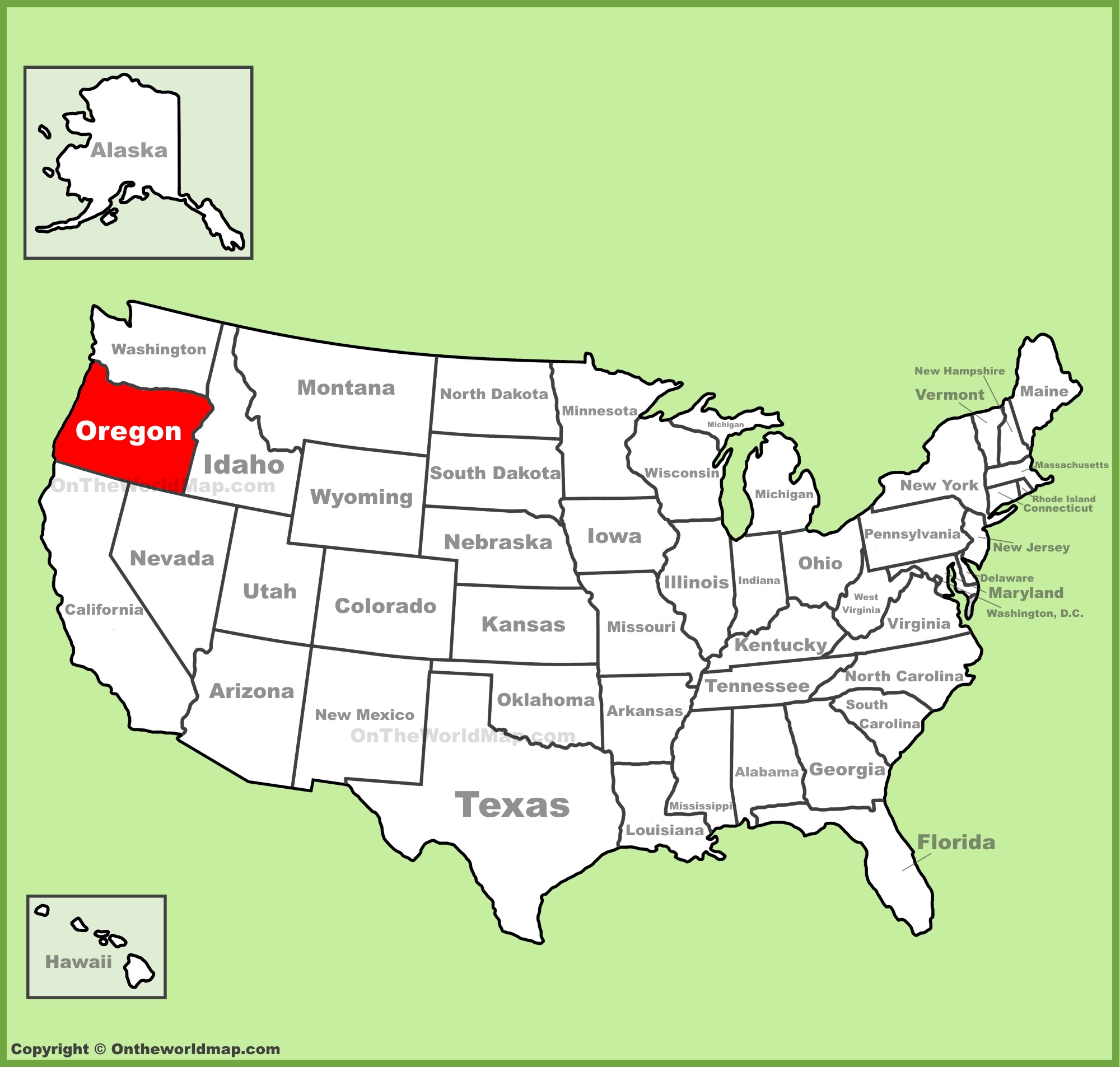
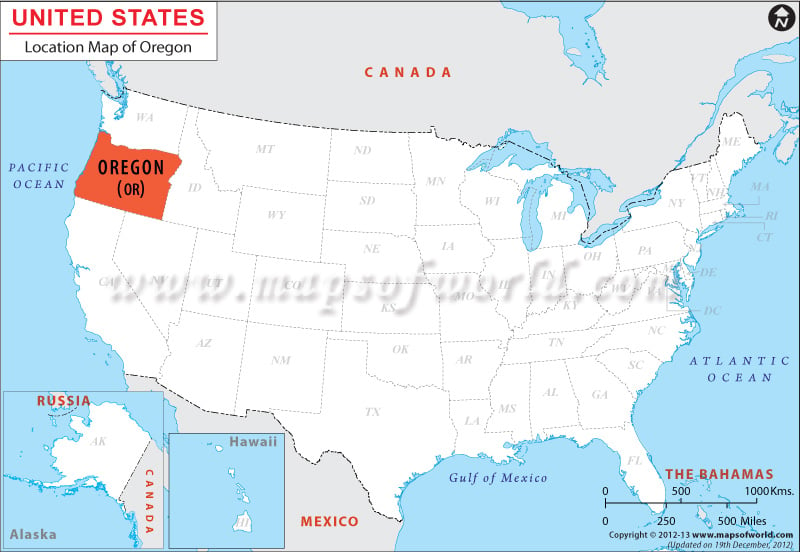
The state of Oregon holds a distinctive and captivating position within the western region of the United States. Often celebrated for its stunning natural beauty, progressive cities, and vibrant culture, Oregon is a gem of the Pacific Northwest. This article delves into its exact geographical placement, explores the diverse landscapes that define it, and highlights why this unique state has become a magnet for travelers, outdoor enthusiasts, and those seeking a lifestyle rich in experiences. From its dramatic coastline to its towering volcanic peaks, sprawling forests, and high deserts, Oregon’s location on the map is merely the starting point for an unforgettable journey into its heart.
The allure of Oregon isn’t just in its coordinates, but in how those coordinates unlock an extraordinary array of destinations and attractions. It’s a place where every turn in the road reveals a new vista, every city offers a distinct personality, and every experience is woven into the fabric of its natural surroundings. Whether you’re planning a thrilling adventure, a serene escape, or a deep dive into local culture and cuisine, understanding Oregon’s geographical context is key to unlocking its full potential as a premier travel destination.
Unveiling Oregon’s Geographical Identity
To truly appreciate Oregon, one must first pinpoint its location and understand the geological and political boundaries that shape its identity. Situated on the west coast, it is a state of remarkable contrasts and transitions, deeply influenced by its proximity to the Pacific Ocean and the imposing mountain ranges that bisect its interior.
The Pacific Northwest Gem
Oregon is firmly nestled in the Pacific Northwest region of the United States, a geographic and cultural area characterized by its lush, temperate rainforests, a strong emphasis on outdoor recreation, and a distinct regional identity. This region, also encompassing the state of Washington to the north and parts of Idaho and British Columbia in Canada, is known for its mild, wet winters and warm, dry summers, particularly west of the Cascade Range.
The state’s capital is Salem, but its largest and most populous city is Portland, a major economic and cultural hub renowned for its innovative food scene, craft breweries, vibrant arts, and commitment to sustainability. Other significant cities include Eugene, known for its university and track and field legacy, and Bend, a popular gateway to high desert adventures and winter sports. This placement in the Pacific Northwest positions Oregon as a gateway to exploring both the rugged coastline and the high alpine wilderness, offering a unique blend of urban sophistication and untamed nature.
Borders and Neighbors
Oregon’s geographical footprint is defined by its borders with four other United States states. To the north, the mighty Columbia River forms a significant portion of its boundary with Washington. This majestic river is not just a geographical marker but a vital artery for trade, hydroelectric power, and recreation, carving out the breathtaking Columbia River Gorge.
To the south, Oregon shares a long border with California, extending from the Pacific Coast eastward into the high desert. Adjacent to California’s northeastern flank, Oregon also borders Nevada in its southeastern corner. Finally, to the east, the Snake River delineates much of Oregon’s eastern boundary with Idaho. These borders enclose a state that measures approximately 295 miles (475 km) from north to south and 395 miles (635 km) from east to west, encompassing an area of roughly 98,379 square miles (254,800 sq km). This makes it the ninth-largest state in the United States by land area, contributing to its incredible diversity of landscapes and ecosystems. The influence of these bordering states, from the agricultural bounty of Washington’s fertile lands to the arid beauty of Nevada’s deserts, subtly shapes Oregon’s regional character and provides a rich tapestry for travelers to explore.
Major Cities and Regions
Oregon’s diverse geography is matched by its array of distinctive cities and regions, each offering unique experiences and attractions. The most prominent urban center is Portland, often hailed as a mecca for foodies, craft beverage aficionados, and those who appreciate its quirky, independent spirit. Beyond Portland’s bustling streets and innovative neighborhoods like Pearl District and Hawthorne District, the Willamette Valley stretches south, a verdant expanse home to the state capital Salem and Eugene. This valley is the heart of Oregon’s acclaimed wine country, dotted with vineyards and charming small towns.
Moving eastward, the Cascade Range dominates the landscape, featuring towering peaks like Mount Hood, a playground for skiers, hikers, and climbers. On the eastern side of the Cascades, Central Oregon unfolds into a high desert landscape centered around Bend, a hub for outdoor adventure including mountain biking, whitewater rafting, and rock climbing at Smith Rock State Park. Further east lies the vast and rugged terrain of Eastern Oregon, characterized by the dramatic Wallowa Mountains and the otherworldly Painted Hills within the John Day Fossil Beds National Monument.
Along the western edge of the state, the entire length of the Oregon Coast offers breathtaking views, iconic landmarks like Haystack Rock at Cannon Beach, and charming seaside towns such as Astoria and Newport. Meanwhile, Southern Oregon is home to the majestic Crater Lake National Park and the cultural hotspot of Ashland, famous for its Oregon Shakespeare Festival. Each of these regions presents a distinct flavor of Oregon, from the cosmopolitan buzz to tranquil wilderness, making the state a truly multifaceted destination for all types of travelers.
A Tapestry of Natural Wonders and Outdoor Adventures
Oregon’s location grants it a staggering diversity of natural landscapes, making it an unparalleled playground for outdoor enthusiasts and a haven for those seeking to reconnect with nature. From its thundering waterfalls to its ancient forests and vast high deserts, the state is a living postcard of geological marvels.
From Coastline to Cascades: Diverse Landscapes
The geographical spine of Oregon is undoubtedly the Cascade Range, a string of volcanic peaks that effectively divides the state into two distinct climatic and ecological zones. To the west, the maritime influence of the Pacific Ocean brings abundant rainfall, nurturing dense evergreen forests, fertile valleys, and the dramatic, rugged beauty of the Oregon Coast. Here, visitors can explore sea stacks, sandy beaches, tide pools, and iconic natural formations like Cape Perpetua and the [Samuel H. Boardman State Scenic Corridor](https://lifeoutofthebox.com/samuel-h-boardman-state- scenic-corridor).
East of the Cascades, the landscape transforms dramatically into a drier, high desert environment. This region, encompassing Central Oregon and Eastern Oregon, is characterized by ponderosa pine forests, sagebrush steppes, river canyons, and towering basalt formations. It’s a land of big skies, clear air, and unique geological formations, from the vibrant hues of the Painted Hills to the remote grandeur of the Alvord Desert and Steens Mountain. This stark contrast between the lush west and the arid east provides an incredible spectrum of ecosystems to explore, all within a few hours’ drive. This topographic diversity means that a single trip to Oregon can encompass experiences ranging from surfing on the coast to skiing on a volcano, and then hiking through a desert canyon, making it a dream destination for those who crave variety in their travels.
Iconic Landmarks and Recreational Havens
Oregon is home to some of the most recognizable and beloved natural landmarks in the United States. Foremost among them is Crater Lake National Park, a caldera lake famous for its intense blue color and pristine water, formed after the collapse of an ancient volcano. It’s a national treasure offering hiking, scenic drives, and boat tours.
Another majestic icon is Mount Hood, the highest peak in Oregon and a year-round destination for skiing, snowboarding, and mountaineering. The historic Timberline Lodge, a National Historic Landmark, sits gracefully on its slopes. The breathtaking Columbia River Gorge, an 80-mile long canyon that carves through the Cascade Mountains, is famed for its numerous waterfalls, including the iconic 620-foot Multnomah Falls. This area is a haven for hiking, windsurfing, and scenic drives.
Beyond these giants, there are countless other recreational havens: the dynamic Oregon Coast with its surfing, tide-pooling, and whale watching; the Willamette Valley’s extensive network of cycling paths; and the high desert around Bend offering world-class mountain biking and fly fishing on the Deschutes River. Whether you seek adrenaline-pumping activities or peaceful communion with nature, Oregon’s landmarks and natural spaces provide an endless array of options for travelers. From camping under starry skies to exploring ancient lava flows, every adventure is just a short drive away.
Unique Flora and Fauna
Oregon’s diverse climatic zones and varied topography create a rich tapestry of habitats that support an incredible array of flora and fauna. The western side of the Cascades is dominated by lush temperate rainforests, home to majestic Douglas firs, Western hemlocks, and Sitka spruces, some of which are ancient giants. Underneath this canopy, ferns, mosses, and a variety of wildflowers thrive, particularly in the spring. Along the Oregon Coast, resilient coastal pines and shrubs cling to the cliffs, while sea grasses stabilize the dunes.
East of the mountains, the high desert environment supports a completely different ecosystem. Here, juniper trees, sagebrush, and various drought-resistant grasses define the landscape. The vibrant colors of the Painted Hills are a testament to the unique geological composition that also influences plant life.
This varied plant life in turn supports a diverse animal population. Oregon is home to large mammals such as black bears, cougars, elk, and deer. Birdwatchers flock to areas like the Malheur National Wildlife Refuge in Eastern Oregon to observe migratory birds. Along the coast, marine life flourishes, with gray whales migrating along the shore, harbor seals basking on rocks, and a myriad of seabirds nesting on coastal cliffs. Iconic fish like salmon and steelhead are also integral to Oregon’s ecosystems and cultural identity, drawing anglers from around the globe to its numerous rivers. The state’s commitment to conservation ensures that these unique ecosystems and their inhabitants continue to thrive, offering unparalleled opportunities for wildlife viewing and nature photography.
Oregon’s Vibrant Culture and Lifestyle
Beyond its geographical wonders, Oregon pulsates with a unique culture and lifestyle that blend urban sophistication with a deep reverence for nature and community. From its groundbreaking culinary scene to its dedication to sustainable living, the state offers a rich cultural experience for residents and visitors alike.
Culinary Delights and Craft Beverages
Oregon has firmly established itself as a gastronomic paradise, particularly in Portland. The city is world-renowned for its innovative and diverse food truck scene, offering everything from gourmet tacos to exotic international cuisine, often with an emphasis on fresh, local ingredients. Beyond food trucks, Portland’s restaurant landscape ranges from fine dining establishments to cozy farm-to-table eateries, reflecting a strong commitment to sustainable and seasonal produce. The annual Feast Portland festival is a testament to this thriving culinary scene, drawing chefs and food enthusiasts from across the nation.
The state is also a powerhouse in the craft beverage industry. The Willamette Valley is globally recognized for its exceptional Pinot Noir wines, rivaling those from Burgundy, France. Numerous wineries offer tasting tours, allowing visitors to experience the region’s terroir firsthand. Oregon also boasts one of the highest numbers of craft breweries per capita in the United States, with Portland often dubbed “Beervana.” From IPAs to stouts, the variety is immense, and brewery tours are a popular attraction. Craft distilleries and cideries are also on the rise, producing high-quality spirits and ciders from local fruits. This dedication to quality, local sourcing, and innovation makes Oregon an unforgettable destination for culinary exploration. Don’t forget to visit the Tillamook Creamery on the coast for world-famous cheese and ice cream!
Arts, History, and Local Traditions
Oregon’s cultural fabric is rich with history and a thriving arts scene. The state’s history is deeply intertwined with the Oregon Trail, which brought pioneers westward, and the legacy of the Lewis and Clark Expedition, which reached the Pacific Ocean at Fort Clatsop near Astoria. Museums like the Oregon Historical Society in Portland and the High Desert Museum in Bend offer fascinating insights into the state’s past.
The arts flourish, particularly in cities like Portland with its numerous galleries, live music venues, and performing arts centers. The Portland Art Museum showcases diverse collections, while independent theaters and music clubs abound. In Southern Oregon, Ashland is home to the internationally acclaimed Oregon Shakespeare Festival, drawing theater lovers from across the globe.
Local traditions range from the quirky to the profound. Oregonians embrace a strong sense of community and independent spirit, often expressed through farmers’ markets, local festivals, and a “buy local” ethos. The “Keep Portland Weird” unofficial motto reflects a broader state-wide appreciation for individuality and eccentricity. This blend of historical significance, vibrant artistic expression, and strong community values creates an engaging and welcoming atmosphere for visitors seeking authentic local experiences.
Sustainable Living and Community Spirit
At the core of Oregon’s lifestyle is a profound commitment to sustainability and a strong sense of community. Oregon was one of the first states to implement a bottle bill for recycling and has consistently been a leader in environmental protection and green initiatives. This ethos is visible everywhere, from the extensive public transportation systems in Portland and Eugene to the proliferation of organic farms and farm-to-table restaurants. Many businesses proudly display their commitment to sustainable practices, aligning with the values of their environmentally conscious populace.
The community spirit in Oregon is also palpable. There’s a strong emphasis on local businesses, supporting artisans, and fostering neighborhood connections. This translates into vibrant farmers’ markets in nearly every town, community gardens, and numerous local festivals celebrating everything from craft beer to truffles. The outdoor-centric lifestyle naturally fosters a shared appreciation for the state’s natural beauty, leading to widespread participation in conservation efforts and trail maintenance. This culture of conscious living and mutual support contributes to a welcoming and inclusive atmosphere, making Oregon not just a place to visit, but a place where one feels a genuine connection to the land and its people.
Planning Your Oregon Adventure: Travel and Accommodation
Embarking on an Oregon adventure requires a bit of planning to fully capitalize on its diverse offerings. From efficient travel logistics to selecting the perfect place to rest your head, understanding the practicalities will enhance your experience in this Pacific Northwest gem.
Getting There and Getting Around
The primary gateway to Oregon for most domestic and international travelers is Portland International Airport (PDX), consistently ranked as one of the best airports in the United States for its efficiency and amenities. From PDX, visitors can easily access downtown Portland via the MAX Light Rail system, which offers convenient connections to various neighborhoods and attractions. Other regional airports, such as those in Eugene, Medford, and Redmond, serve smaller areas and offer direct flights to major hubs.
Once in Oregon, a rental car is highly recommended for exploring the state’s vast and varied landscapes, especially if you plan to venture beyond major cities to the Oregon Coast, Crater Lake National Park, or the high desert. Oregon’s road network is well-maintained, and scenic drives like the Historic Columbia River Highway are destinations in themselves. For those who prefer not to drive, intercity bus services connect major towns, and Amtrak offers scenic train routes, particularly the Coast Starlight, which traverses the state. Within Portland, the TriMet system, encompassing buses, light rail, and streetcar, makes navigating the city effortless. Ride-sharing services and taxis are also widely available in urban areas. Planning your transportation in advance will ensure a smooth and enjoyable journey through Oregon’s stunning terrain.
Where to Stay: Hotels, Resorts, and Unique Accommodations
Oregon offers an extensive range of accommodation options to suit every preference and budget, aligning perfectly with the diverse travel experiences the state provides. In urban centers like Portland, you’ll find a wide selection of hotels, from luxurious high-rises to trendy boutique properties. Examples of upscale stays include The Nines, a Luxury Collection Hotel, Portland, offering sophisticated amenities and rooftop views, or the chic Hotel Vintage Portland, known for its wine-themed decor and prime downtown location. For those seeking unique charm, McMenamins properties across the state convert historic buildings into hotels with breweries, pubs, and eccentric decor, such as Kennedy School in Portland.
Along the Oregon Coast, charming beachfront hotels and vacation rentals provide direct access to ocean views and coastal activities. Resorts like Salishan Coastal Lodge offer luxurious retreats with golf courses and spas, while smaller, quaint inns like Stephanie Inn in Cannon Beach provide intimate experiences. In Central Oregon, near Bend, resorts like Sunriver Resort cater to families and outdoor enthusiasts with a wealth of activities. For a truly unique experience, consider booking a stay in a cozy cabin near Crater Lake or a rustic lodge in the Mount Hood National Forest. The option of vacation rentals, from secluded forest cabins to urban apartments, also provides flexibility for longer stays or group travel, offering a taste of local living. Regardless of your travel style, Oregon’s accommodation landscape ensures a comfortable and memorable base for your explorations.

Essential Travel Tips and Best Times to Visit
To make the most of your Oregon adventure, a few travel tips can go a long way. Pack in layers: Oregon’s weather can be unpredictable, especially with its diverse climate zones. Layers are key to adapting to temperature changes, whether you’re on the coast or in the high desert. Book accommodations in advance: Popular destinations, especially during peak seasons, can see hotels and unique stays fill up quickly. This is particularly true for the summer months and major festivals. Embrace the outdoors: No matter the season, Oregon invites you outside. Bring comfortable walking shoes, rain gear (just in case), and swimwear for hot springs or coastal dips.
The best time to visit largely depends on your desired activities.
- Summer (June to September): Ideal for exploring the Oregon Coast, hiking in the Cascades, and enjoying city festivals. Expect warm, dry weather, especially east of the mountains. This is peak tourist season, so higher prices and larger crowds are common.
- Fall (September to November): A fantastic time for wine tasting in the Willamette Valley as the leaves change color. The weather is crisp, and crowds begin to thin.
- Winter (November to March): Perfect for skiing and snowboarding on Mount Hood and other resorts. The western valleys can be rainy but offer cozy indoor activities like museum visits and craft brewery tours. The Oregon Coast offers dramatic storm watching experiences.
- Spring (March to May): Wildflowers bloom across the state, and waterfalls are at their most powerful. It’s a great time for hiking before the summer heat, with fewer crowds and more moderate temperatures.
Always check local conditions and forecasts, especially if venturing into wilderness areas, and remember that Oregon is often a “card-only” state for gas stations, so have your payment ready! By preparing thoughtfully, you’re set to experience the magic that Oregon uniquely offers.
In conclusion, Oregon’s location in the Pacific Northwest isn’t just a point on a map; it’s the genesis of its incredible geographical diversity, vibrant culture, and unparalleled opportunities for travel and adventure. From the urban sophistication of Portland to the serene beauty of Crater Lake and the rugged allure of the Oregon Coast, this state promises a rich tapestry of experiences. Whether you’re seeking a luxurious escape, a budget-friendly road trip, or a deep dive into nature, Oregon stands ready to captivate your imagination and create lasting memories.
LifeOutOfTheBox is a participant in the Amazon Services LLC Associates Program, an affiliate advertising program designed to provide a means for sites to earn advertising fees by advertising and linking to Amazon.com. Amazon, the Amazon logo, AmazonSupply, and the AmazonSupply logo are trademarks of Amazon.com, Inc. or its affiliates. As an Amazon Associate we earn affiliate commissions from qualifying purchases.