
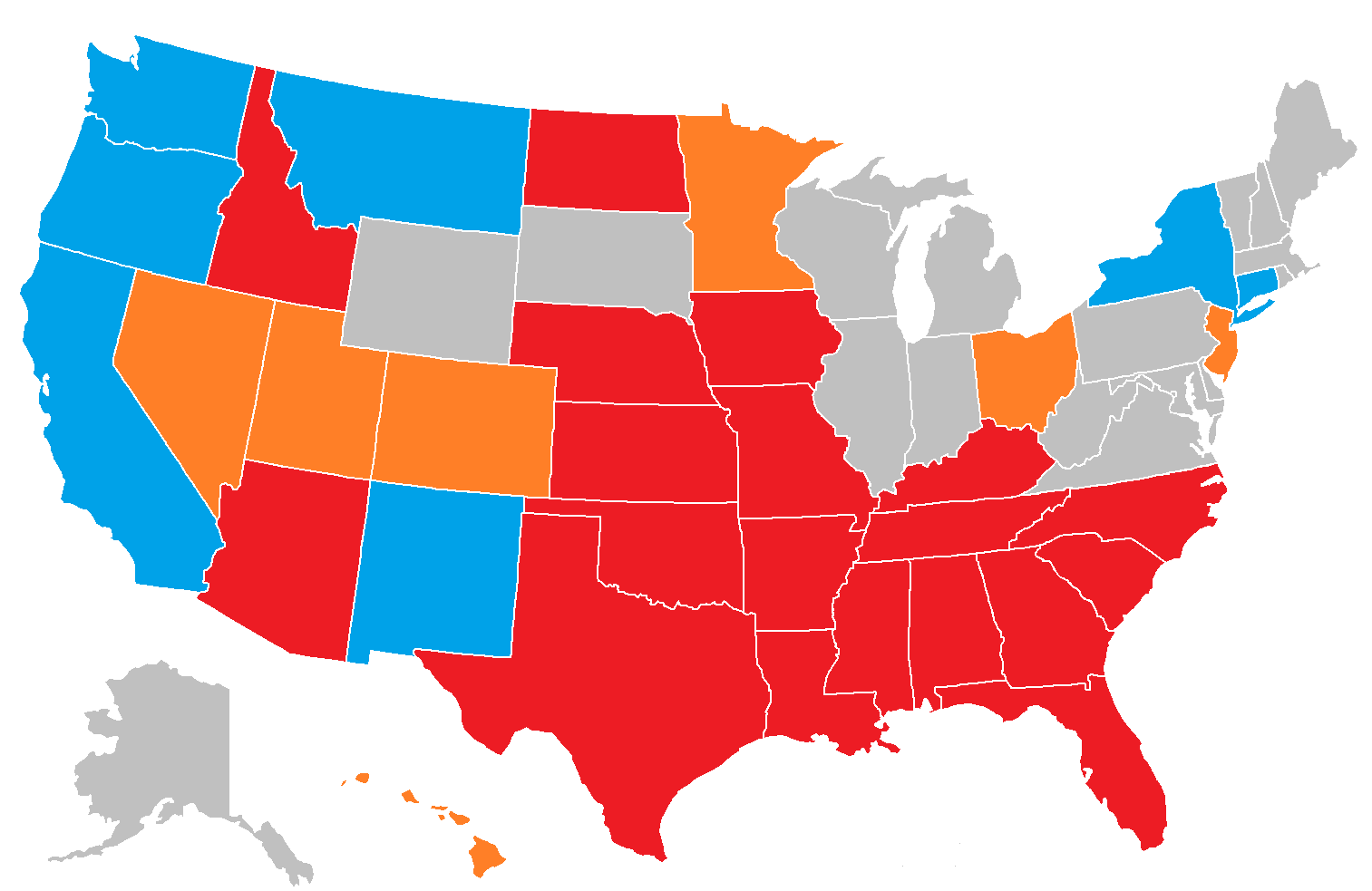
The question of whether New York is a sanctuary state is one that touches upon complex legal, social, and ethical considerations, particularly in the context of immigration policies. While the term “sanctuary state” itself doesn’t hold a universally agreed-upon legal definition, it generally refers to a state that enacts policies and laws to protect immigrants, particularly undocumented immigrants, from federal immigration enforcement. Understanding New York’s stance requires delving into its legislative actions, court rulings, and public statements by its leaders.
This exploration is particularly relevant when considering the broader lifestyle and travel landscape of New York. For many, the state represents a vibrant tapestry of experiences, from the iconic attractions of New York City to the natural beauty of the Adirondacks. The legal and social climate of a place can subtly influence the experiences of visitors and residents alike, impacting everything from the atmosphere in local communities to the types of accommodations available. This article aims to clarify New York’s position on sanctuary policies and how it might intersect with the diverse aspects of travel, tourism, and lifestyle within the state.
Understanding “Sanctuary” in the American Context
The concept of “sanctuary” in the United States, especially concerning immigration, is not a formal legal designation bestowed by the federal government. Instead, it has evolved through a patchwork of state and local government actions, often in defiance or mitigation of federal immigration enforcement priorities. At its core, a “sanctuary” policy typically aims to limit cooperation between local law enforcement and federal immigration authorities, such as U.S. Immigration and Customs Enforcement (ICE).
Historical Roots and Evolving Definitions
Historically, the idea of sanctuary has roots in religious and medieval traditions, offering refuge to those fleeing persecution. In the modern American context, this concept began to gain traction in the late 20th century as cities and states sought to address the growing undocumented immigrant population and a perceived overreach of federal immigration laws.
The term “sanctuary city” or “sanctuary state” gained prominence in the 1980s, often referring to local governments that refused to honor detainer requests from ICE or that directed their police forces not to inquire about immigration status during routine interactions. These policies were often enacted to foster trust between immigrant communities and local law enforcement, encouraging victims of crime or witnesses to report incidents without fear of deportation.
Key Policy Components
Policies commonly associated with sanctuary jurisdictions include:
- Limitations on ICE Detainer Requests: Local law enforcement agencies may decline to honor ICE detainers, which are requests to hold an individual for up to 48 hours beyond their scheduled release time so that federal agents can take them into custody. This is often based on legal challenges to the authority of ICE to compel such holds without a judicial warrant.
- Prohibition of Inquiry into Immigration Status: Police officers may be prohibited from asking individuals about their immigration status unless it is directly relevant to a criminal investigation.
- Restricted Sharing of Information: Local law enforcement may be prevented from sharing certain information about individuals with federal immigration authorities, such as release dates or personal contact details.
- Access to Public Services: In some cases, sanctuary policies may extend to ensuring access to public services for undocumented immigrants, although this is a more contentious area and varies widely.
It is crucial to note that “sanctuary” does not mean that a state or city provides a blanket immunity from federal immigration law. Undocumented immigrants remain subject to federal laws, and ICE can still apprehend individuals in sanctuary jurisdictions if they encounter them or if they have warrants issued by federal judges. The debate surrounding sanctuary policies often centers on the balance between federal authority and state/local control, as well as the humanitarian and community-building implications.
New York’s Legislative and Judicial Landscape
New York has, over time, adopted policies and seen judicial decisions that align with many of the principles associated with sanctuary jurisdictions, though the state may not officially brand itself as a “sanctuary state” in all contexts. Its approach has been shaped by a combination of legislative actions, gubernatorial directives, and court interpretations of constitutional and statutory law.
State-Level Protections and Initiatives
New York has a history of enacting laws and implementing initiatives that offer protections to immigrants, regardless of their immigration status. These often aim to promote inclusion, access to essential services, and prevent discrimination.
One significant development was the passage of the New York State Dream Act, which allows undocumented and other eligible students to receive state-tuition assistance. This legislation underscores a broader commitment to providing opportunities for all residents, regardless of their immigration status, and aligns with the ethos of protecting vulnerable populations that often characterizes sanctuary movements.
Furthermore, New York has often been at odds with federal immigration enforcement policies, particularly during periods of heightened federal crackdowns. Governors and state officials have, at times, issued directives that limit state and local law enforcement’s involvement in federal immigration enforcement activities. This can include preventing state correctional facilities from honoring ICE detainers without a court order, a practice that directly limits the ability of federal agents to easily apprehend individuals within the state’s correctional system.
The state’s attorney general and various district attorneys have also taken stances that protect immigrant communities, advocating for policies that ensure immigrants can report crimes without fear of reprisal. This can involve issuing guidance to law enforcement on how to handle immigration-related inquiries or establishing community outreach programs designed to build trust between law enforcement and immigrant populations.
Court Decisions and Legal Challenges
The legal framework surrounding immigration is primarily federal, but state and local governments can influence its application within their borders. Court decisions have played a crucial role in defining the boundaries of state and local cooperation with federal immigration authorities.
In New York, as in many other states, there have been legal challenges to the authority of federal immigration agencies to compel state and local law enforcement to honor detainers. Various court rulings have affirmed that local law enforcement agencies are not legally obligated to hold individuals based solely on an ICE detainer request, especially if it is not accompanied by a judicial warrant. This legal stance has allowed New York to limit its role in facilitating federal deportations, a hallmark of sanctuary policies.
The state’s judiciary has often interpreted laws in a manner that prioritizes due process and civil liberties, which can indirectly provide protections to immigrants. When immigrants have access to legal representation and fair hearings, it strengthens their ability to challenge deportation orders and remain in the country legally.
However, it is also important to acknowledge that New York is still bound by federal immigration law. While state and local policies can limit cooperation, they cannot prevent federal agents from enforcing federal laws within the state. The ongoing tension between state and federal immigration enforcement remains a dynamic and evolving aspect of New York’s legal landscape. The state’s approach is characterized by a careful navigation of federal mandates and a commitment to protecting the rights and well-being of its diverse population.
Implications for Travel, Tourism, and Lifestyle in New York
The policies and legal framework surrounding immigration in New York, whether explicitly termed “sanctuary” or not, have tangible implications for the state’s vibrant travel, tourism, and lifestyle sectors. Understanding this dynamic offers a more nuanced perspective on the New York experience for visitors and residents alike.
Welcoming Destinations and Diverse Communities
New York is renowned for its multiculturalism, a characteristic that is intrinsically linked to its immigrant history and ongoing population diversity. Cities like New York City, with its iconic neighborhoods such as Chinatown, Little Italy, and Jackson Heights, offer a rich mosaic of cultures, cuisines, and traditions. The presence of diverse immigrant communities enriches the visitor experience, providing authentic tastes of global cuisines at eateries ranging from upscale restaurants in Manhattan to humble food trucks in the outer boroughs.
The perception of New York as a welcoming place for people from all walks of life can enhance its appeal as a tourist destination. Travelers often seek authentic cultural experiences, and the diverse communities within New York provide just that. Landmarks like the Statue of Liberty, a symbol of welcome and opportunity, resonate deeply with the state’s historical role in receiving immigrants.
For those considering longer stays or lifestyle choices within New York, the social climate can be a significant factor. The state’s generally inclusive policies contribute to a sense of security and belonging for many, fostering communities where individuals from various backgrounds can thrive. This can translate into a richer tapestry of local events, festivals, and community gatherings, offering unique insights into the state’s cultural heritage for both long-term residents and those enjoying extended vacations.
Accommodation and Experiences for All Travelers
The approach to immigration policy can indirectly influence the accommodation and tourism landscape. When a state or city is perceived as inclusive, it can broaden its appeal to a wider range of travelers, including those from countries with different immigration policies or those who value human rights and social justice.
This inclusivity can manifest in various ways:
- Diverse Culinary Scene: As mentioned, the rich immigrant heritage fuels an unparalleled culinary scene. From street food vendors to Michelin-starred restaurants, New York offers a taste of the world, often shaped by the culinary traditions brought by immigrants.
- Cultural Attractions: Museums, art galleries, and cultural centers often highlight the contributions of various ethnic groups to New York’s heritage. This provides visitors with a deeper understanding of the state’s history and its evolving identity.
- Community-Based Tourism: The presence of thriving immigrant communities can lead to unique tourism opportunities, such as guided tours of specific neighborhoods, participation in cultural festivals, or visits to community-led initiatives.
- Accommodation Choices: While not directly dictated by sanctuary policies, a generally welcoming social environment can contribute to a more diverse and accessible hospitality sector. Hotels, resorts, and rental apartments in New York cater to a global clientele, and a reputation for inclusivity can only enhance this appeal. For instance, the Conrad New York Midtown or the The Plaza Hotel in New York City offer luxurious experiences that are sought after by international travelers, many of whom come from diverse backgrounds and appreciate a welcoming atmosphere.

Navigating Legal Nuances and Federal Authority
It’s vital for travelers and those considering lifestyle changes in New York to understand that while the state may implement policies that limit cooperation with federal immigration enforcement, it does not operate outside of federal law. ICE retains the authority to conduct enforcement actions within New York. This means that while local law enforcement may have limitations on their involvement, federal agents can still apprehend individuals if they encounter them.
For tourists, this distinction generally has little to no impact on their travel experience. The vast majority of visitors to New York adhere to visa regulations and immigration laws, and their experiences are unfettered by these complex legal discussions. The state’s commitment to providing services and protections often focuses on its residents and those who have established a presence within the state.
For individuals who are not U.S. citizens, it is always advisable to be aware of and comply with all federal immigration laws and regulations, regardless of the state they are visiting or residing in. While New York strives to be a welcoming state, understanding the legal framework is essential for everyone.
In conclusion, New York’s approach to immigration policy, while not always explicitly labeled as “sanctuary,” demonstrates a commitment to protecting the rights and well-being of its diverse population. This ethos contributes to the state’s vibrant cultural landscape, its appeal as a global travel destination, and the rich tapestry of lifestyles it offers to residents and visitors alike. The state’s unique blend of inclusivity, cultural richness, and iconic attractions continues to make it a compelling place to explore and experience.
LifeOutOfTheBox is a participant in the Amazon Services LLC Associates Program, an affiliate advertising program designed to provide a means for sites to earn advertising fees by advertising and linking to Amazon.com. Amazon, the Amazon logo, AmazonSupply, and the AmazonSupply logo are trademarks of Amazon.com, Inc. or its affiliates. As an Amazon Associate we earn affiliate commissions from qualifying purchases.