
For many, the mere mention of New York City conjures images of vibrant energy, iconic landmarks, and boundless opportunities. It’s a global hub for culture, finance, and innovation, attracting millions of tourists, business travelers, and new residents each year. Yet, alongside this allure, a persistent question often arises, particularly for first-time visitors or those planning a longer stay: “Is New York City dangerous?”
This concern is understandable. Urban environments, especially major metropolises like NYC, can sometimes carry a reputation for crime and unsafe situations. However, separating perception from reality is crucial when evaluating safety in one of the world’s most dynamic cities. This comprehensive guide aims to provide a nuanced perspective on safety in New York City, offering practical advice, insights into different neighborhoods, and a realistic understanding of what visitors and residents can expect. Our goal is to equip you with the knowledge needed to enjoy a safe, memorable, and truly immersive experience in the Big Apple, whether you’re embarking on a luxury trip, a budget-conscious adventure, a family vacation, or a crucial business stay.
Navigating the Perceptions and Realities of Safety in NYC
The question of danger in New York City is often met with conflicting answers. News headlines might sensationalize isolated incidents, while locals might dismiss concerns as unfounded. To truly understand the safety landscape, it’s essential to look beyond the headlines and delve into the data, the city’s ongoing efforts, and the everyday experiences of its millions of inhabitants and visitors.
Understanding Crime Statistics vs. Personal Experience
Official crime statistics often paint a more accurate picture than anecdotal stories or media portrayals. Over the past few decades, New York City has undergone a remarkable transformation in terms of safety. Following a peak in the early 1990s, crime rates, particularly violent crime, saw a dramatic and sustained decline. While there have been fluctuations and some upticks in certain categories in recent years, especially post-pandemic, the city remains significantly safer than it was a generation ago.
For instance, major tourist areas like Times Square, Central Park, Midtown Manhattan, and the Financial District are heavily policed and generally very safe, especially during the day and early evening. The sheer volume of people, constant police presence, and widespread surveillance contribute to a high level of security in these high-traffic locations. Most crimes that affect tourists tend to be petty theft, like pickpocketing or bag snatching, rather than violent encounters.
It’s important to differentiate between the experiences of long-term residents in specific neighborhoods and the typical experience of a tourist visiting popular attractions. A tourist staying in a reputable hotel in Manhattan and sticking to well-trodden paths is likely to have a very different safety experience compared to someone living in a less affluent or more isolated part of the outer boroughs. The vast majority of visitors leave New York City with positive memories and no safety incidents to report.
The Impact of Media on Public Perception
The media plays a significant role in shaping public perception of urban safety. Sensationalized reporting, often focusing on isolated or particularly egregious incidents, can create an impression that a city is far more dangerous than it actually is. It’s easy for a narrative of rising crime to take hold, even when overall trends might indicate otherwise, or when statistics show that most crimes are concentrated in specific areas and do not typically involve tourists.
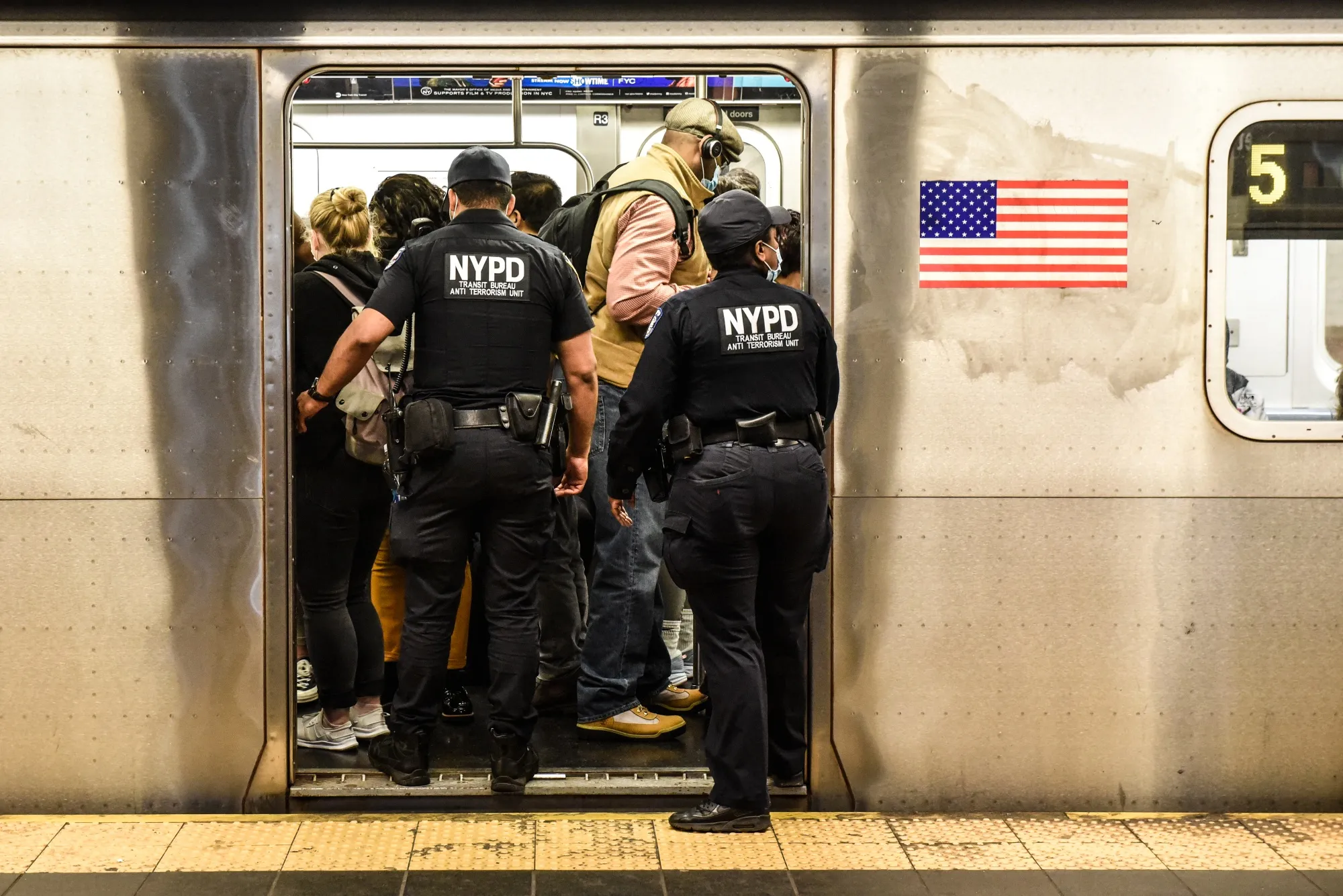
When researching your trip, consider the source of information. Reputable travel guides, official city statistics, and well-balanced news reports offer a more balanced view than social media rumors or fear-mongering headlines. New York City’s Police Department (NYPD) is one of the largest and most sophisticated in the world, employing advanced strategies to maintain public order and respond to incidents. Their visible presence, especially in tourist-heavy zones, is a significant deterrent and a source of reassurance for visitors. This proactive approach underscores the city’s commitment to ensuring a safe environment for everyone who explores its streets and attractions.
Practical Safety Measures for Visitors
While New York City is generally safe for tourists, exercising common sense and awareness is always prudent, just as it would be in any major global city, from London to Tokyo. Adopting a few practical safety measures can significantly enhance your travel experience and help you avoid common pitfalls.
General Urban Safety Tips
- Stay Aware of Your Surroundings: This is perhaps the most critical piece of advice. Avoid walking while engrossed in your phone, especially in crowded areas or when crossing streets. Be mindful of who is around you and pay attention to unusual behavior.
- Trust Your Instincts: If a situation or an area feels off, it probably is. Don’t hesitate to leave if you feel uncomfortable. Your personal safety is paramount.
- Protect Your Valuables: Keep wallets in front pockets, use cross-body bags that are difficult to snatch, and avoid flashing expensive jewelry or electronics. When dining, don’t hang bags on the back of chairs where they can be easily targeted. Consider using a money belt for passports and large sums of cash.
- Travel in Groups at Night: While many parts of New York City are bustling late into the night, especially in entertainment districts like Broadway or Greenwich Village, it’s always safer to walk with companions. If you’re alone, stick to well-lit, busy streets.
- Know Emergency Numbers: The universal emergency number in the United States is 911 for police, fire, or medical emergencies. Knowing this simple fact can be crucial.
Staying Safe on Public Transportation
The NYC Subway and bus system, operated by the MTA, are incredibly efficient ways to navigate the city. Millions use them daily, and for the most part, they are safe. However, a few tips can enhance your security:
- Avoid Empty Subway Cars Late at Night: Even on a busy line, an empty car can sometimes feel isolating. Opt for cars with other passengers, ideally near the conductor.
- Be Aware at Subway Stations: While waiting for a train, avoid standing too close to the platform edge. Be aware of your belongings, as pickpockets can operate in crowded stations.
- Use Reputable Ride-Shares/Taxis: When opting for taxis or ride-sharing services, ensure you’ve requested the ride through an official app or hailed a yellow cab. Verify the car and driver before entering. Avoid unmarked cars offering rides.
- Plan Your Route: Especially if you’re traveling to a less familiar area or late at night, plan your subway or bus route in advance. Knowing your stops and transfers reduces confusion and makes you less of a target.
Avoiding Tourist Scams and Petty Crime
New York City, like any major tourist destination, has its share of individuals looking to take advantage of unsuspecting visitors.

- Be Wary of “Helpful” Strangers: While most New Yorkers are genuinely friendly, be cautious of unsolicited help, especially around ATMs, subway ticket machines, or tourist attractions. They might be attempting to distract you for a scam.
- Decline Unlicensed Performers or Peddlers: In areas like Times Square or Central Park, you might encounter costumed characters, street performers, or individuals selling “free” CDs. While many are legitimate, some may become aggressive when demanding payment or trying to lure you into a scam. Politely decline and continue walking.
- ATM Safety: Use ATMs located inside banks or well-lit, busy areas. Shield your PIN and be aware of anyone lurking nearby.
- Restaurant and Bar Awareness: Keep an eye on your drink in bars. Don’t leave your phone or wallet unattended on tables.
- “Lost” Wallet or Ring Scams: Be skeptical of individuals who claim to have found a wallet or an expensive piece of jewelry and then try to engage you in a sharing scheme. These are often sophisticated cons.
Exploring New York City’s Diverse Neighborhoods
New York City is a mosaic of distinct neighborhoods, each with its own character, charm, and varying levels of activity. Understanding these differences can further inform your safety strategy, especially when choosing accommodation or planning your itinerary.
Generally Safe Areas for Tourists
For most visitors, especially those focusing on key landmarks and attractions, many areas of Manhattan are exceptionally safe.
- Midtown Manhattan: Home to the Empire State Building, Rockefeller Center, Grand Central Terminal, and Times Square, Midtown is a bustling, heavily policed area with a strong tourist presence. Hotels here, ranging from luxury resorts to more budget-friendly options, are generally very secure and offer easy access to major transport hubs.
- Upper West Side & Upper East Side: These residential neighborhoods bordering Central Park are known for their beautiful architecture, cultural institutions like the Metropolitan Museum of Art and the American Museum of Natural History, and family-friendly atmosphere. They are generally affluent and very safe, ideal for those seeking a quieter yet sophisticated base.
- Greenwich Village & SoHo: Famous for their charming streets, boutique shops, and vibrant nightlife, these downtown neighborhoods are popular with both locals and tourists. They are lively, well-trafficked, and considered very safe, though crowds can increase opportunities for pickpocketing.
- Financial District: While primarily a business hub, the Financial District offers attractions like Wall Street, the 9/11 Memorial & Museum, and One World Observatory. It’s very safe during the day, and many hotels now cater to tourists, making it a viable and secure option for accommodation.
- Dumbo, Brooklyn: Across the Brooklyn Bridge, Dumbo offers stunning skyline views, trendy eateries, and art galleries. It’s a popular and very safe area for strolling, dining, and enjoying the waterfront. Brooklyn as a whole has many safe, vibrant neighborhoods that are becoming increasingly popular for visitors.
When booking your accommodation, consider not only the hotel’s amenities (suites, resorts, apartments) but also its immediate surroundings. Reading recent reviews on safety and neighborhood vibes can provide valuable insights.
Areas Requiring Extra Caution (and why they’re worth visiting)
While most of New York City is safe, a few areas, particularly in certain parts of the outer boroughs like The Bronx, Queens, and even some sections of Brooklyn and Manhattan like Harlem or the Lower East Side, might have higher crime rates or feel less comfortable to unfamiliar visitors, especially after dark. This does not mean they are off-limits, but rather that a heightened sense of awareness and specific precautions are advisable.
- Understanding Nuance: Even within historically “rougher” areas, there are often gentrified or perfectly safe pockets. For example, while some parts of Harlem have a past reputation, much of it today is vibrant, with beautiful brownstones, historic sites, and cultural attractions, and is safe for daytime exploration. Similarly, neighborhoods like Bushwick in Brooklyn have transformed into artistic hubs but still have areas that require caution.
- Research Specific Locations: If you plan to visit a specific attraction or restaurant in a less-touristed neighborhood, do some quick research on recent safety reports or ask locals for advice. Check transportation options – can you get there and back easily via reliable public transport or a short taxi ride?
- Avoid Isolated Areas at Night: This includes dimly lit parks, industrial zones, or quiet residential streets in unfamiliar neighborhoods. Stick to main thoroughfares with shops and other people.
- Events and Activities: Many of these areas offer unique cultural experiences, authentic local cuisine, and vibrant community life that are well worth exploring. From the historic music venues of Harlem to the diverse food scene of Jackson Heights in Queens, these experiences contribute significantly to the rich tapestry of New York City. The key is to be prepared and apply the general safety tips mentioned earlier.
For those interested in long-term stays or apartment rentals in these diverse areas, thorough research into the specific block and building is essential, often facilitated by local reviews and community forums.
The Unforgettable New York City Experience
Ultimately, the question “Is New York City dangerous?” should not deter you from experiencing one of the world’s most incredible destinations. With sensible precautions and a realistic understanding of urban living, the overwhelming majority of visitors have safe and enriching trips.
Beyond Safety: Embracing the City’s Charm and Attractions
New York City offers an unparalleled array of attractions and experiences that cater to every interest and lifestyle. From the grandeur of the Statue of Liberty to the cutting-edge exhibitions at MoMA, the city is a treasure trove of landmarks, history, art, and culture.
- Cultural Immersion: Dive into the diverse local culture through its food scene, from Michelin-starred restaurants for luxury travelers to authentic street food for budget adventurers. Explore vibrant ethnic enclaves like Chinatown or Little Italy.
- Iconic Landmarks: Witness architectural marvels like the Brooklyn Bridge or the Art Deco splendor of the Chrysler Building. Stroll through the urban oasis of Central Park or marvel at the neon glow of Times Square.
- Entertainment Capital: Catch a Broadway show, enjoy live music in Harlem or Lower East Side jazz clubs, or experience a sporting event at Madison Square Garden.
- Shopping Extravaganza: From high-end boutiques on Fifth Avenue to unique finds in SoHo and vintage shops in Williamsburg, NYC is a shopper’s paradise.
- Family Adventures: The city is surprisingly family-friendly, with attractions like the Bronx Zoo, Coney Island, and countless museums offering engaging experiences for all ages.
The key to unlocking these experiences safely is preparation and vigilance, allowing you to fully appreciate the city’s unique charm without unnecessary worry.

Planning Your Safe and Memorable Trip
A successful trip to New York City involves careful planning that incorporates both your interests and safety considerations.
- Accommodation Choices: Research hotels, resorts, or apartment rentals based on both location safety and desired amenities. Websites offering booking, reviews, and comparison tools are invaluable. Opt for well-regarded establishments in well-trafficked areas.
- Transportation: Familiarize yourself with the NYC Subway map and public transport options. Consider a MetroCard for easy access. Plan routes, especially for evening outings.
- Itinerary Planning: Group attractions by neighborhood to minimize travel time and avoid unnecessary trips through less familiar areas. Prioritize popular, well-maintained parks and public spaces.
- Travel Insurance: For international travelers or those concerned about unforeseen events, travel insurance can provide peace of mind for medical emergencies, lost luggage, or trip cancellations.
- Stay Informed: Keep an eye on local news for any specific advisories or events that might impact your chosen destinations.
In conclusion, while no city can guarantee absolute safety, New York City is, for the vast majority of visitors, a safe and incredibly rewarding destination. By understanding the nuances of urban safety, exercising common sense, and leveraging available resources, you can confidently explore its legendary streets, vibrant culture, and world-class attractions. Don’t let exaggerated fears overshadow the extraordinary experience that awaits you in the city that never sleeps. Embrace the adventure, stay alert, and prepare to be captivated by the magic of New York.
LifeOutOfTheBox is a participant in the Amazon Services LLC Associates Program, an affiliate advertising program designed to provide a means for sites to earn advertising fees by advertising and linking to Amazon.com. Amazon, the Amazon logo, AmazonSupply, and the AmazonSupply logo are trademarks of Amazon.com, Inc. or its affiliates. As an Amazon Associate we earn affiliate commissions from qualifying purchases.