
The allure of New York City is undeniable. It’s a global epicenter of culture, finance, fashion, and art, a city that pulsates with an energy unlike any other. From the iconic skyline dotted with soaring skyscrapers to the vibrant street life and world-class museums, New York offers an experience that captivates travelers from every corner of the globe. However, like any major metropolitan area, questions about safety often arise. This guide aims to provide a comprehensive overview, drawing from travel insights, tourism data, and local experiences, to help you navigate New York City with confidence and enjoy all it has to offer.
Understanding Safety in a Bustling Metropolis
When considering the safety of visiting any major city, it’s crucial to differentiate between general perceptions and statistical realities. New York City, despite its sheer scale and density, has made significant strides in public safety over the past few decades. Crime rates, particularly violent crime, have seen a notable decline, making it one of the safer large cities in the United States. This is a testament to effective policing, community initiatives, and a concerted effort to create a secure environment for residents and visitors alike.
Navigating the Urban Landscape: Tips for a Secure Visit
While New York City is statistically safe, adopting sensible precautions is always wise when traveling. This isn’t unique to New York; it’s a best practice for any urban exploration. Awareness of your surroundings is paramount. Stick to well-lit, populated areas, especially at night. Utilize reputable transportation options like yellow cabs, ride-sharing services like Uber and Lyft, or the extensive and efficient New York City subway system. The subway is a fantastic way to experience the city like a local, offering access to virtually every neighborhood.
When using public transportation, be mindful of your belongings. Keep wallets and phones secure, and avoid displaying expensive items unnecessarily. The MTA (Metropolitan Transportation Authority) operates the subway and bus network, and while generally safe, a little vigilance goes a long way. Avoid walking alone in deserted areas or poorly lit streets after dark. If you feel uncomfortable in a situation, trust your instincts and move towards a more populated area or seek assistance.
Accommodation and Personal Safety
Your choice of accommodation plays a role in your overall sense of security. New York City boasts a vast array of lodging options, from luxurious hotels in Midtown Manhattan to charming boutique hotels in Greenwich Village and more budget-friendly apartments in outer boroughs. When booking, consider the neighborhood’s reputation and proximity to public transport. Reputable booking platforms and hotel review sites can offer valuable insights.
Hotels generally offer a good level of security with features like 24-hour front desks, key card access to floors, and in-room safes. Always ensure your hotel room door is locked and use any available security chains or latches. For those considering apartment rentals, thoroughly research the property and landlord. Choosing established areas known for their safety is advisable. Regardless of where you stay, keeping your valuables secure and not leaving them unattended in your room is a fundamental travel safety tip.
Exploring New York City‘s Iconic Attractions Safely
New York City is a treasure trove of landmarks and attractions, each offering a unique glimpse into its rich history and vibrant present. From the majestic Statue of Liberty and Ellis Island to the bustling Times Square and serene Central Park, these destinations are frequented by millions annually, and safety measures are in place to ensure a positive experience for all.
Navigating Popular Tourist Hubs
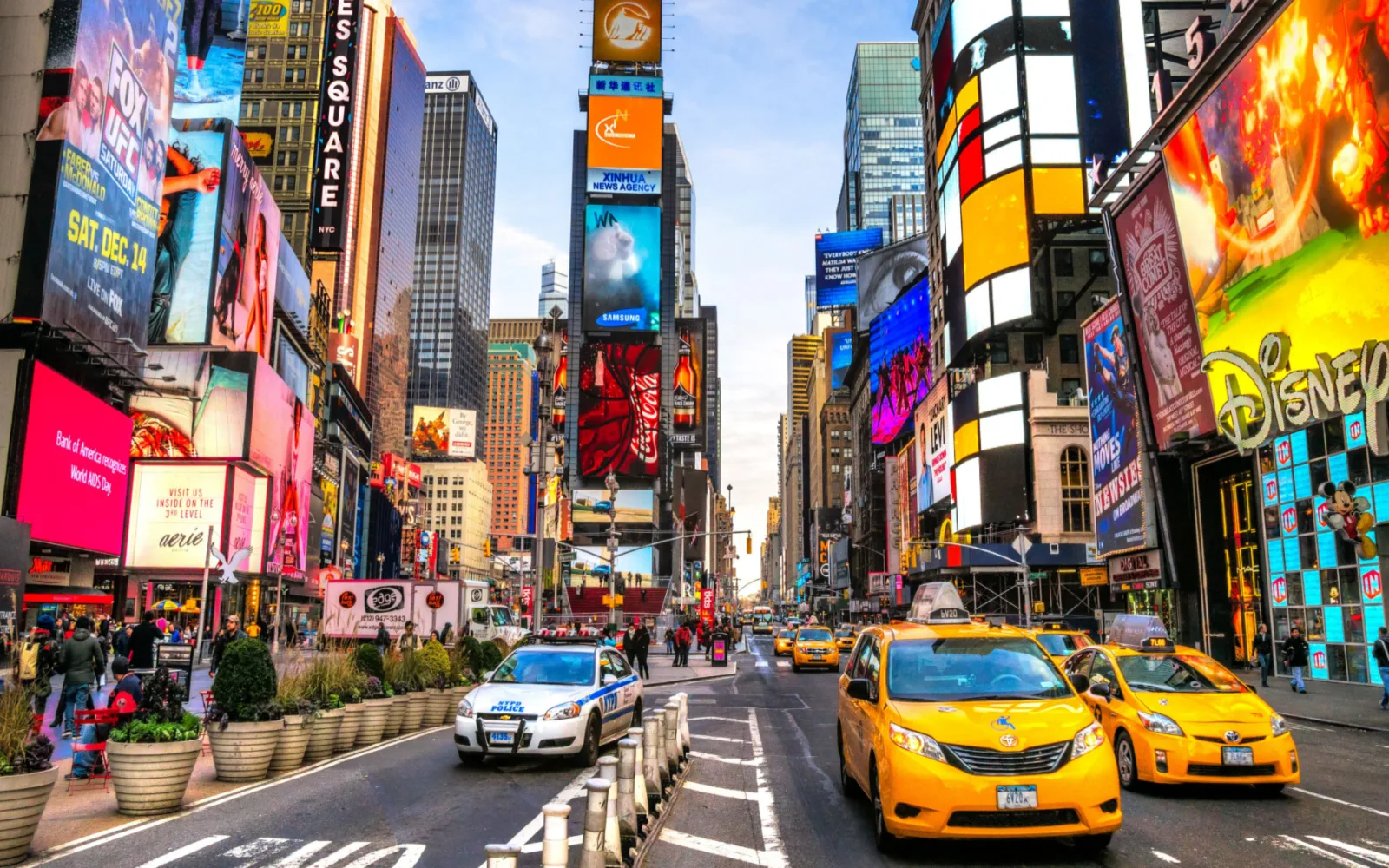
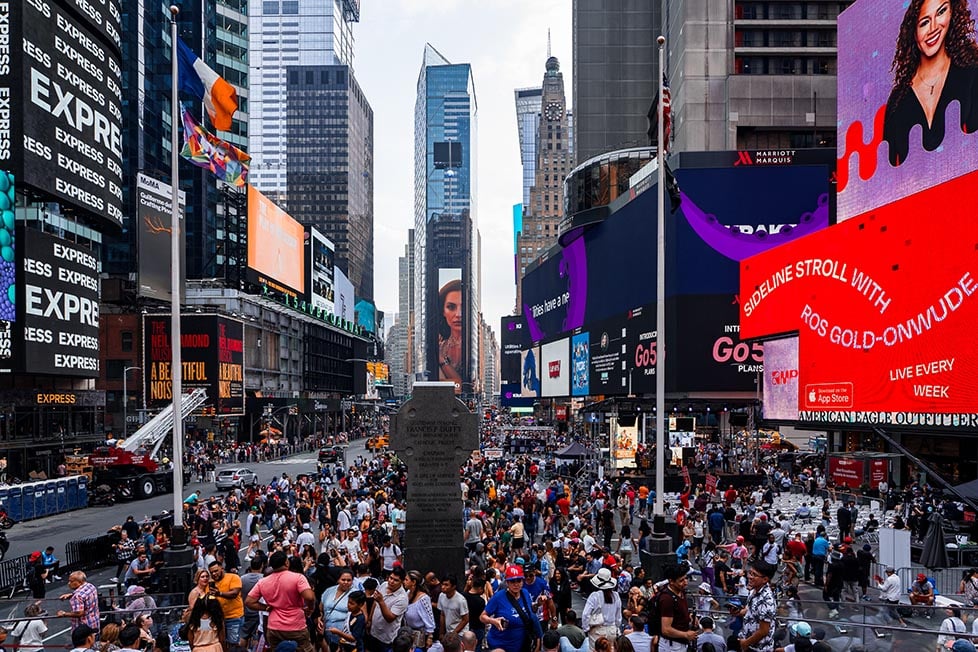
Times Square, with its dazzling billboards and constant stream of people, is a vibrant, albeit crowded, area. While it’s a must-see for many, being aware of your surroundings is essential due to the sheer volume of visitors. Pickpockets can be present in any crowded tourist spot, so keeping your belongings secure is key. Street performers and vendors are abundant; while many are legitimate, be wary of overly aggressive sales tactics or scams.
Central Park, a sprawling 843-acre oasis in the heart of Manhattan, offers a welcome respite from the urban bustle. It’s a popular spot for jogging, picnicking, and leisurely strolls. During daylight hours, the park is generally very safe, with plenty of other visitors around. However, like any large park, it’s advisable to stick to well-trafficked paths, especially if you’re visiting during less busy times or in more secluded areas. Park rangers patrol the area, and the New York City Police Department maintains a presence.
Visiting landmarks like the Empire State Building or the Top of the Rock Observation Deck involves security checks similar to those at airports, ensuring a safe and controlled environment for viewing the city’s breathtaking panoramas. The Metropolitan Museum of Art, The Museum of Modern Art (MoMA), and the American Museum of Natural History are all well-secured institutions that welcome visitors to explore their vast collections without concern.
Experiencing New York‘s Diverse Neighborhoods
New York City is a mosaic of distinct neighborhoods, each with its own character and charm. Exploring these diverse areas is a significant part of the travel experience. From the historic brownstones of Brooklyn Heights to the trendy streets of SoHo and the cultural enclaves of Chinatown and Little Italy, there’s something for everyone.
When venturing into different neighborhoods, especially those you’re less familiar with, it’s helpful to do a little research beforehand. Many neighborhoods are perfectly safe and welcoming to visitors. Public transportation makes it easy to hop between boroughs, offering a taste of the city’s incredible diversity. For instance, taking the L train to Williamsburg in Brooklyn offers a glimpse into the borough’s artistic and culinary scene. Similarly, exploring Jackson Heights in Queens provides an authentic multicultural experience.
As with any city exploration, especially after dark, it’s prudent to stick to well-lit, active streets. If you’re unsure about a particular area, it’s always okay to rely on taxis or ride-sharing services for a direct route. The New York City tourism sector, along with local authorities, actively works to ensure all major tourist areas and residential neighborhoods are safe and accessible.
Practical Advice for a Worry-Free New York Adventure
Beyond general safety awareness, there are practical steps you can take to ensure your New York City visit is both enjoyable and secure. Being prepared can significantly enhance your peace of mind.
Staying Connected and Informed
Having a reliable way to communicate is crucial. Ensure your mobile phone is charged and consider purchasing a local SIM card or an international data plan if your provider doesn’t offer suitable coverage. This allows you to use navigation apps, contact emergency services if needed, and stay in touch with your travel companions. Downloading offline maps of New York City can also be a lifesaver if you experience connectivity issues.
Familiarize yourself with emergency numbers in the United States. The primary emergency number is 911. Knowing this number allows you to quickly reach police, fire, or medical assistance if required.
Embracing Local Culture and Customs
Respecting local customs and being aware of common scams can contribute to a smoother and safer trip. New York is a melting pot of cultures, and while generally open and friendly, understanding basic etiquette can be helpful. For example, be aware of pedestrian traffic flow on sidewalks and avoid stopping abruptly in busy walkways.
Be cautious of individuals who approach you offering unsolicited help, especially if they seem overly friendly or persistent. Common tourist scams might involve rigged games in Times Square or individuals trying to sell counterfeit goods. A polite but firm “no, thank you” is usually sufficient to disengage.
When dining out, whether at a Michelin-starred restaurant in Tribeca or a casual diner in Queens, tipping is customary. A tip of 18-20% is standard for good service at restaurants.
Transportation in New York City: Options and Safety
The New York City subway system is a highly efficient and cost-effective way to traverse the city. It operates 24/7, making it a reliable option at any hour. While generally safe, it’s wise to be aware of your surroundings, especially during off-peak hours or on less crowded trains. Avoid sleeping or appearing disoriented, and keep your valuables secure. Familiarize yourself with the subway map and consider using transit apps like Citymapper or the official MYmta app for real-time information.
Taxis and ride-sharing services like Uber and Lyft are also abundant and offer convenient door-to-door service. Always ensure you are entering the correct vehicle and that the driver is authorized. For taxis, look for the familiar yellow cabs.
Walking is often the best way to experience New York City, especially within neighborhoods. Wear comfortable shoes, as you’ll likely be doing a lot of walking.

Conclusion: Your New York City Adventure Awaits
New York City is a dynamic, exhilarating destination that offers an unparalleled travel experience. While it’s a vast and busy metropolis, with sensible precautions and an awareness of your surroundings, you can enjoy all the wonders it has to offer with confidence. The city has a robust infrastructure for public safety, and millions of tourists visit annually without incident. Embrace the energy, explore the diverse neighborhoods, indulge in the world-class culinary scene, and immerse yourself in the unique rhythm of New York. Your New York City adventure is waiting, and with a little preparation, it will undoubtedly be a safe and unforgettable journey.
LifeOutOfTheBox is a participant in the Amazon Services LLC Associates Program, an affiliate advertising program designed to provide a means for sites to earn advertising fees by advertising and linking to Amazon.com. Amazon, the Amazon logo, AmazonSupply, and the AmazonSupply logo are trademarks of Amazon.com, Inc. or its affiliates. As an Amazon Associate we earn affiliate commissions from qualifying purchases.