
The question “Is New York dangerous?” is one that echoes in the minds of countless prospective visitors, often fueled by cinematic portrayals or outdated perceptions. As a global hub for travel, tourism, and lifestyle, New York City frequently confronts this query, and the answer is nuanced: like any major metropolis, New York presents certain challenges, but it is overwhelmingly a safe, vibrant, and incredibly rewarding destination. With a little awareness and preparation, visitors can navigate the city with confidence, immersing themselves in its unparalleled energy and myriad attractions.
New York City has undergone a dramatic transformation in safety over the past few decades. The high crime rates of the 1970s and 80s are a distant memory, replaced by a sophisticated, well-policed urban landscape that consistently ranks among the safest large cities in the United States and the world. For travelers planning to explore its iconic landmarks, indulge in its diverse culinary scene, or simply experience the unique rhythm of its streets, understanding the reality of safety in the five boroughs is the first step towards an unforgettable journey.

Debunking the Myths: Understanding New York’s Safety Reality
The perception of danger in New York City often lags behind the reality. While the city’s sheer scale and intensity can be intimidating to newcomers, official statistics and lived experiences paint a much more reassuring picture.
Historical Context vs. Modern Day Safety
For many, the image of New York is still colored by media from past eras – gritty crime dramas and news reports that depicted a city struggling with high rates of violent crime. However, since the mid-1990s, New York City has seen a consistent and remarkable decline in crime across nearly all categories. Initiatives by the New York City Police Department (NYPD), community engagement programs, and significant urban revitalization efforts have collectively transformed the city into a much safer place. Today, visitors will find a city that is not only welcoming but also actively maintained for the safety and enjoyment of its residents and millions of annual tourists. This transformation means that concerns rooted in historical data are largely unfounded for modern travel planning.
Perception vs. Reality: Crime Statistics
While crime is a reality in any large city, it’s crucial to distinguish between sensational headlines and actual risk levels for tourists. Petty crimes, such as pickpocketing or bag snatching, are the most common issues visitors might encounter, particularly in crowded tourist hotspots. Violent crime, however, is statistically very rare for tourists and is often concentrated in specific, non-touristy areas. For context, many of the world’s most beloved travel destinations, such as London, Paris, or Rome, face similar challenges with petty crime, and New York’s overall safety profile is comparable, if not superior, to many of these global cities. The key is to exercise the same common-sense precautions you would in any bustling urban environment.
Navigating the Urban Jungle: Practical Safety Tips for NYC Visitors
Being prepared and aware is your best defense against potential issues in New York. These practical tips will help ensure your travel experience is smooth and secure, whether you’re exploring famous landmarks or venturing into local neighborhoods.
Public Transportation Safety: Subways and Buses
New York’s extensive public transportation system, operated by the Metropolitan Transportation Authority (MTA), is an integral part of the city’s charm and an efficient way to get around. Millions use the subways and buses daily, and for the most part, it is a safe experience.
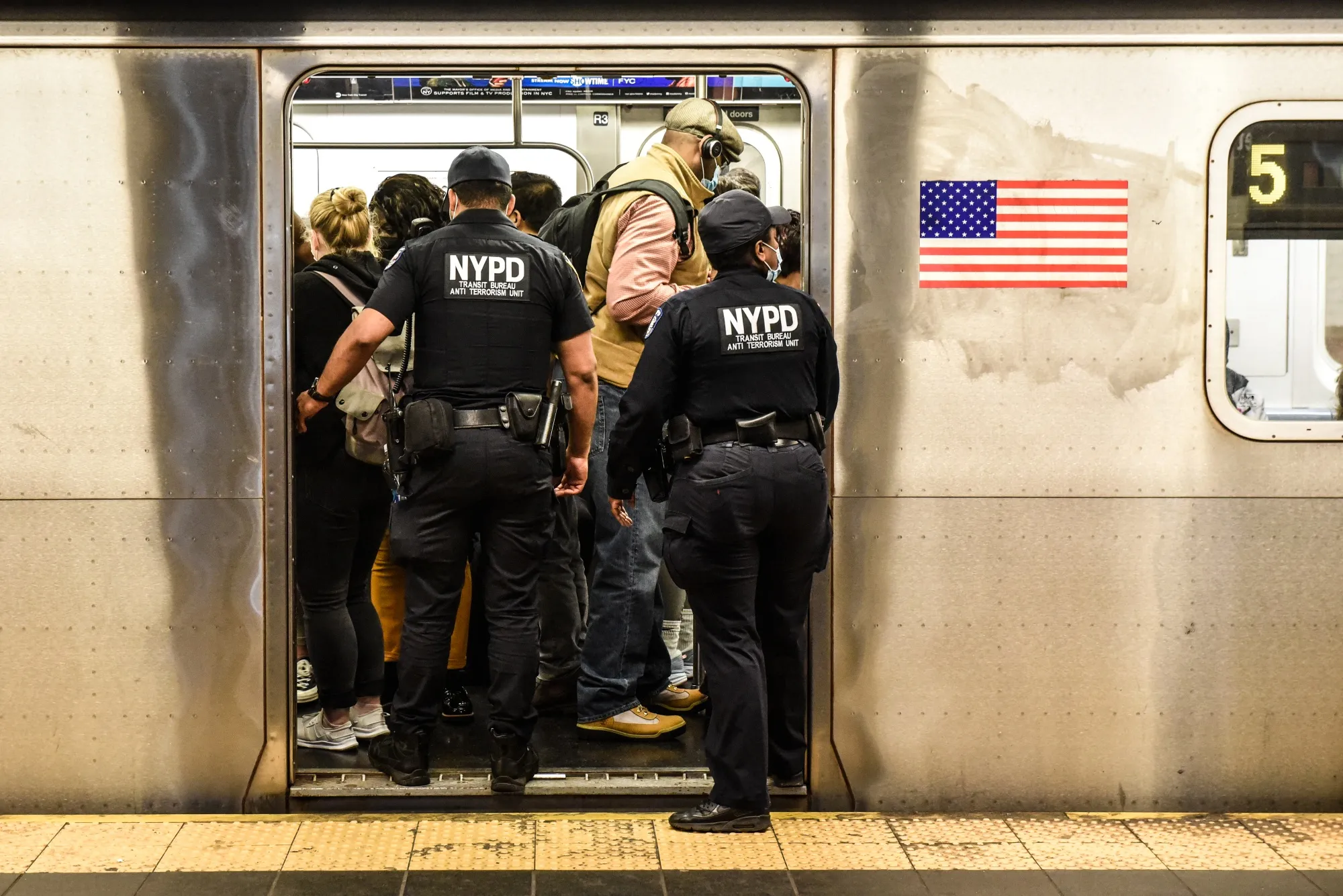
- Subway Smarts: While generally safe, especially during the day and early evening, maintain situational awareness. Avoid empty subway cars late at night. Stand near other people or the conductor’s car. Keep your valuables out of sight and be mindful of your surroundings, especially when trains are crowded.
- Bus Benefits: Buses offer a scenic and often less crowded alternative, particularly useful for exploring specific neighborhoods. They are generally considered very safe.
- Official Taxis and Ride-Shares: Yellow cabs are plentiful and regulated, offering a secure way to travel. Reputable ride-sharing apps like Uber or Lyft are also widely available and provide a tracked journey. Always confirm the vehicle and driver match the app’s details before entering.
Protecting Your Valuables: Avoiding Petty Crime
Petty theft is the most common crime affecting tourists. Opportunistic thieves target easy marks, so make yourself less of one.
- Secure Your Belongings: Keep wallets in front pockets, use cross-body bags with secure zippers, and avoid flaunting expensive jewelry or electronics. Backpacks should ideally be worn on your front in crowded areas like Times Square or on the subway.
- Be Wary of Distractions: Scammers often work in pairs, one creating a distraction while the other picks your pocket. Be skeptical of unsolicited approaches or unusual situations.
- ATM Awareness: Use ATMs inside banks or well-lit, busy areas. Shield your PIN and check for any tampering devices.
- Restaurant and Bar Safety: Never leave your phone or wallet unattended on a table or hanging on the back of a chair.
Staying Aware in Crowded Tourist Zones
Iconic destinations like Central Park, the Statue of Liberty, the Empire State Building, and Broadway shows draw massive crowds, which are prime environments for pickpockets. Enjoy the sights, but keep your wits about you.
- Keep a Low Profile: While enjoying the experience, try not to look overly lost or distracted by maps or phones, as this can make you an easier target.
- Avoid Tourist Scams: Be cautious of individuals offering “free” items (like CDs or roses) or demanding money for unsolicited “entertainment.” These are often tactics to distract or pressure you into payment. Street performers are generally legitimate but be aware of anyone demanding specific payment amounts.
- Crossing Streets: New York traffic can be relentless. Always use crosswalks, obey traffic signals, and look both ways, even on one-way streets. Pedestrians often take liberties, but as a visitor, it’s safer to err on the side of caution.
Choosing Your Base: Safe Neighborhoods and Accommodation
One of the best ways to ensure a safe and enjoyable trip is by selecting the right neighborhood for your accommodation. New York boasts a vast array of hotels, suites, apartments, and villas, catering to every budget and lifestyle, many of which are located in exceptionally safe areas.
Top Picks for Safe Stays
When considering where to book your stay, several neighborhoods consistently offer both safety and excellent access to attractions.
- Manhattan: Areas like the Upper West Side, Upper East Side, Chelsea, and the West Village are renowned for their residential tranquility, beautiful architecture, and low crime rates. Midtown, while bustling and home to many hotels like the Grand Hyatt Hotel or the Pod 51 Hotel, is heavily policed due to its commercial activity and constant tourist presence. The Financial District and Tribeca are also very safe, especially after business hours when they become quieter.
- Brooklyn: Neighborhoods such as Dumbo, Brooklyn Heights, and Park Slope offer a charming, distinct experience with excellent safety records. These areas provide stunning views of the Manhattan skyline and easy access via the Brooklyn Bridge or subway.
- Queens: Long Island City has become a popular choice for its affordability, fantastic city views, and quick subway connections to Manhattan, all within a very safe environment.
When booking accommodation, always check recent reviews regarding neighborhood safety and hotel security. Reputable booking platforms will often feature guest comments that can give you real-world insights. Consider hotels with 24-hour reception, good lighting, and secure access.
Accommodations for Every Lifestyle
Whether you’re looking for luxury travel or budget travel, New York offers secure options.
- Luxury Stays: High-end hotels like The Plaza Hotel or The St. Regis New York offer exceptional security and concierge services to assist with safe transport and activity planning.
- Budget-Friendly Options: Many reputable budget hotels and hostels, such as Arlo Nomad or Pod 51 Hotel, prioritize guest safety with secure keycard access and staff presence. Researching reviews for security features is key.
- Apartment Rentals: If opting for an apartment or villa through platforms like Airbnb, ensure the host has good reviews, the location is well-regarded, and there are clear instructions for secure entry.
Experiencing the Best of New York Safely
New York City offers an unparalleled array of experiences, from world-class museums to vibrant nightlife and serene parks. Enjoying these without compromising your safety is entirely achievable.
Enjoying New York’s Vibrant Nightlife
The city truly comes alive after dark, with Broadway shows, live music venues, exquisite restaurants, and bustling bars.
- Group Travel: When going out at night, especially to unfamiliar areas, it’s always safer to travel in groups.
- Transportation at Night: Stick to well-lit, busy streets. Utilize official yellow cabs, ride-sharing apps, or the subway in well-trafficked areas. If taking the subway late, wait on the platform in sight of other people and ride in the conductor’s car.
- Awareness and Moderation: Be mindful of your alcohol consumption to maintain awareness. Never leave drinks unattended.
- Specific Nightlife Areas: Areas like Greenwich Village, SoHo, and parts of the Lower East Side are popular for nightlife and generally safe due to constant activity and foot traffic.
Family Fun and Solo Adventures
New York is a fantastic destination for families and solo travelers alike, with safety considerations specific to each group.
- Family Trips: When traveling with children, stick to popular, family-friendly attractions like Central Park, the American Museum of Natural History, or Coney Island. Keep a close eye on children in crowds. Consider using child locator devices or wristbands with contact information.
- Solo Travelers: New York is highly walkable and has a strong sense of community, making it ideal for solo exploration. Leverage busy areas during the day for sightseeing – Grand Central Terminal, the Metropolitan Museum of Art, and the High Line are perfect for solo adventures. At night, prioritize well-lit, populated routes and reliable transportation. Always inform someone of your itinerary, especially if venturing out alone.
What to Do in an Emergency: Resources and Preparedness
While the likelihood of needing emergency assistance is low, knowing what to do can provide peace of mind.
Key Contacts and Local Support
- Emergency Services: In any emergency requiring police, fire, or medical assistance, dial 911 immediately. Operators are trained to assist and dispatch help efficiently.
- Non-Emergency Police: For non-urgent police matters, you can call 311.
- Your Embassy/Consulate: If you are an international traveler and lose your passport or encounter serious issues, contact your country’s embassy or consulate in New York City. Keep their contact information handy.
- Hotel Staff: Your accommodation staff, especially at reputable hotels, can be a valuable resource for local safety advice and assistance if you encounter a problem.
Being prepared means having important documents photocopied or digitally stored, carrying only necessary identification, and having a small amount of emergency cash separate from your main wallet. Consider travel insurance that covers theft and medical emergencies.

Conclusion: New York Awaits
So, “Is New York dangerous?” The definitive answer is: no more dangerous than any other major global city, and in many respects, significantly safer than its historical reputation suggests. With its robust public safety infrastructure and the inherent vigilance that comes with being a discerning traveler, you can confidently explore every facet of this incredible destination. From the historic streets of Wall Street and the architectural marvels like the Flatiron Building and Rockefeller Center, to the serene beauty of Brooklyn Botanic Garden and the artistic treasures of the Museum of Modern Art, New York City is an experience not to be missed.
By staying informed, remaining aware of your surroundings, and employing basic urban safety practices, you can focus on what truly matters: savoring the local culture, indulging in world-class food, experiencing unforgettable activities, and creating memories that will last a lifetime. New York is ready to welcome you, and with a little preparation, you’re ready to embrace all it has to offer safely.
LifeOutOfTheBox is a participant in the Amazon Services LLC Associates Program, an affiliate advertising program designed to provide a means for sites to earn advertising fees by advertising and linking to Amazon.com. Amazon, the Amazon logo, AmazonSupply, and the AmazonSupply logo are trademarks of Amazon.com, Inc. or its affiliates. As an Amazon Associate we earn affiliate commissions from qualifying purchases.