
When geographers, travelers, and residents alike look at the map of the United States, the question of regional identity often arises. While New York is definitively located on the Atlantic coast, the nuance of whether it is “East” in a cultural, political, or geographical sense creates a fascinating dialogue. To understand New York City, one must peel back the layers of its position as the ultimate East Coast anchor and its paradoxical role as a global, independent entity.
The Geographical Imperative of the Atlantic Coast
From a purely cartographic perspective, New York State serves as a defining feature of the Eastern Seaboard. Stretching from the rugged Adirondack Mountains down to the bustling harbor of the five boroughs, the state occupies a space that has historically defined the arrival point for travelers from Europe and the gateway to the rest of the continent.

Defining the Eastern Corridor
The concept of the “East” in America is synonymous with density, history, and a certain frenetic energy. Unlike the sprawling, car-centric landscapes of the West Coast, New York is built on a foundation of walkability and transit. This architectural density is a direct result of its Eastern coastal heritage. Cities like Boston to the north and Philadelphia to the south share this DNA, forming a continuous megalopolis that functions as the engine of the nation’s economy.
Maritime Influences and Climate
The Atlantic Ocean acts as a buffer and a conduit. The maritime climate of Long Island and the Hudson Valley dictates a lifestyle that is distinctly different from the arid conditions of the Midwest or the Southwest. The proximity to the water ensures that New York remains tethered to global trade routes, solidifying its status as an Eastern powerhouse that looks outward toward the Atlantic Ocean.
The Cultural Divergence: New York vs. The Rest of the East
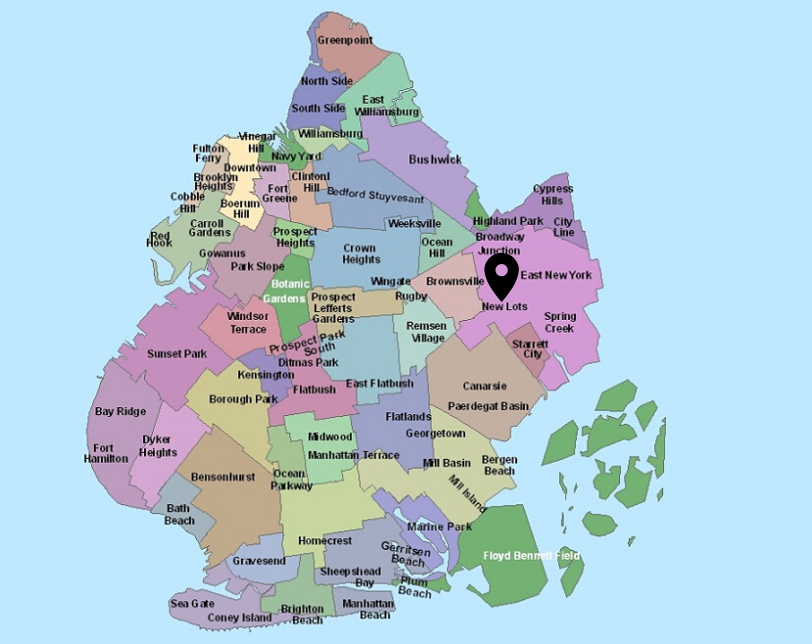
While New York is geographically “East,” it often feels like a country unto itself. The culture of Manhattan or Brooklyn is rarely confused with the quieter, more traditional rhythms found in the rural reaches of New England or the slower pace of the Mid-Atlantic.
The Global Melting Pot
What sets New York apart from other Eastern cities is its relentless internationalism. While places like Charleston or Savannah hold firmly to their Southern, colonial-era roots, New York has spent centuries shedding its singular past to embrace a multifaceted, global present. The influence of Italy, China, Ireland, and Puerto Rico has created a unique hybrid culture that transcends simple “Eastern” categorization.
The Pace of Professionalism
The intensity of the professional landscape in the Financial District or Midtown represents a distinct Eastern work ethic. There is a transactional, direct nature to social interactions in New York that stands in stark contrast to the hospitality norms found in the Deep South. In this sense, the “East” as represented by New York is synonymous with efficiency, ambition, and a lack of patience for the superfluous.
Tourism and the Perception of the Region
For the millions of visitors who flock to Times Square or the Statue of Liberty every year, the label of “East” is largely irrelevant. The traveler’s experience is defined by the verticality of The Empire State Building and the green expanses of Central Park.
Defining the Destination
When travelers think of the East, they often conjure images of red-brick townhouses, autumn foliage in the Catskill Mountains, and the cobblestone streets of Greenwich Village. New York delivers on these aesthetic expectations, providing the quintessential “Eastern” experience. However, the city frequently subverts these expectations by offering a landscape that is constantly evolving, with new glass-and-steel skyscrapers rising alongside historic landmarks like Grand Central Terminal.
Connectivity to the Wider Region
Tourism in New York is often linked to the ease of traveling to other regional hotspots. A visitor can take a train from Penn Station and be in Washington D.C. in a matter of hours. This interconnectedness reinforces the identity of the Northeast as a cohesive travel circuit. Despite New York’s size and grandeur, it remains the anchor point of a regional network that relies on the density and proximity of neighboring states to sustain its thriving tourism industry.
Is “East” Still a Meaningful Designation?
As the world becomes more digitized and decentralized, the utility of regional labels like “East” or “West” diminishes. New York is less a representative of a specific region and more an outpost of globalized culture.
Bridging the Divide
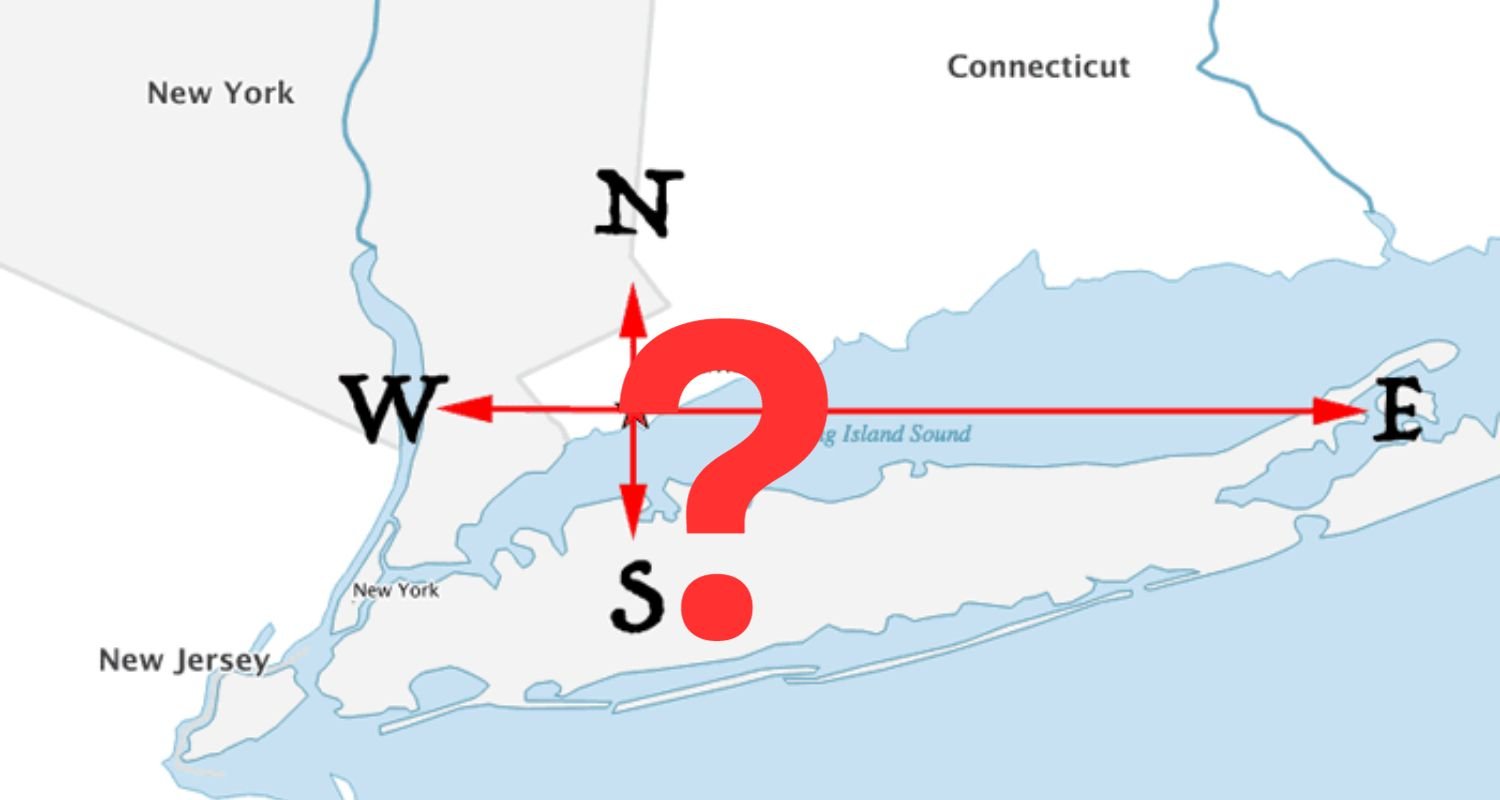
While one could argue that New York is an East Coast city by map, its heart is international. It serves as the bridge between the old world of Europe and the new world of the Americas. To visit New York is not simply to visit the East; it is to visit a focal point where the world converges.
The Eternal Lure
Ultimately, New York defies rigid geographical boxes. It is too diverse to be strictly “Eastern” in the traditional sense, yet it is too deeply rooted in its Atlantic history to be anything else. For the traveler, this ambiguity is part of the charm. Whether you are wandering through The Metropolitan Museum of Art or enjoying the harbor views from Brooklyn Bridge Park, the city invites you to explore its complexities without demanding that you define its place on a map.
The reality remains that New York is the destination that defines the Eastern experience for the modern world. It is a city that captures the history of the Atlantic and projects it into the future. It is, undeniably, the most iconic representation of the East, even as it constantly proves that it belongs to everyone, everywhere.
LifeOutOfTheBox is a participant in the Amazon Services LLC Associates Program, an affiliate advertising program designed to provide a means for sites to earn advertising fees by advertising and linking to Amazon.com. Amazon, the Amazon logo, AmazonSupply, and the AmazonSupply logo are trademarks of Amazon.com, Inc. or its affiliates. As an Amazon Associate we earn affiliate commissions from qualifying purchases.