
Navigating the intricacies of time zones can be a perplexing aspect of modern life, especially when planning a trip or coordinating with individuals in different parts of the world. The question of whether New York operates on GMT-5 or GMT-4 is a common one, and the answer, like many geographical and temporal matters, is nuanced. It hinges on the presence and observance of Daylight Saving Time (DST). Understanding this distinction is crucial for accurate scheduling, avoiding missed connections, and ensuring a seamless experience when engaging with the vibrant metropolis. This article delves into the temporal landscape of New York, providing clarity on its standard time and the adjustments made during warmer months.
Understanding Coordinated Universal Time (UTC) and Time Zones
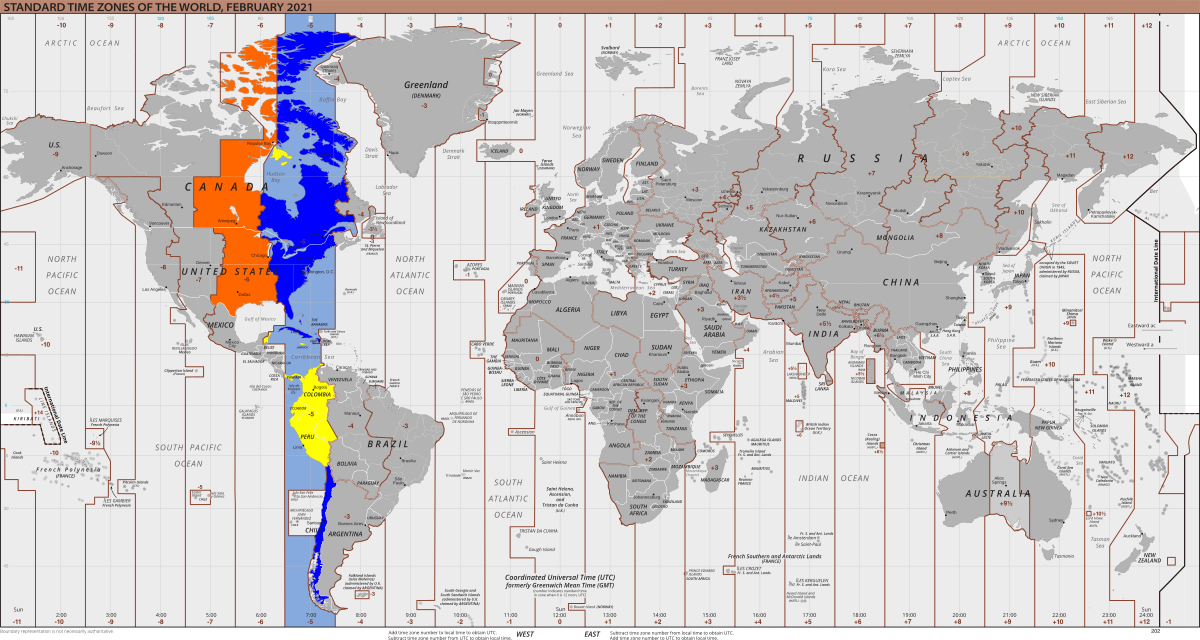
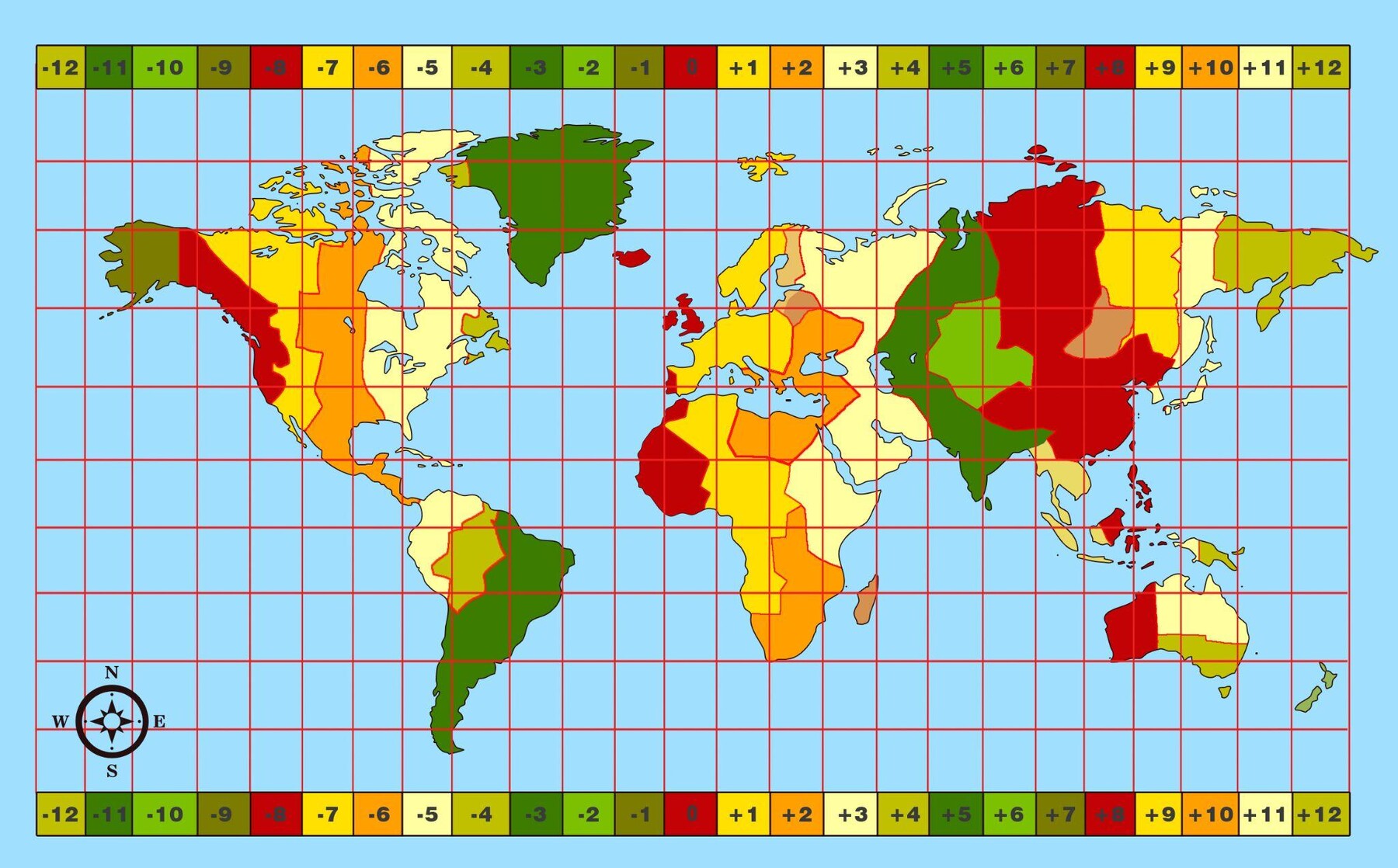
Before directly addressing New York’s specific time, it’s essential to grasp the foundational concept of Coordinated Universal Time (UTC) and how regional time zones are derived from it. UTC serves as the primary time standard by which the world regulates clocks and time. It is effectively the successor to Greenwich Mean Time (GMT), although GMT is still often used colloquially. Time zones are established as offsets from UTC, typically in whole-hour increments. These offsets are determined by longitude, with regions to the east of the Prime Meridian (0° longitude) observing times ahead of UTC, and regions to the west observing times behind UTC.
The Basis of Time: UTC and its Relation to GMT
Coordinated Universal Time (UTC) is a high-accuracy atomic time scale, maintained by the International Bureau of Weights and Measures (BIPM). For most practical purposes, especially in relation to common time zone discussions, UTC is functionally equivalent to Greenwich Mean Time (GMT). GMT was historically based on astronomical observations at the Royal Observatory in Greenwich, London, and remains a familiar reference point for many. When discussing time differences, the notation “GMT-X” or “UTC-X” signifies that a particular region is X hours behind GMT or UTC, respectively. Conversely, “GMT+X” or “UTC+X” indicates a time zone that is X hours ahead. The global system of time zones allows for a standardized way to communicate and manage time across different geographical locations, facilitating everything from international business to travel.
Eastern Standard Time (EST) and Eastern Daylight Time (EDT)
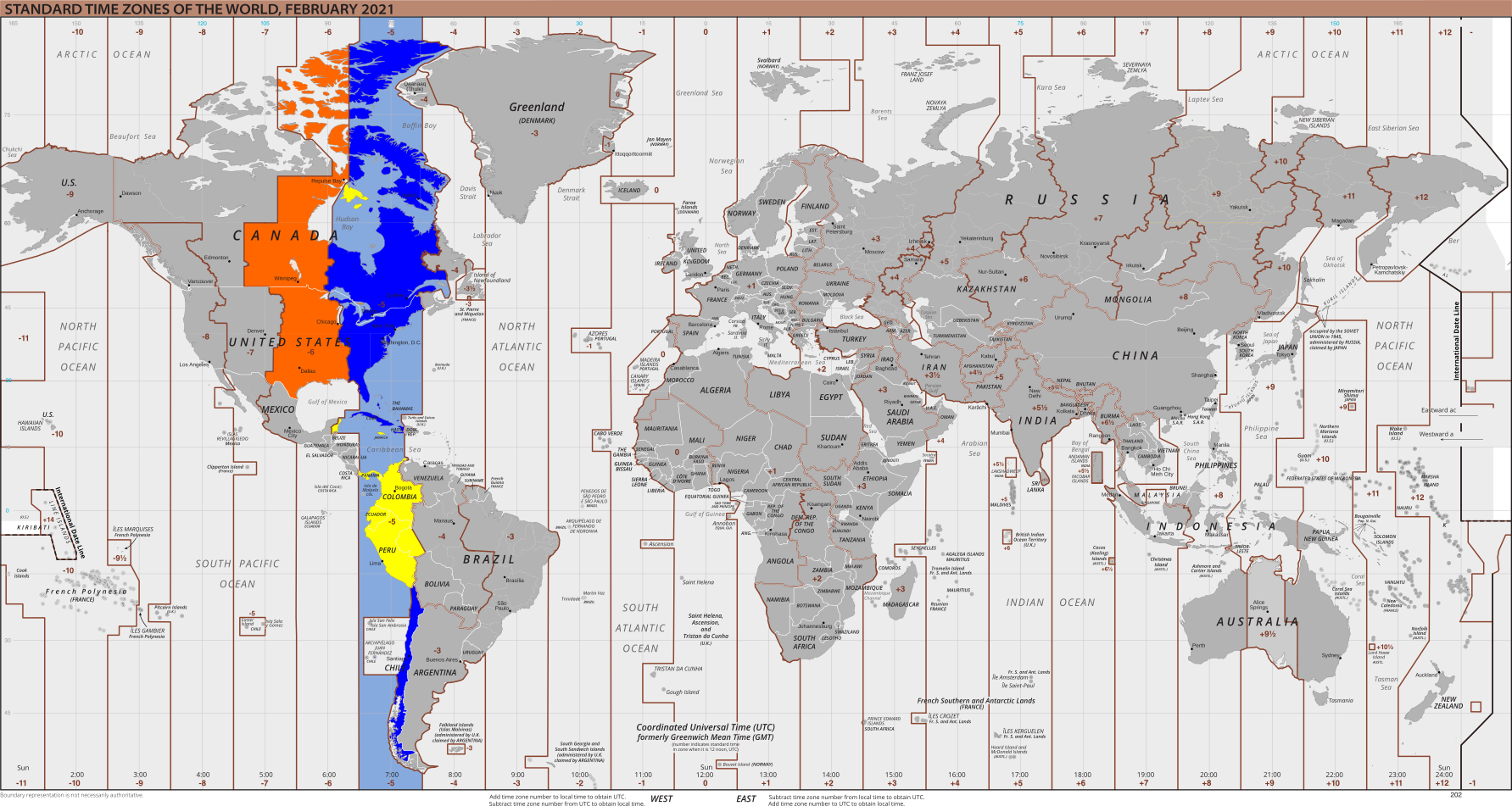
The primary time zone encompassing New York is known as the Eastern Time Zone. During the fall and winter months, New York observes Eastern Standard Time (EST). EST is defined as UTC-5. This means that during this period, New York time is five hours behind Coordinated Universal Time. For instance, when it is 12:00 PM UTC, it is 7:00 AM EST in New York. This is the “standard” time for the region, providing a consistent temporal anchor throughout the non-daylight saving period.
However, for a significant portion of the year, New York transitions to Eastern Daylight Time (EDT). EDT is defined as UTC-4. This means that during the period when Daylight Saving Time is in effect, New York time is four hours behind Coordinated Universal Time. Consequently, when it is 12:00 PM UTC, it is 8:00 AM EDT in New York. This shift forward by one hour is the core reason for the apparent fluctuation between GMT-5 and GMT-4.
The Impact of Daylight Saving Time on New York’s Temporal Position
Daylight Saving Time (DST) is the practice of advancing clocks during warmer months so that darkness falls at a later hour of the day. In the United States, DST typically begins on the second Sunday in March and ends on the first Sunday in November. This annual adjustment directly influences New York’s offset from UTC.
When New York is GMT-5: Eastern Standard Time (EST)
During the period when Daylight Saving Time is not in effect, New York adheres to Eastern Standard Time (EST). As previously established, EST corresponds to UTC-5. This means that for roughly half the year, New York is consistently five hours behind UTC. This is the temporal baseline for the city, offering a predictable reference point for international communications, flight schedules, and business operations that do not account for DST. For example, if you are scheduling a conference call with a business partner in London, which observes Greenwich Mean Time (GMT), during EST, New York will be five hours behind London. This understanding is critical for accurate planning and avoiding misunderstandings, particularly when dealing with time-sensitive matters.
When New York is GMT-4: Eastern Daylight Time (EDT)
When Daylight Saving Time is observed, New York switches to Eastern Daylight Time (EDT), which is UTC-4. This one-hour advancement means that New York time is now only four hours behind UTC. This shift is implemented to make better use of daylight during the longer days of spring and summer. For travelers planning a visit during this period, it’s important to note this change. For instance, if you’re coordinating with someone in Paris, which is typically UTC+1 (or UTC+2 during its own DST), the time difference will be different in March compared to July. Understanding this shift is paramount for booking flights, making restaurant reservations, or simply calling friends and family back home. The period of EDT typically spans from mid-March to early November.
Practical Implications for Travelers and Global Interactions
The distinction between GMT-5 and GMT-4 for New York has significant practical implications for a wide range of activities, from personal travel to international business. Misunderstanding these time shifts can lead to missed appointments, inconvenient travel plans, or simply a general sense of temporal disorientation.
Scheduling and Communication Across Time Zones
For business professionals, diplomats, and anyone involved in international collaborations, accurate time zone awareness is non-negotiable. When scheduling meetings with individuals in different parts of the world, it’s imperative to consider whether New York is currently observing EST (GMT-5) or EDT (GMT-4). A simple search for the current time in New York will reveal its active time zone, but understanding the underlying principles of DST allows for proactive planning. Many digital calendars and scheduling tools automatically adjust for DST, but manual calculations or cross-verification are always advisable. When communicating with counterparts in Europe, for example, the time difference can shift by an hour depending on whether both locations are on standard time or daylight saving time. This knowledge can be the difference between a successful negotiation and a missed opportunity.
Travel Planning and Logistics
For tourists and travelers, knowing whether New York is GMT-5 or GMT-4 is essential for planning itineraries, booking flights, and arranging accommodations. Flight schedules are based on local times, and understanding the time zone offset ensures accurate arrival and departure times. If you are flying from a country that observes DST at a different time of year than the United States, you might find that the time difference changes unexpectedly during your trip. For example, if you’re flying from a European country that has already ended its DST to New York before it begins its DST, the time difference might be greater than anticipated. Similarly, booking tours or making dinner reservations in New York requires an awareness of the local time, and confirming this during periods of DST change is important. This temporal precision contributes to a smoother and more enjoyable travel experience, minimizing the stress often associated with navigating unfamiliar time zones. Whether you are heading to the iconic Times Square or planning a visit to the Metropolitan Museum of Art, understanding the temporal dynamics of New York ensures you arrive on time and make the most of your visit.
LifeOutOfTheBox is a participant in the Amazon Services LLC Associates Program, an affiliate advertising program designed to provide a means for sites to earn advertising fees by advertising and linking to Amazon.com. Amazon, the Amazon logo, AmazonSupply, and the AmazonSupply logo are trademarks of Amazon.com, Inc. or its affiliates. As an Amazon Associate we earn affiliate commissions from qualifying purchases.