
When travelers begin planning a domestic excursion across the United States, a common point of confusion arises regarding the sheer scale of the country’s most iconic regions. The question of whether New York is bigger than Texas often sparks spirited debates, usually rooted in the contrast between a bustling global metropolis and a sprawling, rugged state. To understand these two titans of American tourism, one must look beyond simple square mileage and examine the different ways they command space, influence, and visitor experiences.
The Geographical Reality: A Tale of Two Scales
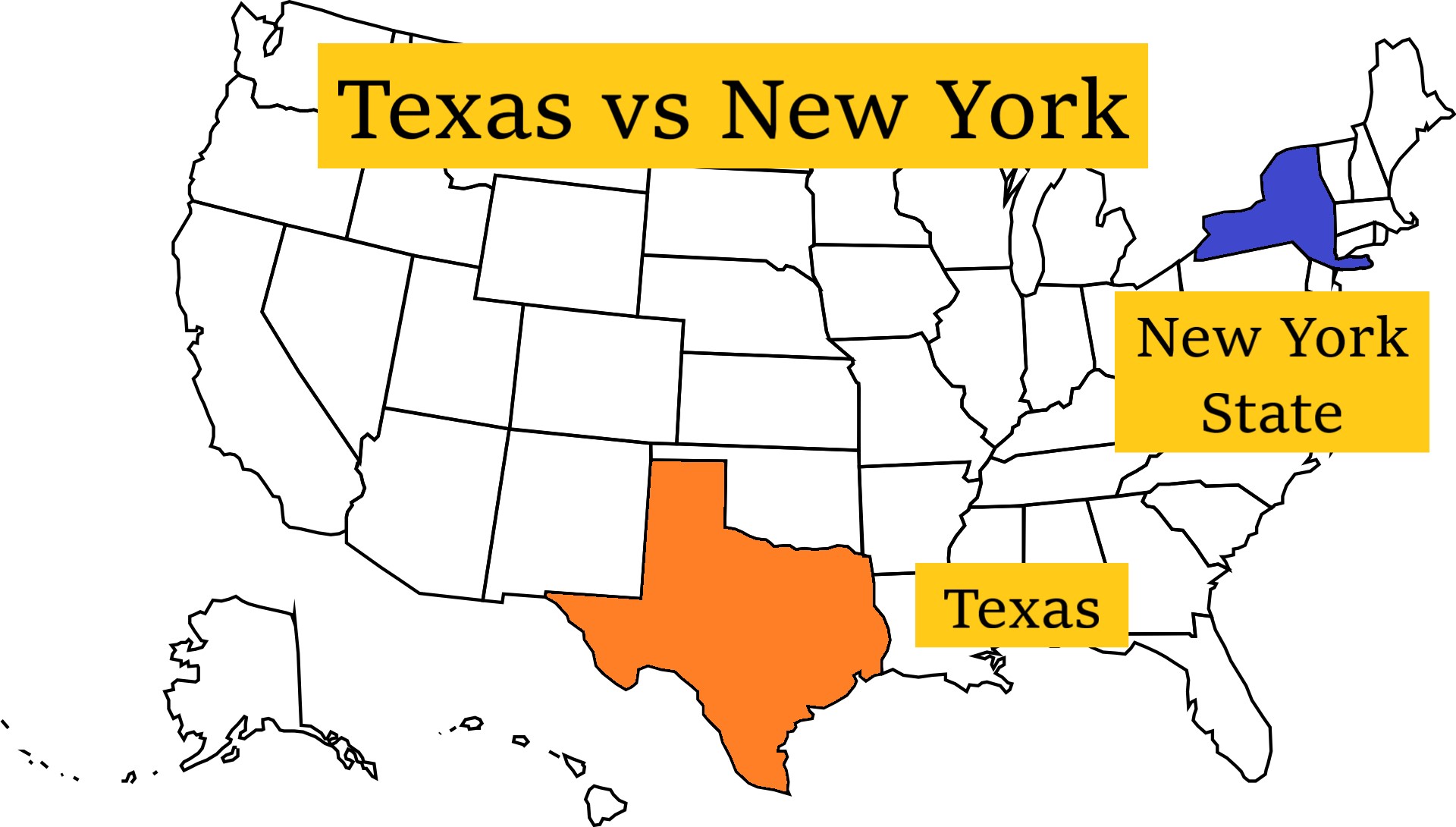
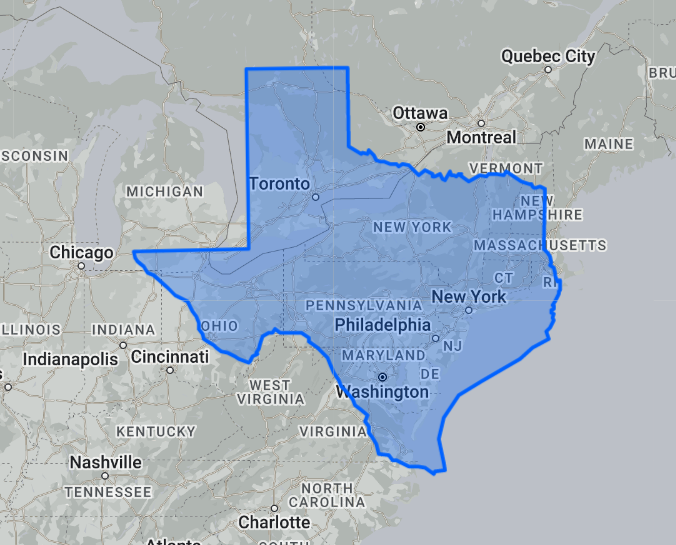
To address the literal inquiry, we must turn to landmass. When measuring strictly by square miles, there is no contest. Texas is the second-largest state in the union, covering approximately 268,596 square miles. In contrast, the State of New York covers roughly 54,555 square miles.
The Vastness of the Lone Star State
Texas is a land of horizon-stretching plains, dense pine forests, and vast desert landscapes. A road trip from the Red River in the north to the Rio Grande in the south can take over twelve hours of pure driving time. For the traveler, this means that Texas offers a sense of boundless freedom. Whether you are exploring the rugged trails of Big Bend National Park or navigating the sprawling urban grid of Houston, the state demands a significant time commitment. Its sheer size dictates the pace of tourism; you do not simply “visit” Texas in a weekend—you inhabit it region by region.
The Compact Intensity of the Empire State
New York operates on a different frequency. While it lacks the sheer acreage of the southern giant, it packs a staggering density of experiences into a smaller footprint. Outside of New York City, the state offers the rolling vistas of the Catskill Mountains, the historical grandeur of the Hudson Valley, and the thundering majesty of Niagara Falls. The “bigness” of New York is found in its verticality and its concentration of cultural landmarks rather than its horizontal spread.
Cultural Footprint: Influence and Identity
Beyond physical dimensions, “bigness” is often measured by cultural impact. Here, both regions exert a gravity that pulls in millions of travelers annually, though they do so in fundamentally different ways.
The Global Stage of New York City
New York City is arguably the most famous city on the planet. Its cultural “size” is unmatched; from the neon lights of Times Square to the hushed halls of the Metropolitan Museum of Art, the city is a microcosm of the world. Tourists from every corner of the globe flock to Manhattan to witness the architectural marvel of the Empire State Building or to walk the green expanse of Central Park. This concentration of iconicity makes the state feel incredibly “big” in terms of importance and recognition, even if you can traverse its major urban hub on the subway in under an hour.
The Mythic Stature of the Texan Identity
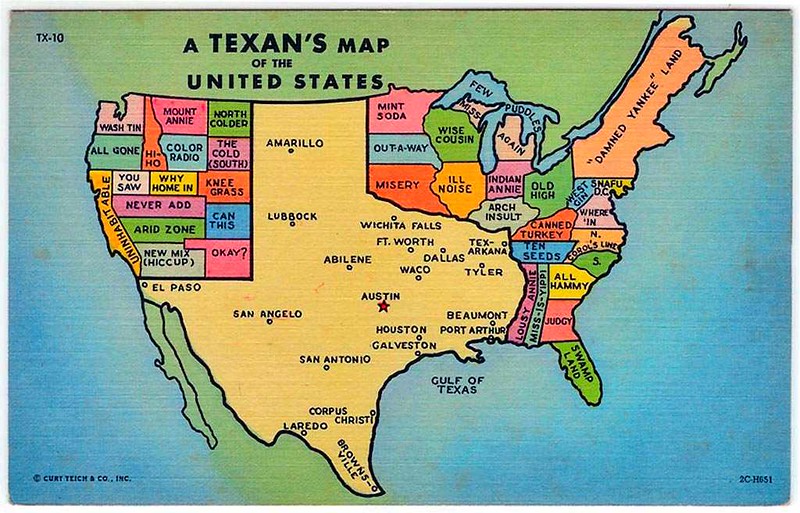
Texas projects a different kind of cultural magnitude. It is defined by its strong sense of independence, history, and distinct lifestyle. The state’s “bigness” is felt in its legendary status in pop culture—from the mythos of the Alamo in San Antonio to the tech-forward, high-energy atmosphere of Austin. When people think of the quintessential American experience, they often think of the Texas Hill Country or the cowboy heritage that still permeates the culture. Its influence is wide-reaching, characterized by a “bigger is better” ethos that informs everything from its massive state fairs to its iconic culinary scene.
Navigating the Tourism Experience
When choosing between these two destinations for your next vacation, the definition of “size” should dictate your itinerary.
Why Choose New York for Your Next Trip?
If your goal is to maximize the number of “bucket list” items checked off in a single week, New York is superior. The efficiency of regional rail allows travelers to move from the intense energy of Broadway to the serene shores of Long Island or the quiet charm of the Adirondack Mountains with relative ease. It is a destination that rewards the curious explorer with a dense, layered experience where every block feels like a destination unto itself.
Why Choose Texas for Your Next Trip?
If your goal is to experience space, diversity of landscape, and a slower, more deliberate pace of discovery, Texas is unmatched. It is a destination for the road-tripper, the history enthusiast, and the culinary adventurer. You visit Texas to feel the scale of the Gulf Coast and to lose yourself in the vastness of the western plains. It is a state that forces you to slow down, drive the long stretches of highway, and appreciate the subtle differences between the vibrant neighborhoods of Dallas and the historical charm of Fort Worth.
Conclusion: Perspective Determines the Winner
Is New York bigger than Texas? Physically, objectively, and geographically, it is not. Texas occupies a much larger space on the map. However, if we define “bigness” as the density of cultural landmarks, the volume of international recognition, and the concentration of history, then New York holds its own in a way that very few places can.
Ultimately, the choice for a traveler is not about which is bigger, but about what kind of experience they are seeking. If you crave the electric, compressed energy of a global cultural capital, look toward the Northeast. If you crave the open road, diverse regional climates, and a deep, storied sense of place, the wide horizons of the South await. Both are titans in their own right, and both offer an essential piece of the puzzle that makes the United States such a complex and rewarding destination to explore. Whether you find yourself admiring the skyline of New York City or watching the sunset over the plains of Texas, you are witnessing the true, incomparable scale of American travel.
LifeOutOfTheBox is a participant in the Amazon Services LLC Associates Program, an affiliate advertising program designed to provide a means for sites to earn advertising fees by advertising and linking to Amazon.com. Amazon, the Amazon logo, AmazonSupply, and the AmazonSupply logo are trademarks of Amazon.com, Inc. or its affiliates. As an Amazon Associate we earn affiliate commissions from qualifying purchases.