
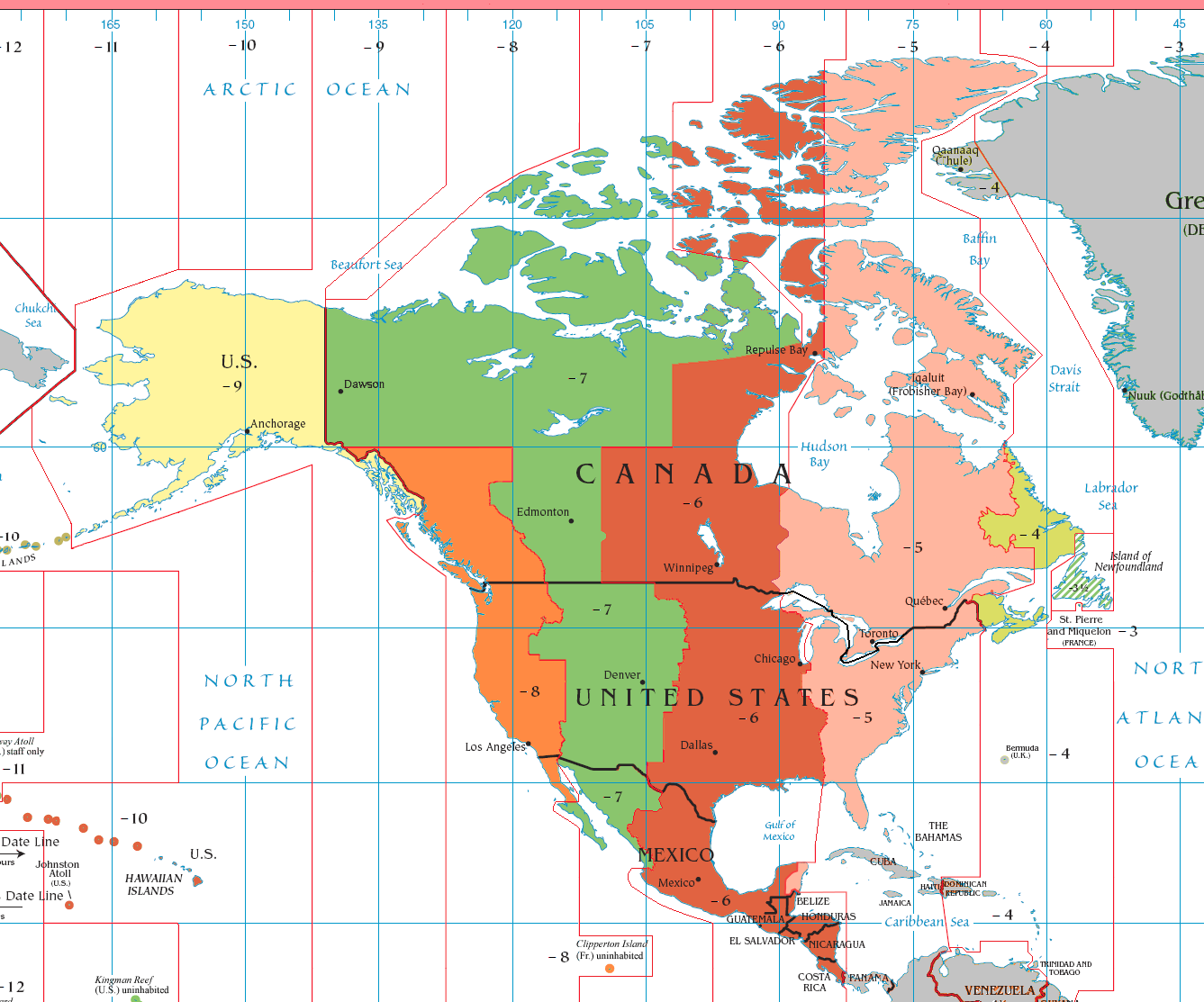
For travelers planning a visit to New York, understanding the local time zone is a foundational aspect of trip logistics. Whether you are flying into John F. Kennedy International Airport from overseas or taking a train from Washington D.C., keeping track of the clock is essential for meeting tour guides, checking into your hotel, or making dinner reservations at iconic spots like The River Café. The short answer to the inquiry is yes, New York operates on Eastern Standard Time (EST) during the winter months, but the reality of timekeeping in the United States is slightly more nuanced due to the seasonal transition to Daylight Saving Time.
The Seasonal Rhythm of New York Time
The temporal landscape of New York City is defined by the shift between Eastern Standard Time and Eastern Daylight Time (EDT). Understanding this cycle is vital for those who frequent the East Coast for business or leisure.
Understanding Daylight Saving Time
While the base time zone for the city is Eastern Standard Time, the region observes Daylight Saving Time for a significant portion of the year. This practice involves advancing clocks by one hour during the warmer months, typically from the second Sunday in March until the first Sunday in November. During this period, the clocks shift to Eastern Daylight Time. This ensures that the long summer evenings in Central Park or the High Line remain bright well into the evening, providing more time for locals and tourists alike to enjoy the vibrant outdoor culture of the metropolis.
The Impact on International Travel
For international travelers arriving from Europe or Asia, the time difference can be substantial. When preparing for a trip, it is helpful to check current time conversions relative to Greenwich Mean Time. Because the United States changes its clocks on specific dates that may differ from those in the United Kingdom or other parts of the world, there are occasional brief windows where the time gap between New York and your home country might vary by an hour. Always verify your flight arrival times, which are displayed in the local time of the destination, to ensure a smooth transition upon landing at LaGuardia Airport or Newark Liberty International Airport.
Time Management for the Urban Explorer
Navigating a massive urban landscape requires careful planning, especially when you are balancing multiple appointments across different boroughs. New York is a city that literally never sleeps, and staying synchronized with the local clock is the first step toward a successful itinerary.

Coordinating Sightseeing and Reservations
If you have tickets for a Broadway show at a theater near Times Square or a dinner reservation at a high-end establishment in Midtown Manhattan, timing is everything. New Yorkers are known for their punctuality, and many venues strictly adhere to performance start times. Being late by even a few minutes can result in missed opportunities. Use your smartphone to sync with the local network provider to ensure that your device automatically updates whenever the Daylight Saving shift occurs.
Jet Lag and Recovery
Traveling across multiple time zones can lead to fatigue, which may affect your ability to enjoy landmarks like the Empire State Building or the Statue of Liberty. Experts often suggest adjusting your internal clock before you even leave for your trip. By shifting your sleep schedule by an hour or two in the days leading up to your departure, you can minimize the shock of the time difference. Once you arrive at your accommodation, such as the Plaza Hotel or the St Regis New York, try to get exposure to natural daylight, which helps the body’s circadian rhythm recalibrate to the local time.
Navigating Transport Schedules
One of the most common reasons travelers query time zone information is to avoid missing transportation connections. The New York City Subway system and the various regional train lines rely heavily on precise timekeeping to keep millions of people moving daily.
Relying on Digital Timetables
Modern transit apps have revolutionized how tourists navigate the city. These tools provide real-time updates based on Eastern Standard Time or Eastern Daylight Time, depending on the season. Whether you are catching a Long Island Rail Road train to The Hamptons or heading to a meeting in Wall Street, these digital guides are calibrated to the local clocks. It is important to note that public transit schedules rarely deviate from the designated local time, so if your phone is correctly updated, your transit apps will be as well.
The Importance of Flexibility
While the schedule is the backbone of city life, the beauty of visiting Brooklyn or Queens often lies in the moments you spend off-schedule. However, when it comes to time-sensitive events—such as museum entry times at the Metropolitan Museum of Art or a ferry departure to Ellis Island—it is always safer to arrive 15 minutes early. This buffer allows you to navigate the sometimes complex entry procedures of popular tourist attractions without the stress of watching the clock.

Conclusion: Staying Synchronized in the City
Understanding that New York resides on Eastern Standard Time—with the seasonal adjustments of Daylight Saving Time—is a minor yet crucial detail for any traveler. By keeping your devices synced, planning for the potential impact of jet lag, and respecting the time-sensitive nature of the city’s transit and cultural venues, you can focus on the real purpose of your visit: experiencing the unparalleled energy of North America. Whether you are watching the sunrise over Brooklyn Bridge or enjoying a late-night bite in Greenwich Village, knowing the exact time helps you master the flow of the city, ensuring your vacation or business trip is as efficient and enjoyable as possible. Stay present, stay on time, and enjoy the unique pace that only New York can offer.
LifeOutOfTheBox is a participant in the Amazon Services LLC Associates Program, an affiliate advertising program designed to provide a means for sites to earn advertising fees by advertising and linking to Amazon.com. Amazon, the Amazon logo, AmazonSupply, and the AmazonSupply logo are trademarks of Amazon.com, Inc. or its affiliates. As an Amazon Associate we earn affiliate commissions from qualifying purchases.