
The Evolution of the New York Times as a Global Tourist Icon
When travelers plan a journey to New York City, their itineraries are often packed with iconic stops: the towering observation decks of the Empire State Building, the sprawling greenery of Central Park, and the vibrant lights of Times Square. Yet, for the culturally curious visitor, the New York Times represents something far more significant than just a morning read. It serves as a navigational beacon for understanding the complex, pulsating heart of America.
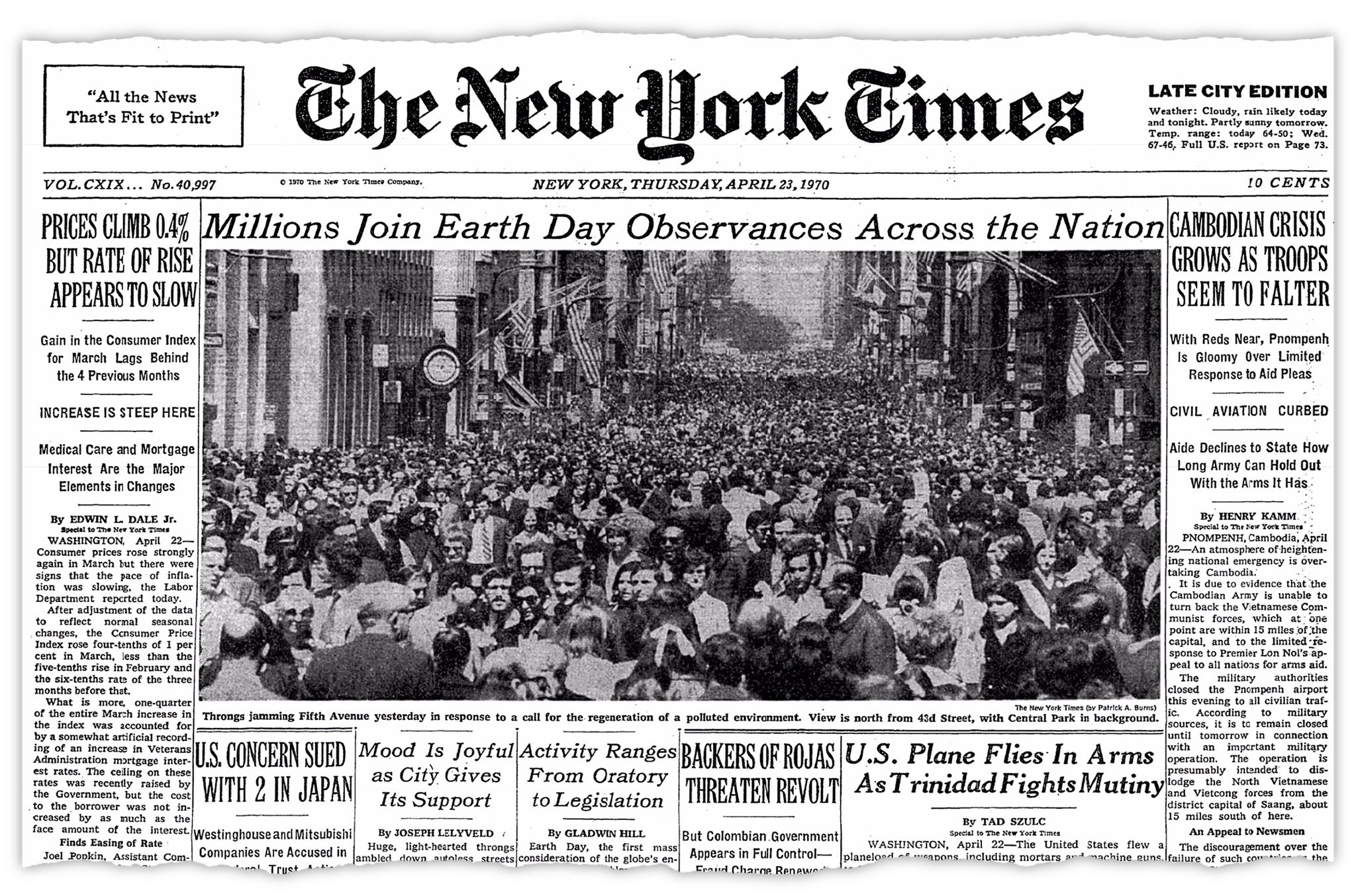
To ask whether the New York Times is merely a newspaper is to fundamentally misunderstand its role in the tourism ecosystem of the city. In the age of digital transformation, it has transcended its traditional role as a medium for news and transformed into a cultural institution. For the millions of tourists who flock to Manhattan annually, the publication acts as a literary guide, a restaurant critic, and a historian, influencing where people stay, what they eat, and how they perceive the city.

The Paper as a Cultural Landmark
While the New York Times Building itself stands as a modern architectural marvel on Eighth Avenue, its influence radiates far beyond its physical address. Tourists often visit the vicinity of the office not just for the architecture, but to soak in the atmosphere of the district that powers the world’s media. The building has become a landmark in its own right, a place where history is recorded daily.
Much like a visit to the Louvre in Paris or the British Museum in London, reading the Times has become a “must-do” experience for the intellectual traveler. It provides a deeper context to the streets one walks. When a tourist reads an article about a hidden gem in Brooklyn or a profile of an up-and-coming chef in Queens, they are no longer just observing the city; they are participating in the intellectual discourse that defines it.
The Intersection of Journalism and Travel Experiences
The categorization of the New York Times within the tourism landscape is solidified by its legendary travel section. For decades, the paper has been the primary arbiter of taste for travelers worldwide. Its “36 Hours” column, in particular, has shaped the tourism trajectories of cities across the globe, from Tokyo to Rome.
Shaping Travel Trends and Destination Popularity
When the New York Times features a specific destination, it frequently triggers a surge in local tourism. This phenomenon highlights how the publication functions more as an experiential guide than a traditional news outlet. For the reader, it is a curated lens through which to view the world.

- Curated Guides: The paper’s ability to highlight off-the-beaten-path locations makes it an essential tool for the modern traveler looking to avoid “tourist traps.”
- Economic Impact: Many hospitality businesses in cities like Barcelona or Cape Town cite a feature in the Times as a transformative moment for their annual revenue.
- Lifestyle Authority: By covering high-end luxury retreats and budget-friendly adventures alike, the paper dictates the style and substance of modern vacations.
This influence turns the newspaper into a functional piece of “travel gear,” as vital as a passport or a reliable camera. Travelers rely on its critiques to decide where to book their hotels, ensuring their stay aligns with the cultural values they hold dear.
The Gastronomic Authority
Perhaps nowhere is the influence of the New York Times more palpable than in the world of food tourism. Culinary exploration is a pillar of travel, and the paper’s restaurant reviews have the power to make or break an establishment. Tourists traveling to New Orleans or San Francisco often build their entire itinerary around establishments that have received a nod from the paper’s critics. This turns the physical newspaper (or its digital equivalent) into a culinary map, guiding the traveler through the diverse flavors of a foreign land.
Redefining the “Newspaper” for the 21st Century
To labels such as “newspaper” feel limiting when discussing the role of the New York Times in travel. It is a comprehensive ecosystem of information that supports the global traveler. Whether it is providing tips for navigating the London Underground or offering historical insights into the Colosseum, the publication serves as a constant companion for those on the move.
Digital Navigation and Local Culture
In the current era of tourism, travelers value authenticity over broad, sweeping generalizations. The New York Times provides exactly that—deep dives into the local culture, traditions, and sociopolitical nuances of the places people visit.
- Beyond the Surface: While a travel brochure might list the Statue of Liberty as a photo opportunity, the Times provides the history of its construction and its significance to the immigrant experience.
- Accessibility: With the rise of digital subscriptions, this information is available to a traveler while they are standing in the middle of St. Marks Square in Venice, turning every smartphone into an expert local guide.
The Future of Media in Tourism
As we look forward, the line between journalism and travel planning will continue to blur. Visitors are increasingly seeking out “experiential travel”—trips that allow them to integrate into the daily lives of local residents. The New York Times facilitates this by highlighting the mundane but magical aspects of daily life, from the best local markets in Mexico City to the most vibrant art districts in Berlin.
Ultimately, when a traveler asks if the New York Times is a newspaper, they are really asking if it is a source of truth for their wanderlust. The answer is a definitive yes. It is a vital component of the modern travel infrastructure, ensuring that journeys are not just about reaching a destination, but about understanding the world in its fullest, most complex, and most beautiful form. Whether it is tucked into a carry-on or accessed via a high-speed Wi-Fi connection at JFK International Airport, the New York Times remains an indispensable companion for the global citizen, bridging the gap between a vacationer and an explorer. In a world that is constantly changing, having a trusted voice to interpret the landscapes we visit—whether those landscapes are the concrete canyons of New York or the ancient ruins of Athens—is what turns a simple trip into a lifelong memory.
LifeOutOfTheBox is a participant in the Amazon Services LLC Associates Program, an affiliate advertising program designed to provide a means for sites to earn advertising fees by advertising and linking to Amazon.com. Amazon, the Amazon logo, AmazonSupply, and the AmazonSupply logo are trademarks of Amazon.com, Inc. or its affiliates. As an Amazon Associate we earn affiliate commissions from qualifying purchases.