
Navigating the temporal landscape of a vast country like the United States can be a surprisingly complex endeavor, especially for travelers. The question, “Is North Dakota Central Time?” touches upon a fundamental aspect of planning any journey within this Midwestern state, affecting everything from flight schedules to meeting times and the simple rhythm of daily life. Understanding North Dakota’s time zone is crucial for a seamless travel experience, whether you’re exploring its natural wonders or engaging with its vibrant local culture.
The Temporal Divide: Understanding Time Zones in North Dakota
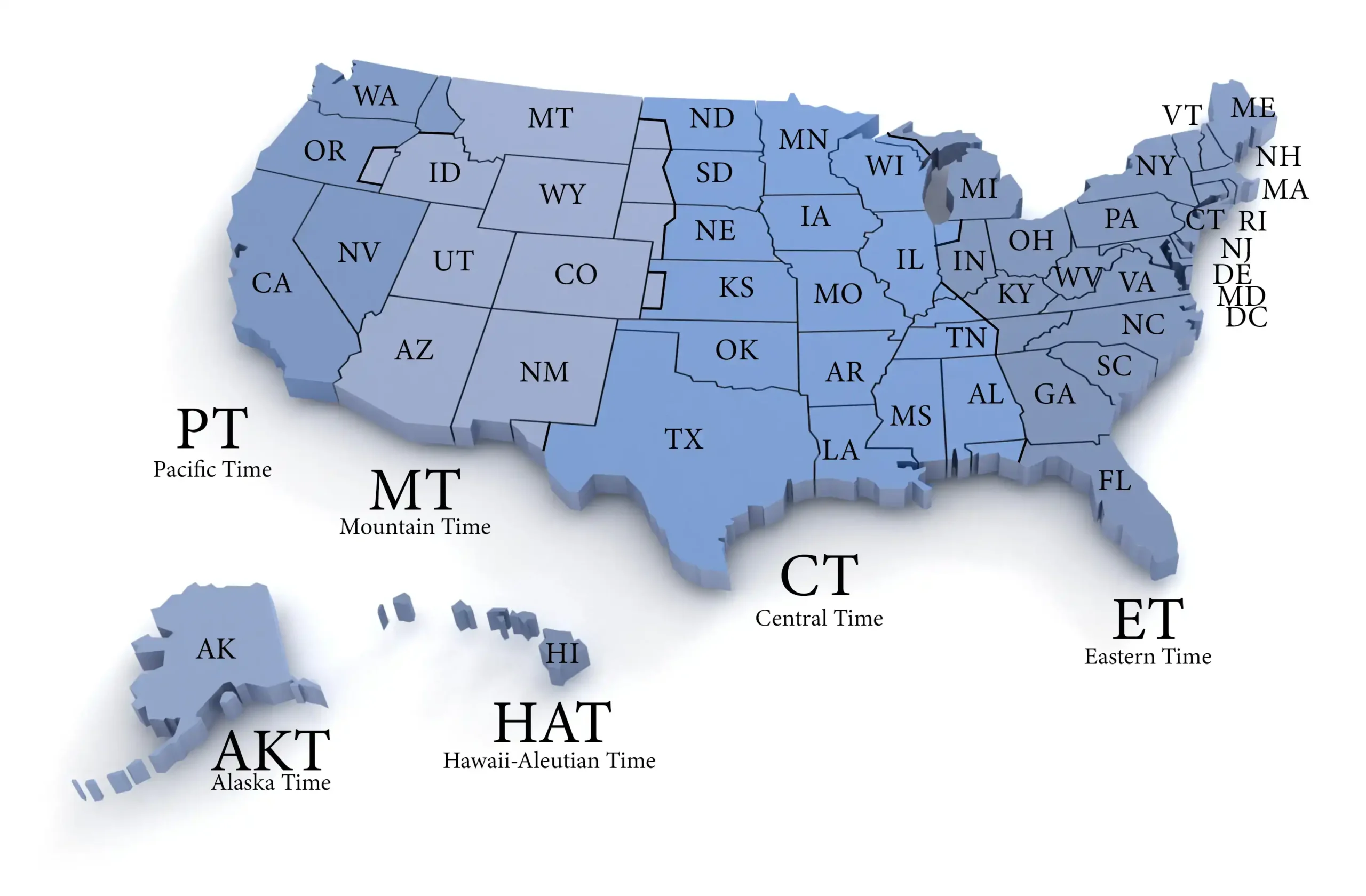
The United States is broadly divided into several standard time zones, each defined by its offset from Coordinated Universal Time (UTC). These zones are essential for coordinating activities across the nation and ensuring that the clock aligns with the sun’s position. For North Dakota, the answer to its time zone status is not a simple yes or no, but rather a nuanced explanation due to a historical and geographical peculiarity that still affects its western reaches.
Central Time Zone Dominance
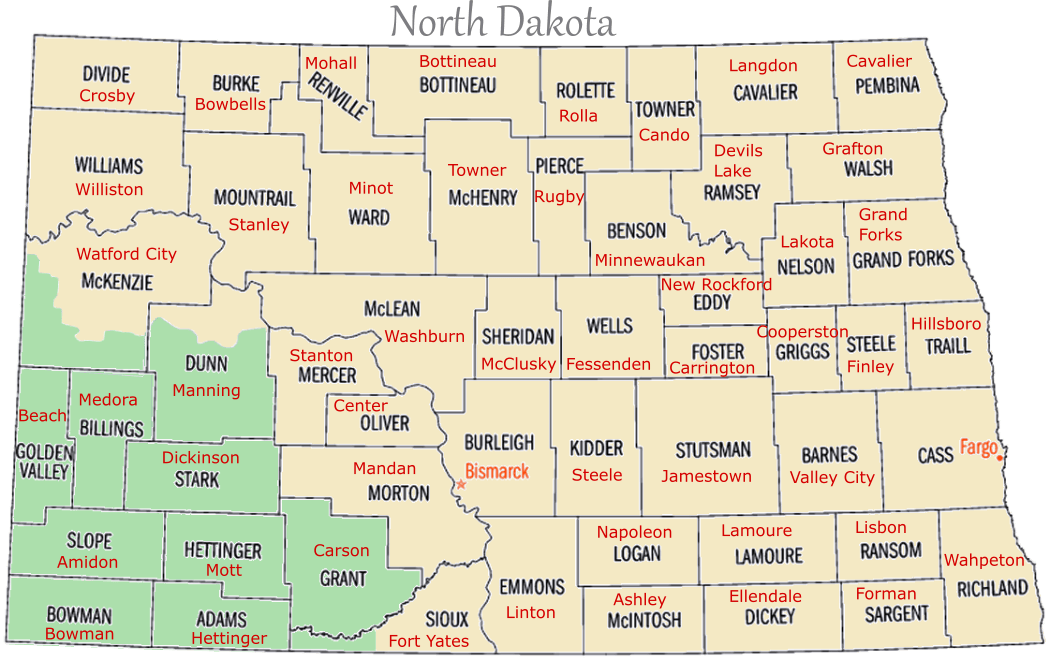
The majority of North Dakota observes Central Time (CT), which is UTC-6. During daylight saving time, this becomes Central Daylight Time (CDT), a UTC-5 offset. This encompasses most of the state’s population centers, including its capital, Bismarck, and its largest city, Fargo. When planning a trip to these areas, you can confidently set your watch to Central Time. This means that when it’s noon in Chicago or Dallas, it is also noon in Bismarck or Fargo.
The Mountain Time Exception
However, a small portion of western North Dakota observes Mountain Time (MT), which is UTC-7. During daylight saving time, this becomes Mountain Daylight Time (MDT), a UTC-6 offset. This temporal anomaly is largely confined to the counties that border Montana. The primary driver behind this division was historically the proximity to established rail lines and economic centers that operated on Mountain Time. While the economic landscape has shifted, the time zone boundary has largely persisted.
Navigating the Border: Practical Considerations
For travelers, particularly those venturing into the western parts of North Dakota, it is essential to be aware of this time zone division. If your itinerary includes destinations like Williston or areas near the Montana border, double-checking the local time is advisable. This is especially critical for coordinating with local businesses, tour operators, or accommodation providers. The difference of one hour can significantly impact scheduled activities and connections.
Implications for Travelers: Planning Your North Dakota Adventure
Understanding North Dakota’s time zone is more than just a geographical curiosity; it has practical implications for every aspect of your visit. From booking flights to scheduling activities and understanding local business hours, temporal awareness is key.
Flights and Transportation

When booking flights to North Dakota, be mindful of which airport you are flying into and its corresponding time zone. Airports in eastern and central North Dakota, such as Fargo (Hector International Airport) and Bismarck (Bismarck Municipal Airport), will operate on Central Time. However, if your flight is scheduled to land at an airport in the western part of the state, such as Williston Basin International Airport, be aware that arrival and departure times will be listed in Mountain Time. This distinction is vital for making onward connections or arranging airport transportation. Similarly, when planning road trips, knowing when you are crossing the time zone boundary can help avoid confusion with GPS navigation and estimated arrival times.
Accommodations and Activities
Similarly, when booking hotels or planning activities, always confirm the local time zone of the establishment. A reservation made for 7:00 PM in Fargo will be an hour later than a reservation for 7:00 PM in a Mountain Time zone. This is particularly important for dining reservations, museum hours, and guided tours. Many attractions in North Dakota are seasonal, and their operating hours can be influenced by daylight, making accurate timekeeping even more critical during extended summer days or shorter winter evenings. For instance, enjoying the sunset over Lake Sakakawea will occur at different clock times depending on your location within the state.
Business and Communication
For business travelers, understanding the time zone is paramount for scheduling meetings and communicating with local contacts. A business operating in Minot will be on Central Time, while a business in Dickinson might be on Mountain Time. It is always best practice to clarify the time zone when setting up any professional engagements. This also applies to communication with service providers, such as rental car agencies or local guides, ensuring that misunderstandings are avoided.
Experiencing North Dakota: A Temporal Guide
Beyond the logistical aspects, understanding the time zone can subtly enhance your experience of North Dakota’s unique landscapes and culture. The timing of sunrise and sunset, the duration of daylight for outdoor activities, and even the social rhythms of communities are all influenced by the clock.
Embracing the Natural Rhythms
North Dakota is renowned for its wide-open spaces and stunning natural beauty, from the rolling plains to the dramatic badlands of Theodore Roosevelt National Park. The time zone dictates when you will witness the breathtaking sunrise over the Missouri River or the vibrant hues of a sunset painting the sky near Medora. In Central Time zones, these moments will occur an hour earlier than in the Mountain Time regions of the west. This can be a delightful aspect to incorporate into your exploration. For instance, if you’re planning to hike in the badlands and want to catch the golden hour light, knowing the local sunset time is crucial.
Local Culture and Community Life
The time zone can also subtly influence the pace of life and community events. In towns that observe Central Time, the daily rhythm might feel slightly more aligned with larger Midwestern cities. Conversely, in the Mountain Time pockets of western North Dakota, there might be a slightly more relaxed pace, mirroring that of neighboring Montana. While the difference is only an hour, it can contribute to the unique character of different regions within the state. Attending local festivals, farmers’ markets, or community gatherings will be scheduled according to the local time zone, and being aware of this can help you fully immerse yourself in the local experience.
Daylight Saving Time Considerations
It’s also important to remember that both Central Time and Mountain Time in North Dakota observe Daylight Saving Time (DST). This means that during the warmer months, from the second Sunday in March to the first Sunday in November, clocks are advanced by one hour. When DST is in effect, the time difference between the two zones remains one hour, with Central Daylight Time being UTC-5 and Mountain Daylight Time being UTC-6. This consistent one-hour difference throughout the year simplifies planning slightly, but awareness of DST is still crucial when transitioning between seasons or traveling across time zone boundaries during these periods.
In conclusion, while the majority of North Dakota operates on Central Time, the existence of a Mountain Time zone in its western counties necessitates careful planning for travelers. By understanding this temporal landscape, visitors can ensure a smoother, more enjoyable, and well-coordinated exploration of all that the great state of North Dakota has to offer.
LifeOutOfTheBox is a participant in the Amazon Services LLC Associates Program, an affiliate advertising program designed to provide a means for sites to earn advertising fees by advertising and linking to Amazon.com. Amazon, the Amazon logo, AmazonSupply, and the AmazonSupply logo are trademarks of Amazon.com, Inc. or its affiliates. As an Amazon Associate we earn affiliate commissions from qualifying purchases.