
For anyone considering a move to the Sooner State, investing in its burgeoning real estate market, or even simply planning an extended stay to soak in its unique blend of Western heritage and modern charm, understanding its legal landscape regarding marital property is paramount. When discussing financial planning, asset management, and long-term lifestyle choices, a fundamental question often arises: Is Oklahoma a community property state? The answer, unequivocally, is no. Oklahoma operates under the principle of equitable distribution, a distinction that carries significant implications for couples, families, and individuals navigating their financial futures within the state.
This guide delves into what equitable distribution means in practice, how it differs from community property, and why this distinction is vital for anyone engaging with Oklahoma’s diverse opportunities, from exploring its vibrant cities like Oklahoma City and Tulsa to settling down amidst its scenic landscapes. Understanding these legal nuances is not just for those facing a divorce; it’s crucial for proactive financial planning, asset protection, and making informed decisions about where and how you choose to build your life or enjoy your travel experiences in the United States.
Understanding Marital Property Regimes: Community Property vs. Equitable Distribution
The way states categorize and divide assets acquired during a marriage can profoundly impact a couple’s financial security and future planning. In the United States, two primary legal frameworks govern marital property: community property and equitable distribution. Each system approaches asset ownership and division with different philosophies, leading to vastly different outcomes, especially in cases of separation or divorce.
The Community Property Model
In a community property state, generally, all assets and debts acquired by either spouse during the marriage are considered “community property” and are owned equally by both spouses, typically on a 50/50 basis. This includes income, real estate, bank accounts, investments, and personal property, regardless of whose name is on the title or who earned the money. Assets acquired before the marriage, or received by one spouse as a gift or inheritance during the marriage, are typically considered “separate property” and are not subject to equal division.
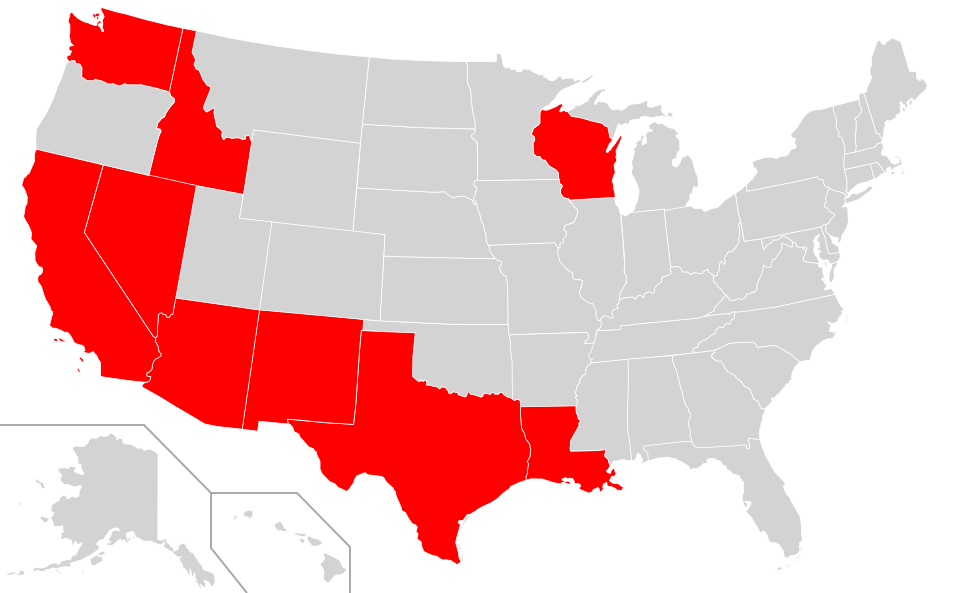
There are currently nine community property states in the United States: Arizona, California, Idaho, Louisiana, Nevada, New Mexico, Texas, Washington, and Wisconsin. The underlying principle here is that marriage is a true partnership, and both spouses contribute equally to the marital estate, whether through direct financial contributions or through homemaking and childcare. For those accustomed to this system, managing shared finances for travel, investing in a vacation home, or planning for retirement often involves a clear understanding of joint ownership. This can simplify some aspects of financial planning but also introduces rigidity if one spouse feels their contributions or needs are disproportionate.
The Equitable Distribution Model
Oklahoma, along with the vast majority of other U.S. states, follows the principle of equitable distribution. This means that in the event of a divorce, marital assets and debts are divided in a manner deemed “fair” or “equitable” by the court, but not necessarily equally. The court considers a wide range of factors to determine what constitutes a fair division, recognizing that equal splits are not always equitable given the unique circumstances of each marriage.
This flexibility is a hallmark of the equitable distribution system. Instead of a rigid 50/50 split, a judge in Oklahoma can allocate assets based on the financial and non-financial contributions of each spouse, their earning capacities, the duration of the marriage, and other relevant factors. For couples planning their financial journey, whether it involves opening a new business in Bricktown or investing in a luxury travel experience, understanding this “fairness” principle is key. It allows for a more nuanced approach to asset division, aiming for an outcome that leaves both parties in the best possible position post-divorce, rather than simply splitting everything down the middle.
Oklahoma’s Equitable Distribution Framework
The shift from a community property mindset to equitable distribution in Oklahoma is significant. It underscores a legal recognition that marriages are complex partnerships where contributions extend beyond direct income, and needs can vary greatly between individuals even after a long union. For residents and those considering a long-term accommodation or even permanent relocation to the Sooner State, comprehending the specific factors that influence this distribution is essential for effective financial and lifestyle planning.
Key Factors Influencing Property Division in Oklahoma
When an Oklahoma court determines what constitutes an “equitable” division of marital property, it evaluates a comprehensive set of criteria. These factors aim to provide a holistic view of the marriage and each spouse’s circumstances, ensuring that the division is truly fair:
- Duration of the Marriage: Longer marriages often involve more commingled assets and shared history, which can influence how property is divided. A court might consider the efforts of spouses over decades to build a shared life, perhaps including shared travel experiences, investments in properties like a cabin near Broken Bow or a condo in Tulsa.
- Age and Health of Each Spouse: These elements are critical in assessing future earning potential and needs. An older spouse or one with significant health issues might be awarded a larger share to ensure their future financial stability, particularly if they have limited ability to re-enter the workforce or cover substantial medical expenses.
- Earning Capacity and Future Financial Prospects: The court will look at each spouse’s education, skills, employment history, and potential to earn income post-divorce. If one spouse has significantly higher earning potential, the other might receive a larger share of assets, especially if they sacrificed career opportunities for the marriage (e.g., to care for children or support the other spouse’s career).
- Contributions to Marital Property: This is broad and encompasses both financial and non-financial contributions. Financial contributions include direct income, investments, and debt payments. Non-financial contributions are equally valued and include homemaking, childcare, maintaining family residences, and supporting a spouse’s career or education. For instance, if one spouse managed all household logistics, allowing the other to pursue a demanding career that enabled luxury travel and high-end hotel stays, these contributions would be weighed.
- Standard of Living Established During the Marriage: The court may consider the lifestyle the couple enjoyed during their marriage to ensure that the division attempts to maintain a comparable, albeit often adjusted, standard of living for both parties, where feasible. This might involve assets like vacation homes, recreational vehicles, or investment portfolios built to support a certain lifestyle.
- Any Prenuptial or Postnuptial Agreements: If the couple entered into a valid prenuptial or postnuptial agreement, the court would generally uphold its terms regarding property division, provided it was executed fairly and legally soundly. These agreements are powerful tools for individuals with significant assets or those entering second marriages, offering clarity and protection.
- Custody of Children and Alimony Considerations: While separate from property division, child custody arrangements and the potential need for alimony can indirectly influence property awards, as the court aims for a comprehensive and fair resolution for the entire family unit. The spouse with primary custody might receive the marital home to provide stability for the children.
- Fault (Limited Role): Unlike some other aspects of family law, Oklahoma courts generally do not consider marital misconduct or “fault” when dividing property. The focus remains on fairness in asset distribution, not on penalizing one spouse for the breakdown of the marriage.
Distinguishing Marital vs. Separate Property
A critical step in Oklahoma’s equitable distribution process is accurately categorizing assets as either marital (subject to division) or separate (not subject to division).
- Marital Property: This includes virtually all assets and debts acquired by either spouse during the marriage, from the wedding date up to the filing of the divorce petition. This can range from the family home, jointly owned businesses, retirement accounts, and vehicles, to shared travel savings and hotel loyalty points accumulated through shared experiences. Even property acquired by one spouse, but funded with marital income, often falls into this category.
- Separate Property: Assets that a spouse owned individually before the marriage, or received during the marriage as a personal gift, inheritance, or award from a personal injury settlement, are typically considered separate property. For instance, a family heirloom, a plot of land owned before the wedding, or a personal trust fund would usually remain with the original owner.
However, the line between marital and separate property can become blurred through a process known as “commingling” or “transmutation.” If separate property is mixed with marital property (e.g., an inheritance is deposited into a joint bank account and used for shared expenses or investments like a vacation rental property), it can lose its separate status and become subject to equitable distribution. Similarly, if separate property significantly appreciates in value due to the active efforts or contributions of both spouses during the marriage, that appreciated value might be considered marital property. This complexity underscores why seeking professional legal advice is paramount for anyone navigating these waters in Oklahoma.
Lifestyle and Financial Implications for Residents and Visitors in Oklahoma
Understanding Oklahoma’s equitable distribution laws isn’t just a legal technicality; it’s a foundational element for financial planning and lifestyle management for anyone with ties to the Sooner State. Whether you’re a long-time resident, considering a permanent move, or even planning an extended stay or investment, these laws will invariably shape your financial strategy.
Planning Your Future in the Sooner State
For those eyeing Oklahoma as a place to build a life, its equitable distribution laws bring both challenges and opportunities for thoughtful planning.
- Relocation and Retirement: Many individuals and couples choose Oklahoma for its relatively low cost of living, friendly communities, and diverse attractions, from the natural beauty of Robbers Cave State Park to the historical significance of the Chickasaw National Recreation Area. For retirees, understanding how pension plans, savings, and property will be divided in the event of unforeseen circumstances is critical for securing a peaceful future. If you’re moving from a community property state, it’s vital to re-evaluate your asset titling and estate planning documents to align with Oklahoma’s laws. This proactive approach ensures that your hard-earned assets, perhaps accumulated through years of travel and luxury hotel stays, are protected according to your wishes.
- Investment and Business Ventures: Oklahoma City and Tulsa are dynamic hubs for entrepreneurs and investors. If you’re planning to start a business, purchase investment properties, or engage in significant financial ventures within Oklahoma, marital property laws will dictate ownership and distribution. For example, if a spouse launches a boutique hotel in Deep Deuce in Oklahoma City during the marriage, it will likely be considered marital property, even if primarily funded by one spouse’s efforts. Similarly, investments in Lake Texoma vacation resorts or urban apartments would also be subject to equitable distribution. This means careful consideration of business structures, prenuptial agreements, or even postnuptial agreements can provide essential clarity and protection for all parties involved.
- Long-Term Stays and Accommodation: While seemingly less direct, even extended visitors, digital nomads, or individuals seeking long-term accommodation in Oklahoma should be aware of these laws. If an individual or couple establishes significant residency, purchases property, or invests locally during their stay, Oklahoma’s laws on marital property could apply. This is particularly relevant for those who might transition from a long-term vacation rental to purchasing a permanent home, or for international visitors who decide to make Oklahoma their new base of operations for travel throughout the United States.
Navigating Travel, Tourism, and Lifestyle Choices with Financial Prudence
Oklahoma’s diverse landscape offers everything from historic Route 66 attractions to vibrant urban districts like Oklahoma City’s Bricktown and Tulsa’s Gathering Place. For couples, these shared experiences are often intertwined with financial decisions, and understanding equitable distribution can make these choices smoother.
- Shared Travel and Experiences: Couples frequently pool resources for travel, whether it’s a budget travel road trip across the Great Plains or a luxury stay at a resort near Lake Texoma. While the emotional value of these memories is priceless, the financial contributions to such experiences (e.g., joint credit card usage for flights, hotel bookings, tour packages) become part of the marital financial tapestry. Knowing how these shared expenses and associated assets (like timeshares or travel rewards points) could be viewed in the context of equitable distribution encourages transparency and agreement in financial planning.
- Protecting Family Lifestyle and Future: Many couples prioritize creating a stable lifestyle for their families, which often includes planned family trips to attractions like Frontier City or visits to cultural landmarks such as the Philbrook Museum of Art or the Myriad Botanical Gardens. When making significant financial commitments for the family’s future, such as saving for college funds, purchasing a larger home, or setting up trust funds, the principles of equitable distribution underscore the importance of clear financial discussions. It encourages couples to consider the long-term implications of their shared financial decisions, ensuring that both partners feel secure in their contributions and future outlook within the Oklahoma legal framework.
- Cultural Tourism and Heritage Investments: For those deeply involved in Oklahoma’s rich cultural tourism scene, perhaps investing in local art, historical preservation, or even operating a bed and breakfast near the Oklahoma City National Memorial, understanding marital property is critical. These investments, while contributing to the state’s vibrant tourism economy, also become part of a couple’s marital estate. Proactive planning helps ensure these unique assets are managed and protected in a way that aligns with both personal aspirations and legal realities.
In essence, whether you’re mapping out a future in Oklahoma or simply enjoying its present offerings, the state’s commitment to equitable distribution shapes the financial landscape for married couples. It’s a system designed to be fair, nuanced, and adaptable to individual circumstances, but one that undeniably requires informed decision-making and, often, professional legal guidance.

Conclusion
In summary, for anyone asking “Is Oklahoma a community property state?”, the definitive answer is no. Oklahoma operates under the principle of equitable distribution, meaning that marital assets and debts are divided fairly, though not necessarily equally, based on a multitude of factors considered by the court. This nuanced approach contrasts sharply with the rigid 50/50 split characteristic of community property states.
Understanding this legal framework is crucial for residents and visitors alike, impacting everything from long-term financial planning and investment strategies in bustling cities like Oklahoma City and Tulsa to the security of shared assets accumulated through joint travel experiences and lifestyle choices. Whether you are considering relocation, investing in Oklahoma’s growing markets, or simply want to ensure your financial affairs are in order while enjoying the Sooner State’s unique attractions, knowledge of equitable distribution is a powerful tool. It emphasizes the importance of open communication, diligent record-keeping, and, when necessary, professional legal counsel to navigate the complexities of marital property law effectively. By doing so, you can ensure a stable and predictable financial future, allowing you to fully embrace all the opportunities and experiences Oklahoma has to offer.
LifeOutOfTheBox is a participant in the Amazon Services LLC Associates Program, an affiliate advertising program designed to provide a means for sites to earn advertising fees by advertising and linking to Amazon.com. Amazon, the Amazon logo, AmazonSupply, and the AmazonSupply logo are trademarks of Amazon.com, Inc. or its affiliates. As an Amazon Associate we earn affiliate commissions from qualifying purchases.