
While the question “Is Oklahoma a Stand Your Ground state?” might seem rooted in legal discourse, for a traveler exploring the Sooner State, understanding its legal landscape, particularly regarding self-defense, can offer a deeper appreciation for local nuances and safety considerations. This exploration delves into what “Stand Your Ground” means in Oklahoma and how it might intersect with the experiences of visitors. It’s important to note that this is not legal advice, but rather an informational overview relevant to understanding the cultural and social fabric of a destination.
Understanding “Stand Your Ground” Laws
The concept of “Stand Your Ground” laws represents a significant shift in self-defense statutes across the United States. Traditionally, many jurisdictions operated under a “duty to retreat” principle. This meant that if an individual was threatened, they were legally obligated to attempt to escape a dangerous situation if a safe avenue of retreat was available, before resorting to the use of deadly force. The “duty to retreat” was often seen as a crucial element in preventing unnecessary violence and escalation.
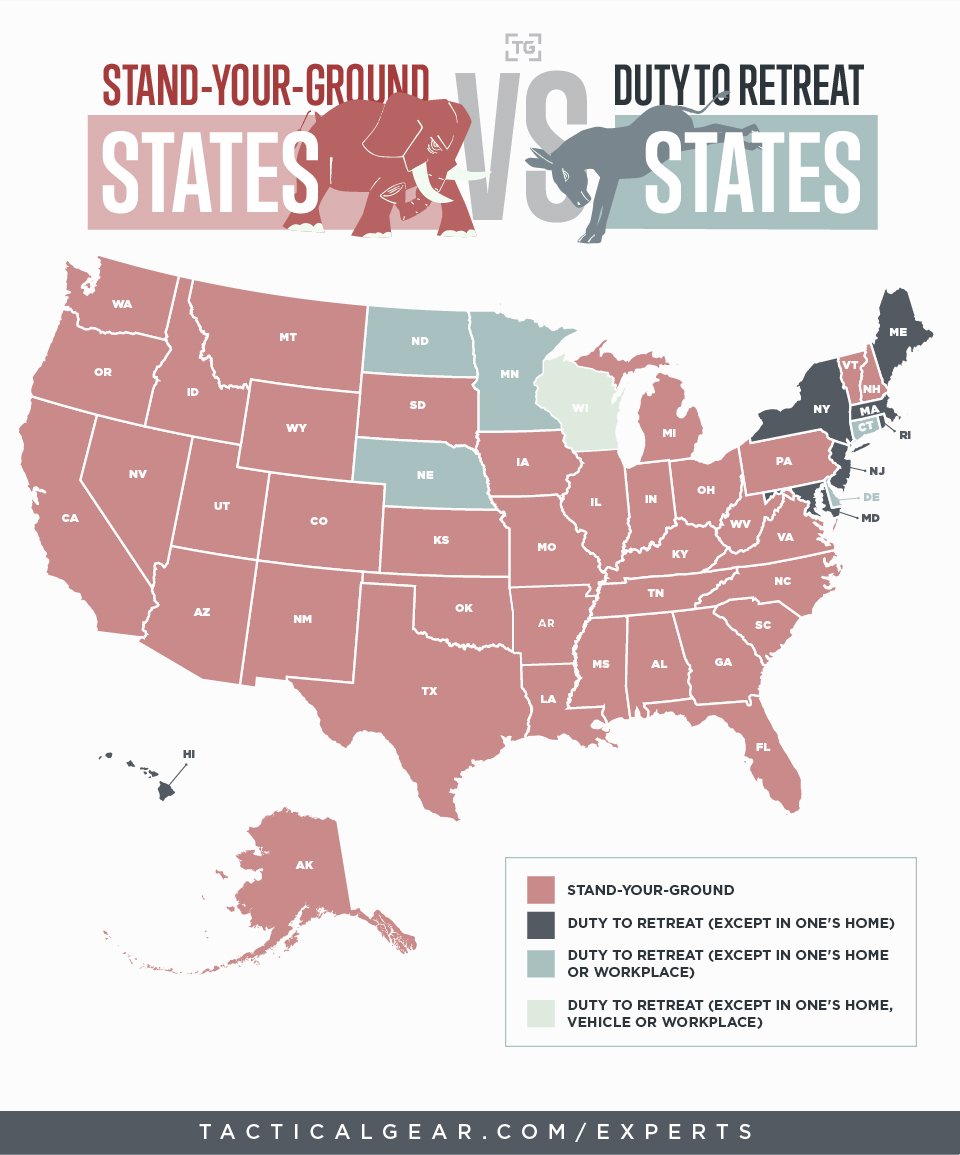
The Duty to Retreat vs. The Right to Stand Your Ground
The “duty to retreat” doctrine typically applied in public spaces and even in one’s own home if the threat was not immediately life-threatening. However, the implementation and interpretation of these laws varied considerably from state to state. Some states maintained a strong duty to retreat, while others began to erode or entirely eliminate this requirement.
In contrast, “Stand Your Ground” laws remove the duty to retreat entirely. Under these statutes, an individual who is lawfully present in any place they have a legal right to be has no obligation to retreat, even if they can safely do so, before using or threatening to use deadly force in self-defense against any unlawful force or threat. The core principle is that a person should not be forced to flee from danger when they have the right to defend themselves where they stand.
Evolution of Self-Defense Laws in [Oklahoma]
Oklahoma has a complex history with self-defense laws. Historically, like many other states, it had aspects of the duty to retreat. However, legislative changes have significantly bolstered the rights of individuals to defend themselves. The state has a strong tradition of individual liberty, and this philosophy is often reflected in its legal interpretations, including those concerning self-defense.
The key legislation that solidified Oklahoma’s position as a “Stand Your Ground” state was enacted over time, with significant amendments and clarifications. These laws affirm the right to self-defense without a duty to retreat, provided the individual is not engaged in unlawful activity and is lawfully present in the location where the confrontation occurs. This means that if an individual faces a threat of serious bodily harm or death, they are legally empowered to use proportionate force, including deadly force, to protect themselves, without first attempting to escape.
Legal Standing and Traveler Considerations
For visitors to Oklahoma, understanding these laws is not about advocating for or against them, but about being informed about the environment in which they are traveling. The legal framework of a place can influence social interactions and the general sense of security.
What “Stand Your Ground” Means in Practice
In practical terms, this means that if a traveler finds themselves in a situation where they feel their life or safety is in imminent danger, and they are in a place where they are legally allowed to be (e.g., a public park in Oklahoma City, a hotel lobby in Tulsa, or a roadside rest stop), they are generally not required to try to flee before using force to defend themselves. This applies to situations involving threats of death or severe bodily injury.

However, it is crucial to emphasize that “Stand Your Ground” laws are not a license to initiate violence or to use excessive force. The force used must be proportionate to the threat faced. The determination of what constitutes a reasonable and proportionate response is often subject to legal scrutiny after the fact, involving investigations and potential court proceedings. Therefore, while the law may remove the duty to retreat, it does not eliminate the responsibility to act judiciously and only when absolutely necessary.
Navigating Social Norms and Safety
Understanding the legal context of self-defense can provide insight into the broader social norms of a region. In states with strong “Stand Your Ground” laws, there might be a perceived emphasis on individual responsibility for personal safety. For travelers, this translates to maintaining situational awareness, respecting local customs, and generally avoiding confrontational situations.
While the legal framework allows for a robust right to self-defense, the wisest approach for any traveler remains to prioritize de-escalation and avoidance of conflict. This includes being mindful of one’s surroundings, particularly in unfamiliar environments, and making sensible choices about where to go and when. For instance, when exploring the vibrant arts districts of Tulsa or the historic streets of Guthrie, being aware of the time of day and the general atmosphere can contribute to a safer and more enjoyable experience.
Implications for Different Traveler Types
The legal landscape of Oklahoma can influence the experiences of various types of travelers, from families on vacation to business professionals.
Family Travel and Safety
For families visiting Oklahoma, particularly those with children, understanding local laws contributes to a sense of security. While the “Stand Your Ground” aspect might not directly impact everyday tourist activities like visiting the Oklahoma City Zoo or exploring the Philbrook Museum of Art, it forms part of the overall awareness of the environment. Ensuring children are supervised and aware of basic safety principles remains paramount, irrespective of the state’s self-defense laws. Parents can focus on the wealth of family-friendly attractions, such as the Discoveryland! Children’s Museum or the educational exhibits at the National Cowboy & Western Heritage Museum, with the assurance that legal frameworks are in place to address serious threats.
Business Travel and Personal Security
Business travelers, often navigating new cities and unfamiliar surroundings for conferences or meetings, also benefit from an informed perspective. Whether staying at the Omni Oklahoma City Hotel or attending an event at the Cox Business Convention Center, personal safety is a key consideration. While “Stand Your Ground” laws are unlikely to be invoked during routine business activities, understanding them contributes to a comprehensive awareness of the state’s legal environment. Prudent travelers will always maintain awareness of their surroundings, secure their accommodations, and utilize reputable transportation services.
Leisure and Adventure Seekers
Individuals exploring Oklahoma for its natural beauty, such as the Wichita Mountains Wildlife Refuge, or its cultural attractions, like the historic Pops 66 Soda Ranch along Route 66, can enjoy their adventures with a grounded understanding of the local legal context. The focus for most leisure travelers will remain on experiencing the unique offerings of the state, from its burgeoning culinary scene to its rich history. Awareness of self-defense laws simply adds another layer to a well-informed travel plan, underscoring the importance of responsible behavior and situational awareness in all environments.

Conclusion: Informed Travel in [Oklahoma]
Oklahoma is a state with a diverse landscape and a rich cultural tapestry, offering numerous attractions and experiences for every type of traveler. Understanding the legal frameworks, including the “Stand Your Ground” laws, is part of a broader effort to be an informed and responsible visitor. These laws, while significant in their legal implications, do not typically intrude upon the everyday enjoyment of travel.
The essence of a safe and fulfilling trip to Oklahoma lies in embracing its hospitality, exploring its unique heritage, and engaging with its communities. By remaining aware, respectful, and prioritizing sensible precautions, travelers can confidently experience all that the Sooner State has to offer, from its captivating natural wonders to its vibrant urban centers. The legal aspects, while a part of the state’s identity, are best understood as one element in the larger picture of a welcoming and diverse destination.
LifeOutOfTheBox is a participant in the Amazon Services LLC Associates Program, an affiliate advertising program designed to provide a means for sites to earn advertising fees by advertising and linking to Amazon.com. Amazon, the Amazon logo, AmazonSupply, and the AmazonSupply logo are trademarks of Amazon.com, Inc. or its affiliates. As an Amazon Associate we earn affiliate commissions from qualifying purchases.