
The question of whether a state is a “stop and identify” state is a crucial one for travelers, especially those who might find themselves interacting with law enforcement during their journeys. This legal concept, rooted in Fourth Amendment protections against unreasonable searches and seizures, dictates the extent to which police officers can detain and question individuals. For a state to be considered a “stop and identify” state, its laws must grant officers the authority to require individuals to identify themselves when there is reasonable suspicion that the person has committed, is committing, or is about to commit a crime. This is distinct from requiring identification simply because an officer is present or due to a mere hunch.
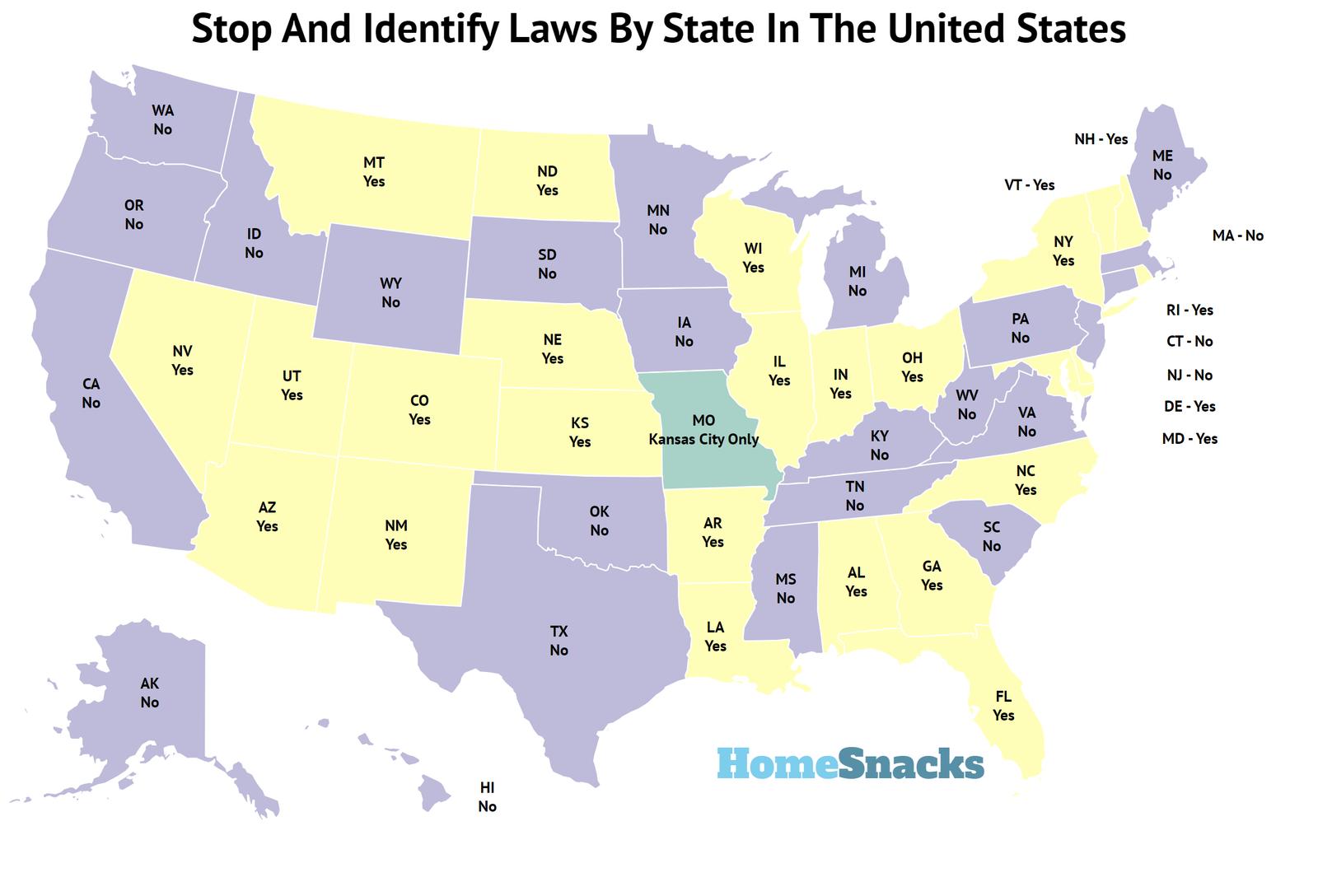
Understanding these legal nuances is particularly important when planning a trip to a destination like Oklahoma. As a state renowned for its rich history, diverse landscapes, and vibrant cultural scene, Oklahoma offers a wealth of experiences for visitors, from exploring its historic Route 66 landmarks to delving into the Oklahoma City National Memorial & Museum. However, like any travel destination, it’s wise for visitors to be aware of local laws and regulations. This article will delve into the legal landscape of Oklahoma concerning police stops and the requirement to identify oneself, providing clarity for travelers and residents alike. We’ll explore the legal basis for such encounters, the rights individuals possess, and practical considerations for navigating these situations, all while considering the broader context of Oklahoma’s appeal as a travel destination.
The core of the “stop and identify” principle hinges on the concept of “reasonable suspicion.” This legal standard is less stringent than “probable cause,” which is required for an arrest, but it demands more than a simple hunch. Reasonable suspicion means that an officer has specific, articulable facts and rational inferences that lead them to believe that criminal activity is afoot. These facts might include the individual’s demeanor, the time of day, the location, and any behavior that deviates from the norm. If an officer has reasonable suspicion that a person is involved in criminal activity, they are generally permitted to detain that person temporarily to investigate further. During this lawful investigatory stop, the question of identification becomes relevant.
Understanding Stop and Identify Laws in Oklahoma
In Oklahoma, the authority of law enforcement officers to detain individuals and request identification is primarily governed by statute and case law. The relevant Oklahoma statute is often cited as Oklahoma Statute Title 22, Section 1041, which grants officers the power to detain any person under circumstances that would warrant a reasonable suspicion that such person has committed, is committing, or is about to commit a felony. While this statute broadly covers detention, the specific requirement to identify oneself during such a stop is a more nuanced aspect that has been shaped by judicial interpretation.
Legal Basis for Stops and Identification Requests
The foundational principle allowing for a “stop and identify” scenario in Oklahoma is the need for law enforcement to effectively investigate potential criminal activity. When an officer has developed reasonable suspicion that an individual is involved in a crime, detaining that person briefly is permissible. During this lawful detention, the officer needs to be able to ascertain the individual’s identity to further their investigation. This might involve verifying if the person has any outstanding warrants, if they are a witness to a crime, or if they are connected to the suspected criminal activity.
Historically, the landmark Supreme Court case of Terry v. Ohio (1968) established the legality of investigatory stops and frisks based on reasonable suspicion. While Terry did not explicitly address the “stop and identify” requirement, subsequent cases and state statutes have built upon its foundation. In Oklahoma, the statute empowers officers to detain individuals based on reasonable suspicion of a felony. The subsequent request for identification, while not always explicitly detailed in the initial detention statute, is generally considered a reasonable part of the investigatory process during a lawful stop. If an individual refuses to provide identification when lawfully detained under reasonable suspicion, they may face charges, such as obstruction of a peace officer, depending on the specific circumstances and how Oklahoma law interprets the duty to cooperate during an investigatory stop.
When Can an Officer Ask for Identification?
An Oklahoma police officer can lawfully ask for identification when they possess reasonable suspicion that an individual has committed, is committing, or is about to commit a crime. This is not a fishing expedition; the officer must be able to articulate specific facts that support their suspicion. For example, if an officer observes an individual matching the description of a suspect in a recent burglary near the scene of the crime, or if an individual is found loitering in a high-crime area late at night in a way that appears suspicious, these could contribute to reasonable suspicion.
It’s crucial to understand that an officer cannot demand identification simply because they are present or because they feel like it. The interaction must stem from a legitimate law enforcement purpose. If a stop is deemed unlawful by a court, any evidence obtained as a result, including identification, may be suppressed. Therefore, the officer’s grounds for initiating the stop and requesting identification are paramount. Travelers in Oklahoma, much like in other states, are encouraged to remain calm and cooperative if approached by law enforcement, but they also have the right to understand why they are being stopped and questioned.
Navigating Interactions with Law Enforcement in Oklahoma
While Oklahoma is a state where law enforcement officers are empowered to ask for identification during lawful investigatory stops based on reasonable suspicion, understanding your rights and responsibilities during such encounters is vital. This knowledge can help prevent misunderstandings and ensure that your travel experience in Oklahoma, whether you are visiting Oklahoma City, Tulsa, or exploring the natural beauty of the Wichita Mountains Wildlife Refuge, remains safe and enjoyable.
Your Rights During a Stop
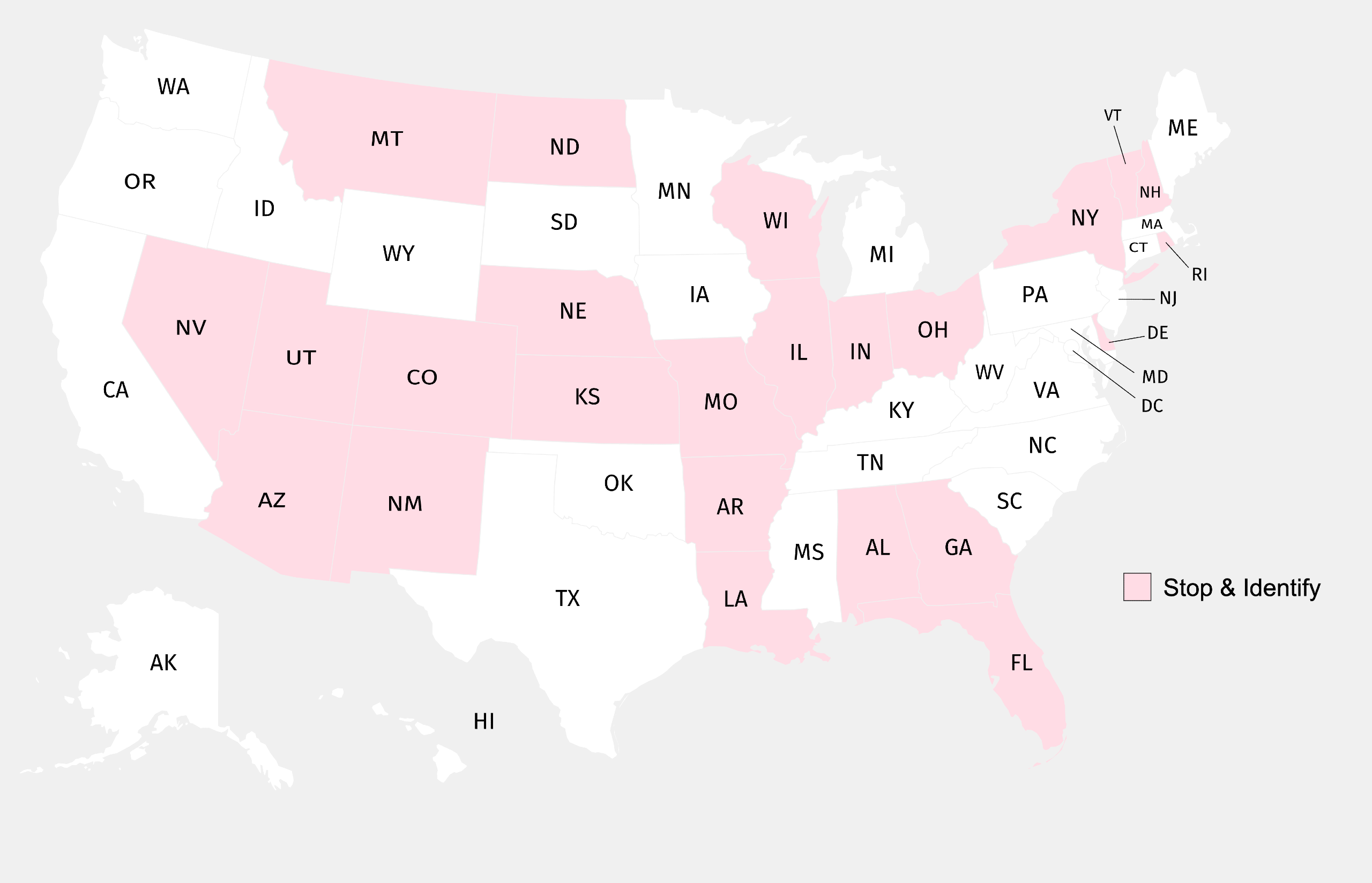
During a lawful investigatory stop in Oklahoma, you are generally required to identify yourself if requested by an officer who has reasonable suspicion. However, you are not obligated to answer further questions beyond providing your name and basic identifying information if you believe it might incriminate you. This is often referred to as the right to remain silent. You also have the right to ask the officer if you are free to leave. If the officer states that you are free to go, you are no longer detained and can depart.
It’s important to remember that resisting arrest or obstructing an officer is a serious offense. Therefore, while asserting your rights, it’s generally advisable to do so respectfully. If you believe your rights have been violated, it is best to document the incident and consult with legal counsel afterwards. Oklahoma’s legal framework, like that of many states, aims to balance the needs of law enforcement with the constitutional rights of citizens. This principle is upheld in various tourist hubs, from the historic district of Guthrie to the vibrant arts scene in Norman.
Practical Tips for Travelers
When traveling through Oklahoma, whether you’re planning a stay at the Skirvin Hilton Oklahoma City or exploring the architectural marvels of the Golden Driller in Tulsa, it’s always a good practice to carry identification. This is not only for potential interactions with law enforcement but also for practical reasons such as checking into hotels, renting a car, or accessing certain attractions. Driver’s licenses or state-issued identification cards are generally accepted forms of identification.
If you are stopped by an Oklahoma police officer:
- Remain Calm and Polite: Your demeanor can significantly influence the interaction.
- Ask Why You Are Being Stopped: Politely inquire about the reason for the stop.
- Provide Identification if Lawfully Requested: If the officer has reasonable suspicion, providing your name and identification is generally required.
- Know Your Right to Remain Silent: You are not obligated to answer questions that could incriminate you beyond identifying yourself.
- Ask if You are Free to Leave: If the officer says yes, you can depart.
- Do Not Resist: Avoid any physical resistance or arguments that could escalate the situation.
- Document the Encounter: If you feel your rights were violated, note the officer’s badge number, the time, location, and details of the interaction.
By being informed and prepared, travelers can navigate potential encounters with law enforcement in Oklahoma with greater confidence, allowing them to focus on enjoying the many wonders the state has to offer, from the scenic beauty of the Ouachita Mountains to the cultural richness of Ponca City.
Oklahoma’s Legal Framework and Traveler Implications
Oklahoma operates under legal principles that allow for investigatory stops and require identification when reasonable suspicion of criminal activity exists. This framework is not unique to Oklahoma; similar laws are in place across the United States, stemming from interpretations of the Fourth Amendment and established legal precedents. For travelers, this means that while enjoying the diverse attractions of the state, from the National Cowboy & Western Heritage Museum to the vibrant nightlife of Bricktown in Oklahoma City, they should be aware that interactions with law enforcement are possible and governed by specific rules.
The Balancing Act: Public Safety and Individual Rights
The laws surrounding “stop and identify” are a testament to the delicate balance law enforcement agencies and legal systems strive to achieve between ensuring public safety and protecting individual liberties. In Oklahoma, as elsewhere, officers are tasked with preventing and investigating crime, which sometimes necessitates temporary detentions. However, these detentions must be justified by more than mere suspicion, requiring articulable facts that point to potential wrongdoing. When such reasonable suspicion is present, the request for identification serves as a tool for officers to confirm identities, rule out suspects, or gather information crucial to their investigation.
This principle is applied across Oklahoma, from the smallest towns to its major cities like Tulsa and Oklahoma City. Whether you are visiting the Philbrook Museum of Art or attending a sporting event, the underlying legal principles remain consistent. The emphasis is on ensuring that detentions are brief, targeted, and serve a legitimate law enforcement purpose, thereby minimizing any undue intrusion on an individual’s freedom of movement and privacy.

Implications for Visitors and Residents
For visitors and residents of Oklahoma, understanding that the state is indeed a “stop and identify” state when reasonable suspicion is present is important. This means carrying identification and being prepared to provide it if lawfully asked. It is not a reason for undue concern, but rather a practical piece of knowledge for navigating the legal landscape. The vast majority of interactions with law enforcement are routine and professional. However, knowing your rights, such as the right to remain silent beyond providing identification and the right to ask if you are free to leave, empowers you to handle any situation appropriately.
When planning your trip to Oklahoma, whether your itinerary includes exploring the historic Blue Whale of Catoosa or enjoying a relaxing stay at a resort like the Cherokee Casino & Hotel in West Siloam Springs, being aware of these legal aspects adds another layer of preparedness. It ensures that your journey is not only filled with memorable experiences but also conducted with an understanding of the local legal environment, contributing to a safe and informed visit. The goal is always to enjoy the unique charm and attractions that Oklahoma has to offer, from its stunning natural landscapes to its rich cultural tapestry, without unnecessary complications.
LifeOutOfTheBox is a participant in the Amazon Services LLC Associates Program, an affiliate advertising program designed to provide a means for sites to earn advertising fees by advertising and linking to Amazon.com. Amazon, the Amazon logo, AmazonSupply, and the AmazonSupply logo are trademarks of Amazon.com, Inc. or its affiliates. As an Amazon Associate we earn affiliate commissions from qualifying purchases.