
California, a state synonymous with sunshine, innovation, and a vibrant tourism industry, also presents a complex landscape when it comes to the legality of online betting. While the allure of a quick win might be appealing to many visitors and residents alike, understanding the current legal framework is crucial. This article delves into the intricacies of online betting laws in the Golden State, exploring its historical context, the ongoing debates, and what the future might hold for this burgeoning sector. For those planning a trip to California and seeking leisure activities, it’s important to distinguish between regulated entertainment options and activities that fall outside the purview of state law.
The Current Legal Standing of Online Betting in California
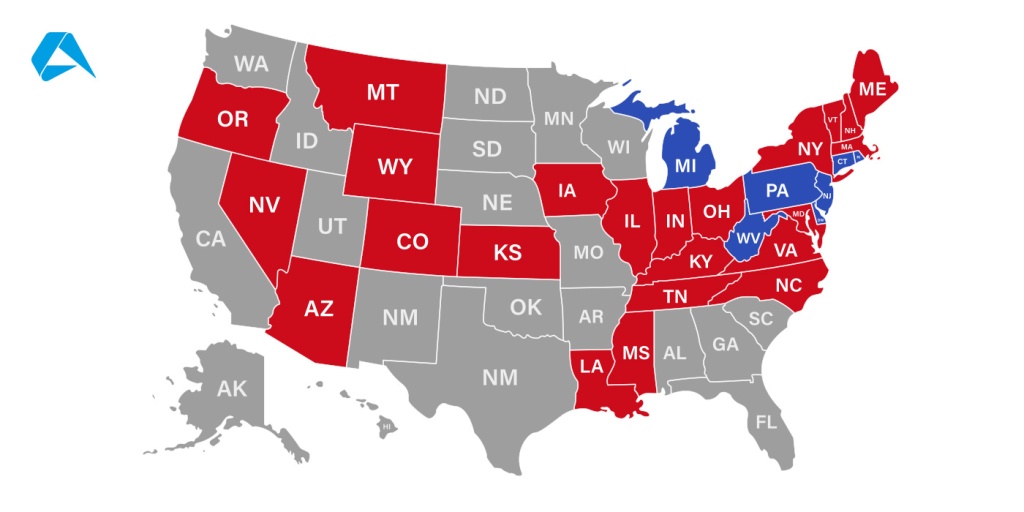
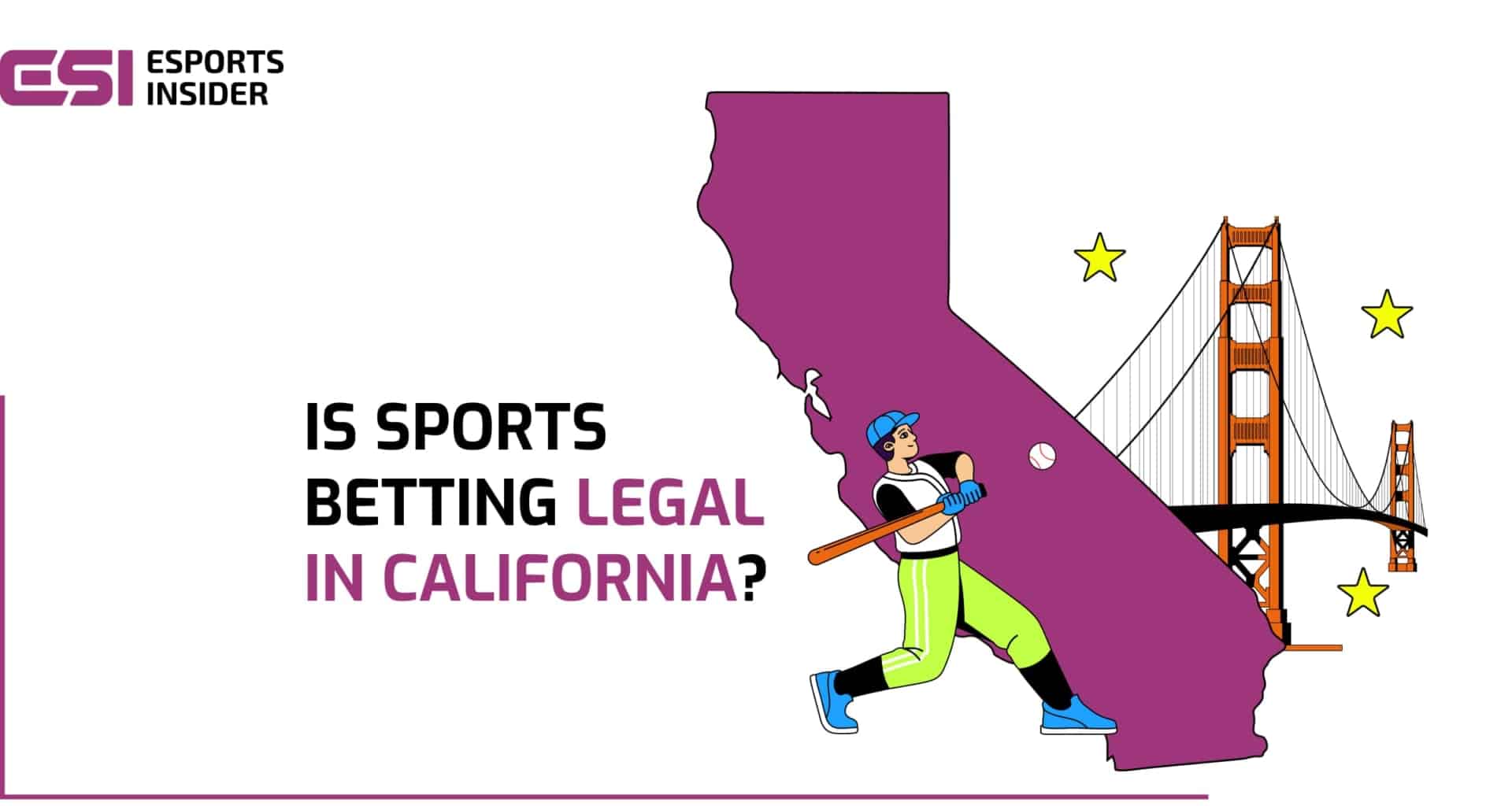
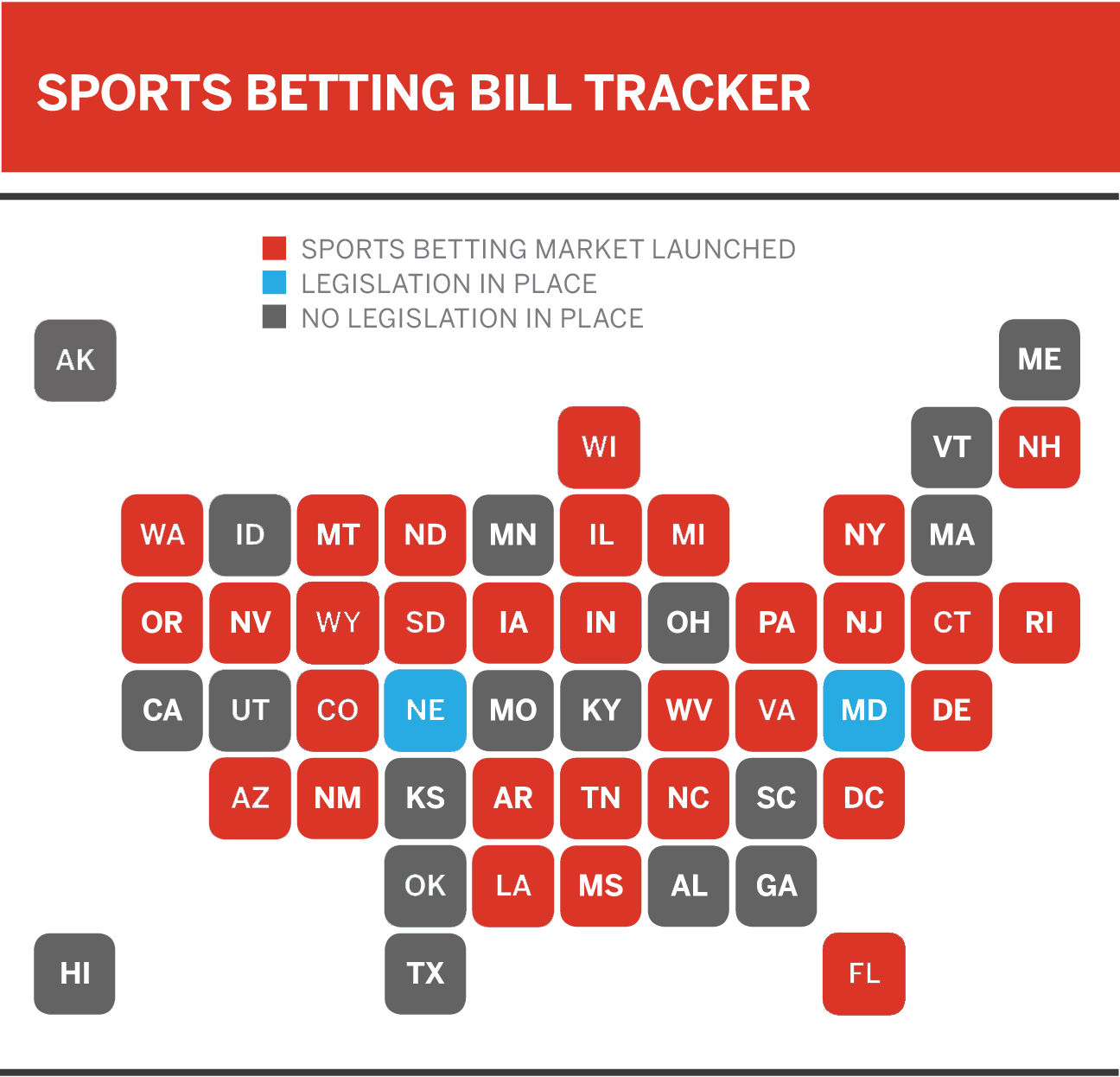
As of the most recent legislative sessions, online sports betting, in particular, remains in a legal gray area in California. Unlike many other states that have embraced the burgeoning sports wagering market, California has yet to enact comprehensive legislation to legalize and regulate it. This isn’t for lack of trying; numerous bills have been introduced in the state legislature over the past few years, each aiming to chart a course for online sports betting. However, these efforts have consistently faced significant hurdles, often stemming from disagreements on key issues such as revenue sharing, the types of bets allowed, and the distribution of licenses.
Historical Context and Legislative Efforts
The journey towards potentially legalizing online betting in California has been a long and winding one. The state’s voters have on multiple occasions rejected ballot initiatives that would have allowed for sports betting. These referendums have highlighted deep divisions among various stakeholders, including tribal gaming entities, card rooms, and out-of-state operators.
The debate often centers on the distribution of revenue and control. Tribal casinos, which have a significant presence in California and operate under federal Indian gaming laws, have historically held a dominant position in the state’s gambling landscape. They have often advocated for a model that would grant them exclusive rights to operate online sports betting, leveraging their existing infrastructure and compacts.
Conversely, card rooms, which are licensed and regulated by the state, have sought to gain access to the online betting market, arguing for a more inclusive approach. Furthermore, proposals that include a broader range of stakeholders, such as commercial operators from outside the state, have faced strong opposition from those who wish to maintain a more localized and tribal-centric model.
The complexity of the tribal gaming landscape in California, with numerous federally recognized tribes operating distinct gaming compacts, further complicates the legislative process. Any statewide legalization effort must navigate these intricate relationships and ensure that tribal interests are adequately addressed, while also considering the broader economic implications for the state.
The Impact of Federal Law
It’s important to note that the legality of sports betting was significantly altered nationwide following the Supreme Court’s 2018 decision in Murphy v. National Collegiate Athletic Association. This ruling struck down the Professional and Amateur Sports Protection Act (PASPA) of 1992, which had effectively prohibited most states from authorizing sports betting. While this decision opened the door for states to legalize sports betting, it did not mandate it. Each state was then empowered to decide whether or not to permit such activities within its borders. California, with its unique political and economic considerations, has been slower to capitalize on this newfound autonomy compared to many other states.
The Current Landscape: Offshore and Unregulated Betting
The absence of regulated online betting in California means that many residents and visitors who wish to participate in such activities often turn to offshore, unregulated websites. These platforms operate outside the jurisdiction of California law and, consequently, offer no consumer protection. This presents significant risks, including potential issues with payouts, account security, and a lack of recourse in case of disputes. Engaging with such platforms is not illegal for the individual bettor in California, but it is a practice that state officials and consumer advocates strongly advise against due to the inherent risks involved.
Exploring California’s Regulated Entertainment Options for Tourists
While the online betting landscape remains largely undeveloped, California offers a wealth of regulated and established entertainment options that cater to a wide array of interests. For travelers seeking excitement and engagement, these offerings provide a legal and secure way to enjoy their leisure time.
Casino Gaming: The Tribal Powerhouse
California is home to a substantial number of tribal casinos, operated by federally recognized Native American tribes. These casinos offer a traditional gaming experience, featuring slot machines, table games like blackjack and poker, and often off-track betting on horse racing. These facilities are regulated by the tribes in accordance with their compacts with the state and federal law. Popular destinations include:
- Pechanga Resort Casino in Temecula, known for its expansive gaming floor and luxury amenities.
- Morongo Casino Resort & Spa in Cabazon, offering a vibrant atmosphere and a wide selection of games.
- San Manuel Indian Bingo & Casino (now San Manuel Casino) in Highland, one of the largest casinos in Southern California.
- Thunder Valley Casino Resort near Sacramento, a premier entertainment destination with extensive gaming and dining options.
These casinos are not just gaming venues; they are often integrated resorts, providing accommodation, fine dining, entertainment shows, and spa services, making them attractive destinations in their own right.
Horse Racing and Off-Track Betting
For enthusiasts of equestrian sports, California boasts a rich history of horse racing. Iconic tracks such as:
- Santa Anita Park in Arcadia, often referred to as the “Graveyard of Champions.”
- Del Mar Racetrack north of San Diego, famous for its slogan “Where the Turf Meets the Surf.”
- Golden Gate Fields in Berkeley, the premier thoroughbred racing venue in Northern California.
These tracks offer live racing during their respective seasons, providing an exciting spectator experience. For those who cannot attend live events, a network of off-track betting facilities (OTBs) across the state allows patrons to wager on races from various tracks nationwide. These OTBs are regulated and provide a legal avenue for sports wagering on horse racing.
Pari-Mutuel Wagering on Sports
Beyond horse racing, pari-mutuel wagering on certain sporting events is also permissible in California, primarily through licensed entities. This form of betting involves pooling wagers and distributing them among the winners after deducting a commission. While not as widespread as traditional sportsbooks found in other states, these regulated options offer a legal pathway for those interested in wagering on sports outcomes.
The Future of Online Betting in California: Debates and Prospects
The conversation around legalizing and regulating online sports betting in California is far from over. As more states successfully implement and benefit from regulated markets, the pressure on California to act continues to grow.
Key Issues Driving the Debate
Several critical issues remain at the forefront of the legislative discussions:
- Tribal Sovereignty and Exclusivity: The role of Native American tribes in operating and benefiting from any legalized online betting framework is a central point of contention. Tribes have significant political influence and are keen to protect their existing gaming rights.
- Taxation and Revenue Generation: Lawmakers are eager to tap into the significant tax revenue that a regulated online betting market could generate. The proposed tax rates and how that revenue would be allocated (e.g., to education, infrastructure, or problem gambling initiatives) are subjects of intense negotiation.
- Consumer Protection and Responsible Gaming: Any legalization effort must include robust measures to protect consumers, prevent underage gambling, and fund programs for problem gamblers. Regulatory bodies would be established to oversee these operations.
- Competition and Market Access: The debate also involves which entities should be allowed to offer online betting services. This includes discussions about whether card rooms should have access, the role of out-of-state operators, and the potential for a competitive marketplace versus a more monopolistic structure.
Potential Pathways Forward
Given the complexities, several scenarios could unfold:
- Tribal-Exclusive Online Model: This would see online sports betting operated solely by Native American tribes, potentially in partnership with technology providers. This approach aligns with the tribes’ desire for exclusivity and their existing gaming infrastructure.
- Hybrid Model: A more inclusive model might allow for a combination of tribal and commercial operators, possibly with different licensing structures and revenue-sharing agreements.
- Further Ballot Initiatives: If legislative efforts continue to stall, proponents might once again seek to bring the issue before voters through ballot initiatives, though past attempts have proven difficult to pass.
The path to regulated online betting in California is likely to be protracted and filled with negotiation. However, the economic potential and the demand for such services suggest that the conversation will continue. For tourists and residents alike, staying informed about legislative developments is key to understanding when and how legal online betting might become a reality in the Golden State. Until then, enjoying California’s diverse array of regulated entertainment and attractions remains the best way to experience the state’s leisure offerings.
LifeOutOfTheBox is a participant in the Amazon Services LLC Associates Program, an affiliate advertising program designed to provide a means for sites to earn advertising fees by advertising and linking to Amazon.com. Amazon, the Amazon logo, AmazonSupply, and the AmazonSupply logo are trademarks of Amazon.com, Inc. or its affiliates. As an Amazon Associate we earn affiliate commissions from qualifying purchases.