
California, a state renowned for its sun-kissed beaches, iconic landmarks, vibrant cities like Los Angeles and San Francisco, and unparalleled natural beauty, is a dream destination for travelers worldwide. From the sprawling theme parks of Southern California to the majestic redwoods of the north, the Golden State offers an endless array of experiences. However, for those planning a trip, whether for leisure, business, or a family vacation, understanding local laws is paramount to ensuring a smooth and enjoyable journey. Among the various regulations that might surprise visitors, California’s stringent gun laws, particularly regarding open carry, stand out.

The simple answer to the question “Is open carry legal in California?” is generally no. California has some of the strictest firearm regulations in the United States, and the public open carry of firearms, whether loaded or unloaded, is largely prohibited. This comprehensive restriction significantly impacts how visitors and residents alike can interact with firearms within the state. For travelers, understanding these laws is not just a matter of legal compliance but also crucial for planning their itinerary, choosing accommodations, and ensuring a hassle-free tourism experience. This article will delve into the nuances of California’s open carry laws, providing essential information for anyone considering travel to or within this captivating state. We’ll explore how these regulations might affect your stay in various hotels or resorts, your visits to famous landmarks, and your overall lifestyle experience in California.
Understanding California’s Gun Laws: A Traveler’s Guide
Navigating the legal landscape of firearm ownership and carry can be complex, especially when crossing state lines. California’s approach is distinctive, prioritizing public safety through extensive regulation. For the average traveler, the key takeaway is that carrying a firearm openly in public places is almost universally forbidden.
The General Prohibition on Open Carry
Prior to 2012, California had a more ambiguous stance on the open carry of unloaded firearms, but subsequent legislation has effectively closed this loophole. Today, California Penal Code Sections 26350 and 26400 make it illegal for most individuals to openly carry a loaded or unloaded handgun or long gun in public. This prohibition applies broadly across the state, from bustling urban centers like Oakland and San Diego to tranquil rural areas.
The definition of “open carry” is straightforward: carrying a firearm in a manner that is visible to the public. This includes firearms carried in holsters worn outside clothing, slung over a shoulder, or openly displayed in a vehicle. The intent behind these laws is to reduce gun violence and enhance public safety by limiting the visible presence of firearms in everyday public life. This legal framework contributes to a distinct social environment that many visitors find to be a refreshing aspect of their California experience, allowing them to focus on the myriad of attractions without concern over visible firearms.
Exceptions and Nuances
While the general rule is a strict prohibition, there are very limited and specific exceptions. These exceptions are typically relevant to a small subset of the population and rarely apply to the average tourist. For instance, active law enforcement officers, individuals on private property with the owner’s permission, or those engaged in legitimate hunting activities in designated areas might be exempt under specific circumstances. Also, some licensed security guards may be authorized to openly carry firearms while on duty.
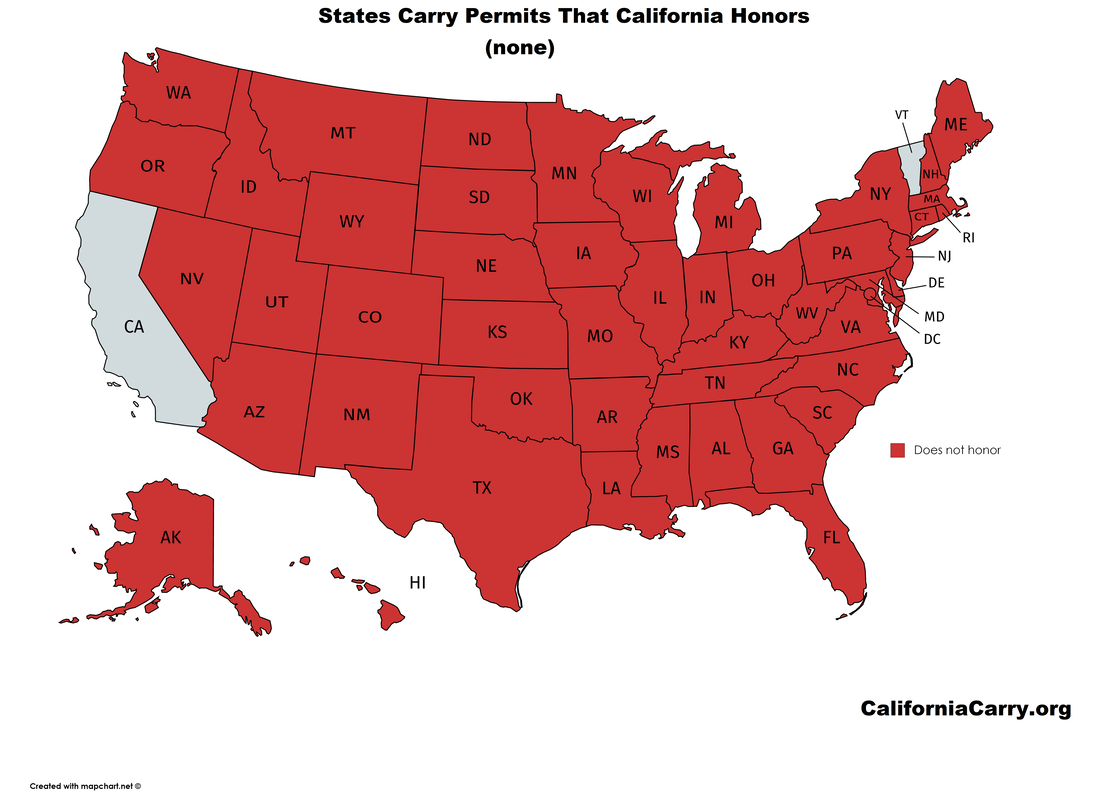
However, these exceptions are narrow and come with strict conditions. For instance, transporting a firearm to or from a shooting range, gunsmith, or a designated hunting area requires the firearm to be unloaded and stored in a locked container, separate from ammunition. It’s critical for anyone considering bringing a firearm into California to understand that simply having a permit to carry in another state does not grant similar privileges in California. Reciprocity agreements are virtually non-existent for open or concealed carry permits. Travelers should never assume their out-of-state permits are valid in California without explicit verification from California authorities. The penalties for violating these laws can range from significant fines to felony charges and imprisonment, underscoring the importance of strict compliance.
Concealed Carry vs. Open Carry
While open carry is largely forbidden, California does allow for Concealed Carry Weapon (CCW) permits. However, obtaining a CCW permit in California is notoriously difficult and is issued on a “may-issue” basis by local law enforcement agencies (sheriffs or police chiefs). Applicants must demonstrate “good cause,” meet residency requirements, complete extensive training, and undergo thorough background checks.
For visitors, securing a California CCW permit is virtually impossible, as residency is a prerequisite. This means that travelers from other states, even those with CCW permits recognized in many other jurisdictions, cannot legally carry a concealed firearm in California. This distinction between open and concealed carry, and the strict requirements for the latter, further solidify California’s reputation for robust gun control, shaping the public environment that both residents and tourists experience.
Navigating California as a Visitor: Gun Laws and Your Itinerary
For any visitor, the focus of a California trip should be on its stunning natural beauty, cultural diversity, and world-class attractions. Understanding the state’s gun laws ensures that your focus remains on enjoyment and exploration, free from legal complications. These laws dictate what you can and cannot do in various locations, impacting your travel planning from start to finish.
Airports, Public Transportation, and Restricted Zones
When you arrive in California, typically at major hubs like Los Angeles International Airport or San Francisco International Airport, specific rules apply to firearms. Federal regulations mandate that firearms in checked luggage must be unloaded, declared to the airline, and stored in a locked, hard-sided container. Ammunition must also be stored separately. Carrying firearms into airport terminals beyond the security checkpoint, even in a concealed manner, is strictly prohibited.

Beyond airports, firearms are generally prohibited on all forms of public transportation, including buses, trains, and subways, which connect cities like Sacramento and Oakland. California also designates numerous “gun-free zones.” These often include schools, universities, government buildings (like courthouses or city halls), polling places, and many public parks and recreational areas. For example, a leisurely stroll through Santa Monica‘s bustling pier or a visit to Hollywood’s Walk of Fame would fall under general public spaces where open carry is prohibited. Being aware of these zones is vital for planning your day trips and movements around the state.
Hotels, Resorts, and Private Accommodations
When booking your accommodation in California, whether a luxury hotel in Beverly Hills, a quaint Airbnb in Napa Valley, or a family-friendly resort near Lake Tahoe, it’s important to remember that private property owners can establish their own rules regarding firearms. While California state law prohibits open carry in public, a hotel or resort may have additional policies restricting firearms on their premises, even for lawful concealed carry permit holders (should that apply to a California resident).
Before traveling with any firearm, even if legally allowed for transport (unloaded and locked), it is highly advisable to contact your intended hotel or accommodation provider directly to inquire about their specific policies. Many establishments, particularly those catering to families or international tourists, maintain strict no-firearm policies to ensure the comfort and safety of all guests. Respecting these private property rules is just as crucial as adhering to state laws.
Theme Parks and Tourist Attractions
California’s world-renowned theme parks and tourist attractions are major draws for visitors. Places like Disneyland in Anaheim, Universal Studios Hollywood, and other popular destinations have explicit policies prohibiting firearms on their premises. These rules are usually clearly posted at entrances and are strictly enforced through security screenings.
Similarly, iconic landmarks and natural wonders such as Yosemite National Park, the Golden Gate Bridge, Alcatraz Island, Death Valley National Park, and even scenic routes like Big Sur along the Pacific Coast Highway are generally considered gun-free zones or have specific regulations regarding firearms. While federal law allows for some firearm possession in national parks if state and local laws are followed, California’s restrictive state laws still largely apply, meaning open carry remains prohibited in most public areas within these parks. The emphasis for visitors should always be on enjoying the unparalleled beauty and experiences these sites offer, rather than navigating complex firearm regulations.
The Lifestyle and Safety Aspect for Travelers
The strict gun laws in California contribute to a distinct lifestyle and tourism experience. For many, the absence of visible firearms enhances a sense of public safety and allows for a more relaxed exploration of the state’s diverse offerings.
Prioritizing Safety and Legal Compliance
For any traveler, the primary goal is a safe and memorable trip. Understanding and adhering to California’s gun laws is a fundamental aspect of ensuring this. Attempting to open carry a firearm, or even inadvertently carrying one in a restricted zone, can lead to serious legal consequences that will undoubtedly derail your vacation plans. Ignorance of the law is not a valid defense, especially for visitors.
The safest and most straightforward approach for tourists is to leave firearms at home. If you must transport a firearm through California as part of a longer journey, ensure it complies with federal interstate transportation laws (unloaded, locked container, inaccessible) and California’s specific requirements, which are often more restrictive. Always err on the side of caution and consult official legal resources if you have any doubts.
Enjoying California’s Diverse Attractions Without Complication
California’s allure lies in its vibrant culture, stunning landscapes, and innovative spirit. From wine tasting in Napa Valley and Sonoma to surfing in Malibu, exploring the artistic community of Carmel-by-the-Sea, or hiking in its numerous national parks, there is an incredible breadth of activities to immerse yourself in. These experiences are best enjoyed without the added stress of legal concerns related to firearm carry.
The state’s strict gun laws are an integral part of its public policy, designed to foster an environment where people can enjoy public spaces with a greater sense of security. Embracing this aspect allows travelers to fully engage with the local culture, indulge in the renowned food scene, and appreciate the natural wonders without distraction. The general prohibition on open carry means that for most travelers, planning their trip can focus entirely on exciting destinations, comfortable accommodations, and unforgettable experiences, rather than complex legal considerations about firearms.
Resources for Further Information
For the most accurate and up-to-date information, travelers should always refer to official sources. These include the California Department of Justice, the local sheriff’s department or police department of their destination city (e.g., San Diego Police Department), and reputable legal counsel specializing in California firearm laws. Consulting these resources well in advance of your trip can prevent misunderstandings and ensure full compliance.
In conclusion, for most visitors to California, the answer to whether open carry is legal is a resounding “no.” The state’s comprehensive gun control measures are designed to limit the public display and carrying of firearms, contributing to a unique public safety environment. By understanding and respecting these laws, travelers can ensure their focus remains on exploring the vibrant cities, iconic landmarks, and stunning natural beauty that make California an unparalleled travel destination, promising a memorable and trouble-free experience.
LifeOutOfTheBox is a participant in the Amazon Services LLC Associates Program, an affiliate advertising program designed to provide a means for sites to earn advertising fees by advertising and linking to Amazon.com. Amazon, the Amazon logo, AmazonSupply, and the AmazonSupply logo are trademarks of Amazon.com, Inc. or its affiliates. As an Amazon Associate we earn affiliate commissions from qualifying purchases.