
Navigating the legal landscape of a new destination is a crucial part of responsible travel, especially when it involves sensitive topics like firearm laws. For visitors planning a trip to the picturesque state of Colorado, understanding the regulations surrounding open carry is paramount. This guide aims to provide a professional, insightful, and engaging overview for tourists, ensuring clarity and helping you make informed decisions during your stay.
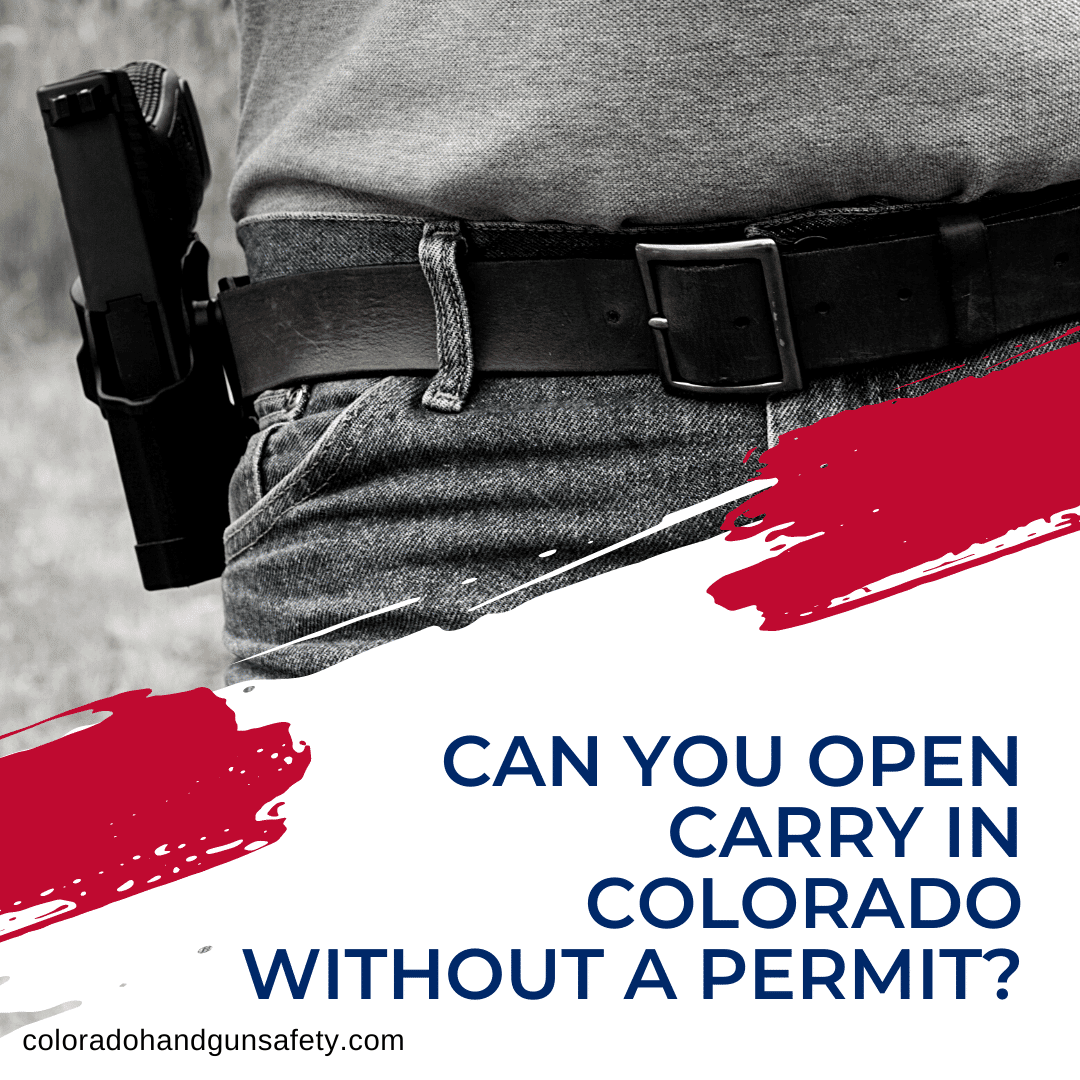
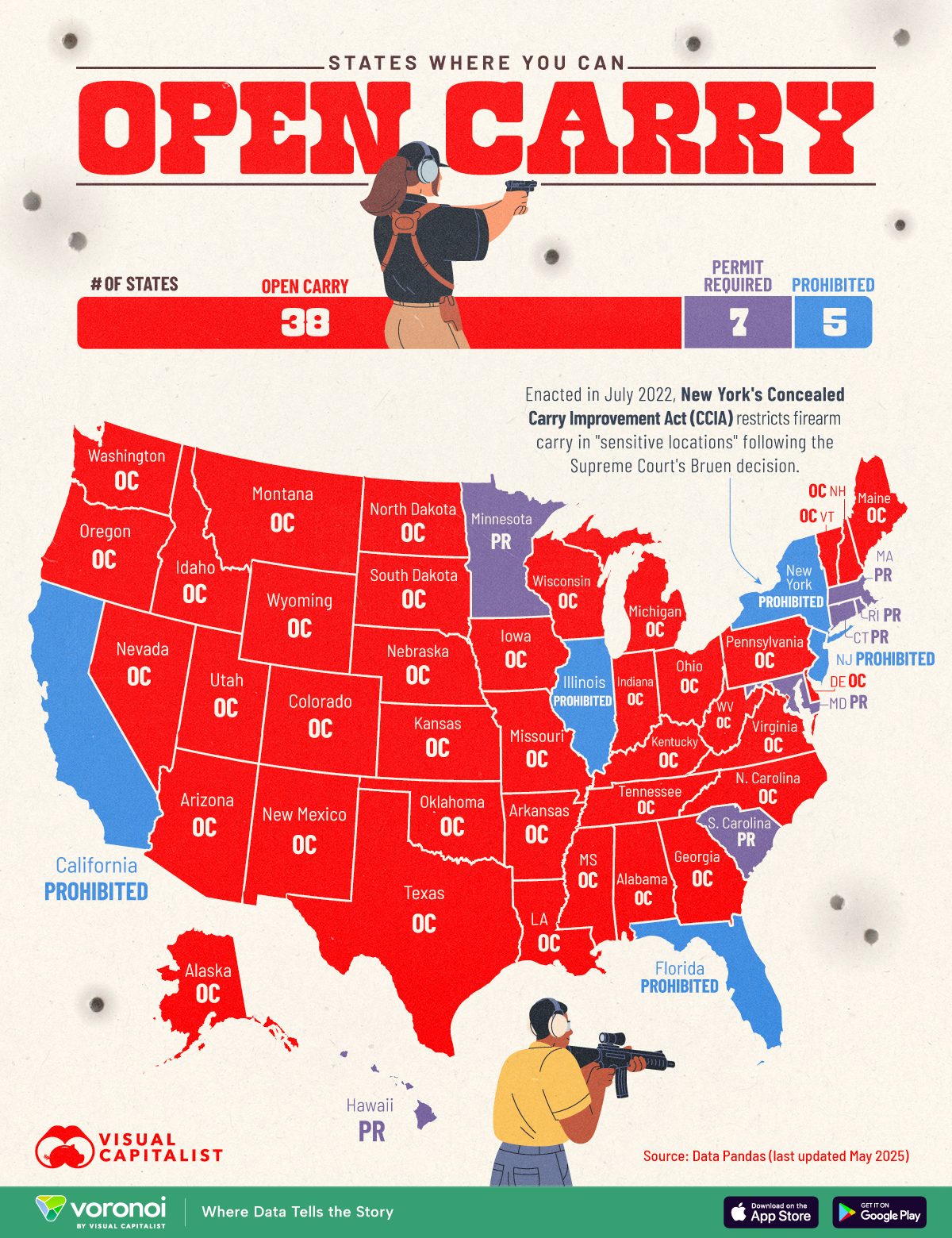
The short answer to whether open carry is legal in Colorado is: generally, yes, but with significant caveats and local variations that every visitor must be aware of. Unlike some states with outright bans, Colorado largely upholds the right to open carry firearms, subject to specific restrictions on locations, types of weapons, and the discretion of local jurisdictions. For tourists, this means that while you might encounter individuals openly carrying firearms, it doesn’t grant carte blanche for every visitor to do the same without proper knowledge and adherence to the law. The nuances are vital for a smooth and lawful visit, impacting everything from strolling through bustling city centers to exploring serene national parks.
Understanding Colorado’s Foundational Gun Laws: A Tourist’s Primer
Colorado’s approach to firearm regulation is often described as a blend of state-level protections for gun rights and allowances for local control, creating a complex tapestry that requires careful attention from visitors. The state’s constitution guarantees the right to bear arms in defense of home, person, and property, which forms the bedrock of its permissive stance on open carry. However, this right is not absolute and is circumscribed by various statutes and ordinances designed to enhance public safety. For tourists, this dual nature means that while the general principle might seem straightforward, the practical application in different parts of the state can be anything but.
The General Rule: Open Carry is Permitted (with Exceptions)
At the state level, adults aged 18 and older who are not otherwise prohibited from possessing a firearm (e.g., due to felony convictions, domestic violence restraining orders, or mental health adjudications) are generally permitted to openly carry a handgun or long gun. This means a firearm carried in plain sight, not concealed. There is no state-level permit required for open carry. However, this broad permission is immediately curtailed by several crucial exceptions that tourists must internalize. For instance, certain classes of individuals, even without a criminal record, may be restricted from firearm possession under federal law, which always supersedes state law. Furthermore, the type of firearm can matter; while most handguns and rifles are permitted, some localities may have specific ordinances related to “assault weapons,” although these are less common for open carry discussions. The primary challenge for visitors lies in discerning where these exceptions apply, as they are not uniform across the state.
State Preemption vs. Local Ordinances: The Nuance for Visitors
This is arguably the most critical aspect for tourists to grasp. Colorado has a state preemption law that prevents local governments from enacting ordinances that regulate the sale, purchase, or possession of firearms. However, this preemption has been interpreted to allow local governments to regulate the manner of carry in specific public places or during certain events. This distinction is where the complexity arises. Cities and counties, particularly larger municipalities and popular tourist destinations, often leverage this allowance to implement their own restrictions on open carry. For example, the city and county of Denver have significant restrictions that differ from more rural counties. This means a firearm legally openly carried in one county might be subject to penalties just a few miles down the road in another. Tourists are therefore obligated to research the specific ordinances of every city or county they plan to visit, which can be a time-consuming but necessary step.
Permit Requirements for Concealed Carry (and why it’s different)
While the focus here is on open carry, it’s important to briefly touch upon concealed carry, as the two are often confused. In Colorado, carrying a concealed handgun requires a Concealed Handgun Permit (CHP), issued by the county sheriff. Colorado is a “shall issue” state, meaning if an applicant meets the legal requirements, the permit must be issued. Tourists from states with reciprocity agreements may be able to carry concealed with their home state’s permit. However, this is distinct from open carry, which does not require a permit. The critical difference lies in intent: concealed carry implies the firearm is hidden from ordinary observation, whereas open carry means it is visible. Tourists who accidentally or intentionally conceal a firearm without a valid CHP (or reciprocal permit) risk serious legal consequences, even if open carry would have been legal in that location. Therefore, for most tourists, understanding the nuances of open carry is more directly relevant, unless they possess a valid concealed carry permit recognized by Colorado.
Places Where Open Carry is Prohibited for Everyone
Even where open carry is generally permitted by state law, numerous locations are designated as “gun-free zones” where carrying firearms, openly or concealed (unless specifically exempted, such as for law enforcement), is strictly prohibited. These restrictions apply equally to residents and tourists alike and are critical to observe to avoid legal trouble during your visit to Colorado.
Federal Buildings and Courthouses
This is a universal prohibition across the United States. Federal law prohibits the possession of firearms in federal facilities, which include post offices, federal courthouses, IRS offices, and other buildings owned or leased by the federal government. Signage is usually present, but ignorance is not an excuse. Similarly, state and local courthouses in Colorado also prohibit firearms, even for permit holders, due to the sensitive nature of judicial proceedings. Tourists must be especially mindful of this when visiting government administrative buildings or seeking official services.
K-12 Schools and Universities
Colorado state law prohibits carrying firearms on the property of any public or private elementary, middle, junior high, or high school. This is a strict prohibition. For institutions of higher education, such as universities and colleges, the situation can be more complex, as some universities may allow concealed carry by permit holders but still prohibit open carry or possession in certain areas (e.g., dorms, classrooms, administrative buildings). While a tourist is unlikely to attend classes, they might visit a campus as part of a sightseeing tour, making this a relevant restriction. Always check the specific campus policies of universities like the University of Colorado Boulder or Colorado State University.
Denver’s Specific Regulations and Other Municipalities
As Colorado’s capital and largest city, Denver has some of the most stringent local firearm ordinances. The city of Denver prohibits open carry of firearms within city limits, with limited exceptions for law enforcement and those with a valid concealed carry permit (for concealed carry only). This means that openly carrying a handgun or long gun in downtown Denver or in its various neighborhoods is generally illegal and could lead to arrest. Other prominent tourist destinations, such as Boulder and Aspen, also have their own specific local ordinances restricting or prohibiting open carry in certain areas or contexts. Tourists visiting these cities must do their due diligence to understand these local variations. Ignoring these municipal laws can quickly turn a pleasant trip into a legal nightmare.
Private Property Rights: “No Guns” Signs
Even if open carry is generally legal in a particular city or county, private property owners have the right to prohibit firearms on their premises. This is often indicated by “No Guns Allowed” or “No Weapons” signs conspicuously displayed at entrances. Businesses, restaurants, theaters, shopping malls, and even some public-facing private entities (like hospitals) can exercise this right. When such a sign is posted, carrying a firearm onto that property, openly or concealed, constitutes trespassing and can lead to immediate removal and potential legal action. Tourists should respect these signs as a condition of entry.
Special Events and Public Gatherings
Local jurisdictions, in conjunction with event organizers, often have the authority to prohibit firearms at large public gatherings, parades, festivals, concerts, and other special events. These temporary restrictions are typically implemented for public safety, especially when large crowds are expected. Tourists attending events like the Denver Arts Festival or a concert at Red Rocks Amphitheatre should always check event-specific policies regarding firearms. These prohibitions are usually well-publicized by event organizers and local authorities.
Key Considerations for Tourists Carrying Firearms
For tourists who choose to travel with a firearm and wish to open carry where legal, several practical considerations and best practices are essential to ensure a safe and lawful experience in Colorado. These tips are designed to help visitors avoid misunderstandings and potential legal issues.

Transporting Firearms in Vehicles: Best Practices
When traveling to or through Colorado with firearms, proper transportation is key. While many states have varying laws, federal law generally permits the transport of unloaded, cased firearms in a vehicle if they are not readily accessible. In Colorado, an unloaded long gun can generally be transported in a vehicle without issue. For handguns, if you do not have a concealed carry permit, the handgun should be unloaded and secured in a compartment other than the glove box or console, or in a carrying case, to avoid accidental “concealed carry” charges. Some interpretations suggest an unloaded handgun in plain sight is acceptable, but for maximum safety and to avoid ambiguity, an unloaded, cased, and out-of-reach method is often recommended. This is especially important when crossing through areas with stricter local ordinances.
Age Restrictions and Eligibility
As mentioned, individuals must be 18 years or older to openly carry a handgun in Colorado. For long guns (rifles and shotguns), federal law requires individuals to be 18 to purchase them from a licensed dealer, and state law generally aligns with this for possession. Tourists must ensure they meet these age requirements. Furthermore, anyone prohibited from possessing a firearm under federal or state law (e.g., felons, those convicted of domestic violence misdemeanors, individuals subject to certain restraining orders, or those involuntarily committed to mental health facilities) cannot legally carry any firearm, openly or concealed, regardless of local ordinances. Visitors should be certain they are not subject to any such disqualifiers.
The Importance of Knowing the Law (and avoiding misinterpretation)
The onus is entirely on the individual to know and follow the law. Relying on anecdotal information or assuming that laws are uniform across the state can lead to severe consequences. Before visiting a specific town or attraction, a quick online search for “firearm laws in [City Name], Colorado” can often provide crucial insights. Websites of city governments, county sheriffs’ offices, and reputable legal resources are excellent starting points. Understanding the difference between state law, local ordinances, and federal prohibitions is not just helpful—it’s essential for responsible tourism.
Interactions with Law Enforcement
Should you be openly carrying a firearm and encounter law enforcement in Colorado, remain calm, courteous, and compliant. Informing an officer upfront that you are carrying a firearm (if they haven’t already noticed) can prevent misunderstandings. Follow all instructions given by the officer, and avoid any sudden movements. Do not reach for the firearm unless specifically instructed to do so. Law enforcement officers are trained to assess potential threats, and clear, respectful communication is key to a positive interaction. While open carry is legal in many areas, officers still have a right to inquire and ensure public safety.
Navigating Colorado’s Diverse Landscapes with Firearm Awareness
Colorado offers a breathtaking array of environments, from bustling urban centers to remote wilderness. Each setting can present different considerations for tourists regarding firearm carry. Understanding these distinctions is vital for a seamless and compliant travel experience.
Urban vs. Rural Differences
The contrast between urban and rural areas in Colorado concerning open carry is stark. In rural counties, where hunting, sport shooting, and self-defense in less-populated areas are more common, open carry is generally more accepted and less regulated by local ordinances. Attitudes among residents and law enforcement may also be more accustomed to the practice. Conversely, in urban centers like Denver, Boulder, or Colorado Springs, local prohibitions are more common, and public perception of open carry may be less favorable. Tourists should calibrate their expectations and actions based on the specific environment they are in. What is permissible and culturally accepted in a small mountain town like Silverton might be illegal and draw unwanted attention in downtown Denver.
National Parks and Forests: Federal vs. State Laws
Many of Colorado’s crown jewels, such as Rocky Mountain National Park, Great Sand Dunes National Park, and Mesa Verde National Park, are under federal jurisdiction. A federal law passed in 2010 allows individuals to carry firearms in national parks and wildlife refuges, provided they comply with the firearm laws of the state where the park is located. This means if open carry is legal under Colorado state law and no specific park regulations prohibit it, then open carry is generally permitted within these federal lands. However, carrying firearms inside federal buildings within these parks (visitor centers, administrative offices) remains prohibited under federal law. National Forests and Bureau of Land Management (BLM) lands generally follow state law, making open carry permissible where it is legal in Colorado, though specific areas may have restrictions (e.g., developed campgrounds, firing ranges). Always check the specific park or forest regulations before entering, as rules can change or be site-specific.
Ski Resorts and Recreational Areas
Colorado is world-renowned for its ski resorts, such as Vail, Aspen, and Breckenridge. These resorts are typically private property, even if they operate on leased federal land. As private entities, they have the right to establish their own policies regarding firearms. Most ski resorts prohibit firearms on their property, including on the slopes, in lodges, and at base areas. Even if a particular municipality where a resort is located permits open carry, the resort’s private policy will take precedence. Similarly, other privately owned recreational areas, like theme parks or certain concert venues, will likely have “no firearms” policies. It is crucial for tourists visiting these attractions to consult their specific rules and regulations beforehand.
Recommendations for Responsible Tourism and Firearm Ownership
For any tourist considering open carry in Colorado, responsibility and diligence are paramount. Your actions reflect not only on you but also on the broader community of firearm owners.
Research Specific Destinations
Before you finalize your itinerary, dedicate time to researching the specific firearm laws of each city, county, and particular attraction you plan to visit. Websites of local police departments, sheriff’s offices, and city halls are valuable resources. This proactive approach will prevent unpleasant surprises and ensure your trip remains enjoyable and lawful.
Prioritize Safety and De-escalation
Even where legal, openly carrying a firearm can draw attention and, in some instances, cause alarm among members of the public unfamiliar with the practice. Always prioritize safety, both your own and that of those around you. Be mindful of your surroundings and avoid any behavior that could be perceived as threatening or reckless. If confronted or questioned, maintain a calm demeanor and explain your actions politely and within the bounds of the law.
When in Doubt, Secure It
If you are ever unsure about the legality or appropriateness of open carrying in a specific location, the safest course of action is to secure your firearm in your vehicle (unloaded and cased, as per transportation best practices) or at your accommodation. It is always better to err on the side of caution than to face legal repercussions or cause distress to others. Colorado offers countless activities where a firearm might be unnecessary or prohibited anyway, such as enjoying a meal in a restaurant or attending a concert.
In conclusion, while open carry is generally legal in Colorado, the state’s intricate web of state laws, local ordinances, federal regulations, and private property policies demands careful attention from tourists. Understanding these nuances, especially regarding specific locations like Denver, national parks, and private resorts, is not just a suggestion but a necessity for any visitor choosing to travel with a firearm. By conducting thorough research and adhering to responsible practices, tourists can ensure a safe, legal, and truly memorable experience in the Centennial State.
LifeOutOfTheBox is a participant in the Amazon Services LLC Associates Program, an affiliate advertising program designed to provide a means for sites to earn advertising fees by advertising and linking to Amazon.com. Amazon, the Amazon logo, AmazonSupply, and the AmazonSupply logo are trademarks of Amazon.com, Inc. or its affiliates. As an Amazon Associate we earn affiliate commissions from qualifying purchases.