
Navigating the legal landscape of firearm possession, particularly open carry, can be a complex and crucial aspect for many individuals, especially those planning to travel or reside in a new jurisdiction. Florida, a popular destination for tourism and a growing state for residents, has specific regulations concerning open carry that visitors and locals alike need to understand. This guide aims to provide a comprehensive overview of Florida’s open carry laws, ensuring clarity and promoting responsible firearm practices within the state.
Understanding Florida’s Firearm Laws: The Basics
Florida has a nuanced approach to firearm regulations, with specific statutes governing the possession and carrying of weapons. While the Second Amendment of the U.S. Constitution guarantees the right to keep and bear arms, state laws often dictate the specifics of how this right is exercised. For open carry, it’s essential to distinguish between general possession and the act of openly displaying a firearm.
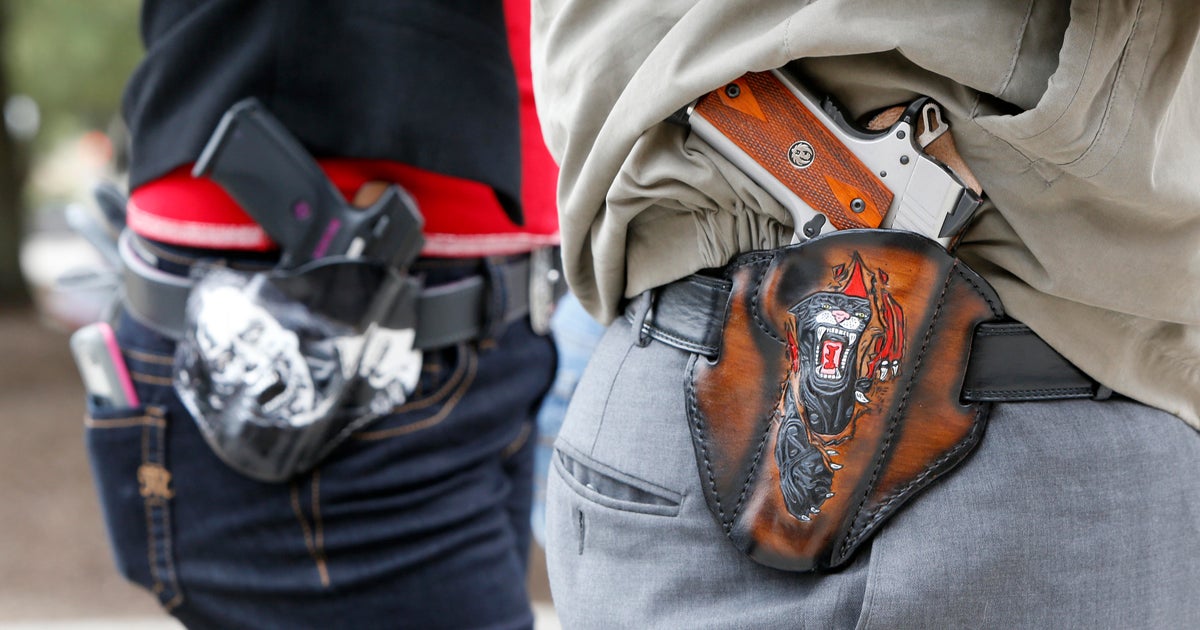
The Right to Bear Arms in Florida
Florida law generally upholds the right to own and possess firearms. However, this right is not unfettered and is subject to various restrictions and licensing requirements. Understanding these foundational principles is key to comprehending the nuances of open carry. The state has specific provisions related to who can legally possess firearms, including age requirements and prohibitions for certain individuals, such as convicted felons or those with a history of domestic violence.
Open Carry vs. Concealed Carry in Florida
Florida law primarily focuses on concealed carry, requiring individuals to obtain a License to Carry a Concealed Weapon or Firearm (CCW) to carry a handgun on their person, concealed or openly. Without such a license, openly carrying a handgun is generally prohibited. This means that unlike some other states where open carry is the default for law-abiding citizens, Florida requires a permit to legally carry a firearm in either manner. The emphasis on a concealed carry license is a significant distinction that travelers and new residents must acknowledge.
Exceptions to the Open Carry Prohibition
While the general rule in Florida is that openly carrying a handgun requires a CCW license, there are specific exceptions. These exceptions are critical for individuals who may find themselves in situations where open carry is permissible without a license.
Carrying Firearms in Your Home, Vehicle, or Business
Florida Statute 790.25 outlines several exceptions where carrying a firearm is lawful without a permit. These include:
- At your home: You are permitted to possess firearms in your dwelling.
- In your vehicle: You can possess a firearm within a vehicle, provided it is not otherwise prohibited by law. However, the firearm must not be openly displayed in a manner that suggests intent to alarm.
- At your place of business: Similar to one’s home, individuals may possess firearms at their business establishments.
It is crucial to understand that these exceptions relate to possession and not necessarily to the active, open carrying of a firearm in public spaces outside of these specific contexts. The intent and manner of carrying are often scrutinized. For instance, if a firearm is placed in a vehicle in a threatening manner, it could still lead to legal complications.
Law Enforcement and Specific Professions
Certain professions are exempt from standard firearm licensing requirements. Law enforcement officers, correctional officers, and licensed private investigators, among others, are authorized to carry firearms under specific circumstances related to their official duties. These exemptions are based on the inherent responsibilities and security needs of these roles and do not extend to the general public.
Obtaining a License to Carry in Florida
For individuals who wish to carry a handgun openly or concealed in Florida, obtaining a CCW license is the primary legal pathway. Florida has reciprocity agreements with many other states, meaning a CCW license from Florida may be recognized in those states, and vice versa.
Eligibility Requirements for a CCW License
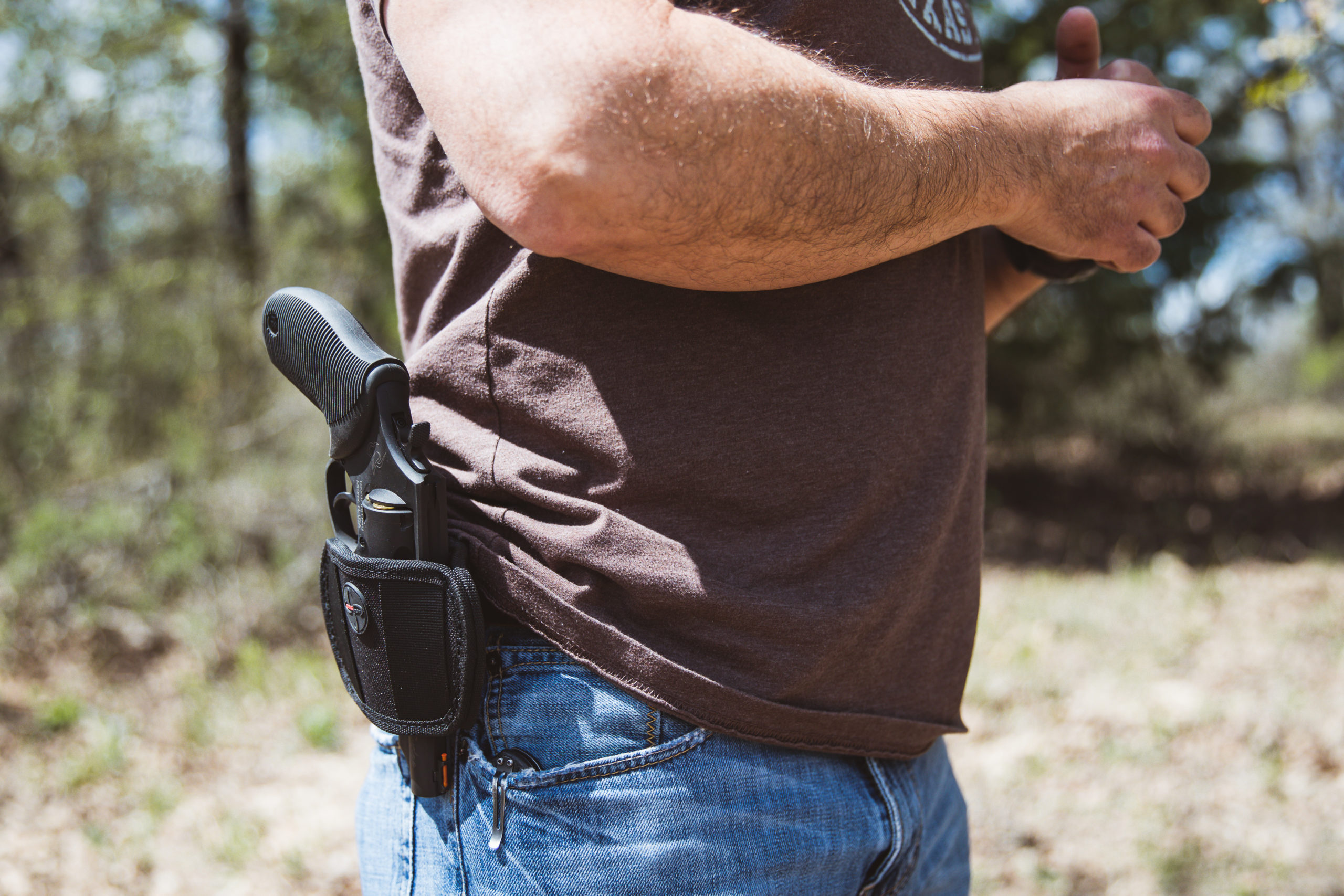
To be eligible for a Florida CCW license, applicants must meet several criteria:
- Age: Be at least 21 years of age.
- Residency: Be a bona fide resident of Florida or a non-resident member of the U.S. Armed Forces stationed in Florida.
- Criminal Background: Not have been convicted of a felony or a disqualifying misdemeanor offense.
- Mental Health: Not suffer from a mental defect or disease that renders the applicant incapable of safely handling a firearm.
- Training: Complete a firearms safety or training course.
The Application Process for a CCW License
The process of applying for a CCW license involves several steps:
- Firearms Training: Applicants must successfully complete a state-approved firearms training course. This course typically covers firearm safety, marksmanship, and the laws pertaining to the use of deadly force.
- Application Submission: The application is submitted to the Florida Department of Agriculture and Consumer Services. This includes completing the application form, providing fingerprints, and paying the required fees.
- Background Check: A thorough background check is conducted by the Florida Department of Law Enforcement (FDLE).
- Issuance: If all requirements are met and the background check is clear, the CCW license will be issued. The typical processing time can vary.
Open Carry on Private Property and Within Businesses
The legality of open carry on private property and within businesses in Florida is a nuanced area that often depends on the property owner’s rights and specific business policies.
Private Property Rights
Generally, property owners have the right to set rules for their own property. This means that a private homeowner can prohibit firearms on their premises, regardless of whether they are carried openly or concealed. Similarly, businesses can post signs indicating that firearms are not permitted. It is essential for individuals to be aware of and respect these posted notices. Florida law does have specific provisions regarding “no firearm” signs, which must be conspicuously posted to be legally enforceable.
Businesses and Open Carry
For businesses that serve alcohol, such as bars or restaurants where alcohol is consumed on the premises, specific prohibitions against carrying firearms, both openly and concealed, typically apply unless the individual holds a CCW license. Even with a CCW license, some establishments may still prohibit firearms. It is always advisable to observe any posted signage and to exercise discretion. The legal landscape can be complex, and adhering to the property owner’s or business’s rules is paramount to avoid legal issues.
Traveling to Florida with Firearms and Open Carry Considerations
For those planning a trip to Florida, understanding the state’s firearm laws, including open carry regulations, is essential. Travelers must be aware of how their home state’s laws may differ from Florida’s and how to legally transport and possess firearms if they choose to bring them.
Federal and State Transportation Laws
When transporting firearms across state lines, federal laws regarding interstate transportation must be considered. The Firearm Owners Protection Act (FOPA) provides some protections for the transport of firearms, but it’s crucial to understand its provisions. Generally, a firearm must be unloaded, inaccessible from the passenger compartment, and stored in a locked container if the traveler is not licensed to carry.
Reciprocity with Other States
Florida has reciprocity agreements with many other states, meaning a valid concealed carry license from a reciprocal state is generally recognized in Florida. However, this does not automatically grant the right to open carry without a Florida CCW license. Open carry itself is a separate consideration from concealed carry reciprocity. Travelers should verify the specific terms of reciprocity with their home state and Florida to ensure compliance.

Awareness and Responsibility
Ultimately, whether you are a resident or a visitor in Florida, responsible firearm ownership and adherence to the law are paramount. Ignorance of the law is not a valid defense. It is highly recommended to consult official Florida statutes or seek legal advice for any specific questions or concerns regarding firearm possession and open carry. Staying informed about the latest legal updates and exercising caution will ensure a safe and lawful experience in the Sunshine State.
LifeOutOfTheBox is a participant in the Amazon Services LLC Associates Program, an affiliate advertising program designed to provide a means for sites to earn advertising fees by advertising and linking to Amazon.com. Amazon, the Amazon logo, AmazonSupply, and the AmazonSupply logo are trademarks of Amazon.com, Inc. or its affiliates. As an Amazon Associate we earn affiliate commissions from qualifying purchases.