
Oregon, a jewel in the Pacific Northwest of the United States, often evokes images of lush forests, a dramatic coastline, craft breweries, and a distinctly progressive ethos. The question, “Is Oregon a Blue State?” transcends mere political affiliation for many travelers and residents; it speaks to the very soul of the state’s culture, lifestyle, and the types of experiences it offers. While the political answer is predominantly yes, with a strong Democratic leaning in its major urban centers, this “blue” identity profoundly shapes its tourism landscape, its commitment to sustainability, its vibrant arts scene, and its renowned culinary innovations. For those planning a trip, understanding this foundational characteristic helps in appreciating the unique blend of natural beauty and progressive values that define the Beaver State.
From the bustling streets of Portland to the serene shores of the Oregon Coast and the vast wilderness of its eastern reaches, Oregon presents a compelling destination for diverse travelers. Whether you’re seeking outdoor adventure, sophisticated urban exploration, a deep dive into local culture, or simply a tranquil escape, the state’s “blue” tendencies often translate into policies and practices that enhance the visitor experience – think emphasis on local food, environmental protection, and a welcoming, inclusive atmosphere. This article delves into how Oregon’s progressive identity influences its appeal as a travel destination, highlighting key regions, accommodations, and unique experiences that make it a must-visit.

Understanding Oregon’s Progressive Pulse and its Impact on Lifestyle
The term “blue state” immediately signifies a leaning towards liberal policies and a progressive social outlook. In Oregon, this translates into a noticeable emphasis on environmental conservation, social equity, sustainable practices, and support for local businesses. These values are not just political talking points; they are deeply woven into the fabric of daily life and significantly impact the tourism sector. Travelers to Oregon will often find a strong commitment to farm-to-table dining, extensive recycling and composting initiatives, a prevalence of craft beverages made with local ingredients, and a general appreciation for the outdoors that permeates various aspects of life.

The state’s progressive stance is evident in its forward-thinking legislation on issues ranging from environmental protection to social welfare, which in turn fosters a particular kind of community and infrastructure. For instance, Oregon’s pioneering efforts in land-use planning have preserved much of its natural beauty, ensuring that forests, farmlands, and coastlines remain accessible and untainted for generations. This dedication to conservation directly benefits eco-tourists and outdoor enthusiasts who flock to the state’s national parks, state parks, and wilderness areas. The robust public transportation systems in cities like Portland, and the widespread availability of bike-friendly infrastructure, also reflect these progressive values, offering sustainable ways for visitors to explore.
The Urban-Rural Divide: Portland’s Progressive Heart vs. Eastern Oregon’s Conservatism
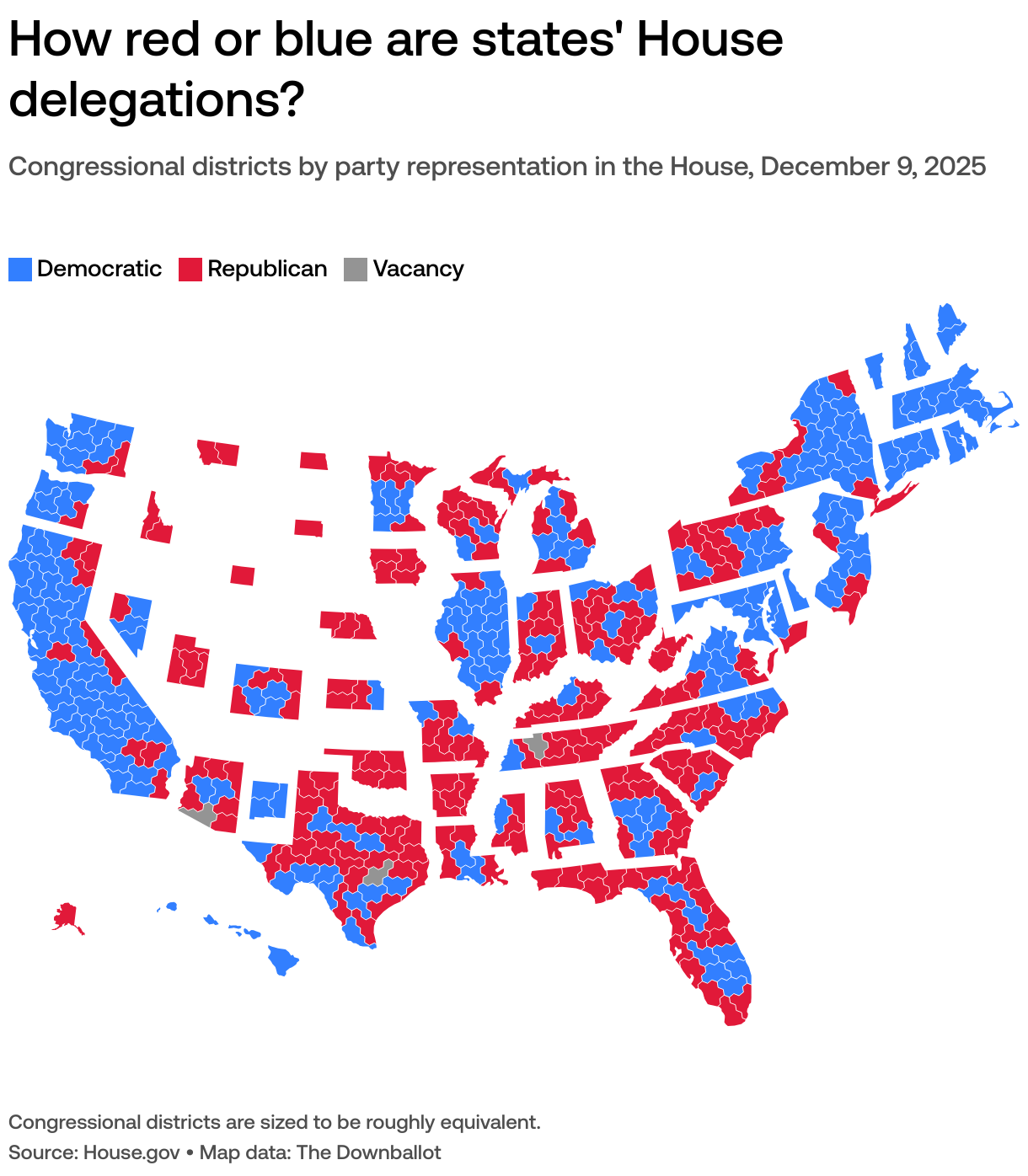
While Oregon is broadly categorized as a blue state, it’s crucial to acknowledge the nuanced political geography within its borders. The strong progressive leanings are most pronounced in the metropolitan areas, particularly Portland and the Willamette Valley where cities like Eugene and Salem also exhibit a liberal bent. Portland, often seen as the epicenter of Oregon’s counter-culture and progressive spirit, is a hub for environmental activism, veganism, sustainable fashion, and a thriving arts scene. Its distinct neighborhoods, like the Pearl District and Alberta Arts District, buzz with independent boutiques, craft breweries, and diverse culinary experiences that cater to a clientele appreciative of ethical sourcing and unique craftsmanship.
In stark contrast, large swathes of Eastern Oregon tend to be more conservative, reflecting the values of its ranching and agricultural communities. This rural-urban dynamic, however, adds a fascinating layer to Oregon’s identity, offering travelers a spectrum of experiences within one state. While Eastern Oregon might not share the same political leanings, it offers unparalleled natural beauty and a rugged, authentic American West experience that complements the progressive vibe of the west. Destinations like the Wallowa Mountains, Hells Canyon, Steens Mountain, and the Alvord Desert provide opportunities for solitude, adventure, and a glimpse into a different side of the state. Understanding this internal diversity enriches the travel experience, allowing visitors to tailor their itineraries to align with their preferred lifestyle and interests.
Exploring Oregon’s Diverse Destinations: From Coastal Charm to Mountain Majesty
Oregon’s geography is as varied as its political landscape, offering an incredible array of destinations that cater to every type of traveler. From the dramatic Pacific coastline to volcanic peaks, high deserts, and fertile valleys, the state is a microcosm of diverse natural wonders and vibrant communities.
Portland: A Hub of Innovation, Food, and Culture
Often dubbed “America’s Most European City” or “Little Berlin” for its progressive vibe and walkable neighborhoods, Portland is the quintessential example of Oregon’s blue identity. It’s a city renowned for its independent spirit, commitment to sustainability, and an unparalleled food scene. Visitors can explore world-class attractions like Pittock Mansion for panoramic city views, wander through the serene International Rose Test Garden and Japanese Garden, or delve into literary treasures at Powell’s City of Books, the world’s largest independent bookstore.
The culinary landscape in Portland is a testament to the city’s progressive values, emphasizing local, organic ingredients and innovative approaches. From gourmet Food Trucks on nearly every corner to upscale farm-to-table restaurants, there’s something for every palate. Don’t forget to sample the city’s legendary craft beer scene at numerous microbreweries or indulge in unique treats at places like Voodoo Doughnut. For arts and culture enthusiasts, the Portland Art Museum and Oregon Museum of Science and Industry (OMSI) offer enriching experiences, while districts like Old Town, Hawthorne District, and Mississippi Avenue provide endless opportunities for boutique shopping and people-watching.
The Oregon Coast: Rugged Beauty and Outdoor Adventures
Stretching for over 360 miles along the Pacific Ocean, the Oregon Coast is a landscape of breathtaking cliffs, expansive beaches, and charming seaside towns. The public access to the entire coastline, a result of forward-thinking state legislation, perfectly encapsulates Oregon’s commitment to shared natural resources. Iconic landmarks like Haystack Rock at Cannon Beach are must-sees, offering dramatic vistas and opportunities for tide pooling. Nearby Ecola State Park provides stunning viewpoints and hiking trails through old-growth forests down to secluded coves.
Further north, the historic town of Astoria, at the mouth of the Columbia River, combines maritime history with a burgeoning craft beer scene and vibrant arts community. South of Cannon Beach, a visit to the Tillamook Creamery is a delightful stop for cheese and ice cream lovers. The Oregon Coast offers endless activities, from surfing and kayaking to whale watching and storm watching in the winter months, all set against a backdrop of unspoiled natural grandeur.
Willamette Valley: Wine Country and Agricultural Riches
East of the Coast Range and stretching south from Portland lies the fertile Willamette Valley, Oregon’s premier Wine Country. This region is globally recognized for its exquisite Pinot Noir wines, benefiting from a unique climate similar to Burgundy, France. The valley is dotted with hundreds of wineries, many of which are family-owned and operated, embodying a deep commitment to sustainable viticulture. A wine-tasting tour through charming towns like Newberg and McMinnville offers not just exceptional wines but also picturesque landscapes, gourmet dining experiences, and boutique accommodations.
Beyond wine, the Willamette Valley is an agricultural powerhouse, famous for its berries, hazelnuts, and artisan produce. This abundance fuels the region’s vibrant farm-to-fork dining scene, where restaurants proudly showcase locally sourced ingredients. The valley also serves as a gateway to exploring the Oregon State Capitol in Salem and the university town of Eugene, known for its athletic heritage and access to outdoor recreation.
Central and Southern Oregon: High Desert, Volcanoes, and Arts
Venturing east of the Cascade Mountains, the landscape dramatically transforms into a high desert plateau. Bend is the vibrant heart of Central Oregon, a playground for outdoor adventurers. With easy access to skiing and snowboarding on Mount Bachelor, world-class rock climbing at Smith Rock State Park, and countless trails for hiking and mountain biking, Bend offers an invigorating experience. It’s also famous for its thriving craft beer scene, with Deschutes Brewery being a pioneering example.
Further south, the majestic Crater Lake National Park is one of Oregon’s most iconic natural wonders. Formed by the collapse of an ancient volcano, its impossibly blue, deep waters create a mesmerizing sight. The Southern Oregon region also hosts Ashland, home to the internationally acclaimed Oregon Shakespeare Festival, drawing theater enthusiasts from around the globe. The Rogue Valley also boasts a growing wine industry and opportunities for whitewater rafting on the Rogue River.
Accommodation and Travel Styles in the Beaver State
Oregon’s diverse landscapes and cities offer a wide range of accommodation options and cater to various travel lifestyles, from luxury seekers to budget adventurers and families. The state’s emphasis on localism and unique experiences is reflected in its lodging choices.
Luxury Stays and Unique Boutique Hotels
For those seeking luxury, Portland offers an array of high-end hotels that blend sophisticated design with local flair. The Nines, a Luxury Collection Hotel, located in the historic Meier & Frank Building, provides opulent accommodations and a rooftop bar with stunning city views. The Kimpton Hotel Monaco Portland and The Heathman Hotel are known for their elegant atmospheres and exceptional service. Other notable luxury choices include The Sentinel, Woodlark Hotel, and Hotel Vintage Portland, each offering distinctive styles and amenities.
Outside of Portland, the Willamette Valley is home to exquisite boutique hotels such as the Atticus Hotel in McMinnville, celebrated for its personalized service and charm, and The Allison Inn & Spa in Newberg, offering a luxurious wine country escape with a world-class spa and vineyard views. In Central Oregon, Sunriver Resort near Bend offers extensive amenities including golf courses, swimming pools, and equestrian facilities, while Brasada Ranch provides an upscale ranch experience with panoramic mountain views.
Budget-Friendly Options and Outdoor Lodging
Oregon’s blue identity often aligns with a culture of accessibility and inclusivity, translating into a wide range of budget-friendly and unique accommodation options. In Portland, hostels and trendy, affordable hotels like Ace Hotel Portland, Hotel Zags Portland, and The Society Hotel cater to travelers looking for style without the hefty price tag. The McMenamins chain, with locations like McMenamins Kennedy School and McMenamins Edgefield, transforms historic buildings into quirky hotels, pubs, and music venues, offering a uniquely Oregonian experience that is both affordable and memorable.
For outdoor enthusiasts, Oregon boasts an impressive network of state parks, national forests, and Bureau of Land Management lands offering campgrounds, yurts, and rustic cabins. From coastal campgrounds with ocean views to forest service cabins near Mount Hood or along the Deschutes River in Central Oregon, these options provide immersive experiences in nature at a fraction of the cost of traditional hotels. Many private campgrounds and RV parks also dot the state, offering various amenities to suit different preferences. For those embarking on long-distance hikes like the Pacific Crest Trail, rustic shelters and backcountry camping are also prevalent, embodying the state’s deep connection to its natural environment.
Whether you’re planning a luxurious romantic getaway, a family adventure, or a solo backpacking trip, Oregon’s hospitality sector is as diverse as its landscapes, consistently reflecting the state’s values of quality, sustainability, and unique local character.
The Cultural Landscape: Art, Craft, and the Oregonian Ethos
The “blue state” identity of Oregon extends beyond politics and into a rich cultural tapestry that emphasizes creativity, community, and conscious living. This ethos is palpable in its thriving arts scenes, particularly in cities like Portland and Ashland, and its deep-rooted craft industries. From artisan markets to independent galleries, Oregon nurtures a vibrant creative community. The state’s progressive leaning has fostered an environment where individuality and self-expression are celebrated, making it a compelling destination for those interested in authentic local culture.
The craft movement is incredibly strong here, manifesting in everything from microbreweries and distilleries to coffee roasters, small-batch chocolatiers, and handcrafted goods. Oregon is a pioneer in the craft beer industry, boasting more breweries per capita than any other state. This dedication to craft extends to its innovative cuisine, with a strong focus on seasonal, locally sourced ingredients and a high number of vegetarian, vegan, and gluten-free dining options, reflecting a health-conscious and ethically minded consumer base. The state’s food carts, particularly in Portland, are a culinary institution, offering an incredible diversity of global cuisines in an accessible, informal setting. This culture of conscious consumption and appreciation for artisanal quality defines much of the Oregon experience.
Conclusion: Oregon’s Blue Heart – A Tapestry of Progressive Values and Unforgettable Experiences
In conclusion, the answer to “Is Oregon a Blue State?” is unequivocally yes, and this political identity is deeply intertwined with its appeal as a premier travel destination. Oregon’s progressive values have cultivated a unique environment where environmental stewardship, social responsibility, and a vibrant, independent spirit flourish. This “blue heart” manifests in its meticulously preserved natural landscapes, its innovative culinary and craft beverage scenes, its welcoming urban centers, and its diverse range of accommodation options.
From the quirky, eco-conscious vibe of Portland to the pristine wilderness of Crater Lake National Park, the majestic beauty of the Columbia River Gorge and Multnomah Falls, the world-class wineries of the Willamette Valley, and the rugged adventure of Central Oregon, the state offers a compelling journey for every traveler. Its commitment to sustainable tourism, local culture, and a high quality of life makes it an ideal choice for those seeking experiences that are not only memorable but also align with a thoughtful and responsible approach to travel. Whether you’re drawn by its natural wonders, its gastronomic delights, or its unique lifestyle, Oregon promises an enriching and inspiring adventure that is distinctly Oregonian – and proudly blue.
LifeOutOfTheBox is a participant in the Amazon Services LLC Associates Program, an affiliate advertising program designed to provide a means for sites to earn advertising fees by advertising and linking to Amazon.com. Amazon, the Amazon logo, AmazonSupply, and the AmazonSupply logo are trademarks of Amazon.com, Inc. or its affiliates. As an Amazon Associate we earn affiliate commissions from qualifying purchases.