
Oregon, a state renowned for its stunning natural beauty, progressive policies, and vibrant cultural scene, often finds itself at the center of discussions about political leanings. The question of whether Oregon is a liberal state is complex, with nuances that extend beyond simple party affiliations. It encompasses its social attitudes, environmental consciousness, and approach to governance, all of which contribute to its distinctive identity within the United States.
Understanding the Political Landscape
To assess Oregon’s political character, one must look at its voting patterns, legislative history, and the demographic makeup of its population. While certain urban centers lean strongly left, the state as a whole presents a more varied picture.
Voting Patterns and Demographics
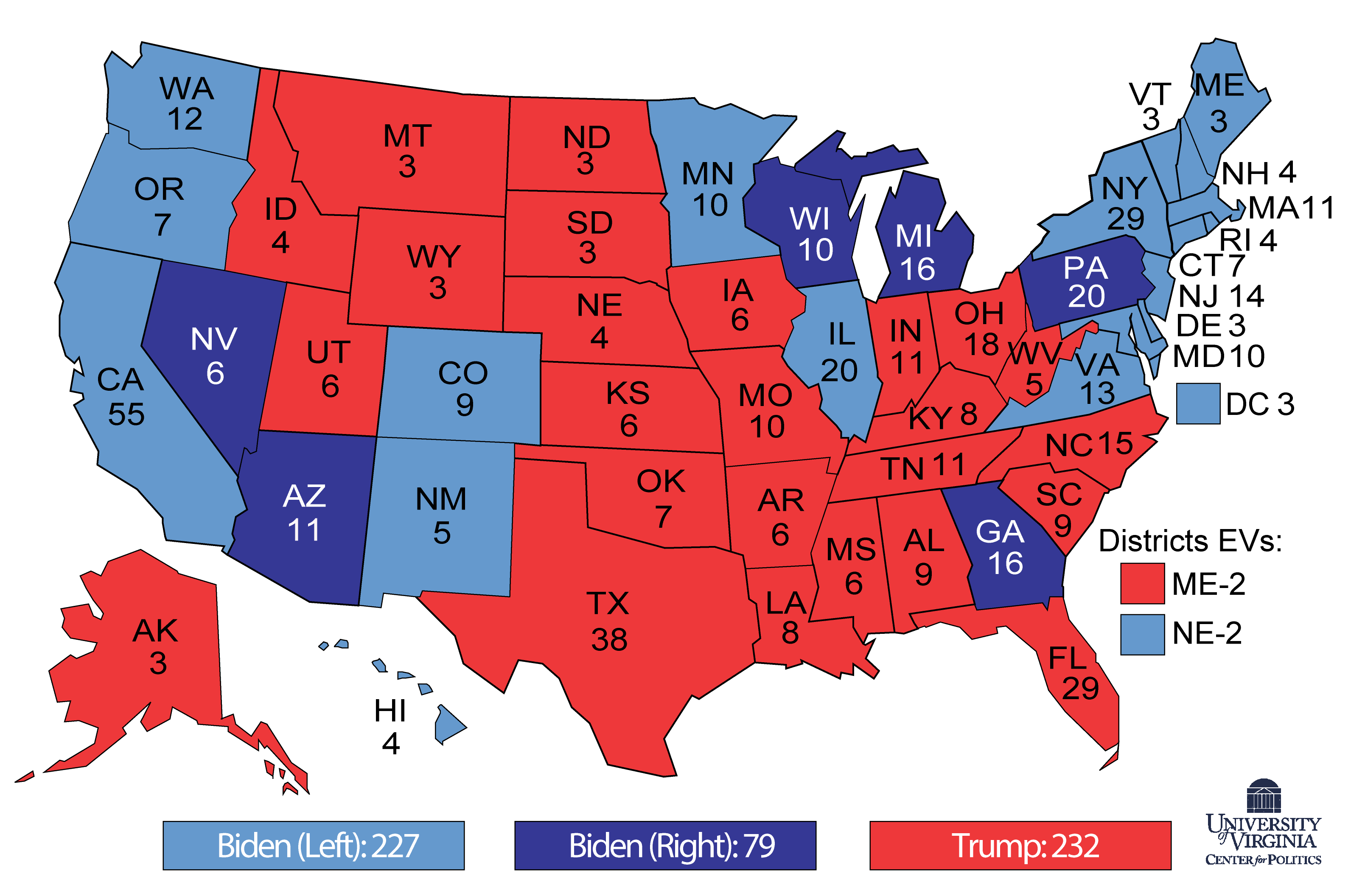
Oregon has a consistent record of voting for Democratic presidential candidates in recent decades. The state’s most populous areas, particularly the Willamette Valley, which includes Portland, Salem, and Eugene, are reliably blue. These urban cores are characterized by diverse populations, a high concentration of educated professionals, and a strong presence of universities and technology industries, all factors that tend to correlate with liberal voting tendencies.
However, the more rural and eastern parts of the state often lean Republican. These regions are more reliant on traditional industries like agriculture, timber, and ranching, and their populations tend to be more conservative in their social and economic outlook. This urban-rural divide is a significant factor in understanding Oregon’s overall political mosaic.
Legislative Trends and Policy Initiatives
Oregon has a history of enacting progressive legislation. The state was an early adopter of initiatives such as ranked-choice voting, a bottle deposit law, and same-day voter registration. Its legislature has also been at the forefront of environmental protection, including ambitious goals for renewable energy and emissions reduction. Socially liberal policies are also prevalent, with strong protections for LGBTQ+ rights and a history of pro-choice stances.
The presence of robust social movements and advocacy groups further solidifies Oregon’s progressive reputation. Environmental organizations, labor unions, and civil liberties advocates are active and influential, contributing to a political climate that is often receptive to forward-thinking policies.
The Influence of Urban Centers
The liberal identity of Oregon is, to a significant degree, shaped by its major urban areas, each with its own unique character and political fervor.
Portland: The Progressive Epicenter
Portland is undoubtedly the heart of Oregon’s liberal identity. Often described as “Keep Portland Weird,” the city is known for its embrace of individuality, quirky culture, and a strong commitment to social justice and environmentalism. Its residents are often at the vanguard of movements pushing for social change, sustainable living, and alternative lifestyles.
The city’s political landscape is dominated by Democratic politicians, and its city council and local government have consistently championed progressive policies. From extensive public transportation networks and bike lanes to policies supporting affordable housing and local food movements, Portland’s urban planning and social initiatives reflect a deep-seated liberal ethos. The city’s vibrant arts scene, numerous independent businesses, and emphasis on community engagement further contribute to its progressive image.
Eugene and Salem: Progressive Pockets
Eugene, home to the University of Oregon, shares many of Portland’s progressive characteristics. It boasts a strong environmental ethic, a thriving counterculture, and a politically engaged populace. The university itself serves as a hub for progressive thought and activism.

Salem, the state capital, presents a slightly more balanced political picture. While it has a substantial liberal presence, particularly due to its government employees and educational institutions, it also experiences a stronger conservative influence from the surrounding agricultural communities. However, as the seat of government, it is also a focal point for policy debates and legislative action, often reflecting the state’s broader progressive ambitions.
Beyond the Cities: Rural Oregon and Its Perspectives
While the urban centers define much of Oregon’s liberal image, the state’s vast rural areas offer a contrasting perspective, highlighting the diversity within the state’s political fabric.
Eastern Oregon: A Conservative Stronghold
The eastern two-thirds of Oregon are characterized by open spaces, ranching, agriculture, and a more traditionalist outlook. Counties in this region consistently vote Republican, and their residents often express concerns about government overreach, regulations impacting natural resource industries, and the cultural shifts occurring in the more populated western part of the state.
The economies in these areas are often tied to industries like cattle ranching, wheat farming, and lumber, which have historically faced environmental regulations and market fluctuations. This has fostered a sense of independence and a skepticism towards some of the environmental policies championed by urban Oregonians. Nonetheless, even in these more conservative areas, there’s often a deep appreciation for the natural environment, albeit with different approaches to conservation and resource management.
The Coast: A Blend of Lifestyles
Oregon’s stunning coastline offers a unique blend of political perspectives. Coastal towns and cities tend to be more liberal than inland rural areas, often influenced by tourism, a strong fishing heritage, and a population that values natural beauty and outdoor recreation. However, traditional industries like logging and fishing also have a strong presence, which can lead to a more varied political dialogue. The proximity to the ocean and a lifestyle closely tied to nature often instills a deep respect for environmental stewardship, though the methods and priorities may differ from those in the interior.
Key Indicators of Oregon’s Liberal Leanings
Several policy areas and social characteristics consistently point to Oregon’s progressive orientation, even when considering the state’s internal political diversity.
Environmental Stewardship
Oregon is a national leader in environmental policy. Its commitment to renewable energy, conservation, and protecting its natural landscapes, from the Oregon Coast Range to the Wallowa Mountains, is deeply ingrained in its identity. The state has set ambitious greenhouse gas reduction targets and has invested heavily in solar and wind energy. The pervasive “Leave No Trace” ethic among outdoor enthusiasts and the widespread support for state and national parks underscore a strong environmental consciousness.
Social Progressivism
Oregon has a robust history of championing civil rights and social justice. It was the first state to pass a law prohibiting discrimination based on sexual orientation and gender identity. The state has also been at the forefront of criminal justice reform, advocating for alternatives to incarceration and focusing on rehabilitation. Policies related to drug decriminalization, as seen in Multnomah County, reflect a willingness to experiment with innovative approaches to public health and safety.
Economic Policies
While Oregon’s economic policies are varied, there’s a discernible trend towards supporting small businesses, local economies, and worker protections. The state has a strong union presence and has enacted legislation aimed at increasing the minimum wage and ensuring paid sick leave. The emphasis on sustainable industries, from craft breweries and artisanal food producers to advanced manufacturing and tech, reflects a desire to foster economic growth that is also environmentally and socially responsible.

Conclusion: A Complex, Progressive Identity
In conclusion, while Oregon exhibits internal political diversity, particularly between its urban and rural areas, it undeniably leans liberal. Its consistent voting patterns in presidential and senatorial elections, coupled with its progressive legislative agenda in areas such as environmental protection, social justice, and economic policy, solidify this identity. The influence of its major cities, especially Portland, acts as a powerful engine for its progressive policies and cultural values. Oregon offers a compelling case study of how a state can navigate diverse viewpoints while maintaining a distinct and forward-looking political character, making it a fascinating destination for those interested in progressive governance and a unique, environmentally conscious lifestyle.
LifeOutOfTheBox is a participant in the Amazon Services LLC Associates Program, an affiliate advertising program designed to provide a means for sites to earn advertising fees by advertising and linking to Amazon.com. Amazon, the Amazon logo, AmazonSupply, and the AmazonSupply logo are trademarks of Amazon.com, Inc. or its affiliates. As an Amazon Associate we earn affiliate commissions from qualifying purchases.