
For individuals and businesses considering a move, expansion, or even an extended Business Stays in the United States, understanding the local labor laws is paramount. Among the most frequently asked questions pertaining to a state’s economic landscape is its “Right to Work” status. This designation can significantly impact the operational costs for companies, the financial obligations for employees, and the overall industrial relations climate. When focusing on the vibrant Pacific Northwest, particularly the state of Oregon, this question gains particular relevance. The answer, in short, is no: Oregon is not a Right to Work state. This foundational characteristic shapes much of the economic and social fabric, influencing the daily lifestyle for its workforce and the strategic considerations for employers.
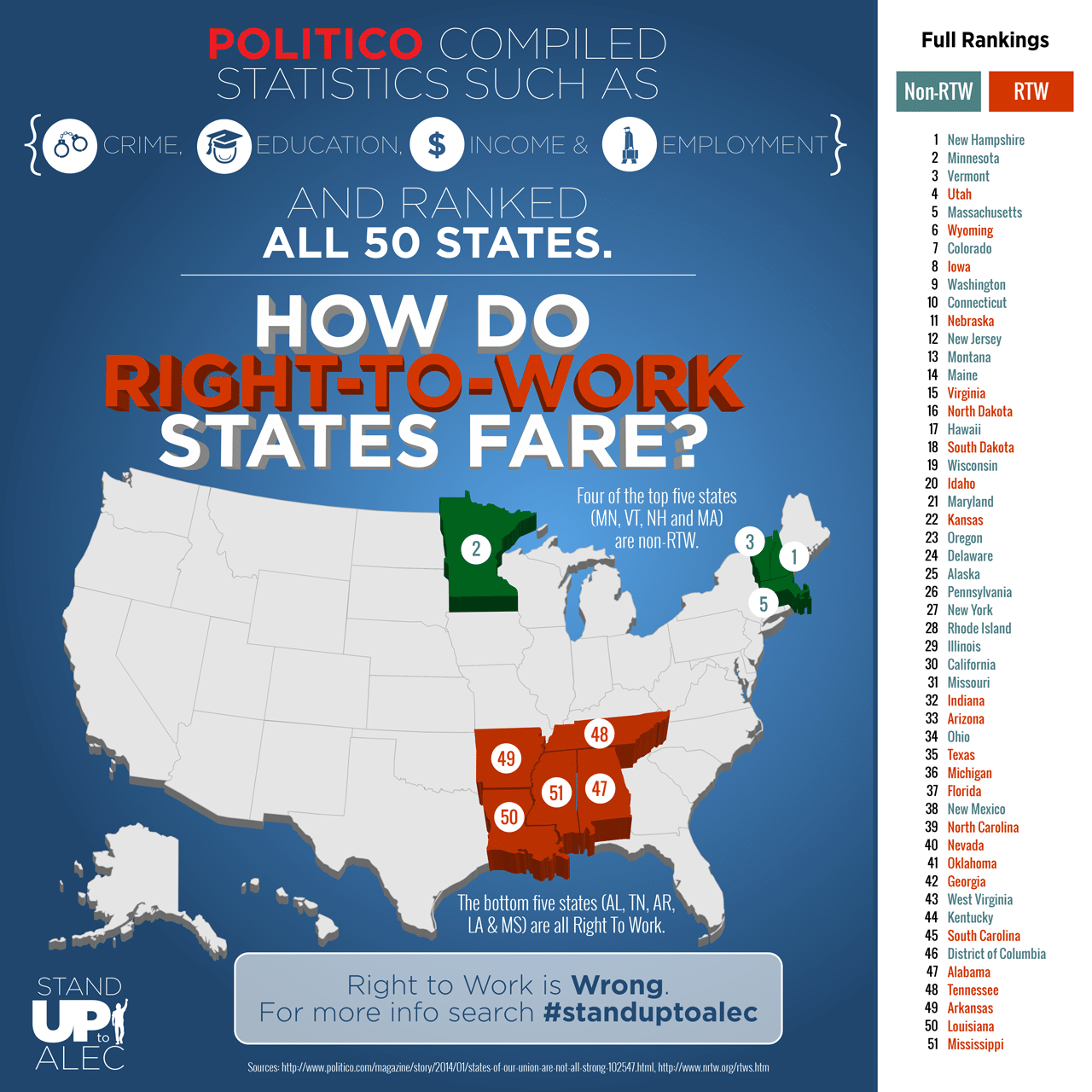
Understanding “Right to Work”: A Foundational Lifestyle Aspect
To truly grasp Oregon’s labor environment, it’s essential to first define what “Right to Work” status entails. The term refers to state laws that prohibit union security agreements between employers and labor unions. In a Right to Work state, employees in unionized workplaces cannot be compelled to join the union or pay union dues or agency fees as a condition of employment. They are still entitled to all the benefits of union representation, such as collective bargaining agreements regarding wages, benefits, and working conditions, even if they choose not to be a union member or financial contributor.
Conversely, in states that do not have Right to Work laws—like Oregon—union security clauses are permissible. This means that in workplaces where a union has successfully negotiated a union shop or agency shop agreement, employees may be required to join the union or at least pay a portion of union dues (agency fees) to cover the costs of collective bargaining as a condition of continued employment. This distinction is not merely a legal technicality; it’s a critical component of the lifestyle experienced by workers and the operational realities faced by businesses. For workers, it dictates freedom of association versus financial obligation. For businesses, it affects labor relations, wage structures, and overall competitiveness. The presence or absence of these laws directly influences the dynamics of the local job market, the power balance between labor and management, and ultimately, the daily professional lifestyle for countless individuals and the strategic outlook for companies. This aspect of labor policy is a significant factor in shaping the economic identity of a state and forms a crucial part of its lifestyle appeal.
Oregon’s Stance: A Non-Right-to-Work Lifestyle
Oregon has a long-standing history of strong labor movements and progressive policies, which is reflected in its non-Right to Work status. This policy landscape is a deliberate choice, rooted in the state’s commitment to supporting organized labor and collective bargaining. It signifies a lifestyle where union presence can be a significant factor in many industries, influencing compensation, benefits, and workplace standards.
Historical Context and Legislative Framework
The ability of states to implement Right to Work laws stems from the 1947 Taft-Hartley Act (officially the Labor Management Relations Act), which amended the earlier National Labor Relations Act. While federal law generally permits union security agreements, Taft-Hartley Act Section 14(b) grants states the authority to ban such agreements, thereby establishing Right to Work laws. Oregon, along with 23 other states and the District of Columbia, has chosen not to exercise this option, thus allowing union security clauses to be negotiated and enforced. This historical and legislative backdrop has fostered a particular kind of economic lifestyle in Oregon, one where labor unions play a more prominent role in advocating for workers’ rights and conditions compared to Right to Work states. This environment often translates into a specific set of expectations and opportunities for professionals, impacting everything from job security to wage negotiations, which are all integral parts of one’s professional lifestyle.
Comparison with Neighboring States
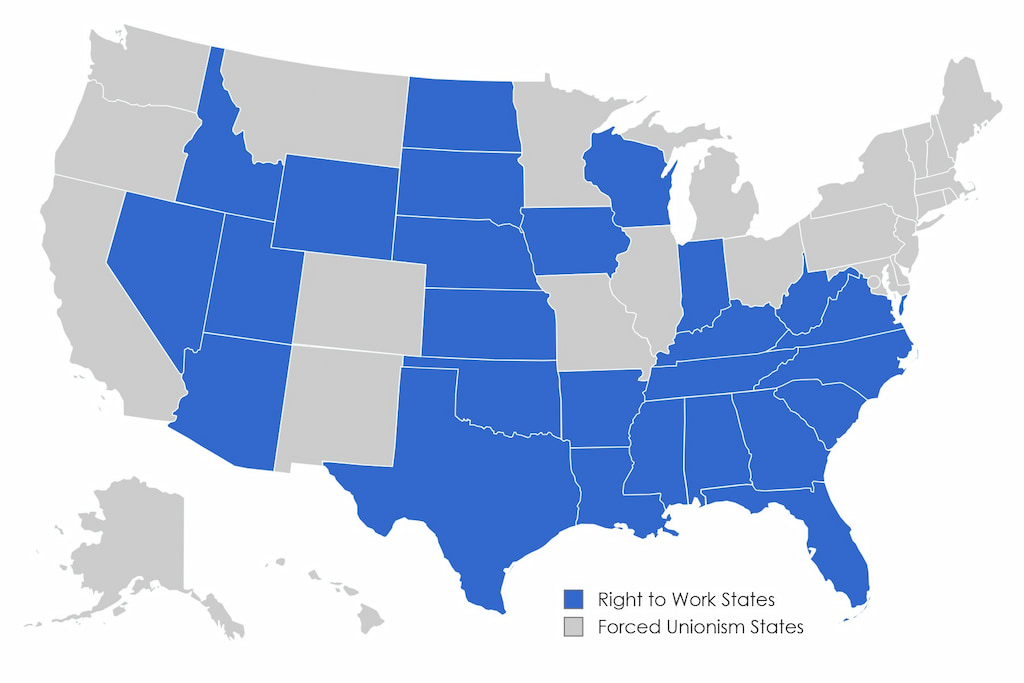
To further contextualize Oregon’s position, it’s useful to look at its neighbors. Washington, to the north, also operates as a non-Right to Work state, sharing a similar labor-friendly legislative ethos. This creates a regional consistency in labor relations across much of the Pacific Northwest. However, other western states, such as Nevada and Colorado, are Right to Work states, as is Idaho to Oregon’s east. This regional variation highlights the distinct lifestyle choices states make regarding their economic policies and how these choices shape their respective business and employment landscapes. For businesses considering expansion or individuals contemplating relocation, these differences are critical in evaluating the broader lifestyle and professional environment that each state offers.
Implications for Workers and Businesses in Oregon’s Lifestyle
Oregon’s non-Right to Work status has profound implications that shape the daily professional lifestyle for its residents and the strategic decisions for companies operating within its borders. These effects touch upon everything from individual compensation to the overall competitive landscape of the state.
For the Workforce: Union Power and Worker Protections
For employees in Oregon, the absence of Right to Work laws means that unions potentially have greater bargaining power. This increased power can lead to stronger collective bargaining agreements, often resulting in higher wages, more comprehensive benefits packages (including health insurance and retirement plans), and enhanced workplace safety standards. Union contracts can also provide greater job security and a formalized grievance process, offering workers a robust mechanism for addressing workplace disputes. While some workers may view the mandatory payment of union dues as a financial burden, others see it as a necessary investment to maintain these advantages and ensure a higher quality professional lifestyle. This environment fosters a culture where worker protections and organized labor advocacy are integral parts of the employment experience, often contributing to a more stable and equitable work-life balance for many Oregon residents.
For Businesses: Labor Costs and Operational Strategies
For businesses, operating in a non-Right to Work state like Oregon can present a different set of challenges and opportunities. On one hand, the potential for higher labor costs due to union-negotiated wages and benefits can impact a company’s bottom line and competitive pricing strategy. Businesses may also face more complex labor relations, requiring a sophisticated understanding of collective bargaining, union contracts, and dispute resolution processes. On the other hand, the presence of strong unions can also contribute to a stable and skilled workforce. Unions often invest in training and apprenticeship programs, leading to a highly qualified labor pool. Additionally, the structured nature of union agreements can provide predictability in labor costs and conditions, allowing businesses to plan more effectively. Companies considering Oregon for expansion or Business Stays must therefore factor these unique labor dynamics into their operational strategies, recognizing that the state’s non-Right to Work status is a defining characteristic of its business lifestyle.
Navigating Oregon’s Labor Landscape for Business Stays and Relocation
For those contemplating extended Business Stays, relocation for work, or establishing new ventures in Oregon, understanding the state’s non-Right to Work status is a critical component of due diligence. It informs not just legal compliance but also the broader strategic and cultural integration into the Oregon lifestyle.
Strategic Considerations for Employers
Employers looking to establish a presence in Oregon should be prepared for an environment where labor unions may have a more significant influence than in Right to Work states. This means developing robust labor relations strategies, potentially engaging with unions, and ensuring compliance with collective bargaining agreements. Companies might need to allocate resources for higher wages and benefits, which should be factored into their financial projections. However, this also presents an opportunity to foster a highly loyal and skilled workforce, given the protections and benefits often afforded by union representation. Building positive relationships with labor organizations can be a key to long-term success and seamless integration into the Oregon business lifestyle.
What it Means for Employees and Job Seekers
For job seekers and employees moving to Oregon, understanding this labor framework is equally important. In certain industries, particularly manufacturing, construction, and public services, encountering unionized workplaces is common. Employees in such environments might be required to join a union or pay agency fees. This commitment comes with the potential benefits of higher pay, better benefits, and stronger workplace protections, which are attractive elements of a desirable professional lifestyle. Job seekers should research specific industries and companies to understand their union status and the implications for their employment terms. For many, the enhanced sense of security and strong advocacy provided by unions is a compelling reason to embrace the Oregon lifestyle.
The Broader Economic and Lifestyle Impact
Oregon’s non-Right to Work status is not an isolated policy; it is interwoven with the state’s broader economic philosophy and contributes significantly to its unique lifestyle. This approach influences various facets of the state, from its industrial composition to its social equity goals.
Economic Development and Industry Composition
States with strong union presence often see different patterns of economic development. While some industries might find the higher labor costs challenging, others, particularly those valuing highly skilled labor and stable workforces, thrive. Oregon’s economy, for example, boasts strong sectors in advanced manufacturing, technology, and natural resources, where skilled labor and a consistent workforce are crucial. The state’s non-Right to Work status contributes to attracting and retaining a workforce that values collective representation, shaping the type of industries that flourish and the employment lifestyle prevalent in cities like Portland, Eugene, and Salem.

Social Equity and Quality of Life
Advocates of non-Right to Work laws often argue that they contribute to greater social equity by ensuring fair wages and benefits, thus reducing income inequality. This focus on worker protection aligns with Oregon’s generally progressive political landscape. From a lifestyle perspective, this can translate into a more robust middle class, better access to healthcare and retirement security for a larger segment of the population, and a generally higher quality of life. While economic impacts are complex and multi-faceted, the state’s labor policies are undoubtedly a factor in creating the distinctive social and economic lifestyle that defines Oregon. For those considering making Oregon their home, or even for extended Business Stays, understanding these underlying principles helps to paint a clearer picture of the environment they will encounter.
In conclusion, Oregon is not a Right to Work state. This fundamental aspect of its labor law framework plays a significant role in shaping the state’s economic identity, the professional landscape for its workforce, and the operational environment for businesses. For anyone planning a significant engagement with Oregon—whether for employment, business investment, or an extended stay—acknowledging and understanding these labor dynamics is key to thriving within the unique and robust lifestyle that the state offers.
LifeOutOfTheBox is a participant in the Amazon Services LLC Associates Program, an affiliate advertising program designed to provide a means for sites to earn advertising fees by advertising and linking to Amazon.com. Amazon, the Amazon logo, AmazonSupply, and the AmazonSupply logo are trademarks of Amazon.com, Inc. or its affiliates. As an Amazon Associate we earn affiliate commissions from qualifying purchases.