
For individuals considering a move to a new state, planning an extended visit, or simply seeking to understand the nuances of personal safety laws, discerning the legal landscape around self-defense is a critical component of informed lifestyle choices. The concept of “Stand Your Ground” has become widely discussed across the United States, often sparking debates about personal liberties, public safety, and the appropriate use of force. When looking at a state like Oregon, known for its progressive policies and unique blend of urban sophistication and natural wilderness, the question “Is Oregon a Stand Your Ground state?” becomes particularly relevant for those who prioritize understanding their rights and responsibilities. This article delves into Oregon’s self-defense laws, comparing them to the “Stand Your Ground” doctrine, and explores what this means for residents and visitors navigating life in the Pacific Northwest.
Understanding “Stand Your Ground” in the Context of Personal Safety
Before dissecting Oregon’s specific statutes, it’s essential to grasp the fundamental concepts surrounding self-defense laws, particularly “Stand Your Ground” and its counterpart, the “duty to retreat.” These legal frameworks significantly influence how individuals are expected to respond when faced with a perceived threat, directly impacting personal safety strategies and overall lifestyle considerations.
What “Stand Your Ground” Truly Means
The “Stand Your Ground” doctrine is a legal principle that permits individuals to use deadly force in self-defense when faced with a reasonable threat of death or serious bodily harm, even if they could have safely retreated from the confrontation. Crucially, it removes the legal requirement for a person to attempt to disengage or flee before using force. This means that if you are lawfully present in a place and believe yourself to be in imminent danger, you are not obliged to retreat; you have the right to “stand your ground” and defend yourself with appropriate force, up to and including deadly force. States like Florida are widely recognized for having robust “Stand Your Ground” laws, which have been a model for many other states that have adopted similar legislation. Proponents argue that this empowers law-abiding citizens to protect themselves without fear of legal repercussions for failing to retreat, while critics often raise concerns about potential escalation of violence and the implications for public safety.
The “Duty to Retreat” Principle
In contrast to “Stand Your Ground,” the traditional common law “duty to retreat” mandates that a person must attempt to remove themselves from a dangerous situation if they can do so safely, before resorting to deadly force in self-defense. This principle dictates that force, particularly deadly force, should only be used as a last resort when all avenues of safe escape have been exhausted. This legal standard places a higher burden on the individual to prioritize de-escalation and withdrawal, even when faced with a credible threat. While the duty to retreat is often seen as a measure to prevent unnecessary violence, it also places individuals in a difficult position of having to assess their ability to retreat under immense pressure, potentially endangering themselves further. Understanding which principle governs a state’s self-defense laws is paramount for anyone considering residency or long-term travel, as it shapes the expectations for how one might legally respond to a threat.
How Self-Defense Laws Impact Lifestyle Choices
The presence or absence of a “Stand Your Ground” law can profoundly influence an individual’s sense of security and their approach to personal safety. For some, living in a “Stand Your Ground” state offers peace of mind, knowing they are legally empowered to defend themselves without hesitation if threatened. This might inform decisions about where they choose to live, work, or even socialize. Conversely, others might find such laws concerning, preferring the perceived safety of states that emphasize a duty to retreat, believing it fosters a less confrontational environment. The legal framework around self-defense is not just about abstract statutes; it’s about how these laws filter down into daily life, influencing how people navigate public spaces, interact with strangers, and ultimately, how they feel about their personal well-being within their community. For example, a family considering moving to Portland or Salem in Oregon might research these laws as part of their broader evaluation of the state’s suitability for their lifestyle.
Oregon’s Approach to Self-Defense: A Closer Look
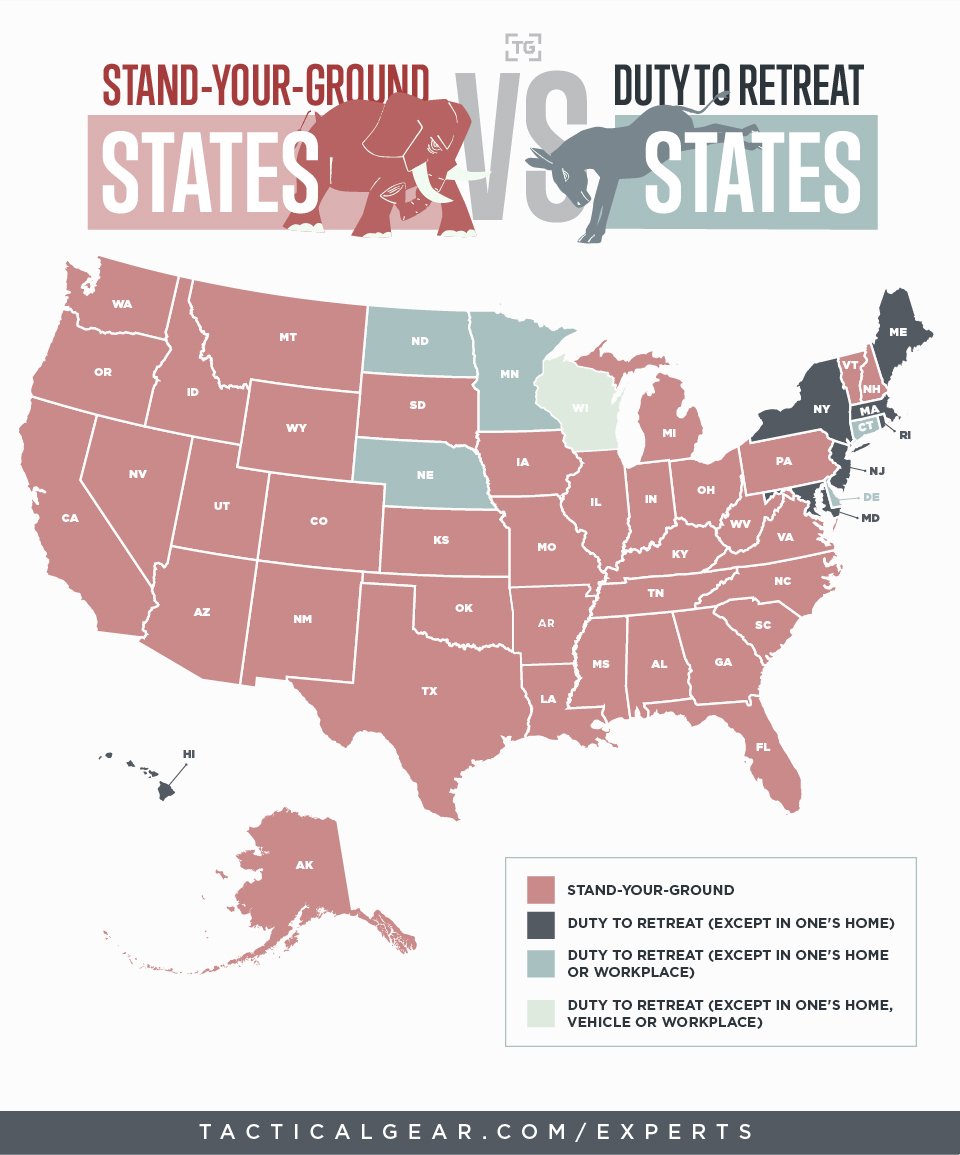
Having established the general landscape of self-defense doctrines, we can now specifically address Oregon’s position. The short answer is that Oregon is generally not considered a “Stand Your Ground” state in the same vein as Florida or similar jurisdictions. However, Oregon does possess robust self-defense statutes that incorporate aspects of personal protection, particularly concerning one’s home.
Oregon’s Law on Deadly Force
Under Oregon Revised Statute (ORS) 161.219, the use of physical force, including deadly physical force, is permissible when an individual reasonably believes it is necessary to defend themselves or a third person from what they reasonably believe to be the use or imminent use of unlawful physical force. The critical distinction here lies in the “reasonable belief” standard. For the use of deadly force, the law specifies it is justified only when the person reasonably believes that the other person is committing or attempting to commit a felony involving the use or threatened imminent use of physical force, or that the other person is committing or attempting to commit a burglary or arson, or is using or threatening to use a deadly weapon.
Crucially, Oregon law does not explicitly remove a “duty to retreat” in all public spaces, which is the hallmark of a pure “Stand Your Ground” law. While the statute doesn’t explicitly state a “duty to retreat,” case law and legal interpretation often imply that if a safe avenue of retreat is available, using deadly force might be seen as less “necessary” or “reasonable.” This interpretation creates a legal gray area where the context of the situation, including the possibility of retreat, can be a factor in determining the legality of self-defense actions, especially outside of one’s dwelling.
The Concept of “Castle Doctrine” in Oregon
While Oregon may not be a full “Stand Your Ground” state, it does strongly uphold the Castle Doctrine, which is a significant component of its self-defense laws. The Castle Doctrine provides individuals with the right to use reasonable force, including deadly force, to protect themselves and others within their home or dwelling without a duty to retreat. In Oregon, if someone unlawfully enters your home, or attempts to do so, you are generally not required to retreat before defending yourself. The law presumes that a person unlawfully entering your dwelling intends to inflict serious harm, thereby justifying the use of deadly force in certain circumstances. This means your home is indeed your “castle,” where your right to stand your ground is explicitly protected. This distinction is vital: while you may have a responsibility to consider retreat in public, that responsibility significantly diminishes or disappears entirely when defending your personal residence.

Distinguishing Oregon’s Laws from “Stand Your Ground” States
The key difference lies in the scope of protection. A pure “Stand Your Ground” law extends the right to use deadly force without retreat to any place where one is lawfully present – public streets, parks, workplaces, etc. Oregon’s laws, while allowing for self-defense, do not universally grant this expansive right. Outside the confines of your home (or, in some interpretations, your curtilage, which includes immediate surroundings like a porch), the necessity and reasonableness of using deadly force might be more closely scrutinized, potentially taking into account whether a safe retreat was possible. Therefore, while Oregon offers robust self-defense protections, especially within one’s home under the Castle Doctrine, it stops short of the broad application characteristic of “Stand Your Ground” jurisdictions. This nuanced approach reflects a balance between individual rights to self-preservation and a broader consideration of public safety and conflict de-escalation.
Implications for Residents and Visitors in Oregon
Understanding these legal distinctions is not merely an academic exercise; it has practical implications for anyone living in or visiting Oregon. For those who prioritize personal safety as a core lifestyle concern, knowing the boundaries of self-defense laws is paramount for making responsible and informed decisions.
Navigating Personal Safety in Public Spaces
For residents and visitors alike, operating under the assumption that there might be an implicit or explicit expectation to retreat in public spaces is a prudent approach. While you have the right to defend yourself from unlawful force, the threshold for justifying deadly force in a public altercation could be higher if a safe exit was an option. This perspective encourages vigilance and situational awareness, promoting de-escalation and avoidance of confrontation whenever possible. It influences how individuals might choose to carry themselves, how they react to perceived threats, and reinforces the importance of using force only as a last resort. This contributes to a lifestyle where caution and a proactive approach to personal safety are emphasized, rather than reliance on a broad legal right to stand and fight.
Legal Ramifications and Responsibilities
Misinterpreting self-defense laws can lead to severe legal consequences. If an individual uses force, particularly deadly force, and it is later determined that they could have safely retreated, they could face criminal charges ranging from assault to manslaughter or murder, depending on the circumstances. Oregon’s legal system places the burden on the defendant to demonstrate that their actions were reasonable and necessary under the law. This necessitates a clear understanding of the statutes and their practical application. For anyone considering carrying a weapon for self-defense, this legal environment demands not only adherence to strict licensing and carrying laws but also a deep comprehension of when and where force is legally justifiable. A lifestyle in Oregon thus involves a responsibility to understand and abide by these specific legal nuances.
Education and Awareness for Responsible Living
Given the complexities, continuous education and awareness are crucial. For new residents, engaging with local legal resources, self-defense training providers, and community organizations can provide valuable insights into Oregon’s specific interpretations and precedents. Understanding the differences between defense within one’s home and in public, and the varying levels of force that are permissible, empowers individuals to act responsibly and lawfully. This proactive approach to understanding one’s rights and responsibilities contributes to a lifestyle of informed decision-making and fosters a greater sense of security through knowledge, rather than relying solely on assumptions about universal self-defense rights.
The Broader Lifestyle Perspective: Safety, Rights, and Community
The discussion around “Stand Your Ground” laws in Oregon ultimately feeds into a larger conversation about the desired lifestyle within a community and a state. It reflects the values a society places on individual liberty, collective safety, and the role of the law in mediating conflicts.
How Legal Frameworks Shape a State’s Character
A state’s approach to self-defense laws contributes significantly to its overall character and the social contract between its citizens. Oregon’s nuanced stance—upholding the Castle Doctrine while generally not embracing a broad “Stand Your Ground” ethos—reflects a balancing act. It champions the sanctity of the home and the right to defend it vigorously, while perhaps encouraging de-escalation and retreat in public confrontations when safe to do so. This approach shapes the perceived safety and the legal environment for residents, influencing everything from urban planning considerations in cities like Portland and Salem to personal choices about how one interacts with their surroundings. It suggests a community where, while personal defense is valued, there is also an underlying emphasis on preventing escalation and preserving life through other means where possible.
Making Informed Decisions About Where to Live or Visit
For many, the legal climate of a state is a significant factor in deciding where to establish roots or even where to spend leisure time. Individuals with strong opinions on self-defense rights might actively seek out “Stand Your Ground” states, while others might prefer states with a more traditional “duty to retreat” or a balanced approach like Oregon. Understanding these laws is part of conducting due diligence when exploring relocation, ensuring that the legal environment aligns with one’s personal values and comfort levels regarding safety and individual rights. This informed decision-making process is a cornerstone of a well-considered lifestyle choice, ensuring that one’s chosen environment supports their personal philosophy on defense and community safety.
Balancing Rights with Public Safety Concerns
The debate over “Stand Your Ground” is often a microcosm of the larger societal challenge of balancing individual rights with broader public safety concerns. Oregon’s current legal framework attempts to navigate this complex terrain by offering robust protection for one’s dwelling while maintaining a more cautious stance on confrontations in public. This balance is a defining feature of the lifestyle in Oregon, suggesting a societal preference for a measured approach to force that prioritizes self-defense without universally removing the incentive for de-escalation. Ultimately, for those living in or visiting Oregon, a comprehensive understanding of these laws is not just about legal compliance, but about living responsibly, making informed choices, and contributing to a community that values both individual safety and collective well-being.
LifeOutOfTheBox is a participant in the Amazon Services LLC Associates Program, an affiliate advertising program designed to provide a means for sites to earn advertising fees by advertising and linking to Amazon.com. Amazon, the Amazon logo, AmazonSupply, and the AmazonSupply logo are trademarks of Amazon.com, Inc. or its affiliates. As an Amazon Associate we earn affiliate commissions from qualifying purchases.