
Understanding the legal landscape of any destination is crucial for a well-informed and enjoyable trip. When venturing into the realm of travel, particularly in a place as diverse and captivating as Oregon, knowing the regulations surrounding communication is a paramount concern for many visitors, especially those engaged in activities that might involve recording or digital interactions. The question of whether Oregon operates under a two-party consent law for recording conversations is not merely a legal technicality; it touches upon privacy expectations, ethical considerations, and the potential ramifications for travelers. This article delves into the specifics of Oregon’s stance on consent for recording, providing clarity for those planning their adventures in the Beaver State.
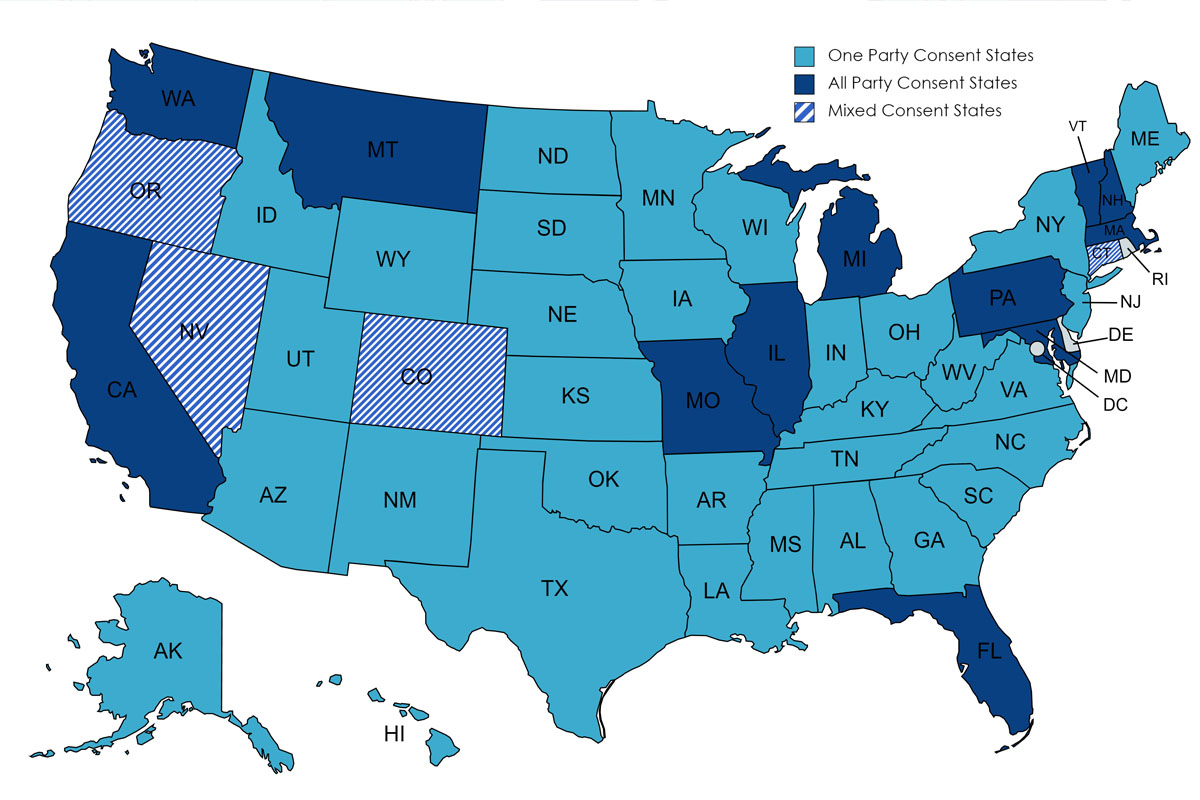
Understanding Consent Laws in Communication
The legality of recording conversations often hinges on the concept of consent. Broadly speaking, jurisdictions fall into two main categories: one-party consent and two-party (or all-party) consent.
One-Party Consent States
In a one-party consent state, it is legal to record a conversation as long as at least one party to the conversation is aware of and consents to the recording. This means that if you are a participant in a conversation, you can legally record it without informing the other participants. This approach prioritizes the ability of individuals to document their interactions, often for personal record-keeping or to ensure accountability.
Two-Party (All-Party) Consent States
Conversely, two-party or all-party consent states require that all parties involved in a conversation must consent to its recording. If even one party is unaware and has not given their permission, the recording is considered illegal. This framework emphasizes the expectation of privacy for all individuals involved in a dialogue, placing a higher bar on the conditions under which conversations can be legally documented.
Oregon’s Legal Stance on Recording Conversations
To address the core question, Oregon falls under the two-party consent category for recording conversations. This is a significant detail for anyone planning to visit or conduct business within the state, particularly if their travel plans involve activities that might necessitate recording, such as interviews, documenting experiences, or even casual conversations with locals.
Oregon Revised Statutes (ORS) 165.540 explicitly outlines the state’s stance. The law prohibits the interception or recording of private communications without the consent of all parties involved. The intent behind this legislation is to protect the privacy of individuals and to prevent the surreptitious recording of conversations that people reasonably expect to be private.
What Constitutes a “Private Communication”?
The term “private communication” is key in understanding the scope of Oregon’s two-party consent law. Generally, a communication is considered private if one or more of the parties has an objectively reasonable expectation that the conversation is not being overheard or recorded. This typically includes:
- Face-to-face conversations: When individuals are speaking directly to each other in a setting where they expect privacy, such as a hotel room, a private dining area in a restaurant, or a secluded spot in a park like Silver Falls State Park.
- Telephone conversations: Conversations conducted over the phone, where parties have no visual connection and rely on the perceived exclusivity of the line.
- Other electronic communications: Messages or conversations conducted via encrypted apps or private channels where privacy is a reasonable expectation.
Conversely, conversations held in public spaces where others can easily overhear them, or where there is a clear indication that recording might be occurring (such as signage in a public venue), may not be considered private communications and thus might not fall under the strict two-party consent requirement. However, it is always safest to err on the side of caution.
Implications for Travelers in Oregon
For tourists and visitors to Oregon, understanding this law has several practical implications:
Recording Personal Experiences
If you are documenting your travels, such as filming a vlog or taking audio notes about your experiences at attractions like the Oregon Coast or during a wine tasting tour in the Willamette Valley, you must be mindful of capturing conversations.
- Filming with others: If your video or audio recording includes conversations with people you meet – guides, hotel staff at places like the The Nines, a Luxury Collection Hotel, Portland, or fellow travelers – you must obtain their explicit consent before recording. This applies even if they are speaking to you directly and are part of the conversation you are intending to record.
- Accidental recording: Be aware of your surroundings and the potential for your recording device to capture nearby conversations. While the law primarily targets intentional recording, unintentional capture of private conversations can still lead to legal complications if the recordings are disseminated or used in a way that infringes on privacy.
Business and Professional Activities
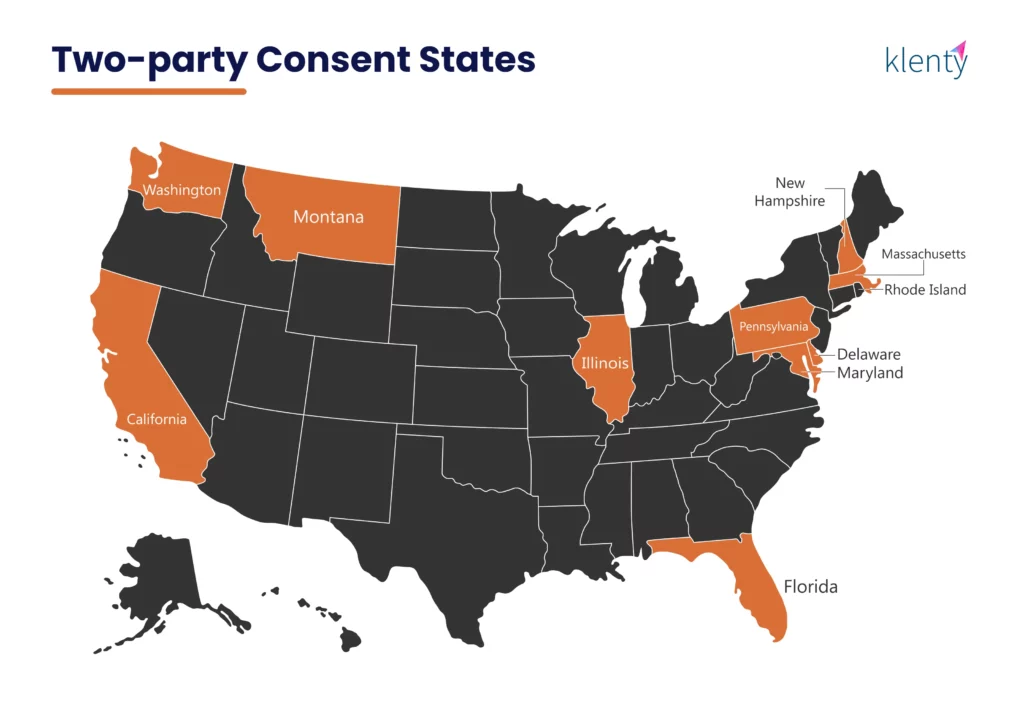
For those visiting Oregon for business purposes, such as attending conferences in Portland or conducting site visits, the two-party consent rule is equally important.
- Interviews and meetings: If you are conducting interviews, holding business meetings, or engaging in any form of discussion that you plan to record, securing consent from all participants is mandatory. This includes recording phone calls with Oregon-based clients or partners.
- Documentation: Even if the purpose is solely for internal documentation, the legal requirements remain. Ensure all parties are aware and have agreed to the recording.
Staying in Oregon Accommodations
When staying at hotels, resorts, or rental properties across Oregon, the privacy expectations within those spaces are generally high.
- Hotel rooms: Recording conversations within your hotel room at establishments like the Universal Grand Hotel or a private villa at a resort would typically require the consent of everyone present, as these are considered private spaces.
- Common areas: While conversations in bustling hotel lobbies or busy resort restaurants might be less likely to be considered “private,” it’s still advisable to exercise caution. If you intend to record, discreetly informing those involved is the best practice.
Obtaining Consent
The method of obtaining consent can vary, but clarity and voluntariness are key.
- Verbal Consent: A direct and clear verbal confirmation from each party that they agree to be recorded is usually sufficient. For instance, before pressing record, you could say, “I’m going to record this conversation for my notes. Is that okay with everyone?”
- Written Consent: For more formal situations, such as business interviews or research, obtaining written consent forms is recommended. This provides a clear record of permission.
- Implied Consent (with Caution): In certain limited circumstances, consent might be implied if a person is made aware that recording is occurring and continues to participate in the conversation without objection. However, relying on implied consent in a two-party state is risky and not recommended, as it can be difficult to prove. It is always better to seek explicit, affirmative consent.
Exceptions to the Rule
Like most laws, there are specific exceptions to Oregon’s two-party consent law. These are generally narrow and relate to situations where there is no reasonable expectation of privacy, or where law enforcement is acting under a warrant.
- Publicly Audible Conversations: If a conversation can be easily overheard by the general public, it may not be considered private. However, the line between “publicly audible” and “private” can be blurry, so caution is advised.
- Criminal Investigations: Law enforcement agencies in Oregon can obtain warrants to record conversations, even without the consent of all parties, under specific legal procedures. These exceptions do not typically apply to private individuals or travelers.
Legal Ramifications of Violating the Law
Violating Oregon’s two-party consent law can have serious consequences. These can include:
- Civil Penalties: Individuals whose privacy is violated by unlawful recording may be able to sue for damages.
- Criminal Charges: In some cases, unlawful recording can lead to criminal prosecution.
- Admissibility of Evidence: Any recordings made in violation of the law are generally inadmissible in court, meaning they cannot be used as evidence in legal proceedings.
For travelers, this means that any recordings made without proper consent in Oregon could be deemed illegal and useless if intended for any legal purpose, and could even expose them to liability.
Navigating Oregon Responsibly: Tips for Travelers
When visiting the beautiful state of Oregon, whether for its stunning natural landscapes like the Crater Lake National Park, its vibrant cities like Portland, or its rich cultural experiences, respecting local laws, including those pertaining to privacy and consent, is paramount.
Key Takeaways for Your Trip:
- Assume Two-Party Consent: Always operate under the assumption that Oregon requires consent from all parties for recording.
- Seek Explicit Permission: Before recording any conversation, whether it’s with a local artisan in the Pearl District, a guide at a vineyard, or a fellow traveler, ask for their explicit consent.
- Be Mindful of Your Devices: Be conscious of where your recording devices are pointing and what audio they might be capturing, especially in areas where conversations could be considered private.
- When in Doubt, Don’t Record: If you are unsure whether consent is necessary or if you have obtained it adequately, it is best to refrain from recording the conversation.
- Inform Your Companions: If you are traveling with others and plan to record your general experiences, make sure they are aware of your intentions.
By adhering to Oregon’s two-party consent law, you not only ensure compliance with state regulations but also demonstrate respect for the privacy and autonomy of the people you encounter during your travels. This mindful approach contributes to a more positive and ethical travel experience, allowing you to fully enjoy the wonders of Oregon while upholding the standards of responsible tourism.

Conclusion: Prioritizing Privacy for a Seamless Oregon Experience
The question of whether Oregon is a two-party consent state is definitively answered in the affirmative. This legal framework is designed to safeguard individual privacy and ensure that conversations are not surreptitiously recorded. For travelers, understanding and respecting this law is not just a matter of legal compliance; it’s a fundamental aspect of being a considerate visitor. By actively seeking consent and being mindful of privacy expectations, individuals can ensure their experiences in the diverse landscapes and vibrant communities of Oregon are not only memorable but also legally sound and ethically responsible. Whether you’re exploring the majestic Columbia River Gorge, enjoying the culinary delights of Portland, or relaxing on the stunning Oregon Coast, a commitment to respecting privacy will enhance your journey and foster positive interactions with the locals and the environment.
LifeOutOfTheBox is a participant in the Amazon Services LLC Associates Program, an affiliate advertising program designed to provide a means for sites to earn advertising fees by advertising and linking to Amazon.com. Amazon, the Amazon logo, AmazonSupply, and the AmazonSupply logo are trademarks of Amazon.com, Inc. or its affiliates. As an Amazon Associate we earn affiliate commissions from qualifying purchases.