
For many travelers planning a trip to the picturesque landscapes and vibrant cities of Oregon, the question of local laws, customs, and safety is paramount. Among these considerations, particularly for those unfamiliar with U.S. firearm regulations, is the status of open carry. Understanding whether Oregon is an open carry state, and what that truly means for visitors, is an important step in preparing for a smooth and enjoyable journey. This article delves into Oregon’s approach to firearms, how it impacts tourism and the overall travel experience, and what visitors should know to navigate the state confidently.

Oregon, known for its stunning natural beauty, from the rugged coastline to the high desert, and its eclectic urban centers, offers a diverse range of experiences. Whether you’re planning a luxurious stay at a boutique hotel in Portland, an adventurous trek through Crater Lake National Park, a culinary tour through the Willamette Valley, or a family vacation along the Oregon Coast, being informed about local regulations contributes to a more informed and peaceful trip.
Understanding Oregon’s Open Carry Laws: The Legal Landscape
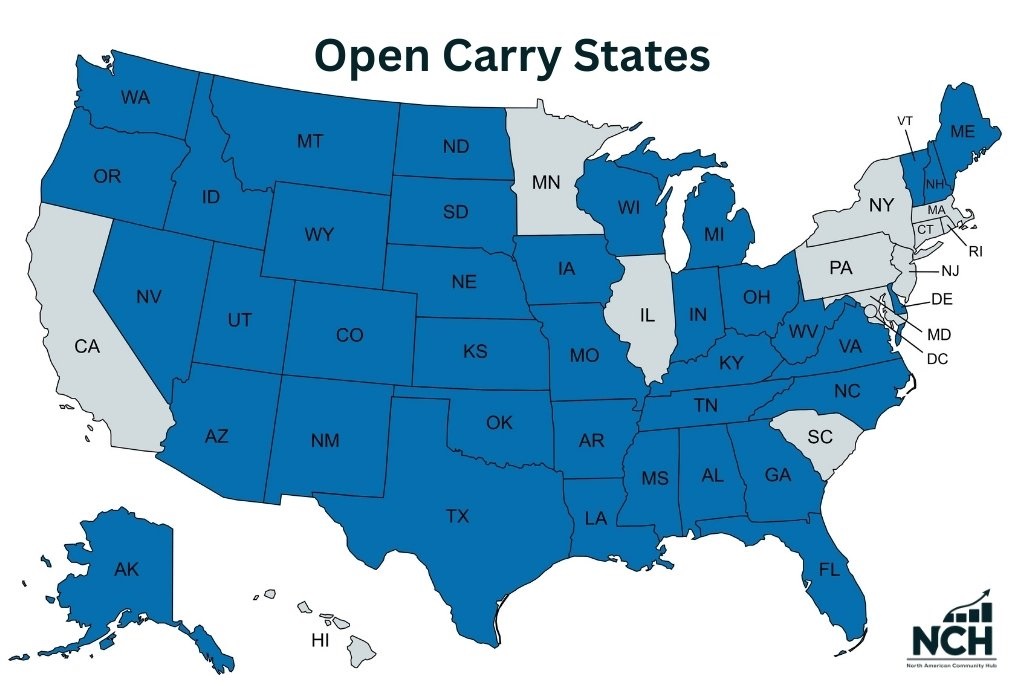
At its core, Oregon is generally considered an “open carry” state. This means that, for individuals legally permitted to possess a firearm, carrying a handgun or long gun openly in public is broadly allowed without requiring a specific permit. However, this general rule comes with significant nuances, exceptions, and local ordinances that are crucial for any traveler to understand. The concept of “open carry” specifically refers to carrying a firearm in plain sight, such as holstered on a hip or slung over a shoulder, making it visible to others. This differs from “concealed carry,” which typically requires a permit (in Oregon, an Oregon Concealed Handgun License or a recognized out-of-state equivalent) to carry a firearm hidden from public view.
The legal framework in Oregon is complex, reflecting a balance between Second Amendment rights and public safety concerns. While the state’s statutes allow for open carry, various restrictions are in place that can significantly alter where and how firearms can be carried.
Key Restrictions and Exceptions to Open Carry
Navigating Oregon’s open carry landscape requires an awareness of where firearms are prohibited, regardless of open or concealed status, and where local jurisdictions have implemented stricter rules.
- Urban vs. Rural Differences: While open carry is broadly permitted across the state, urban areas, particularly large cities, often have more stringent regulations. Portland, for example, and the surrounding Multnomah County, have enacted ordinances that prohibit the open carry of firearms on public property. This means that while you might observe open carry in more rural parts of the state, it is far less common, and in many instances prohibited, in densely populated urban centers. Other cities like Salem and Eugene may also have their own specific rules, making it essential to check local ordinances for any destination you plan to visit.
- Prohibited Locations: State law designates several places where firearms are generally not allowed, irrespective of open or concealed carry. These include:
- Federal buildings (post offices, courthouses, IRS offices, etc.)
- Courthouses and certain other government buildings
- Airports (especially sterile areas)
- Schools (K-12 and most colleges/universities)
- Certain public gatherings or events if designated as “gun-free” zones
- The property of businesses or private entities that prohibit firearms (e.g., posted “no firearms” signs).
- Private Property Rights: In Oregon, property owners have the right to restrict firearms on their premises. This is particularly relevant for travelers staying in hotels, resorts, or renting accommodation. A hotel, restaurant, or attraction can legally prohibit firearms on their property, and patrons are expected to respect these policies. It’s always advisable to check with your accommodation provider or event organizer if you have concerns.
- National Parks and Forests: Within federal lands like Crater Lake National Park or the Deschutes National Forest, federal laws generally allow for the possession of firearms in accordance with state and local laws, with specific exceptions for federal buildings and certain restricted areas. However, rules can be complex and are subject to change, so consulting the specific park or forest service regulations is always recommended.
What Open Carry Means for Travelers in Oregon
For the average traveler, understanding Oregon’s open carry laws is less about exercising the right to carry and more about being informed and aware of the local environment. It shapes the context in which you travel, influencing perceptions of safety and interaction with public spaces.
Perceptions of Safety and Comfort
The sight of openly carried firearms can be unfamiliar and potentially unsettling for visitors from regions or countries where such practices are rare or prohibited. While legally carried firearms are not inherently a threat, awareness is key. Most visitors to Oregon will find the vast majority of interactions peaceful and welcoming, regardless of firearm laws. However, it’s wise to consider personal comfort levels when choosing destinations or activities.
For instance, a family visiting Portland’s Oregon Zoo or exploring Powell’s City of Books will likely encounter very different environments than someone exploring a remote hiking trail near Mount Hood. While the law allows open carry in some rural areas, it’s not a pervasive sight that will define every corner of your trip. The overall atmosphere in Oregon remains one of natural beauty, outdoor adventure, and vibrant cultural experiences.
Choosing Your Oregon Experience: Accommodation and Activities
When planning your trip, consider how the general legal framework might subtly influence your choices in accommodation, dining, and activities.

- Hotels and Resorts: Major hotel chains and independent luxury accommodations often have their own policies regarding firearms. For example, a traveler staying at The Heathman Hotel in Portland or the Salishan Coastal Lodge on the Oregon Coast should check the specific property’s rules. While many properties focus on creating a safe and welcoming environment, their internal policies can vary. It’s always best practice to consult directly with the establishment if you have concerns or specific needs.
- Dining and Entertainment: Restaurants, bars, breweries, and concert venues also have the right to prohibit firearms on their premises. This is often communicated through signage. Respecting these private property rights is not just a courtesy but a legal expectation. Many establishments, particularly in tourist-heavy areas or family-friendly venues, strive to maintain a comfortable atmosphere for all guests, and their policies often reflect this.
- Outdoor Activities: For travelers engaging in hiking, fishing, hunting, or camping, the legal carrying of firearms in appropriate areas might be more common, particularly in designated hunting grounds or remote wilderness. If you plan to participate in such activities, understanding the specific regulations for that activity and location is paramount. Guided tours, such as whitewater rafting on the Deschutes River or wine tours in the Willamette Valley, typically have clear guidelines from their operators regarding personal items and safety protocols.
Navigating Oregon: Safety, Destinations, and Local Customs
Oregon’s allure lies in its diverse offerings, from the sophisticated urban culture of Portland to the rugged wilderness of its state parks and national forests. Your travel experience will be shaped far more by these vibrant attractions than by the state’s open carry laws, as long as you travel responsibly and are aware.
Iconic Destinations and Their Unique Vibes
- Portland and the Urban Experience: Portland, Oregon’s largest city, is a hub of culinary innovation, craft breweries, art, and unique neighborhoods. Places like the Pearl District, Hawthorne District, and attractions such as the Pittock Mansion and the Japanese Garden are central to the city’s appeal. Due to local ordinances, open carry is generally prohibited on public property within Portland and Multnomah County. This contributes to an atmosphere where firearms are not typically a visible part of the urban landscape, allowing visitors to focus on the city’s vibrant culture and attractions.
- The Oregon Coast: Stretching for hundreds of miles, the Oregon Coast boasts dramatic cliffs, charming seaside towns like Cannon Beach (home to Haystack Rock), Astoria, and Newport. Visitors come for whale watching, tidepooling, fresh seafood, and picturesque lighthouses. While some coastal areas are more rural, the focus here is on natural beauty and relaxation. Local town ordinances should still be considered, but the general feeling is one of serene escape.
- Central Oregon’s Adventure Hub: Bend is the gateway to adventure in Central Oregon, offering world-class skiing on Mount Bachelor, hiking, mountain biking, and a thriving craft beer scene. The region’s open, natural spaces are where you might more likely encounter legal open carry, especially by individuals engaged in outdoor recreation. Travelers staying at resorts like the Oxford Hotel Bend or seeking wilderness experiences will find the local culture aligns with outdoor pursuits.
- Willamette Valley Wine Country: This lush region is famous for its Pinot Noir Trail, dotted with hundreds of vineyards and wineries. The atmosphere is typically serene, sophisticated, and focused on culinary delights. Wineries, being private businesses, typically set their own policies regarding firearms, which often align with creating a peaceful environment for tastings and events.
- Southern Oregon’s Cultural Gems: Ashland, home to the renowned Oregon Shakespeare Festival, offers a blend of arts, culture, and outdoor beauty. Cities like Medford serve as gateways to the region’s natural wonders. The focus in these areas is often on performances, local cuisine, and exploring the surrounding nature.
Respecting Local Culture and Etiquette
Regardless of the specifics of open carry laws, responsible tourism emphasizes respect for local laws, customs, and the preferences of residents and businesses.
- Be Observant: Pay attention to signage at establishments. “No firearms” signs are legally binding for private property.
- Stay Informed: Laws can change. Before and during your trip, it’s a good practice to consult official Oregon government websites or local law enforcement resources for the most up-to-date information, especially if you plan to visit specific municipalities or attend large public events.
- Focus on the Experience: Oregon is an incredibly diverse and welcoming state. While awareness of laws is important, let it not overshadow the vast array of positive experiences awaiting you, from exploring the natural wonders of the Columbia River Gorge to enjoying the vibrant culinary scene in Hood River.
Lifestyle and Accommodation Choices in an Open Carry State
The “lifestyle” aspect of travel encompasses everything from budget considerations to the kind of experiences travelers seek. In Oregon, knowing the state’s open carry status integrates into these choices, though often subtly.
Adapting Travel Styles
- Luxury Travel: Those indulging in luxury travel, perhaps staying at high-end resorts like The Allison Inn & Spa in the Willamette Valley or a sophisticated boutique hotel in Portland, will likely find these establishments have clear, often restrictive, policies regarding firearms to ensure an exclusive and peaceful environment for their guests. The focus here remains on premium service, fine dining, and curated experiences.
- Budget Travel: Budget travelers often opt for hostels, budget hotels, or camping. While these options are more cost-effective, the same principles of respecting property rules and local ordinances apply. Campgrounds in state or national forests will adhere to federal and state park regulations.
- Family Trips: For families, the primary concern is usually safety and ensuring a comfortable environment for children. Popular family destinations like the Oregon Zoo, the Oregon Coast Aquarium in Newport, or attractions designed for children will generally have policies in place to maintain a family-friendly atmosphere, often prohibiting firearms.
- Adventure and Outdoor Pursuits: Oregon is a paradise for adventurers. Whether it’s backpacking along the Pacific Crest Trail, rock climbing in Smith Rock State Park, or exploring the Rogue River, these activities naturally bring travelers into more remote areas where the general open carry law might be more apparent, particularly if locals are engaged in hunting or self-defense. Specific regulations for hunting or carrying in wildlife management areas should always be consulted.
Making Informed Accommodation Decisions
When booking accommodation, whether it’s a hotel, apartment rental through services like Airbnb, or a resort, it’s prudent to consider their policies, especially if the topic is a concern.
- Read the Fine Print: Many booking platforms or hotel websites will list their policies regarding firearms.
- Direct Inquiry: If a policy isn’t clear, a quick call or email to the accommodation provider can clarify their rules. This ensures there are no surprises upon arrival and helps you choose a stay that aligns with your comfort level.
- Consider Location: As discussed, urban areas like Portland or Ashland often have local restrictions or a culture that makes open carry less visible or prohibited on public land, which might influence where you prefer to stay.
In conclusion, Oregon is indeed an open carry state, meaning that generally, individuals legally allowed to possess firearms can carry them openly in public. However, this broad allowance is heavily nuanced by a patchwork of state laws, local ordinances (especially in urban centers like Portland), and private property rights. For travelers, the key is awareness and respectful engagement with local regulations and customs. By understanding these dynamics, visitors can confidently plan their trips, choosing destinations, accommodations, and activities that best suit their preferences, ensuring a memorable and enjoyable exploration of all that Oregon has to offer. The state’s natural wonders, vibrant cities, and welcoming communities remain its defining characteristics, making it a premier destination for any type of traveler.
LifeOutOfTheBox is a participant in the Amazon Services LLC Associates Program, an affiliate advertising program designed to provide a means for sites to earn advertising fees by advertising and linking to Amazon.com. Amazon, the Amazon logo, AmazonSupply, and the AmazonSupply logo are trademarks of Amazon.com, Inc. or its affiliates. As an Amazon Associate we earn affiliate commissions from qualifying purchases.