
Oregon, a state renowned for its breathtaking natural beauty, vibrant cities, and progressive culture, often appears on lists of desirable places to live in the United States. From the rugged coastline to the snow-capped peaks of the Cascade Mountains, the lush Willamette Valley to the high desert, the Beaver State offers a diverse tapestry of landscapes and experiences. However, the question many prospective residents and long-term visitors ask is: “Is Oregon expensive to live in?” The simple answer is, it can be, especially in certain areas, but the overall cost of living is a nuanced picture influenced by various factors.
For those considering a move or an extended stay, understanding the financial landscape is crucial. Oregon’s appeal, which includes a strong job market in specific sectors, a commitment to sustainability, and an abundance of outdoor recreation, comes with a price tag that often exceeds the national average. This article will delve into the specifics, breaking down the costs associated with housing, daily necessities, and the overall lifestyle in different parts of the state, providing a comprehensive guide for anyone looking to call Oregon home or simply enjoy an extended visit.
Understanding Oregon’s Cost of Living Landscape
When evaluating the expense of living in any location, several key categories contribute to the overall picture. In Oregon, these categories consistently rank above the national average, particularly housing. However, other costs like utilities, groceries, and transportation also play significant roles. It’s important to differentiate between urban hubs, popular tourist destinations, and more rural areas, as these distinctions dramatically impact one’s budget.
The state’s allure as a top travel destination naturally influences its cost of living. The continuous influx of tourism means a robust demand for accommodation, from luxury resorts and boutique hotels to vacation rentals and long-term apartment stays, all of which contribute to a competitive market. For residents, this translates into higher property values and rental rates, especially in areas favored by visitors or offering easy access to Oregon’s famous landmarks.
Housing: The Primary Driver of Expense
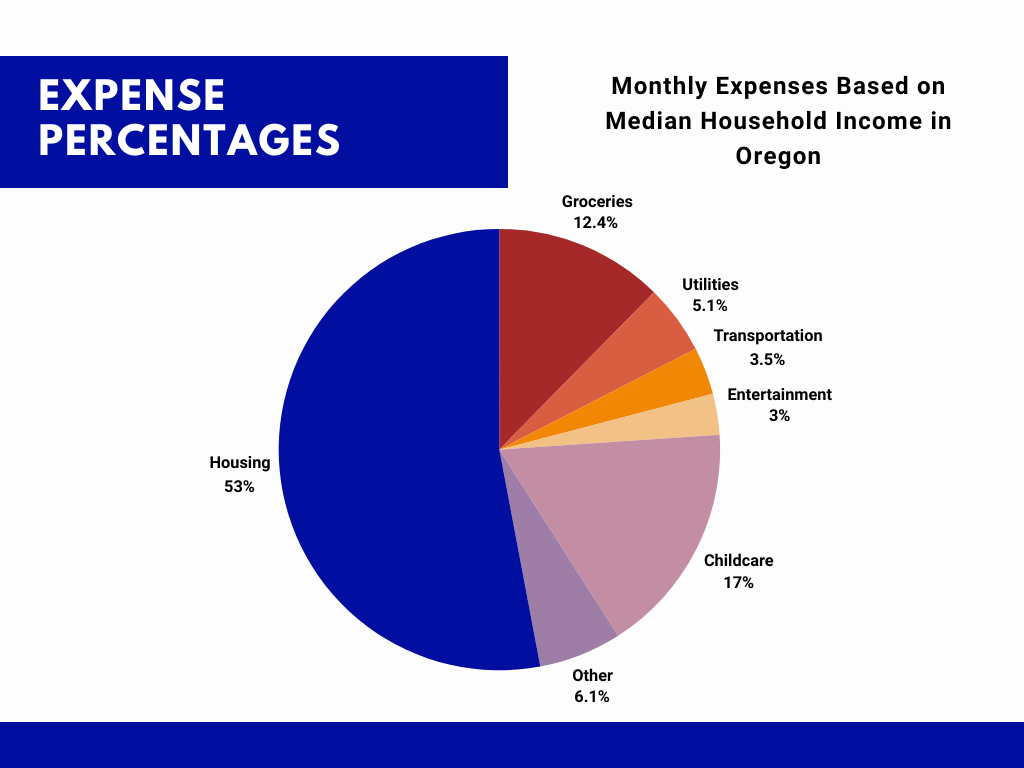
Without a doubt, housing is the most significant factor pushing Oregon’s cost of living above the national average. Both median home prices and average rental rates consistently outpace those in many other states. This trend is particularly pronounced in the major metropolitan areas and along the picturesque Oregon Coast.
In cities like Portland, the housing market is fiercely competitive. A typical single-family home can command prices significantly higher than the national median, often soaring into the mid-six figures or beyond. For renters, a one-bedroom apartment in Portland can easily range from $1,500 to $2,000 per month, with larger units or those in prime neighborhoods costing substantially more. The demand for accommodation in Portland is driven by its vibrant culture, diverse job opportunities, and proximity to attractions like the International Rose Test Garden and the Oregon Zoo.
Other desirable cities such as Bend and Ashland also experience elevated housing costs. Bend, known for its outdoor recreation opportunities and sunny climate, has seen a dramatic increase in housing prices in recent years, making it one of the most expensive smaller cities in the state. Ashland, home to the famous Oregon Shakespeare Festival, also commands premium prices due to its cultural draw and scenic setting. Even smaller towns along the Oregon Coast, like Cannon Beach or Astoria, popular for their stunning views and attractions like Haystack Rock, feature higher real estate values due to their appeal as tourist destinations and retirement spots.
While purchasing a home or securing a long-term rental in these sought-after locations can be a challenge, more affordable options exist. Moving to the outskirts of major cities or exploring smaller communities further inland can significantly reduce housing expenses. However, this often means longer commutes or less immediate access to certain amenities and job markets. The type of accommodation also plays a role; while a luxury apartment in Downtown Portland might break the bank, finding a shared living situation or a more modest home in a less central neighborhood can make living in Oregon more feasible.
Daily Necessities: Utilities, Groceries, and Transportation
Beyond housing, the cost of everyday living in Oregon presents a mixed bag. While some expenses are manageable, others can add up quickly.
Utilities: The good news for Oregon residents is that utility costs are generally quite reasonable, particularly electricity. The state benefits from abundant hydroelectric power, which keeps electricity rates lower than the national average. However, natural gas prices can be higher, and internet services, especially high-speed options, are comparable to or slightly above national averages. Water and sewer rates vary by municipality but are generally in line with national norms. For those interested in sustainable living, Oregon’s focus on renewable energy aligns well with a budget-conscious approach to utilities.
Groceries: Grocery prices in Oregon tend to be slightly higher than the national average. This can be attributed to several factors, including transportation costs for goods, particularly for areas further from major distribution hubs. However, Oregon’s vibrant agricultural scene, especially in the Willamette Valley, means access to fresh, local produce, often directly from farmers’ markets, which can sometimes offer better value. Exploring local culture through food is a highlight of living here, with farm-to-table restaurants and diverse culinary experiences often utilizing fresh, regional ingredients. Budget-conscious residents can save money by shopping at discount grocery stores or taking advantage of seasonal produce.
Transportation: Transportation costs in Oregon can be a significant expenditure. While Portland boasts a robust public transportation system (TriMet) that includes buses, light rail (MAX), and streetcar services, making car ownership less essential in the urban core, most other parts of the state require a car. Gasoline prices in Oregon are typically above the national average, partly due to state taxes and the requirement for full-service pumping at gas stations, which, while a unique experience, doesn’t come free. Vehicle registration and insurance costs are also factors to consider. For those living outside of Portland, a car is almost a necessity for daily commuting and exploring Oregon’s numerous attractions like Crater Lake National Park or the Columbia River Gorge.
Healthcare: Healthcare costs in Oregon are generally on par with or slightly above the national average. This includes insurance premiums, doctor visits, and prescription medications. The availability of quality healthcare facilities, particularly in cities like Portland and Eugene, is a definite plus, but it’s an expense that needs careful budgeting.
Regional Variations: Where Your Dollar Goes Further (or Not)
The question of whether Oregon is expensive heavily depends on where in Oregon you choose to settle or visit. The state’s diverse geography and population distribution create distinct cost-of-living profiles across different regions.
Urban Centers: Portland and Beyond
Portland: As the state’s largest city, Portland is undeniably the most expensive place to live in Oregon. Its desirability stems from its thriving food scene, craft breweries, vibrant arts and culture, and proximity to natural wonders like Mount Hood and the Columbia River Gorge. The robust job market in tech, healthcare, and creative industries also attracts many newcomers. However, this popularity comes at a steep price, primarily in housing. While the average salary in Portland is higher than the national average, it often struggles to keep pace with the rapidly increasing cost of housing. Accommodation options range from luxury downtown apartments to charming bungalows in neighborhoods like Hawthorne or Alberta Arts District, all commanding premium rates.

Salem: As the state capital, Salem offers a slightly more affordable alternative to Portland. Located in the heart of the Willamette Valley, Salem provides access to excellent vineyards, agricultural communities, and a quieter pace of life. Housing costs are notably lower than in Portland, making it an attractive option for families or those seeking a more relaxed environment without being too far from major city amenities. The job market is stable, largely driven by state government employment and the agricultural sector.
Eugene: Home to the University of Oregon, Eugene presents a youthful and environmentally conscious atmosphere. While more affordable than Portland, Eugene’s cost of living, particularly housing, can still be above the national average, influenced by its university population and its reputation as a hub for outdoor enthusiasts. It’s a great destination for those who appreciate a balance of urban amenities and quick access to nature.
Bend: Once a relatively affordable haven, Bend has experienced an explosion in popularity and a corresponding surge in living costs. Its stunning natural setting, with access to skiing at Mount Bachelor, hiking, and countless other outdoor activities, has made it a magnet for new residents, especially those seeking a high-quality lifestyle. Consequently, housing prices in Bend now rival, and in some cases exceed, those in Portland for certain types of properties. The strong tourism sector, with numerous hotels and resorts like the Riverhouse on the Deschutes, also contributes to the elevated cost of living.
Coastal Towns and Rural Retreats
The Oregon Coast is a highly sought-after area, attracting both tourists and residents with its dramatic landscapes, charming towns, and relaxed pace. Coastal towns like Cannon Beach, Manzanita, and Newport offer unparalleled beauty but come with elevated housing costs, especially for properties with ocean views or near popular attractions. While some amenities might be less expensive than in major cities, the overall cost of living can still be high due to limited housing stock and strong demand from those seeking vacation homes or retirement properties. Many of these towns thrive on tourism, offering numerous hotel options and local activities, which also influences the local economy and prices.
Moving away from the major urban centers and popular coastal destinations, into the more rural parts of Oregon, offers a more affordable cost of living. Areas in eastern and southern Oregon, away from the I-5 corridor, generally feature lower housing prices, reduced competition, and a slower pace of life. Towns like Klamath Falls or communities in the Wallowa Valley can provide significantly more bang for your buck. However, these areas often come with fewer job opportunities, less access to specialized services, and potentially longer travel times to major retail or healthcare centers. For those prioritizing a budget-friendly lifestyle and a strong connection to nature, these regions can be ideal.
Lifestyle, Tourism, and the Oregon Experience
Oregon’s appeal goes beyond its economics; it’s a state that offers a unique lifestyle heavily intertwined with its natural environment and vibrant cultural scene. Understanding how these elements contribute to the overall experience, and how they can be enjoyed within various budgets, is key to assessing if Oregon is right for you.
Balancing Oregon’s Allure with Your Budget
The Oregon lifestyle is often characterized by a love for the outdoors, a passion for local food and drink, and a strong sense of community. Many residents find immense value in the accessibility of world-class hiking, biking, skiing, and water sports. These activities, while often free or low-cost (e.g., hiking in the Columbia River Gorge or exploring beaches on the Oregon Coast), become part of the overall value proposition of living in a state where nature is at your doorstep.
However, the state also offers a rich tapestry of experiences that cater to a more luxurious lifestyle. Oregon is home to numerous high-end resorts, such as the Allison Inn & Spa in the Willamette Valley or the Salishan Coastal Lodge on the coast, offering premium accommodation and amenities. Fine dining, exclusive wine-tasting tours, and boutique shopping are readily available, particularly in Portland and the wine country. These experiences, while contributing to the state’s tourism appeal, can add to a resident’s discretionary spending if indulged frequently.
For families, Oregon provides a wealth of educational and recreational opportunities. From science museums like the Oregon Museum of Science and Industry (OMSI) in Portland to numerous state parks and wildlife refuges, there’s no shortage of family-friendly activities. The cost of raising a family here can be higher due to housing and childcare expenses, but the quality of life and access to nature are often seen as valuable trade-offs.
Exploring Oregon on a Budget: Tips for Residents and Visitors
Whether you’re a long-term resident or planning a trip, enjoying Oregon doesn’t always have to break the bank. There are numerous ways to experience the state’s wonders without overspending.
Accommodation: For visitors, exploring alternatives to traditional hotels can save money. Consider booking apartments or guesthouses through platforms that specialize in long-term stays, particularly outside peak tourist seasons. For residents, as mentioned, looking at homes or rentals in less central neighborhoods or smaller towns can drastically reduce housing costs. Even in Portland, areas further from the downtown core, but still accessible by public transport, offer more affordable options. Booking reviews and comparisons are crucial for finding the best value.
Food and Activities: Embrace Oregon’s thriving food truck scene, especially in Portland, for delicious and budget-friendly meals. Take advantage of happy hour specials at local breweries and restaurants. Many of Oregon’s most spectacular attractions, such as hiking trails, state parks (though some require a parking pass like the Oregon State Parks Pass), and public beaches, are free or very low cost to access. Exploring local culture through free events, art walks, and community festivals is also a great way to save money and immerse yourself in the local scene. Many local tourism offices also offer guides to free or inexpensive attractions.
Transportation: In Portland, utilize the excellent public transportation system (TriMet) or explore the city on foot or by bike. For venturing further afield, carpooling for day trips or considering an electric vehicle (given Oregon’s lower electricity rates) can help mitigate transportation costs. Planning routes to minimize gas consumption and avoiding peak traffic times, especially around Portland International Airport, can also make a difference.

Is Oregon Worth the Cost?
Ultimately, whether Oregon is “expensive” is subjective and depends heavily on individual circumstances, priorities, and lifestyle choices. For many, the high quality of life, access to unparalleled natural beauty, vibrant cultural scene, and progressive values justify the higher cost of living.
While housing can be a significant barrier, particularly in the most desirable areas, strategic choices regarding location, accommodation type, and daily spending can make living in Oregon achievable. The state offers a unique blend of urban sophistication and wild wilderness, catering to a diverse range of interests, from the tech professional in Silicon Forest to the outdoor adventurer seeking solace in the Umpqua National Forest.
For those considering a move or an extended stay, thorough research into specific neighborhoods or towns, alongside a realistic budget assessment, is essential. While it may require a higher income than some other states, the benefits of the Oregon experience—its stunning landscapes, fresh local food, community spirit, and endless opportunities for exploration and adventure—often outweigh the financial considerations, making it a truly rewarding place to live or visit. Oregon is more than just a place; it’s a lifestyle choice, and for many, it’s a choice worth making.
LifeOutOfTheBox is a participant in the Amazon Services LLC Associates Program, an affiliate advertising program designed to provide a means for sites to earn advertising fees by advertising and linking to Amazon.com. Amazon, the Amazon logo, AmazonSupply, and the AmazonSupply logo are trademarks of Amazon.com, Inc. or its affiliates. As an Amazon Associate we earn affiliate commissions from qualifying purchases.