
The question “Is Orlando Evacuating?” often surfaces during periods of heightened natural disaster awareness, particularly hurricanes. While Orlando itself is located inland, its proximity to Florida’s extensive coastline means that the threat of severe weather is a recurring concern for residents and visitors alike. Understanding the nuances of evacuation procedures, the city’s preparedness, and what such an event means for tourism is crucial for anyone with plans to visit or currently residing in the Central Florida region.
Understanding Evacuation Orders in Orlando
The Role of County Emergency Management
Evacuation orders for Orlando are not issued by the city government alone, but rather by the respective county emergency management agencies. The primary county responsible for Orlando is Orange County. These agencies work in conjunction with the National Hurricane Center and the Florida Division of Emergency Management to monitor weather systems and determine the necessity and scope of any evacuation.
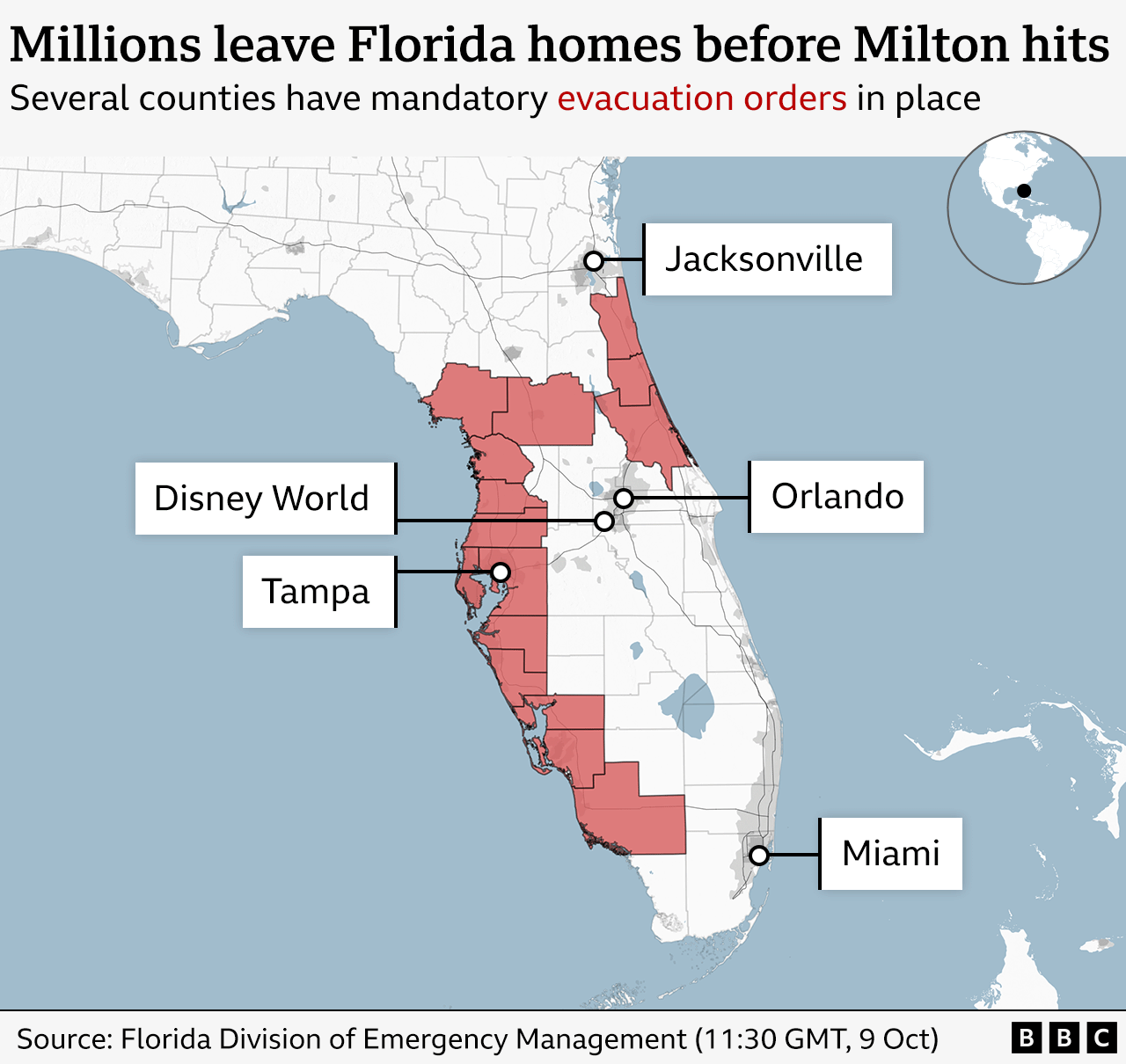
Evacuation orders are typically tiered, with different zones being asked to leave their homes based on their proximity to the coast, their location in flood-prone areas, or their structural vulnerability to high winds. Orange County utilizes a zone-based system, and residents are advised to know their zone and follow the directives issued by the county.
Types of Evacuation Orders
There are generally two primary types of evacuation orders that might impact Orlando:
- Mandatory Evacuation: These orders are issued when authorities believe that staying in a particular area poses a significant risk to life and safety. This is typically due to imminent threats like storm surge, high winds, or widespread flooding that could make rescue operations impossible. Failure to comply with a mandatory evacuation order can have serious consequences, including potential liability if emergency services are forced to undertake dangerous rescue missions.
- Voluntary Evacuation: In some instances, authorities may recommend or strongly advise residents and visitors to evacuate an area, even if a mandatory order has not yet been issued. This is often the case when roads may become impassable or when shelters are expected to reach capacity. A voluntary evacuation allows individuals to make their own decisions based on their risk assessment and preparedness.
The Inland Advantage and its Limitations
Orlando’s inland location offers a degree of protection from the most destructive forces of a hurricane, such as direct storm surge. Coastal areas are always the first and most severely impacted by rising waters. However, this does not render Orlando immune to the dangers of a powerful storm.
- High Winds: Even far inland, hurricanes can bring destructive wind speeds capable of causing significant damage to buildings, downing trees and power lines, and creating dangerous flying debris.
- Heavy Rainfall and Flooding: Orlando is susceptible to torrential rainfall associated with tropical systems. This can lead to widespread inland flooding, particularly in low-lying areas and communities with inadequate drainage systems. Flash floods can develop rapidly and pose a serious threat.
- Power Outages: Extended power outages are a common consequence of hurricanes, even in inland areas, due to widespread damage to the electrical grid. This can impact essential services, including air conditioning, refrigeration, and communication.
- Infrastructure Disruption: Roads may become impassable due to flooding or debris, impacting travel and the ability of emergency services to respond. Airports, like Orlando International Airport, may suspend operations.
Impact on Travel and Tourism
The question of whether Orlando is evacuating has significant implications for the millions of tourists who visit the city annually, primarily drawn by its world-renowned theme parks and attractions.
Theme Park Closures and Operations
Major theme park operators, such as The Walt Disney Company (with its Walt Disney World Resort) and Universal Orlando Resort, have robust contingency plans for severe weather.
- Precautionary Measures: As a storm approaches, parks may begin to implement precautionary measures such as securing outdoor attractions, boarding up windows, and stocking up on essential supplies.
- Operational Adjustments: In anticipation of or during severe weather, theme parks may adjust operating hours, temporarily close certain attractions, or even close entirely. These decisions are made with the safety of guests and Cast Members as the absolute priority. Visitors are strongly advised to monitor the official websites and social media channels of their chosen theme parks for the latest updates.
- Resort Operations: Many of the hotels within the theme park resorts, such as Grand Floridian Resort & Spa or Hard Rock Hotel Orlando, will remain open and operational to provide a safe haven for guests already on property. They often offer special meal services and activities to keep guests comfortable during closures.
Airport Status and Flight Cancellations
Orlando International Airport is a major hub for both domestic and international travel. During severe weather events:
- Suspension of Operations: The airport will typically suspend flight operations well in advance of a storm’s anticipated landfall. This allows airlines to reposition aircraft and crews and for airport personnel to secure facilities.
- Passenger Information: Airlines will provide direct communication to passengers regarding flight status, cancellations, and rebooking options. It is imperative for travelers to stay in direct contact with their airline.
- Ground Transportation: Ground transportation services to and from the airport may also be disrupted or suspended, further complicating travel plans.
Hotel Policies and Travel Insurance

For visitors staying in hotels across Orlando, understanding hotel policies regarding hurricanes is essential.
- Hurricane Guarantees: Many hotels, particularly those operated by major chains and resort destinations, offer “hurricane guarantees.” These policies often allow guests to cancel or rebook their stays without penalty if a hurricane warning is issued for the area. It is crucial to verify the specific terms and conditions of such guarantees.
- Travel Insurance: Purchasing comprehensive travel insurance that specifically covers weather-related disruptions is highly recommended for any trip to hurricane-prone regions like Florida. Such insurance can help recoup non-refundable costs for flights, accommodation, and pre-booked activities if travel plans are unavoidably altered by a storm.
Preparedness and Safety in Orlando
When evacuation orders are issued or severe weather is imminent, preparedness is key to ensuring safety.
Official Information Sources
Staying informed is the most critical step. Residents and visitors should rely on official sources for accurate and timely information:
- Orange County Emergency Management: This agency provides the most direct and authoritative information regarding evacuation zones, shelter locations, and safety instructions for the Orlando area. Their website and social media channels are vital resources.
- National Weather Service (NWS): The NWS provides detailed forecasts, hurricane tracks, and warnings.
- Local News Outlets: Reputable local news channels and radio stations are also important for disseminating information quickly.
What to Do If an Evacuation Order is Issued
If an evacuation order is issued for your area in Orlando:
- Know Your Zone: Ensure you understand which evacuation zone you are in and the corresponding order.
- Plan Your Route: Identify the safest and most direct route to a designated shelter or a pre-determined safe location outside the threatened area. Roads can become congested quickly.
- Pack an Emergency Kit: This should include essentials like water, non-perishable food, medications, a flashlight, batteries, a first-aid kit, important documents (copies), and cash.
- Secure Your Home: If time permits and it is safe to do so, secure windows and doors, bring in outdoor furniture and decorations, and turn off utilities if instructed.
- Follow Instructions: Adhere strictly to the instructions provided by emergency management officials.
Shelter Information
Orange County establishes public shelters when necessary. These are typically located in sturdy buildings like schools.
- Special Needs Shelters: For individuals with medical needs requiring assistance, special needs shelters are often available. Registration for these shelters is typically required in advance.
- Pet-Friendly Shelters: Increasingly, Orange County and other Florida counties are offering pet-friendly shelters. However, space can be limited, and specific guidelines must be followed. It is always advisable to have a pet evacuation plan in place regardless of shelter availability.
- What to Bring to a Shelter: Along with your emergency kit, bring comfort items, bedding, and any necessary medical supplies.
The Broader Context: Florida’s Hurricane Preparedness
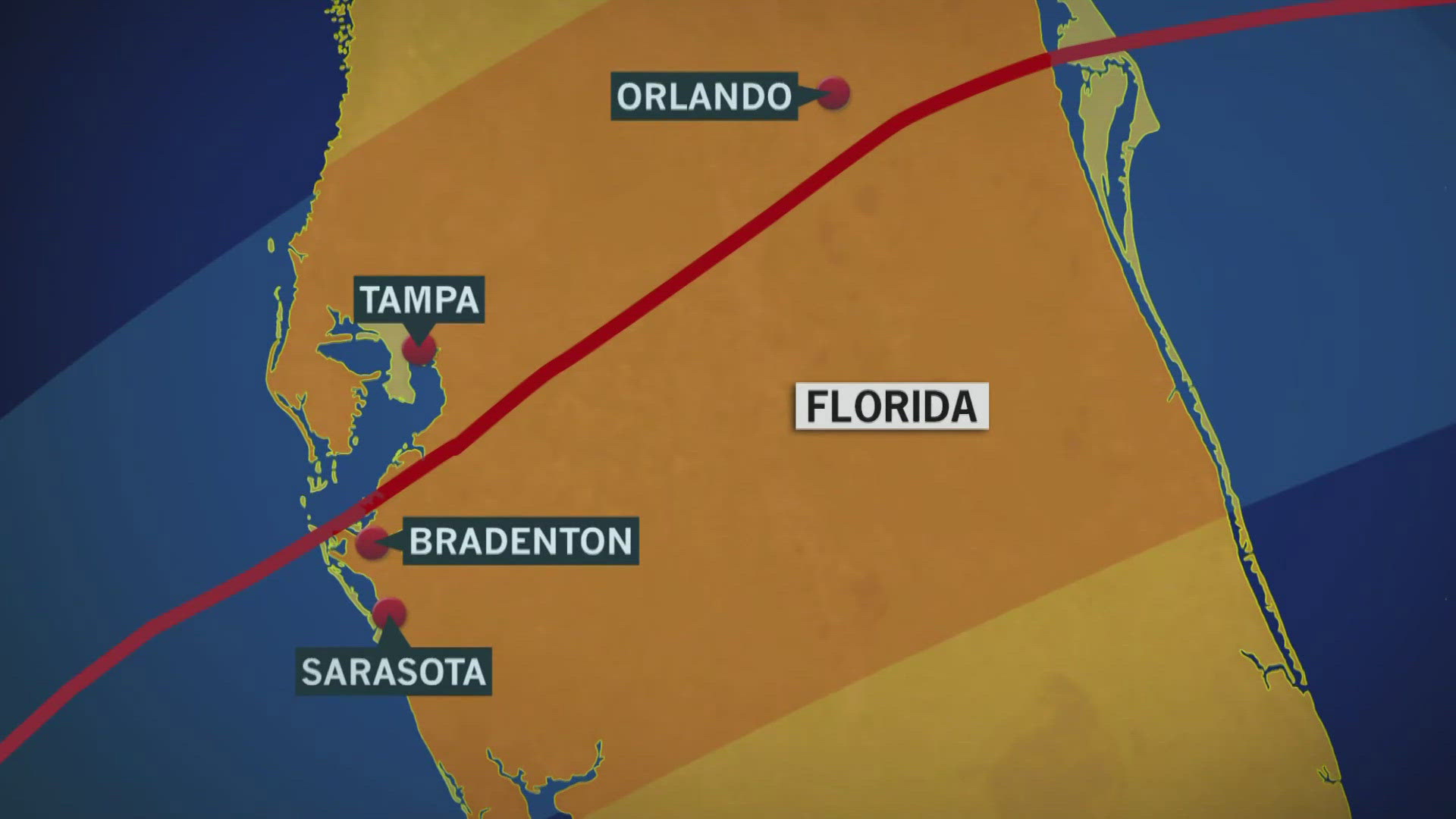
Orlando’s evacuation status is part of a much larger, statewide hurricane preparedness strategy. Florida is one of the most hurricane-prone states in the United States, with a long history of significant storm impacts.
State-Level Coordination
The Florida Division of Emergency Management plays a critical role in coordinating preparedness and response efforts across all 67 counties. This includes:
- Resource Management: Coordinating the allocation of resources such as fuel, water, food, and temporary housing.
- Mutual Aid Agreements: Facilitating agreements between counties for sharing emergency personnel and equipment.
- Public Awareness Campaigns: Running ongoing campaigns to educate residents and visitors about hurricane risks and preparedness measures.
Evolution of Preparedness
Over the decades, Florida’s approach to hurricane preparedness has evolved significantly. Post-disaster analyses consistently lead to improvements in building codes, evacuation planning, communication strategies, and the deployment of emergency response teams. The state has invested heavily in infrastructure designed to withstand extreme weather and in systems to predict storm paths and intensity with greater accuracy.
Resilience in the Face of Adversity
While the threat of hurricanes is ever-present, the communities in and around Orlando have demonstrated remarkable resilience. The infrastructure for emergency response is well-established, and public awareness campaigns have become increasingly effective. When the question “Is Orlando Evacuating?” arises, it signifies a serious weather event, but also triggers a well-rehearsed and coordinated response aimed at protecting lives and minimizing damage. Travelers and residents alike can take comfort in the comprehensive planning and dedicated efforts of emergency management agencies and local authorities in ensuring safety during hurricane season.
LifeOutOfTheBox is a participant in the Amazon Services LLC Associates Program, an affiliate advertising program designed to provide a means for sites to earn advertising fees by advertising and linking to Amazon.com. Amazon, the Amazon logo, AmazonSupply, and the AmazonSupply logo are trademarks of Amazon.com, Inc. or its affiliates. As an Amazon Associate we earn affiliate commissions from qualifying purchases.