
Portland, Oregon, a city renowned for its vibrant culture, lush green spaces, and innovative spirit, often finds itself at the intersection of national conversations. Among these, the designation of “sanctuary city” has been a recurring topic. This article delves into what it means for a city to be considered a sanctuary, examines Portland’s stance and policies, and explores how this status might intertwine with the broader aspects of travel, tourism, and lifestyle in this Pacific Northwest gem.
When we talk about Portland, Oregon, images of craft breweries, independent bookstores, and the iconic Powell’s City of Books often come to mind. Beyond its reputation for quirky charm and a thriving arts scene, Portland has established itself as a destination that values inclusivity and progressive policies. Understanding Portland’s approach to being a sanctuary city requires first clarifying what the term signifies, as it can be interpreted in various ways.

Defining “Sanctuary City”
The term “sanctuary city” is not a legally defined term at the federal level in the United States. Instead, it generally refers to a city that has adopted policies to protect undocumented immigrants from deportation or to limit cooperation with federal immigration enforcement agencies. These policies can vary significantly from one city to another, but common elements include:
- Refusal to inquire about immigration status: City officials and law enforcement officers may be prohibited from asking individuals about their immigration status during routine interactions, such as traffic stops or other law enforcement activities, unless required by law.
- Limited cooperation with federal immigration enforcement: Cities may decline to honor all detainer requests from federal immigration agencies (like ICE – Immigration and Customs Enforcement) unless accompanied by a judicial warrant. Detainers are requests to hold a person for an additional period so that federal immigration authorities can take them into custody.
- Provision of city services regardless of immigration status: This can include access to public schools, healthcare services, and sometimes even social services, though access to federal benefits is often restricted by federal law.
It’s crucial to distinguish between the broad, often politically charged, use of the term and the specific policies a city might implement. Some cities may describe themselves as “welcoming” or “immigrant-friendly” rather than explicitly “sanctuary cities,” yet adopt similar protective measures for their residents. The intent behind these policies is typically to foster trust between immigrant communities and local law enforcement, ensuring that all residents feel safe reporting crimes and accessing essential services without fear of deportation.
Portland’s Historical Stance on Sanctuary Policies
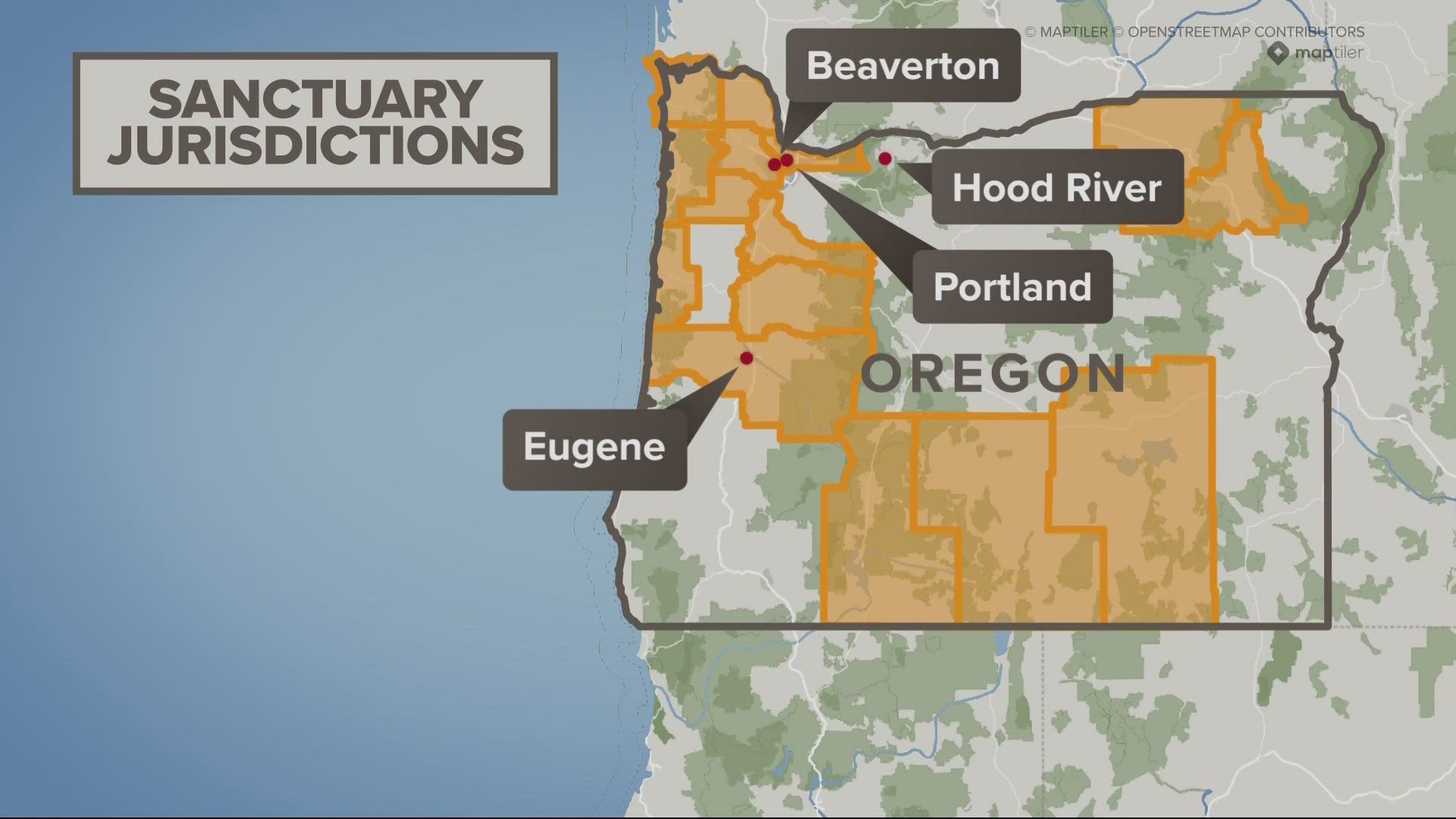
Portland, Oregon, has a long-standing history of advocating for immigrant rights and has implemented policies aimed at protecting its undocumented residents. The city’s journey toward adopting such measures has been gradual and has evolved over several decades, often in response to shifting national immigration policies and legal challenges.
In the late 1980s, Portland adopted policies that limited its police bureau’s role in enforcing federal immigration laws. This move was part of a broader effort to create a more welcoming environment for refugees and immigrants and to build trust within the community. Subsequent administrations have largely maintained and, in some instances, expanded these protections.
Key aspects of Portland’s sanctuary policies, as they have been understood and implemented over time, include:
- “Don’t Ask” Policies: Portland’s police and other city employees are generally prohibited from inquiring about an individual’s immigration status unless it is directly related to a criminal investigation or required by law. This aims to prevent profiling based on national origin or immigration status.
- Limited Cooperation with ICE: The city has historically limited its cooperation with ICE detainers. While cooperation is not entirely non-existent, it is typically contingent on a judicial warrant, meaning local law enforcement will not hold individuals solely based on an administrative detainer request from ICE without further legal authorization. This is a significant aspect that differentiates Portland from cities that fully comply with all detainer requests.
- Access to City Services: Portland has sought to ensure that all residents, regardless of immigration status, have access to essential city services. This includes access to public education and, to varying degrees, other community resources.
The official stance of the city government, including its mayors and city council, has consistently leaned towards protecting immigrant communities. This commitment is often framed as a matter of public safety, human rights, and the economic vitality of the city, arguing that a fear of deportation can deter individuals from reporting crimes or seeking necessary assistance, thereby undermining community safety for everyone.
Navigating Portland: A Sanctuary City’s Tourism Landscape
The designation of Portland, Oregon, as a sanctuary city, or a city with sanctuary-like policies, has a profound impact on its social fabric and, by extension, its tourism appeal. For travelers, understanding this context can enrich their experience and provide a deeper appreciation for the city’s values.
Welcoming All Travelers: Implications for Tourism
For visitors, Portland’s sanctuary policies generally translate into an environment where diverse communities feel safer and more included. This can manifest in subtle yet significant ways:
- Inclusive Atmosphere: Portland prides itself on its welcoming and inclusive atmosphere, and its sanctuary policies are a part of that ethos. Travelers from all backgrounds, including those who may be undocumented or have family members who are, can feel more comfortable and secure when exploring the city.
- Community Engagement: The policies encourage immigrants to engage more fully with their communities, which can lead to richer cultural experiences for tourists. This might mean more diverse food offerings, vibrant cultural festivals, and a greater sense of community pride that visitors can experience firsthand.
- Trust and Safety: The emphasis on building trust between law enforcement and all residents, including immigrants, can contribute to a perception of overall safety within the city. While no city is immune to crime, the policies aim to ensure that fear of deportation doesn’t prevent people from being good witnesses or reporting incidents.
From a travel perspective, this means that Portland is likely to appeal to a segment of travelers who value progressive social policies and ethical considerations in their travel choices. It reinforces the city’s image as a place that embraces diversity and social justice.
Attractions and Experiences in a Welcoming City
Portland’s attractions and experiences remain largely unaffected by its sanctuary policies in terms of accessibility for tourists. In fact, the policies can enhance the experience of visiting certain neighborhoods or engaging with specific cultural elements.
- Cultural Diversity: Neighborhoods with significant immigrant populations, such as those with Latino, Asian, or African communities, offer authentic culinary and cultural experiences. The sanctuary policies help ensure that these communities can thrive and share their heritage openly, enriching the visitor experience. Exploring areas around SW Broadway or delving into the food cart pods can reveal a tapestry of global flavors and traditions.
- Community-Focused Landmarks: Many of Portland’s landmarks, from the International Rose Test Garden in Washington Park to the Oregon Zoo, are places where the community gathers. The inclusive nature fostered by sanctuary policies means these spaces are enjoyed by all residents and visitors alike. The Japanese Garden, also within Washington Park, offers a serene escape that welcomes everyone.
- Local Events and Festivals: Portland hosts numerous festivals and events throughout the year, many of which celebrate the city’s diverse cultural heritage. These events, often held in public spaces like the Waterfront Park, are open to all and provide fantastic opportunities for visitors to immerse themselves in the local lifestyle.

Hotels and Accommodation in Portland
For travelers planning a stay, Portland’s accommodation options cater to a wide range of preferences and budgets, from luxury resorts to budget-friendly apartments. The sanctuary status does not inherently alter the services offered by hotels, but it contributes to the overall welcoming atmosphere of the city.
- Diverse Hotel Options: Portland offers a comprehensive selection of hotels, including well-known chains like the Embassy Suites by Hilton Portland Downtown and boutique hotels that reflect the city’s unique character. Travelers can find anything from upscale suites in the heart of the downtown area to more intimate inns in charming neighborhoods like the Pearl District.
- Apartment and Villa Rentals: For longer stays or for those seeking a more local feel, numerous apartment and villa rental options are available, managed through platforms and local rental agencies. These accommodations provide a home-away-from-home experience, allowing visitors to explore Portland’s neighborhoods at their own pace.
- Resorts and Retreats: While Portland is more known for its urban attractions, the surrounding areas offer resort experiences for those seeking to combine city exploration with relaxation. Many hotels also offer amenities such as fitness centers, spa services, and on-site dining, ensuring a comfortable and convenient stay.
Ultimately, Portland’s sanctuary policies are an integral part of its identity, contributing to a city that is not only a desirable travel destination but also a community committed to the well-being and dignity of all its residents. This commitment enhances the travel experience by fostering an atmosphere of inclusivity and safety that can be felt by every visitor.
LifeOutOfTheBox is a participant in the Amazon Services LLC Associates Program, an affiliate advertising program designed to provide a means for sites to earn advertising fees by advertising and linking to Amazon.com. Amazon, the Amazon logo, AmazonSupply, and the AmazonSupply logo are trademarks of Amazon.com, Inc. or its affiliates. As an Amazon Associate we earn affiliate commissions from qualifying purchases.