
The vast expanse of Texas, a land synonymous with independence, big skies, and a distinct cultural identity, often presents a fascinating paradox for visitors. While the United States witnesses a sweeping wave of cannabis legalization and decriminalization efforts, the Lone Star State has largely maintained a conservative stance on marijuana. For travelers planning a visit, understanding the intricate and often confusing legal landscape surrounding cannabis in Texas is not just a matter of curiosity, but a crucial aspect of responsible travel planning. Whether you’re coming from a state where recreational marijuana is legal, or simply wondering about the accessibility of CBD products, knowing the current laws is essential to ensure a smooth and enjoyable trip, free from unexpected legal complications.
This guide delves into the specifics of Texas’ cannabis laws, differentiating between various cannabinoids, explaining the legal risks, and offering practical advice for navigating the state responsibly. We’ll explore how these laws impact everything from your choice of accommodation to your overall travel experience, ensuring you can immerse yourself in the rich culture and diverse attractions of Texas without legal worries.
The Current Legal Landscape in the Lone Star State
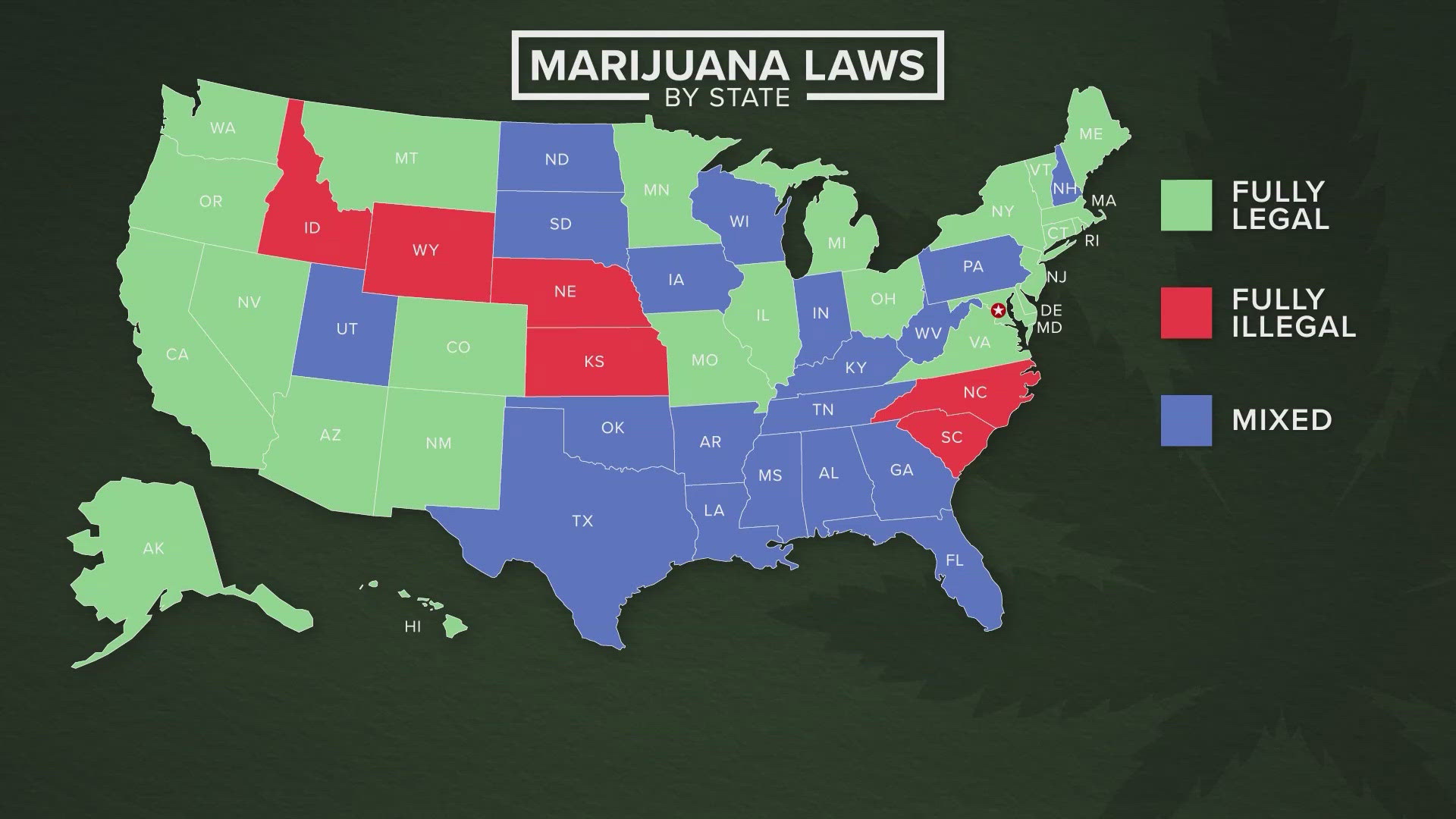
Texas’s approach to cannabis is complex, reflecting a blend of traditional conservatism and a grudging acknowledgement of evolving science and public sentiment. Unlike many other states, recreational marijuana remains strictly illegal across Texas. However, the legal status of hemp-derived products, particularly those containing CBD and Delta-8 THC, paints a somewhat different picture, creating a nuanced environment that can be perplexing for residents and visitors alike.
Understanding Cannabis Classifications: THC vs. CBD vs. Delta-8
To truly grasp Texas’s cannabis laws, it’s vital to distinguish between the various compounds found in the cannabis plant:
- THC (Tetrahydrocannabinol): This is the primary psychoactive compound in marijuana, responsible for the “high” sensation. In Texas, cannabis products containing more than 0.3% Delta-9 THC (the most common form of THC) on a dry weight basis are classified as marijuana and are illegal for recreational use.
- CBD (Cannabidiol): Unlike THC, CBD is non-intoxicating and is widely used for its potential therapeutic benefits. Thanks to the 2018 Farm Bill, hemp-derived CBD products containing less than 0.3% Delta-9 THC are federally legal and, consequently, legal in Texas. This means you can find a wide array of CBD oils, edibles, and topicals in shops across the state.
- Delta-8 THC: This cannabinoid, naturally occurring in the cannabis plant but often produced synthetically from CBD, has become a point of contention. It offers a milder psychoactive effect than Delta-9 THC. For a period, Delta-8 THC existed in a legal grey area in Texas, as it was derived from legally defined hemp and contained less than 0.3% Delta-9 THC. However, recent legal battles have sought to classify it as an illegal controlled substance. While a temporary injunction allowed its sale, the legal status of Delta-8 THC in Texas remains precarious and subject to ongoing legislative and judicial review. Travelers should exercise extreme caution and assume it could be considered illegal at any given moment.
Medical Cannabis in Texas: Texas does have a limited medical cannabis program, the Texas Compassionate Use Program (TCUP). However, it is one of the most restrictive in the United States. It only allows for low-THC cannabis (defined as cannabis with no more than 0.5% Delta-9 THC by weight) for a very specific and limited list of debilitating medical conditions, including epilepsy, multiple sclerosis, spasticity, autism, and certain neurological disorders. Unlike broader medical marijuana programs in other states, TCUP does not permit smoking or vaping the cannabis flower. This program is not accessible to out-of-state visitors, and carrying a medical marijuana card from another state offers no legal protection in Texas for products that exceed the state’s strict THC limits.
Penalties and Risks for Travelers
The penalties for marijuana possession in Texas are severe and can have significant implications for travelers. Unlike states that have decriminalized small amounts, Texas treats even minor possession as a criminal offense:
- Possession of 2 ounces or less: This is typically a Class B misdemeanor, punishable by up to 180 days in jail and/or a fine of up to $2,000.
- Possession of 2 to 4 ounces: This is a Class A misdemeanor, carrying potential penalties of up to one year in jail and/or a fine of up to $4,000.
- Possession of larger quantities: These offenses escalate rapidly to felony charges, with significantly harsher penalties including lengthy prison sentences and substantial fines.
- Delivery or intent to deliver: Even small amounts can lead to serious felony charges if there is evidence of intent to distribute.
For travelers, these penalties are particularly concerning. An arrest can derail an entire trip, leading to missed flights, additional legal expenses, and a lasting criminal record. Furthermore, even if you reside in a state where cannabis is legal, bringing it across state lines into Texas can expose you to federal charges, as marijuana remains illegal under federal law. Given the stringent laws, any encounter with law enforcement regarding cannabis can quickly escalate. It is imperative for visitors to understand that “ignorance of the law” is not a valid defense.
While some major cities like Austin and Dallas have passed “cite and release” ordinances or policies aimed at reducing arrests for low-level marijuana possession, these policies are not statewide and do not change the underlying illegality of marijuana. They often apply only to specific jurisdictions and typically mean you might receive a ticket rather than an immediate arrest, but you would still face criminal charges. It is critical not to rely on these local policies, as enforcement can vary greatly and is subject to the discretion of individual officers and agencies, including state troopers and county sheriffs who may not be bound by city ordinances.
Navigating Texas as a Visitor: Cannabis, Travel, and Accommodation
A trip to Texas offers an abundance of unique experiences, from the vibrant live music scene in Austin to the historic charm of San Antonio’s River Walk, and the bustling metropolises of Houston and Dallas. To fully enjoy these without legal complications, understanding the practical implications of Texas’ cannabis laws is key, particularly concerning what you can bring, where you can stay, and how to maintain a responsible lifestyle while traveling.
What Tourists Need to Know Before Visiting
The golden rule for tourists visiting Texas is simple: do not bring marijuana into the state, and do not purchase it for recreational use within the state. Even if you have a medical marijuana card from another state, it offers no legal protection in Texas for products exceeding Texas’s strict THC limits.
- Avoid Bringing Cannabis Across State Lines: Traveling into Texas from neighboring states like New Mexico or Colorado, where recreational cannabis is legal, can be particularly risky. Crossing state lines with marijuana, even if it’s legal where you started, constitutes a federal crime, which carries much more severe penalties. Border Patrol checkpoints, particularly near the Mexico border or other state lines, are often equipped to detect illicit substances.
- Legal Hemp-Derived Products: You can legally purchase and possess hemp-derived CBD products in Texas, provided they contain less than 0.3% Delta-9 THC. These products are widely available in health stores, dedicated CBD shops, and even some supermarkets. Be sure to buy from reputable vendors who can provide lab reports verifying the THC content. As mentioned, the legal status of Delta-8 THC is ambiguous and subject to change; it’s best to avoid it to eliminate risk.
- Discretion is Key: Even with legal CBD products, discretion is advisable. Public consumption of any cannabis-related product, even if legal, can draw unwanted attention from law enforcement or concerned citizens. Texas has a strong cultural aversion to public drug use, and discretion reflects respect for local customs and laws.
Accommodation Choices and Cannabis Policies
When planning your stay in Texas, the state’s cannabis laws can indirectly influence your accommodation choices and behavior within them.
- Hotels and Resorts: Most hotels, whether it’s a budget motel or a luxury resort, will have strict no-smoking policies, which typically extend to vaping and smoking cannabis (even if it were legal). Violating these policies can lead to significant cleaning fees, eviction, and even legal repercussions depending on the substance involved. Even for legal CBD products, it’s best to consume them discreetly and in a manner that doesn’t violate hotel rules (e.g., edibles rather than smoking). Famous properties like the Grand Hyatt Hotel or other upscale Texas establishments will certainly adhere to these universal standards.
- Private Rentals (e.g., Airbnb, VRBO): While private rental platforms offer more flexibility, individual hosts set their own rules. Many hosts will have strict no-smoking clauses in their rental agreements. Even if they don’t explicitly mention cannabis, it’s prudent to assume that any form of smoking is prohibited indoors. Always check the house rules before booking, and communicate with your host if you have any questions regarding their specific policies, especially concerning the use of legal CBD products. Disregard for a host’s rules can lead to negative reviews, fines, or even cancellation of your stay.
- Camping and Outdoor Accommodations: For those exploring Texas’s stunning natural beauty at places like Big Bend National Park or Guadalupe Mountains National Park, remember that national parks are federal lands, where federal law (including the prohibition of marijuana) is strictly enforced, regardless of state laws. State parks also adhere to state laws, meaning marijuana is illegal.
Ultimately, regardless of where you choose to stay, the best approach is to adhere to all property rules and, more importantly, to strictly follow Texas’s state laws regarding cannabis. Responsible travel means respecting local regulations and ensuring your leisure doesn’t come at the cost of legal trouble.
The Future of Cannabis and Texas Tourism
Despite its staunch conservative stance, Texas is not entirely immune to the national conversation around cannabis reform. The economic benefits observed in states with legal recreational markets, coupled with evolving public opinion, hint at potential future changes, even if incremental. For the state’s burgeoning tourism industry and its diverse lifestyle offerings, these discussions hold significant implications.
Potential Legislative Changes and Their Impact
While full recreational legalization of marijuana in Texas does not appear to be on the immediate horizon, several legislative efforts and local initiatives suggest a slow but noticeable shift:
- Decriminalization Efforts: Several major Texas cities, including Austin, Dallas, and San Antonio, have seen successful ballot initiatives or policy changes aimed at decriminalizing small amounts of marijuana. These typically reclassify low-level possession offenses as civil infractions or reduce penalties, often leading to a fine instead of arrest or jail time. While these are positive steps, they are localized and do not change state law, meaning state police or county sheriffs may still enforce the stricter state laws.
- Expansion of Medical Cannabis: There’s ongoing advocacy to expand the Texas Compassionate Use Program (TCUP) to include more qualifying conditions and potentially allow for higher THC content. The passage of House Bill 1535 in 2021 was one such step, broadening the list of conditions. Future legislative sessions could see further expansion, making medical cannabis accessible to a larger segment of the population.
- Hemp and Delta-8 THC Clarity: The legal battles surrounding Delta-8 THC highlight the need for clearer regulations for hemp-derived cannabinoids. Future legislation might either explicitly legalize or outright ban these products, providing much-needed certainty for consumers and businesses alike.
Should Texas eventually move towards broader decriminalization or even recreational legalization (a long-term prospect), the impact on tourism and lifestyle would be transformative. Drawing parallels with states like California or Colorado, one could envision:
- Cannabis Tourism: The emergence of specialized tours, cannabis-friendly accommodations, and dispensaries catering to adult-use consumers. This could attract a new demographic of travelers to Texas, boosting local economies.
- Hospitality Innovations: Hotels and resorts might explore cannabis-friendly room options or amenities, similar to how they currently accommodate wine or cigar enthusiasts.
- Enhanced Lifestyle Offerings: For residents, legalization could lead to new businesses, tax revenues, and a shift in social norms surrounding cannabis.
However, these are speculative long-term visions. For the foreseeable future, Texas will likely maintain a cautious approach, making it crucial for visitors to stay informed about the current laws.
Experiencing Texas: Culture, Cuisine, and Cannabis (or Lack Thereof)
Even without widespread cannabis legalization, Texas offers an incredibly rich and diverse travel experience that transcends any single issue. The state’s unique blend of cultures, vibrant cities, and breathtaking natural landscapes ensures there’s always something to explore, regardless of cannabis laws.
- Iconic Landmarks and Attractions: From the historic Alamo in San Antonio to the futuristic Space Center Houston, Texas is dotted with world-renowned landmarks. Explore the live music venues on Sixth Street in Austin, witness the cattle drives at the Fort Worth Stockyards, or marvel at the art installations in Marfa.
- Culinary Adventures: Texas is a paradise for foodies, famous for its legendary BBQ, authentic Tex-Mex, and burgeoning fine dining scenes in cities like Dallas and Houston. Food festivals, local breweries, and vineyards offer a myriad of legal pleasures.
- Outdoor and Nature Experiences: The state boasts an impressive array of natural attractions, from the beaches of South Padre Island and Mustang Island State Park to the rugged mountains of Big Bend National Park and the pristine waters of Lake Travis. Hiking, fishing, swimming, and stargazing provide ample opportunities for natural recreation.
- Unique Cultural Events: Texas hosts countless festivals and events throughout the year, celebrating everything from music (ACL Live at the Moody Theater, Moody Center) and film to rodeos (Billy Bob’s Texas) and the renowned State Fair of Texas.
In conclusion, while the question “Is pot legal in Texas?” is met with a resounding “no” for recreational use, the state offers an incredible spectrum of legitimate activities and experiences that can be enjoyed responsibly and legally. By staying informed, respecting local laws, and focusing on the myriad of wonders Texas has to offer, travelers can ensure a memorable and trouble-free visit to this iconic American state. Always prioritize safe and legal travel, allowing you to fully appreciate the distinctive charm and independent spirit of the Lone Star State.
LifeOutOfTheBox is a participant in the Amazon Services LLC Associates Program, an affiliate advertising program designed to provide a means for sites to earn advertising fees by advertising and linking to Amazon.com. Amazon, the Amazon logo, AmazonSupply, and the AmazonSupply logo are trademarks of Amazon.com, Inc. or its affiliates. As an Amazon Associate we earn affiliate commissions from qualifying purchases.