
For many individuals, engaging in recreational activities and leisure pursuits forms a cornerstone of their lifestyle. From enjoying local culinary delights to exploring natural wonders, personal choices shape how we spend our free time and disposable income. In recent years, Daily Fantasy Sports (DFS) platforms have emerged as a popular form of entertainment, blending skill, sports knowledge, and competition. However, the legal landscape surrounding these platforms is often complex and varies significantly from state to state. For residents and visitors to Alabama, understanding the legality of platforms like Prizepicks is crucial for responsible and informed engagement with their recreational choices. This article delves into the intricacies of Prizepicks’ legal status in the Yellowhammer State, examining the regulatory environment, the platform’s unique model, and the implications for those seeking to incorporate DFS into their lifestyle.
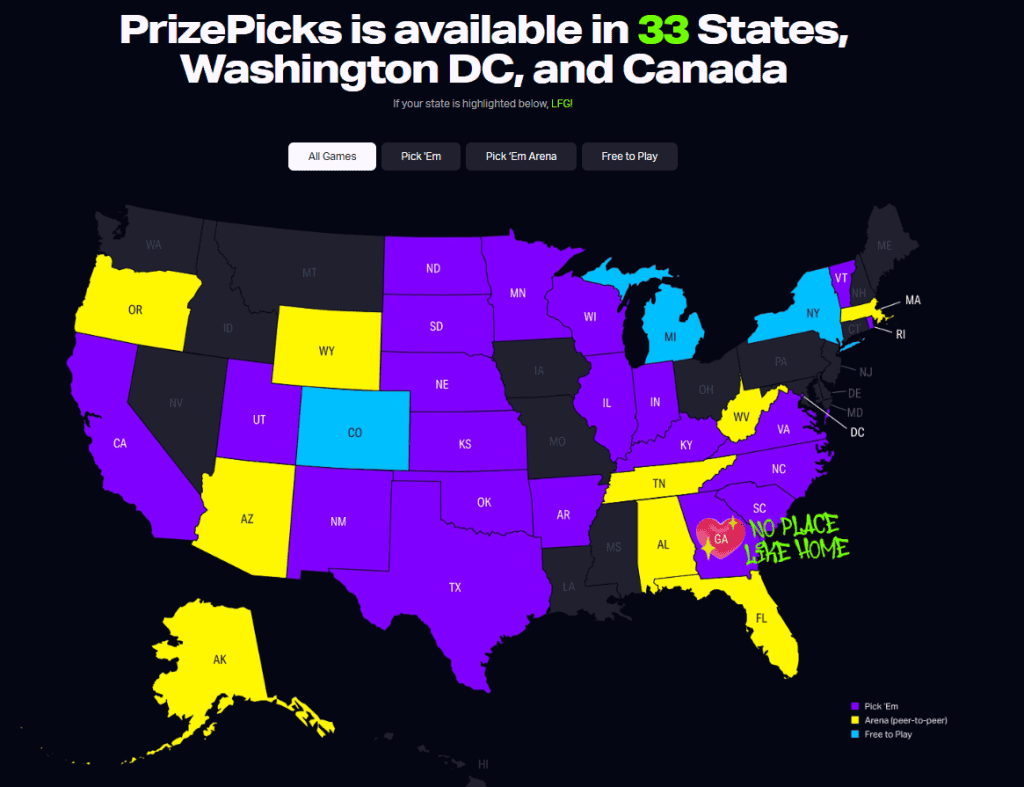
Understanding the Daily Fantasy Sports Landscape in Alabama
The evolution of technology has profoundly impacted how people engage with sports, moving beyond traditional viewership to interactive participation. Daily Fantasy Sports (DFS) platforms have capitalized on this shift, offering a dynamic way for fans to test their sports acumen against others. However, the classification of DFS — whether it constitutes a game of skill or a form of gambling — lies at the heart of its varying legal status across the United States, including within Alabama. For those whose lifestyle includes following sports and engaging in competitive fantasy leagues, clarity on this distinction is paramount.
The Rise of Daily Fantasy Sports (DFS)
Daily Fantasy Sports platforms allow participants to draft virtual teams of real-world athletes and compete based on the statistical performances of those athletes in actual games. Unlike traditional season-long fantasy sports, DFS contests are typically completed within a day or a single slate of games, offering immediate gratification and requiring frequent engagement. This fast-paced, skill-based competition quickly gained immense popularity, attracting millions of users and becoming a significant part of the sports entertainment landscape. The allure lies in the blend of strategy, research, and quick results, appealing to a lifestyle that values competitive intellectual challenges and immediate feedback. As these platforms proliferated, so did the need for states to define their legal standing, particularly concerning existing gambling laws.
[Alabama]’s Stance on Gaming and Wagering
Alabama has historically maintained a conservative stance on most forms of gambling. Unlike many states that have expanded their gaming options to include casinos, sports betting, or lotteries, Alabama’s legal framework for wagering is notably restrictive. The state constitution and subsequent legislative actions have largely prohibited games of chance, with a few limited exceptions such as bingo and certain pari-mutuel betting on dog races, though the latter is largely defunct. This cautious approach stems from deeply ingrained cultural and political considerations.
When DFS first emerged, it fell into a legal gray area. Proponents argued that DFS was a game of skill, not chance, and therefore outside the scope of traditional gambling prohibitions. Opponents, however, viewed it as a thinly veiled form of sports betting. This legal ambiguity created an environment where DFS operators faced uncertain regulatory futures. For individuals in Alabama whose lifestyle includes these activities, navigating this uncertainty requires careful attention to legislative developments and regulatory pronouncements. The state’s history of strict gambling laws forms the backdrop against which any platform, including Prizepicks, must be evaluated.
Prizepicks: A Unique Offering in DFS
Among the various Daily Fantasy Sports platforms, Prizepicks distinguishes itself with a unique game format. While many DFS sites involve drafting a full team and competing against other users’ teams, Prizepicks offers a simpler, over/under style of play. This distinct approach has significant implications for how it is perceived legally, especially in states with strict gambling laws like Alabama. Understanding this operational model is key to discerning its legal standing and how it fits into the recreational choices available to individuals.
How Prizepicks Operates
Prizepicks operates on a “player props” model, where users predict whether individual athletes will achieve “more” or “less” than a projected statistical total in a given game. For instance, a user might predict whether a basketball player will score “more” or “less” than 25.5 points, or if a football player will gain “more” or “less” than 75.5 receiving yards. Users typically select a combination of two to six such player projections, and to win, all selected predictions must be correct. The payout increases with the number of correct predictions, creating a parlay-like structure.
This simplified format removes the complexity of salary caps and head-to-head competition against other fantasy managers, which are common in traditional DFS. Instead, the focus is purely on individual player performance predictions. This model appeals to a broad demographic, from casual sports fans to seasoned strategists, and integrates seamlessly into a lifestyle where quick, engaging entertainment is valued. However, it also raises questions about whether this particular format leans more towards a game of chance than traditional DFS models, thereby potentially falling under stricter gambling regulations in some jurisdictions.
Differentiating Prizepicks from Traditional Sports Betting
The distinction between Prizepicks and traditional sports betting, particularly parlays, is a critical point in legal discussions. Traditional sports betting, legalized in many states following the repeal of PASPA in 2018, involves wagering directly on the outcome of games or specific in-game events determined by odds set by a sportsbook. Parlays combine multiple bets into one, with a higher payout but requiring all legs to win. Prizepicks’ “more/less” format, where users pick multiple player props, bears a superficial resemblance to parlays.
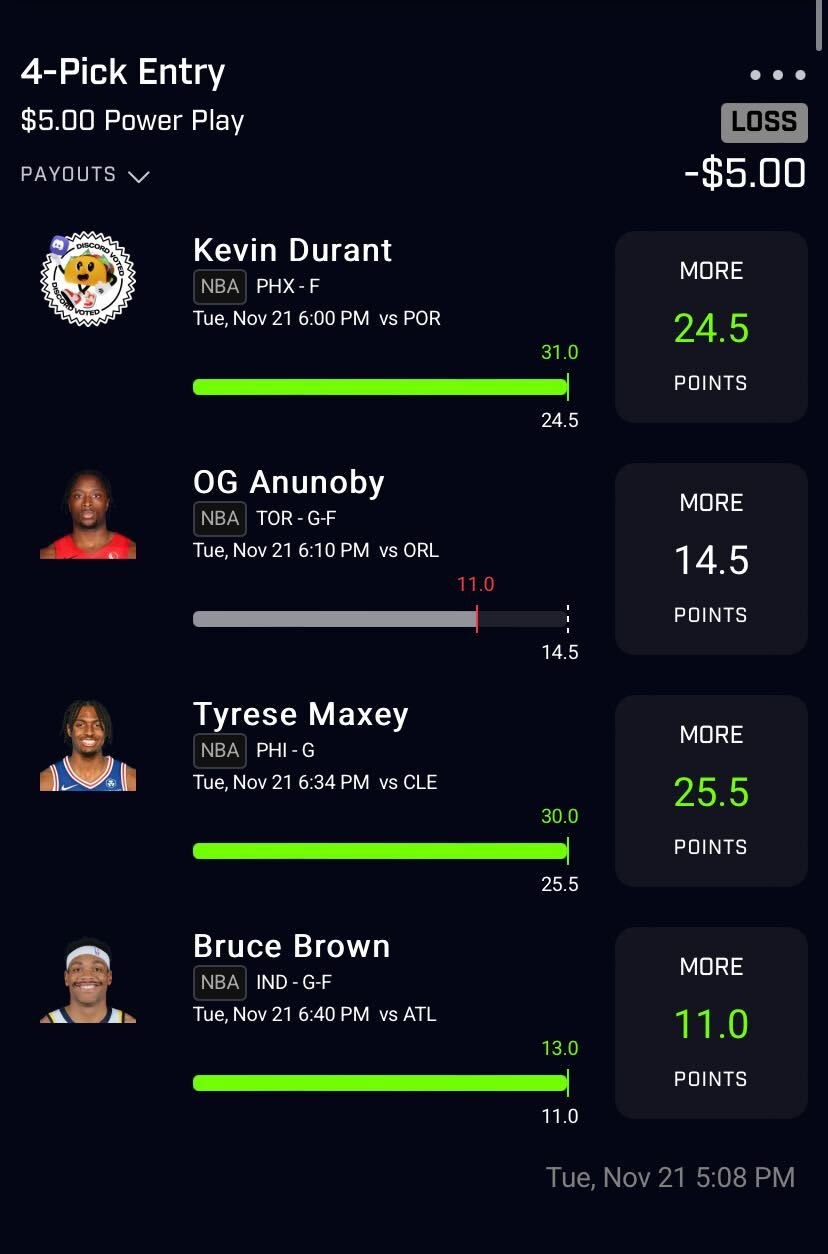
However, Prizepicks (and DFS in general) has historically argued that its contests are skill-based because users rely on their knowledge of player statistics, matchups, injuries, and game theory to make informed predictions. The platform does not involve betting against a house-set line in the same way a sportsbook does. Instead, users are essentially challenging the platform’s projected totals. This distinction is central to its claim as a legal Daily Fantasy Sports operator rather than an illegal sports betting operation in restrictive states. For individuals managing their leisure and financial decisions, understanding this nuanced difference is paramount to engaging responsibly within their lifestyle choices.
The Legal Status of Prizepicks in Alabama
The journey of Daily Fantasy Sports platforms like Prizepicks through the American legal system has been marked by a patchwork of state-level rulings, cease-and-desist orders, and legislative efforts. In Alabama, a state traditionally cautious about gambling expansion, the legal status of DFS has been particularly contentious. For residents seeking to integrate such entertainment into their lifestyle, staying informed about the current regulatory environment is essential.
Regulatory Actions and Interpretations
For several years, Daily Fantasy Sports operated in a legally ambiguous zone in Alabama. Early in DFS’s growth, some platforms withdrew from the state voluntarily or under pressure from state officials, while others continued to operate. The state’s Attorney General has, at various times, issued opinions or taken actions that signaled a skeptical view of DFS, often classifying it as illegal gambling under existing state law. The argument typically centered on the “predominance test” – whether skill or chance predominantly determined the outcome of a contest. Given Alabama’s strict anti-gambling statutes, any activity perceived to involve a significant element of chance for monetary gain faced scrutiny.
Specifically concerning platforms like Prizepicks, which feature player prop-style contests, regulatory bodies and attorneys general in several states have viewed these as too closely resembling prop bets or parlays, thus falling under sports betting regulations rather than skill-based fantasy sports exemptions. This perspective differentiates Prizepicks’ model from more traditional DFS contests where users manage virtual teams against other users. The legal interpretation in Alabama has often aligned with this more restrictive view, leading to challenges for such platforms.
Current Availability and User Experience
As of recent information, Prizepicks is not legally available for real-money play in Alabama. The platform, along with several other DFS operators employing similar player prop models, has either proactively exited the market or been compelled to cease operations in the state due to regulatory interpretations that deem their format to be outside the permissible scope of skill-based fantasy sports. This means that individuals residing in or visiting Alabama cannot legally participate in real-money contests on Prizepicks.
Attempts by users to access or play on such platforms from within Alabama are likely to be blocked by geo-location technology employed by the operators themselves, designed to ensure compliance with state-specific regulations. For those who enjoy the competitive thrill of DFS as part of their lifestyle, this unavailability restricts their choices within the state borders. It underscores the importance of verifying the legal status of any online recreational platform before attempting to engage with it, especially in states with conservative gaming laws.
Implications for [Alabama] Residents and Visitors
The legal status of platforms like Prizepicks in Alabama has direct and indirect implications for individuals managing their recreational choices and leisure budgets. For those who view DFS as an engaging pastime and a component of their lifestyle, this regulatory environment dictates what forms of entertainment are legally accessible and what responsibilities come with participation. Navigating these waters requires not just an understanding of the law but also an awareness of responsible engagement.
Navigating Recreational Choices Responsibly
For Alabama residents, the non-availability of Prizepicks means that this specific form of Daily Fantasy Sports cannot be part of their legal recreational choices within the state. Attempting to circumvent geo-location restrictions or participating through illegal means carries risks, including potential legal repercussions and loss of funds without recourse. Responsible engagement with any online platform, particularly those involving real money, always begins with confirming its legality in one’s jurisdiction. This commitment to legality is a fundamental aspect of a responsible lifestyle, ensuring that leisure pursuits are enjoyed within ethical and legal boundaries. Individuals should always prioritize platforms that are explicitly licensed or legally permitted to operate in Alabama to ensure consumer protection and legal compliance.
Furthermore, the situation in Alabama serves as a reminder that the regulatory landscape for online gaming and fantasy sports is dynamic. What might be legal in one state could be illegal in another. Thus, for frequent travelers or those who live near state borders, verifying the legality of such platforms upon crossing into a new jurisdiction is a necessary step to maintain responsible engagement with their chosen entertainment activities.

The Future of DFS in the Yellowhammer State
The future of Daily Fantasy Sports, and specifically platforms like Prizepicks, in Alabama remains subject to potential legislative changes. There have been ongoing discussions and proposals in the Alabama legislature regarding various forms of gaming, including a state lottery and the expansion of casino gaming. These discussions sometimes touch upon the broader legality of fantasy sports and online wagering. Should Alabama decide to modernize its gaming laws, either by explicitly legalizing and regulating DFS or by expanding the definition of permissible skill-based games, the status of Prizepicks and similar platforms could change.
Such changes would significantly impact the recreational lifestyle of many residents, opening up new avenues for entertainment and potentially generating tax revenue for the state. However, until such legislative action is taken, the current restrictions remain in place. For those passionate about sports and competitive fantasy play, staying abreast of political discourse and legislative efforts regarding gaming in Alabama is crucial. The evolving legal landscape will ultimately determine the scope of leisure and entertainment options available, influencing how individuals choose to engage with the vibrant world of sports and fantasy contests within their lifestyle.
LifeOutOfTheBox is a participant in the Amazon Services LLC Associates Program, an affiliate advertising program designed to provide a means for sites to earn advertising fees by advertising and linking to Amazon.com. Amazon, the Amazon logo, AmazonSupply, and the AmazonSupply logo are trademarks of Amazon.com, Inc. or its affiliates. As an Amazon Associate we earn affiliate commissions from qualifying purchases.