
The vibrant, expansive landscape of Texas conjures images of boundless horizons, rich history, and a distinct cultural identity. For millions, the Lone Star State represents freedom, opportunity, and a lifestyle that blends modern urban sophistication with rugged cowboy charm. From the bustling metropolises of Houston, Dallas, and Austin to the historic streets of San Antonio and the serene beauty of its state parks, Texas offers an unparalleled array of travel experiences, luxurious accommodations, and local tourism delights. Yet, for a growing segment of its population and curious travelers, a specific question often arises amidst discussions of entertainment and leisure: “Is PrizePicks legal in Texas?” This question delves into the evolving world of daily fantasy sports (DFS) and its intersection with state law, carrying significant implications not just for sports enthusiasts but also for the broader travel, tourism, and lifestyle sectors across the state.
The Landscape of Daily Fantasy Sports in Texas
Daily fantasy sports platforms like PrizePicks have exploded in popularity over the past decade, offering a dynamic way for sports fans to engage with their favorite games beyond traditional viewership. Unlike season-long fantasy leagues, DFS contests are typically shorter, often lasting just a day or a single game slate, and involve selecting individual players to perform well against projected statistics. PrizePicks, in particular, distinguishes itself with a unique “pick’em” style format where users predict whether an athlete will go “over” or “under” a specific statistical projection. This straightforward approach has garnered a massive following, appealing to both seasoned fantasy players and newcomers alike.
However, the legal status of DFS, and specifically platforms like PrizePicks, remains a complex and often contested issue across the United States, with individual states taking varying stances. In Texas, the situation is particularly nuanced, rooted in a fundamental legal debate: Is DFS a game of skill or a game of chance? The answer to this question dictates whether it falls under existing gambling prohibitions or operates as a legally sanctioned entertainment activity.
The Texas Attorney General’s office issued an opinion in 2016 stating that daily fantasy sports contests, as they were commonly structured at the time, constitute illegal gambling under Texas law because they are predominantly games of chance. This interpretation hinges on the argument that while skill is involved in selecting players, the ultimate outcome is significantly influenced by unpredictable factors beyond a player’s control, such as injuries, weather conditions, or unforeseen individual performances. This ruling has created a challenging environment for DFS operators, including PrizePicks, which have often had to cease or modify their operations within the state.
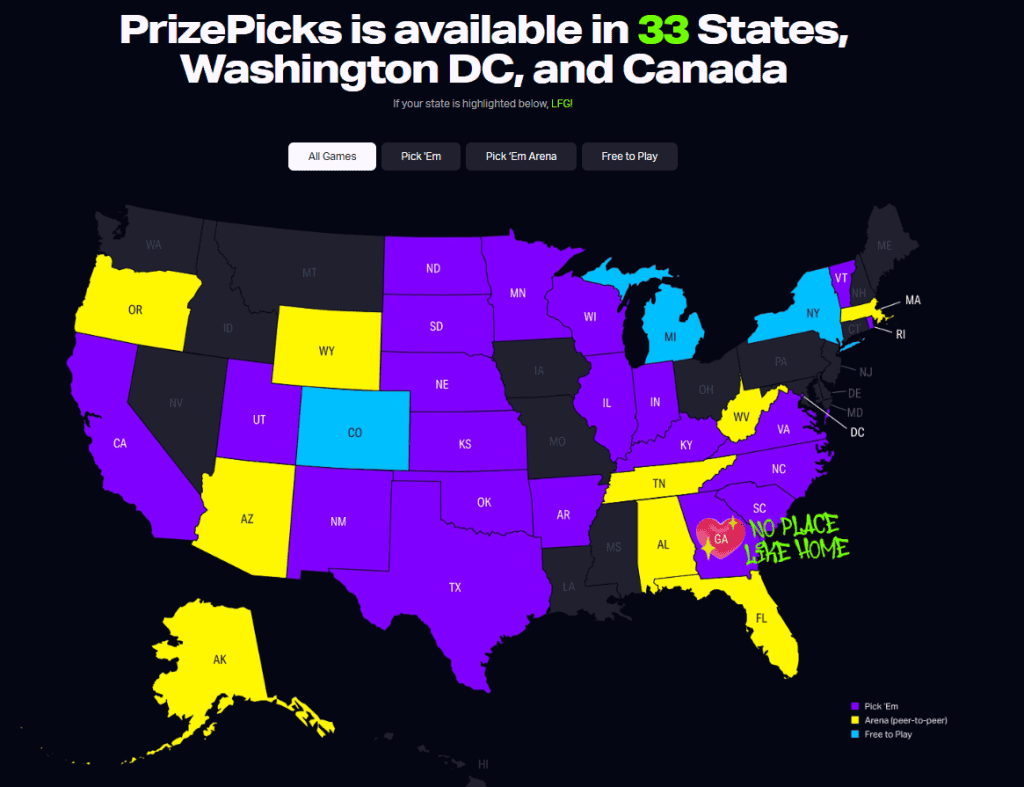
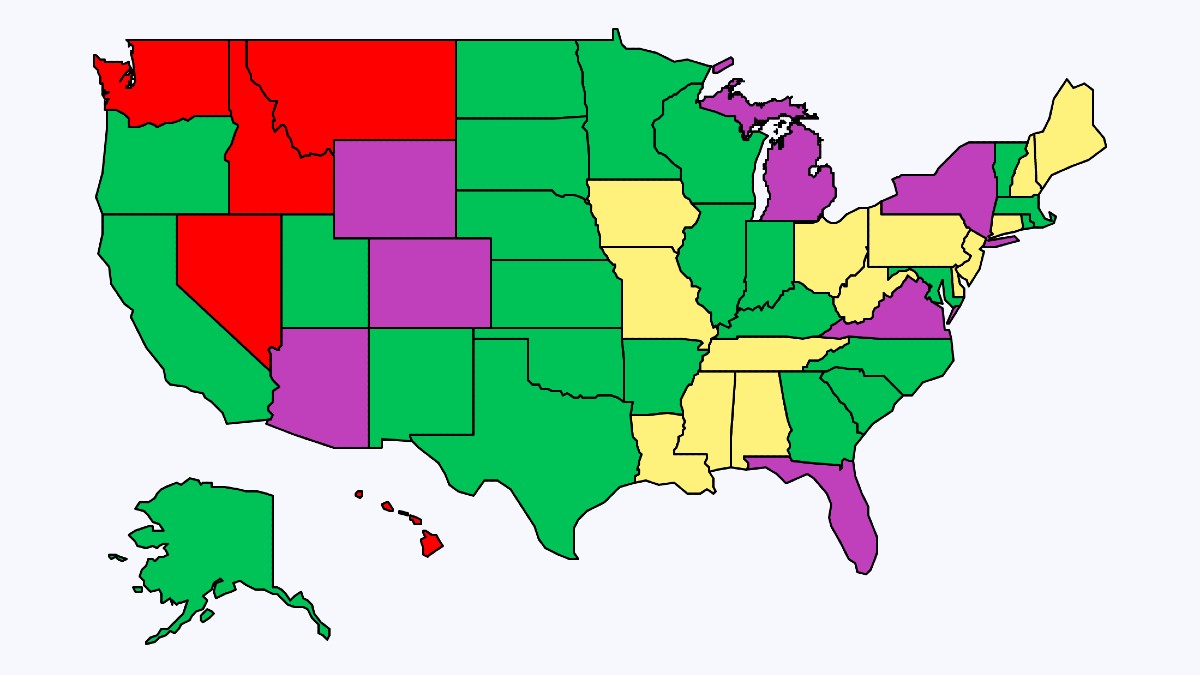
Despite ongoing legislative efforts and lobbying by the fantasy sports industry, there has been no definitive change in Texas law to explicitly legalize and regulate DFS. Consequently, for those traveling to or residing in Texas, the ability to legally participate in PrizePicks and similar platforms is currently restricted. This legal ambiguity contrasts sharply with many other states that have either expressly legalized and regulated DFS (like New York and Louisiana) or have adopted a more permissive interpretation, allowing operations to continue.
Understanding the Legal Stance: Game of Skill vs. Game of Chance
The crux of the legal debate surrounding PrizePicks and other DFS platforms in Texas lies in the distinction between a “game of skill” and a “game of chance.” In most jurisdictions, games predominantly determined by chance are classified as gambling and are subject to strict regulation or outright prohibition, while games of skill are often viewed differently. Proponents of DFS argue that successful participation requires a deep understanding of sports, player statistics, team matchups, injury reports, and strategic lineup construction—all elements of skill. They contend that the statistical analysis, research, and predictive abilities required far outweigh any element of pure chance.
However, opponents, including the Texas Attorney General, emphasize the inherent unpredictability of sports. A star player could suffer an unexpected injury, a referee’s call could alter a game’s outcome, or an unheralded player could have a career day. These unforeseen events, they argue, introduce a significant element of chance that, when coupled with a financial stake, aligns DFS more closely with traditional gambling under existing state statutes. This fundamental disagreement has created a legislative stalemate, leaving PrizePicks and similar services in a legal limbo within the state, unable to fully operate.

How Texas’s Stance Impacts Travelers and Local Enthusiasts
The current legal environment in Texas has tangible implications for both its residents and the millions of tourists who visit the state annually. For local sports enthusiasts accustomed to engaging with DFS platforms in other states, or those simply looking for an additional layer of entertainment during a game night, the inability to access PrizePicks can be a point of frustration. This limitation extends to visitors as well; a tourist from a state where DFS is legal might arrive in Texas expecting to continue their engagement, only to find geo-restrictions preventing them from doing so.
This impacts the overall “lifestyle” experience for sports-minded travelers. Imagine planning a trip to Dallas to catch a Dallas Cowboys game at AT&T Stadium, or heading to Houston for a Houston Texans matchup, staying in a luxurious hotel, dining at exquisite restaurants, and immersing oneself in the local culture. For many, part of that immersive experience involves a friendly fantasy contest or a small wager through a platform like PrizePicks. When this option is unavailable, it subtly alters the complete entertainment package.
The contrast with other major tourist destinations is stark. In places like Las Vegas, Nevada, or even states like Louisiana, where sports betting and DFS are widely legalized and regulated, visitors can seamlessly integrate these activities into their travel itineraries. This provides a distinct advantage for those destinations in attracting a demographic that values this form of entertainment. While Texas undoubtedly boasts an incredible array of attractions that far transcend sports betting, the absence of regulated DFS means it misses out on a slice of the modern entertainment economy that other states are actively cultivating.
Navigating Sports Entertainment While Traveling in Texas
Despite the current restrictions on platforms like PrizePicks, travelers to Texas still have a wealth of sports entertainment options. The state is a mecca for major league sports, hosting professional teams in football, basketball, baseball, hockey, and soccer. Attending a live game is an unforgettable experience, whether it’s the roar of the crowd at a Houston Astros game at Minute Maid Park or the electrifying atmosphere of a San Antonio Spurs game. These events are often central to travel plans, with visitors booking stays in premium hotels and resorts, exploring local culinary scenes, and discovering nearby landmarks.
For those interested in traditional fantasy sports, season-long leagues without cash prizes or informal office pools generally fall outside the scope of the Attorney General’s opinion, operating in a less ambiguous space. Furthermore, the state boasts a vibrant amateur sports scene, college athletics with passionate fan bases, and numerous outdoor activities that cater to an active lifestyle. From hiking and biking in Big Bend National Park to water sports on the Gulf Coast near Galveston, Texas offers myriad ways for travelers to engage with sports and recreation.
The Allure of Texas: Beyond the Betting Landscape
It’s crucial to contextualize the discussion about PrizePicks within the broader, magnificent tapestry of Texas tourism. The state’s appeal transcends any single form of entertainment, drawing millions with its unique blend of history, culture, and natural beauty. For example, San Antonio is home to The Alamo, a site steeped in history, and the picturesque River Walk, offering charming boat tours, al fresco dining, and unique boutique hotels. Austin, the “Live Music Capital of the World,” boasts a vibrant nightlife, renowned festivals, and a thriving food scene, along with attractions like the State Capitol and the Moody Center for concerts and sports.
Dallas and Fort Worth present a dynamic duo, offering world-class museums, upscale shopping, and the iconic Fort Worth Stockyards National Historic District, where visitors can experience cattle drives and rodeos. Houston, a global city, is a hub for space exploration at the Space Center Houston, boasts diverse culinary experiences, and offers a rich arts and culture scene. Family-friendly attractions like Six Flags Over Texas provide thrills for all ages.
The point is that while the legality of DFS is a specific aspect of the entertainment landscape, it pales in comparison to the vast wealth of experiences Texas provides. Travelers seeking luxury accommodations will find five-star resorts and boutique hotels in every major city, offering amenities from infinity pools to gourmet dining. Budget travelers can explore charming inns, vacation rentals, and campsites, ensuring that every visitor finds their perfect stay. The state’s commitment to preserving its heritage, promoting local businesses, and celebrating its unique traditions ensures a fulfilling trip, whether or not one engages with a fantasy sports app.
The Broader Lifestyle and Travel Implications
The question of DFS legality, while specific, touches upon broader trends in lifestyle and travel. Modern travelers often seek integrated experiences where entertainment, leisure, and personal interests converge. For many, participating in fantasy sports or making a small wager on a game enhances their engagement with the sport itself, transforming passive viewing into an active, strategic pursuit. When a destination offers this opportunity, it becomes more attractive to a certain demographic, influencing booking decisions for hotels, flights, and event tickets.
Consider the phenomenon of sports tourism. People travel significant distances and invest substantially in attending major sporting events, be it a Super Bowl in Houston, a Formula 1 Grand Prix in Austin, or a collegiate championship. These trips involve extensive planning: securing accommodation from luxury suites to family-friendly apartments, booking flights, exploring local dining, and visiting nearby landmarks. For a segment of these travelers, the availability of platforms like PrizePicks could be an added perk, making their sports-centric travel even more exciting. It’s about creating a holistic entertainment ecosystem around sports.
Exploring Texas’s Premier Sports Venues and Hospitality
Texas’s investment in world-class sports venues is a testament to its passion for athletics. From the iconic AT&T Stadium in Arlington to the state-of-the-art Moody Center on the University of Texas campus in Austin, these facilities are not just arenas but major attractions in themselves. They host not only professional games but also concerts, conventions, and other large-scale events, driving significant tourism. Surrounding these venues, a robust hospitality industry thrives, with hotels ranging from luxurious resorts offering spa services and fine dining to more budget-friendly options catering to families and groups of friends.
These establishments are central to the travel experience, providing comfortable accommodation, easy access to event locations, and often offering bespoke packages for game days. Many hotels in Dallas, Houston, and Austin are designed to cater to both business travelers and leisure guests, blending sophisticated design with convenient amenities. For example, a stay at a Grand Hyatt or Marriott Marquis near a major sports complex can elevate a game-day trip into a full luxury travel experience. The absence of certain digital entertainment options, while not a deal-breaker for most, does mean these hospitality providers cannot fully capitalize on every potential revenue stream or guest preference.
Planning Your Texas Getaway: Beyond the Game
Regardless of the DFS situation, planning a trip to Texas is about crafting an experience that resonates with your personal lifestyle and interests. For those who prioritize culture, Texas offers an incredible array of museums, historical sites, and vibrant arts districts. Foodies will revel in the diverse culinary scene, from authentic Tex-Mex and barbecue to international gourmet dining. Adventure seekers can explore the rugged beauty of the Hill Country, go caving, or enjoy water sports on one of the many lakes.
Accommodation options are equally varied. Whether you’re seeking a romantic weekend in a boutique hotel in Fredericksburg, a family-friendly resort with extensive amenities in San Antonio, or a cozy vacation rental near a state park, Texas delivers. The sheer scale and diversity of the state mean that every type of traveler, from those on a tight budget to those seeking the ultimate in luxury travel, can find their ideal destination and experience. The focus remains on celebrating the unique spirit and vast offerings of the Lone Star State.
The Future of PrizePicks and DFS in the Lone Star State
The legislative debate surrounding DFS in Texas is far from over. Proponents of legalization continue to lobby lawmakers, emphasizing the economic benefits, consumer protections, and responsible gaming measures that regulated markets can offer. They point to the millions of dollars in tax revenue generated by DFS and sports betting in other states, funds that could be directed towards education, infrastructure, or other public services within Texas. Furthermore, the industry argues that a regulated market would provide a safer environment for consumers than unregulated offshore sites.
Each legislative session sees bills introduced to clarify the legal status of DFS, sometimes proposing a framework for licensing and taxation. While these efforts have yet to succeed, the landscape is constantly shifting. The increasing acceptance of sports betting and fantasy sports nationwide, coupled with the growing sophistication of these platforms (including “pick’em” style games like PrizePicks that some argue are more skill-based), suggests that the debate will continue with renewed vigor. The eventual legalization and regulation of DFS could be a matter of “when,” not “if,” though predicting the exact timeline remains challenging.
What Legalization Could Mean for Texas Tourism and Accommodation
Should PrizePicks and similar DFS platforms become legal and regulated in Texas, the impact on the state’s tourism and accommodation sectors could be significant. Firstly, it would align Texas with a growing number of states that offer this form of entertainment, potentially attracting a demographic of travelers who specifically seek destinations with robust digital sports entertainment options. This could lead to an uptick in visitors, particularly during major sporting events, who are looking to enhance their travel experience with DFS engagement.
Hotels and resorts could potentially partner with DFS operators, offering themed packages or creating dedicated sports lounges where guests can participate in contests in a social setting. This could add a new dimension to their amenities, making them more attractive to sports fans. The integration of DFS into the travel experience could also stimulate local economies, as increased tourism leads to greater spending on dining, shopping, and other attractions. Furthermore, the tax revenue generated from a regulated DFS market could be reinvested into public services or even further enhance Texas’s tourism infrastructure, creating a virtuous cycle of growth and appeal. It would mark a definitive step towards fully embracing the modern digital entertainment landscape within the state’s vibrant tourism offerings.
In conclusion, while the question “Is PrizePicks legal in Texas?” currently yields a restrictive answer due to the state’s interpretation of gambling laws, the broader narrative of Texas as a premier travel destination remains unchanged. The state continues to offer an extraordinary wealth of experiences, from luxurious hotel stays and world-class dining to iconic landmarks and unparalleled natural beauty. For sports enthusiasts, the thrill of live games and vibrant fan culture is ever-present, even as the digital fantasy sports landscape awaits further legislative clarity. As discussions evolve, the potential for Texas to integrate platforms like PrizePicks into its entertainment offerings holds promise, further enriching the lifestyle and travel options available in this truly grand state.
LifeOutOfTheBox is a participant in the Amazon Services LLC Associates Program, an affiliate advertising program designed to provide a means for sites to earn advertising fees by advertising and linking to Amazon.com. Amazon, the Amazon logo, AmazonSupply, and the AmazonSupply logo are trademarks of Amazon.com, Inc. or its affiliates. As an Amazon Associate we earn affiliate commissions from qualifying purchases.