
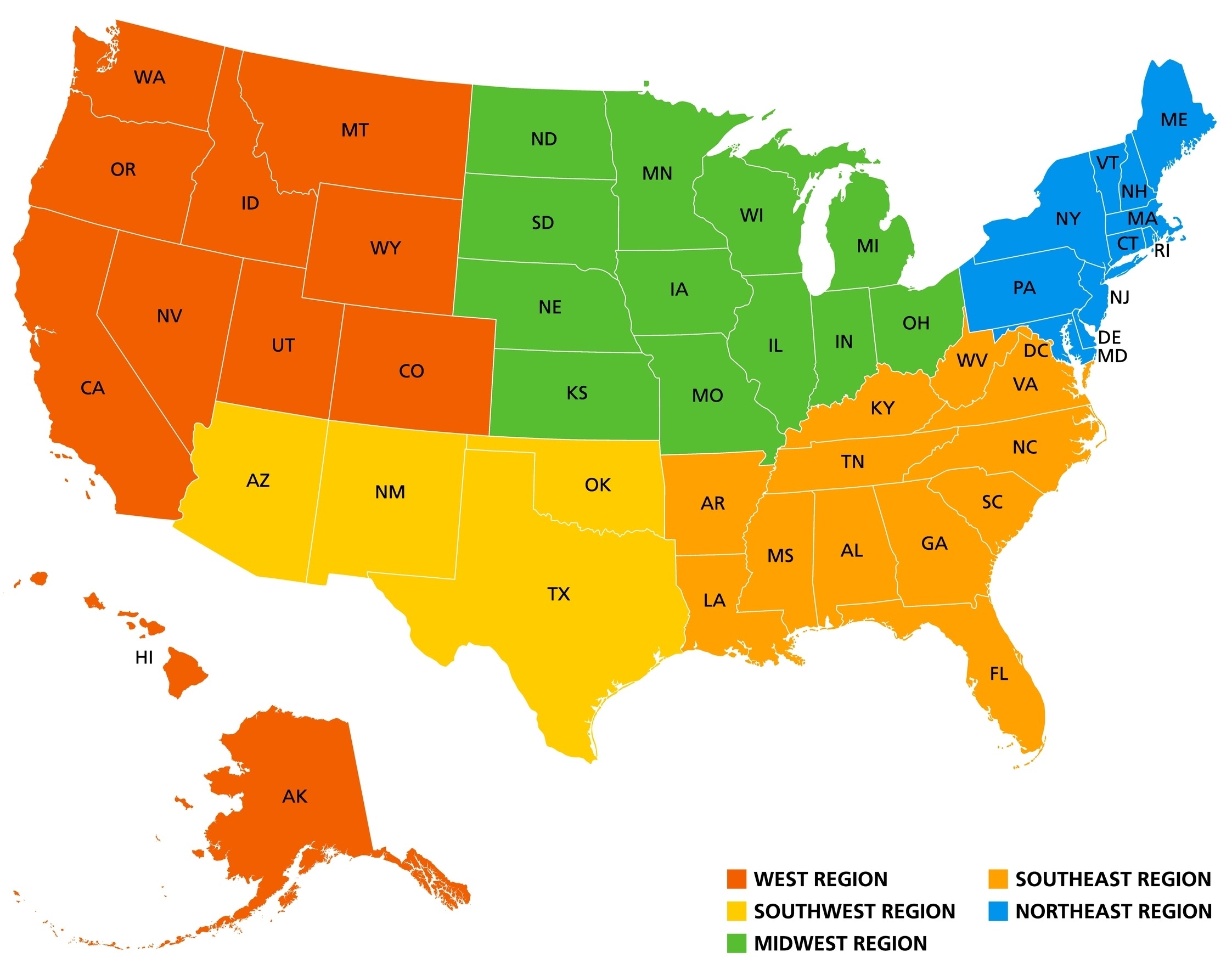
Oklahoma, often dubbed the “Sooner State,” occupies a distinctive place on the map of the United States. Its geographical position is not easily confined to a single, universally accepted region, making it a captivating subject for travelers, geographers, and anyone curious about America’s diverse landscapes and cultures. Straddling multiple prominent American regions, Oklahoma acts as a unique crossroads, blending the rugged charm of the Southwest, the expansive vistas of the Great Plains, and the lush green of the South. This multifaceted identity contributes to its rich tapestry of history, a vibrant culture, and an astonishing variety of natural attractions that beckon visitors seeking authentic travel experiences.
Far from being a uniform state, Oklahoma’s identity is defined by its transitional nature. Its climate ranges from semi-arid in the west to humid subtropical in the east, influencing everything from its agriculture to its architecture. Its history is deeply intertwined with that of Native American tribes and the American frontier, leaving an indelible mark on its towns, museums, and traditions. For those planning a visit, understanding this complex regional identity is key to unlocking the state’s full potential as a travel destination, offering everything from bustling city life and historical landmarks to serene natural escapes and adventurous outdoor activities.
Oklahoma’s Unique Geographical Identity: A Crossroads of Regions
Pinpointing Oklahoma’s exact regional classification can be a delightful challenge, as it truly embodies a convergence of several major American geographical and cultural zones. This unique position is not merely academic; it profoundly shapes the state’s diverse landscapes, its people, and the experiences it offers to visitors.
The American Southwest: A Primary Affiliation
For many, Oklahoma’s strongest regional ties are with the American Southwest. This association is palpable in the state’s western half, where the climate tends to be drier, the terrain more rugged, and the cultural influences lean heavily towards cowboy heritage and Native American traditions. Much like neighboring states such as Arizona, New Mexico, and Texas, Oklahoma showcases dramatic sunsets, red rock formations, and a distinct Western ethos. The Oklahoma Panhandle, for instance, shares the high desert characteristics of the Southwest, including the state’s highest point, Black Mesa. This regional connection is also evident in the prevalence of ranching, the culinary landscape featuring robust barbecue and Tex-Mex flavors, and the strong presence of various Native American nations, many of whom have long historical ties to the wider Southwest and Plains regions.
Bridging the Great Plains
Moving into central and western Oklahoma, the state seamlessly transitions into the vast expanse of the Great Plains. This connection is particularly strong with states like Kansas and Nebraska. Here, the landscape flattens into rolling prairies, endless horizons, and fertile agricultural lands. The history of the cattle drives, the pioneering spirit of homesteaders, and the iconic imagery of wind-swept grasslands are all hallmarks of Oklahoma’s Plains identity. This region supports extensive wheat farming and cattle ranching, contributing significantly to the state’s economy and shaping the lifestyle of its inhabitants. The stark beauty and wide-open spaces offer a different kind of grandeur compared to the more mountainous eastern parts.
Southern Influences and the Upland South
The eastern part of Oklahoma reveals a pronounced Southern character, particularly aligning with the Upland South. This area shares geological, climatic, and cultural traits with states like Arkansas and Missouri. Visitors will find lush, forested hills, a more humid climate, and a landscape dotted with numerous lakes and rivers. The Ouachita Mountains and the Ozark Plateau extend into eastern Oklahoma, offering dense woodlands, scenic drives, and a plethora of outdoor recreational opportunities reminiscent of the Deep South. Historically, this region was also the destination for many Native American tribes during the Trail of Tears, further cementing its unique Southern and Native American cultural blend. The accent, cuisine (think fried chicken, catfish, and collard greens), and hospitality in this part of the state often echo those found further east in the traditional South.
A Tapestry of Landscapes: Exploring Oklahoma’s Diverse Ecoregions
Oklahoma’s unique geographical position has blessed it with an incredibly diverse landscape, transitioning through eleven distinct ecoregions. This natural variety is a major draw for travelers seeking everything from rugged mountain adventures to serene lakeside retreats.
From Prairies to Mountains: A Scenic Overview
The state’s topography is a fascinating mosaic. In the west, particularly the Panhandle, lie the flat, high plains that are an extension of the Great Plains. Moving eastward, the landscape gradually shifts to rolling prairies and then into the forested hills and low mountain ranges of the east. The Ouachita Mountains in southeastern Oklahoma offer dramatic peaks, deep valleys, and extensive pine and hardwood forests, creating an ideal environment for hiking, camping, and scenic drives like the Talimena Scenic Drive. Further north, the Ozark Plateau provides similar lush, hilly terrain, characterized by clear springs and dense woodlands.
In the southwest, the ancient Wichita Mountains Wildlife Refuge stands as a testament to the state’s geological history, featuring granite peaks, mixed-grass prairie, and a thriving population of bison and longhorn cattle. The Arbuckle Mountains, a much older and eroded range, host unique geological features and attractions like Turner Falls Park, Oklahoma’s tallest waterfall. The Cross Timbers region, a transitional zone of blackjack oak and post oak woodlands, further adds to the state’s scenic diversity, providing a blend of forest and prairie environments.
Rivers, Lakes, and Water Activities
Despite being landlocked, Oklahoma boasts more man-made lakes than any other state, earning it the nickname “Lake State.” These numerous bodies of water, along with its major rivers, provide abundant opportunities for aquatic recreation. The Red River forms much of Oklahoma’s southern border with Texas, while the Arkansas River flows through the eastern part of the state.
Popular lakes include Lake Texoma, a massive reservoir offering excellent fishing, boating, and watersports, and Grand Lake O’ the Cherokees, known for its resort amenities and vibrant summer scene. Broken Bow Lake, nestled in the Ouachita Mountains near Beavers Bend State Park, is renowned for its clear waters and picturesque surroundings, perfect for cabin rentals, kayaking, and hiking. Other notable lakes like Lake Eufaula, the largest lake entirely within Oklahoma, and Lake Murray further enhance the state’s appeal for water enthusiasts, offering diverse settings for relaxation and adventure.

Delving into Oklahoma’s Rich History and Vibrant Culture
Oklahoma’s history is as layered and diverse as its landscape, a compelling narrative woven from the threads of Native American resilience, pioneer courage, and modern development. This deep heritage profoundly shapes its culture, reflected in its art, music, cuisine, and festivals.
Native American Heritage: A Storied Past
Central to Oklahoma’s identity is its profound Native American heritage. The state was famously designated “Indian Territory” in the 19th century, serving as the forced relocation site for numerous tribes from the southeastern United States along the tragic Trail of Tears. Today, Oklahoma is home to 39 federally recognized tribes, including the Cherokee, Choctaw, Chickasaw, Creek, and Seminole Nations, each maintaining distinct languages, traditions, and governments.
This rich cultural legacy is celebrated and preserved throughout the state. The First Americans Museum in Oklahoma City offers a powerful and immersive journey through the history and cultures of Oklahoma’s 39 tribal nations. The Chickasaw Cultural Center in Sulphur provides an in-depth look at the history, culture, and traditions of the Chickasaw Nation. The Cherokee Heritage Center near Tahlequah offers living history exhibits, a museum, and an ancient village depicting the life of the Cherokee people. These institutions, along with countless powwows, festivals, and community events, offer invaluable insights into the enduring legacy and vibrant contemporary life of Native American communities in Oklahoma.

Pioneer Spirit and Cowboy Culture
Beyond its Native American roots, Oklahoma is synonymous with the American frontier and the pioneer spirit. The late 19th-century land runs, particularly the Oklahoma Land Run of 1889, dramatically reshaped the territory, bringing a surge of settlers eager to claim their stake. This era is commemorated in various historical sites and museums, showcasing the tenacity and resilience of those who built new lives in a rapidly developing frontier.
The cowboy culture, deeply embedded in the state’s Western identity, also thrives. Cattle drives, rodeos, and working ranches are still a part of Oklahoma’s fabric. The National Cowboy & Western Heritage Museum in Oklahoma City is a world-class institution dedicated to preserving and interpreting the history of the American West, from its art and artifacts to the stories of cowboys, Native Americans, and pioneers. Visitors can immerse themselves in this iconic aspect of American history, from traditional cowboy gear to vast collections of Western art.
Oklahoma’s Modern Cities and Their Charms
While its historical roots are strong, Oklahoma also boasts vibrant, modern cities that serve as cultural and economic hubs.
- Oklahoma City: The state capital and largest city, Oklahoma City, offers a blend of Western heritage and contemporary urban attractions. The revitalized Bricktown Entertainment District, with its canals, restaurants, and nightlife, is a popular destination. The profoundly moving Oklahoma City National Memorial & Museum stands as a testament to resilience and remembrance. Other attractions include the Myriad Botanical Gardens, the adventurous Riversport Rapids, and various museums.
- Tulsa: Located in northeastern Oklahoma, Tulsa is famed for its stunning Art Deco architecture and rich cultural scene. Home to the world-renowned Philbrook Museum of Art and the Gilcrease Museum, Tulsa also boasts The Gathering Place, an award-winning public park, and a lively downtown entertainment district.
- Norman: South of Oklahoma City, Norman is primarily known as the home of the University of Oklahoma, a major academic and research institution. Its campus features attractions like the Sam Noble Oklahoma Museum of Natural History and a vibrant college town atmosphere.
- Broken Bow: Nestled in the southeastern part of the state, Broken Bow is a gateway to the natural beauty of Beavers Bend State Park and Broken Bow Lake, offering a different kind of charm focused on outdoor recreation and cozy cabin stays.
Unforgettable Experiences: Top Attractions and Activities in Oklahoma
Whether you’re an avid history buff, an outdoor enthusiast, or a family looking for fun, Oklahoma presents a wealth of attractions and activities designed to create lasting memories. Its regional diversity translates into an equally diverse array of experiences.
Must-Visit Landmarks and Museums
Oklahoma’s rich history and culture are beautifully encapsulated in its many museums and historical sites:
- Oklahoma City National Memorial & Museum: A poignant and essential visit, this site honors the victims, survivors, and rescuers of the 1995 bombing, offering a powerful message of hope and resilience.
- National Cowboy & Western Heritage Museum: Explore the legacy of the American West through art, artifacts, and interactive exhibits in Oklahoma City.
- First Americans Museum: Immerse yourself in the collective histories and cultures of the 39 tribal nations present in Oklahoma.
- Philbrook Museum of Art: Located in Tulsa, this museum is housed in a stunning Art Deco villa set within 25 acres of formal gardens, featuring diverse art collections.
- Route 66: Oklahoma boasts the longest drivable stretch of historic Route 66, dotted with quirky roadside attractions, classic diners, and museums like the Oklahoma Route 66 Museum in Clinton.
- Spiro Mounds Archaeological Center: Near Spiro, this site is one of the most important Native American archaeological sites in the United States, once a powerful religious and political center.
- Heavener Runestone Park: In eastern Oklahoma, this park features intriguing runestones with markings possibly left by Norse explorers.
Outdoor Adventures and Natural Escapes
For those craving the outdoors, Oklahoma’s diverse ecoregions provide a playground for all seasons:
- Hiking and Backpacking: Explore trails in the Ouachita Mountains at Beavers Bend State Park, discover ancient formations in the Wichita Mountains Wildlife Refuge, or scale the cliffs at Robbers Cave State Park, a historic hideout for outlaws.
- Water Sports: With over 200 lakes, fishing, boating, kayaking, and paddleboarding are immensely popular. Lake Texoma and Grand Lake O’ the Cherokees are prime destinations for fishing and lively recreational activities, while Broken Bow Lake offers serene waters for relaxation.
- Camping and RV Parks: Numerous state parks and private campgrounds provide options for tent camping, RV hookups, and cabins, allowing travelers to immerse themselves in nature.
- Wildlife Viewing: The Wichita Mountains Wildlife Refuge is an excellent place to spot bison, elk, and longhorn cattle in their natural habitat.
Festivals, Food, and Local Culture
Oklahoma’s calendar is packed with events celebrating its unique cultural blend:
- Native American Powwows: Experience the vibrant dances, music, and regalia at powwows held by various tribes throughout the year.
- Rodeos and Western Events: From professional rodeos to local roundups, the cowboy spirit is alive and well.
- Music Festivals: Oklahoma has a rich musical heritage, from country and folk to rock, with festivals celebrating diverse genres.
- Culinary Delights: Savor Oklahoma’s comfort food scene, featuring renowned barbecue, chicken-fried steak, fried onion burgers, and a growing farm-to-table movement in its cities. Don’t forget to try traditional Native American dishes like frybread.
- State Fairs and County Fairs: These events offer a quintessential American experience with carnival rides, agricultural exhibits, live entertainment, and delicious fair food.
Planning Your Oklahoma Journey: Practical Tips and Accommodation
Embarking on an Oklahoma adventure requires a bit of planning, but the rewards are immense. Considering the state’s diverse offerings, from natural wonders to urban attractions, the right preparation will enhance your travel experience.
Best Times to Visit and Getting Around
The ideal times to visit Oklahoma are during the spring (April to June) and fall (September to November). These seasons offer mild temperatures, beautiful foliage, and are perfect for outdoor activities and exploring cities. Summers can be hot and humid, especially in the east, while winters are generally mild but can experience cold snaps and occasional ice storms.
Due to its vast landscapes and often rural attractions, having a car is highly recommended for exploring Oklahoma. Major interstates like I-35 (north-south) and I-40 (east-west) traverse the state, making travel between cities relatively easy. For scenic routes and access to smaller towns and state parks, a detailed map or GPS is invaluable. Oklahoma City and Tulsa both have international airports (Will Rogers World Airport in Oklahoma City and Tulsa International Airport) serving as convenient entry points.
Accommodation Options for Every Traveler
Oklahoma’s accommodation landscape caters to all preferences and budgets, from luxury resorts to rustic cabins and everything in between.
- Hotels: Major cities like Oklahoma City and Tulsa offer a wide range of hotels, including boutique options in historic districts (e.g., Ambassador Hotel Oklahoma City), upscale chains (e.g., Skirvin Hilton Oklahoma City), and budget-friendly choices. For longer stays or family trips, suites with kitchenettes are readily available.
- Resorts: For those seeking relaxation and amenities, resorts are often found near Oklahoma’s larger lakes. Lake Texoma Resort and those around Grand Lake O’ the Cherokees offer golf courses, spas, and water access.
- Cabins and Vacation Rentals: In areas like Broken Bow and Beavers Bend State Park, luxury cabins are a hugely popular choice, providing a private and immersive nature experience, complete with hot tubs and fully equipped kitchens. These are perfect for families or groups.
- RV Parks and Campgrounds: State parks and private facilities offer excellent options for RV travelers and campers, often featuring amenities like hookups, showers, and proximity to natural attractions.
- Unique Stays: Explore bed and breakfasts in historic towns, charming inns, or even glamping sites for a memorable and distinctive stay.
Booking in advance, especially for popular areas like Broken Bow or during peak season, is highly recommended to secure your preferred accommodation.
Essential Travel Tips
- Pack for Variety: Given Oklahoma’s diverse climate, pack layers. Comfortable walking shoes are a must, especially if you plan to explore cities or hike. Sunscreen and insect repellent are advisable for outdoor activities.
- Local Etiquette: Oklahomans are generally known for their friendly, hospitable nature. A polite demeanor and a “thank you” go a long way.
- Safety: Like any travel destination, it’s wise to be aware of your surroundings, especially in unfamiliar areas. When hiking or exploring remote natural areas, inform someone of your plans and carry sufficient water. Be mindful of severe weather, particularly during spring tornado season, and know how to access local weather alerts.
- Explore Local Cuisine: Don’t miss out on trying local specialties. From classic diners to sophisticated urban eateries, Oklahoma’s food scene is a delightful discovery.
In conclusion, Oklahoma’s regional identity is wonderfully complex and dynamic. It is a state that defies easy categorization, drawing elements from the Southwest, the Great Plains, and the South to forge a truly unique character. This blend manifests in its varied landscapes, its deep historical roots, its vibrant cultural expressions, and the sheer abundance of activities available to visitors. Whether you’re drawn by the echoes of the Trail of Tears, the thrill of a Route 66 road trip, the tranquility of a lakeside cabin, or the urban energy of Oklahoma City and Tulsa, Oklahoma promises an enriching and unforgettable travel experience. It’s a place where history lives, nature thrives, and hospitality abounds, making it a truly exceptional destination that continues to surprise and delight.
LifeOutOfTheBox is a participant in the Amazon Services LLC Associates Program, an affiliate advertising program designed to provide a means for sites to earn advertising fees by advertising and linking to Amazon.com. Amazon, the Amazon logo, AmazonSupply, and the AmazonSupply logo are trademarks of Amazon.com, Inc. or its affiliates. As an Amazon Associate we earn affiliate commissions from qualifying purchases.