
Navigating the Complex Political Status of a Caribbean Gem
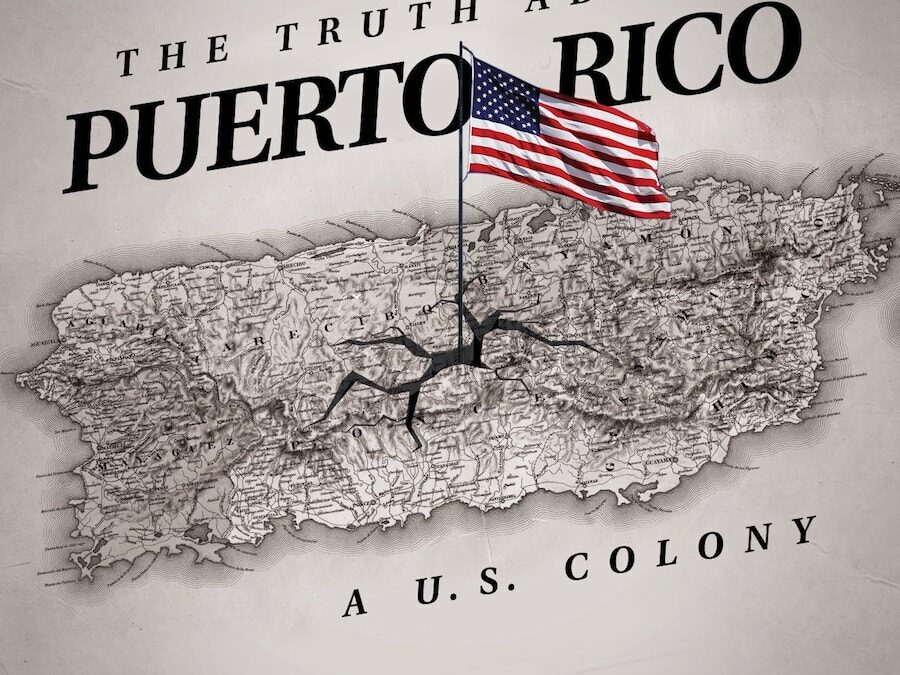
The question of Puerto Rico being a colony is not merely an academic debate; it is a matter that deeply impacts the island’s identity, economy, and the daily lives of its nearly 3.2 million residents. Understanding the nuances of this political status is crucial for any visitor seeking to grasp the true essence of this vibrant Caribbean nation, beyond its sun-drenched beaches and rich cultural tapestry. While it functions as a U.S. territory, the historical and ongoing relationship between Puerto Rico and the United States is fraught with complexities that often lead to the characterization of its status as colonial.

Historical Roots of the Relationship
The entanglement began in 1898, following the Spanish-American War. Spain ceded Puerto Rico, along with Cuba and Guam, to the United States under the Treaty of Paris. Initially, Puerto Rico was governed by military rule, a clear hallmark of colonial administration. In 1900, the U.S. Congress passed the Foraker Act, establishing a civilian government but firmly placing it under congressional authority. This act declared Puerto Rico an unincorporated territory, meaning that the U.S. Constitution did not automatically apply in its entirety.
The island’s inhabitants were granted U.S. citizenship in 1917 with the passage of the Jones-Shafroth Act. This move, while seemingly granting a significant right, did little to alter the fundamental power dynamic. Puerto Ricans are subject to U.S. federal laws, can serve in the U.S. military, and can travel freely to the mainland, but they cannot vote in U.S. presidential elections and have no voting representation in the U.S. Congress. Their elected representative in the House of Representatives, known as the Resident Commissioner, can speak and introduce legislation but cannot vote on the final passage of bills. This lack of full political participation is a significant point of contention and fuels the argument for a colonial status.
The concept of an “unincorporated territory” itself has been interpreted by many as a legal framework designed to maintain control without granting full rights or statehood. This status implies that the territory belongs to the United States but is not an integral part of it, allowing Congress to dictate the terms of governance and application of federal laws. This has led to disparities in federal funding, particularly in critical areas like healthcare and disaster relief, compared to U.S. states. For instance, the unequal allocation of Medicare and Medicaid funds has been a persistent issue, impacting the quality of healthcare services available to Puerto Ricans.
Economic Realities and Colonial Dependence
The economic relationship between Puerto Rico and the United States further complicates the discussion of its political status. For decades, Puerto Rico benefited from Section 936 of the U.S. Internal Revenue Code, which provided significant tax incentives for American companies to establish manufacturing operations on the island. This led to a period of industrial growth and a certain level of economic prosperity. However, the repeal of Section 936 in 1996, a decision made by the U.S. Congress, had a devastating impact on the Puerto Rican economy, leading to widespread business closures and job losses.
The subsequent economic downturn contributed significantly to the island’s mounting debt crisis. In 2016, the U.S. Congress passed the Puerto Rico Oversight, Management, and Economic Stability Act (PROMESA), which imposed a federally appointed oversight board to manage the island’s finances and restructure its debt. Critics argue that PROMESA further erodes Puerto Rico’s self-governance, effectively placing it under external financial control, a characteristic often associated with colonial administrations.
The island’s economy remains heavily reliant on federal funding and trade with the United States. While efforts are underway to diversify the economy and promote local entrepreneurship, the legacy of past economic policies and the ongoing fiscal challenges continue to shape its trajectory. The absence of full control over its economic policies, coupled with its dependence on decisions made in Washington D.C., leads many to view the economic situation as a form of neo-colonialism.
The Debate Over Statehood, Independence, and Commonwealth
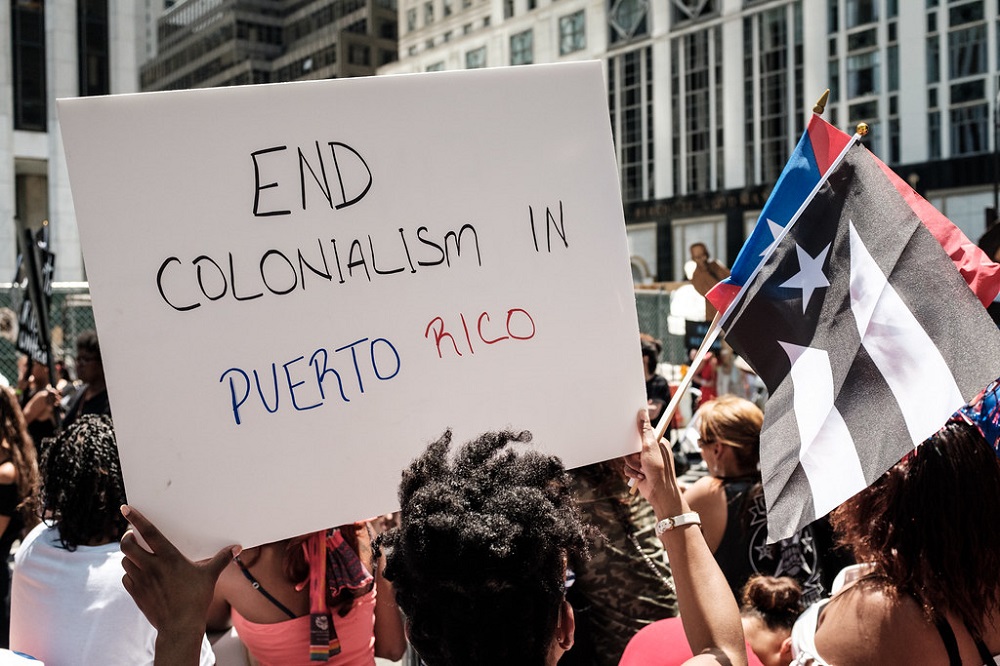
The question of Puerto Rico’s political future has been a subject of continuous debate and multiple referendums. The primary options on the table are statehood, independence, or maintaining the current commonwealth status, sometimes referred to as a free associated state. Each option carries its own set of implications, and the path forward remains uncertain.
Statehood
Proponents of statehood argue that it would grant Puerto Ricans full political rights and equal footing with other U.S. citizens. It would mean representation in Congress with voting rights, eligibility for full federal funding, and the ability to vote for the U.S. president. However, statehood would also mean increased federal taxes, which many residents fear would strain an already struggling economy. The transition would also require significant adjustments to the island’s infrastructure and legal systems.
Independence
Those who advocate for independence envision a sovereign Puerto Rico, free from U.S. political control. This path would allow the island to forge its own foreign policy, establish independent trade agreements, and fully control its economic destiny. However, independence would also mean losing U.S. citizenship, potentially impacting travel and economic ties, and would necessitate building a new nation from the ground up, facing significant economic and logistical challenges.
Commonwealth Status (Free Associated State)
The current status, often favored by a significant portion of the population, seeks to maintain a close relationship with the United States while retaining a degree of autonomy. However, the definition and benefits of this status have been contentious. Critics argue that the current commonwealth status is inherently unequal and perpetuates the colonial dynamic, as it offers limited self-governance without full political representation or economic parity. The desire for a more robust or redefined associated free state status remains a significant viewpoint.
Multiple referendums have been held on the island, with varying results and levels of engagement. However, none have definitively settled the question due to complexities in the voting processes, political divisions, and the ultimate authority of the U.S. Congress to enact any change in status.
Cultural Identity and the Colonial Experience
Beyond the political and economic facets, the question of Puerto Rico as a colony also touches upon its rich cultural identity. Puerto Rican culture is a vibrant blend of Taíno, Spanish, and African influences, with a strong sense of national pride and distinctiveness. The Spanish language, for instance, remains the primary language of instruction and daily life, despite being a U.S. territory.
The ongoing debate over its political status often forces Puerto Ricans to confront questions about their national identity and their relationship with the United States. While many identify as Americans, they also fiercely protect their unique heritage. The struggle for self-determination is intrinsically linked to the preservation and promotion of their culture, a struggle that has echoed throughout the island’s history since the cession of 1898.
Ultimately, the question of whether Puerto Rico is a colony is not easily answered with a simple yes or no. It is a complex interplay of historical context, legal frameworks, economic realities, and political aspirations. For visitors, understanding this nuanced relationship provides a deeper appreciation for the island’s resilience, its cultural richness, and the ongoing journey of its people towards defining their own future. The vibrant spirit of Puerto Rico, evident in its music, dance, festivals like the San Sebastián Street Festival, and its culinary delights, thrives despite, and perhaps because of, the enduring questions surrounding its political identity.
LifeOutOfTheBox is a participant in the Amazon Services LLC Associates Program, an affiliate advertising program designed to provide a means for sites to earn advertising fees by advertising and linking to Amazon.com. Amazon, the Amazon logo, AmazonSupply, and the AmazonSupply logo are trademarks of Amazon.com, Inc. or its affiliates. As an Amazon Associate we earn affiliate commissions from qualifying purchases.