
The question of whether Puerto Rico is a “poor country” is complex, evoking multifaceted discussions that extend beyond simple economic indicators. As a territory of the United States, its political status significantly shapes its economic landscape, intertwining it with American policies and challenges. Understanding Puerto Rico’s economic realities requires examining its GDP, poverty rates, employment figures, and the persistent impact of its colonial relationship. While the island boasts vibrant tourism and a rich cultural heritage, it grapples with substantial socioeconomic issues that warrant a nuanced perspective.
Economic Indicators and Challenges
Examining key economic metrics provides a quantitative lens through which to assess Puerto Rico’s financial standing. These indicators, while crucial, must be contextualized within the island’s unique political and historical framework.
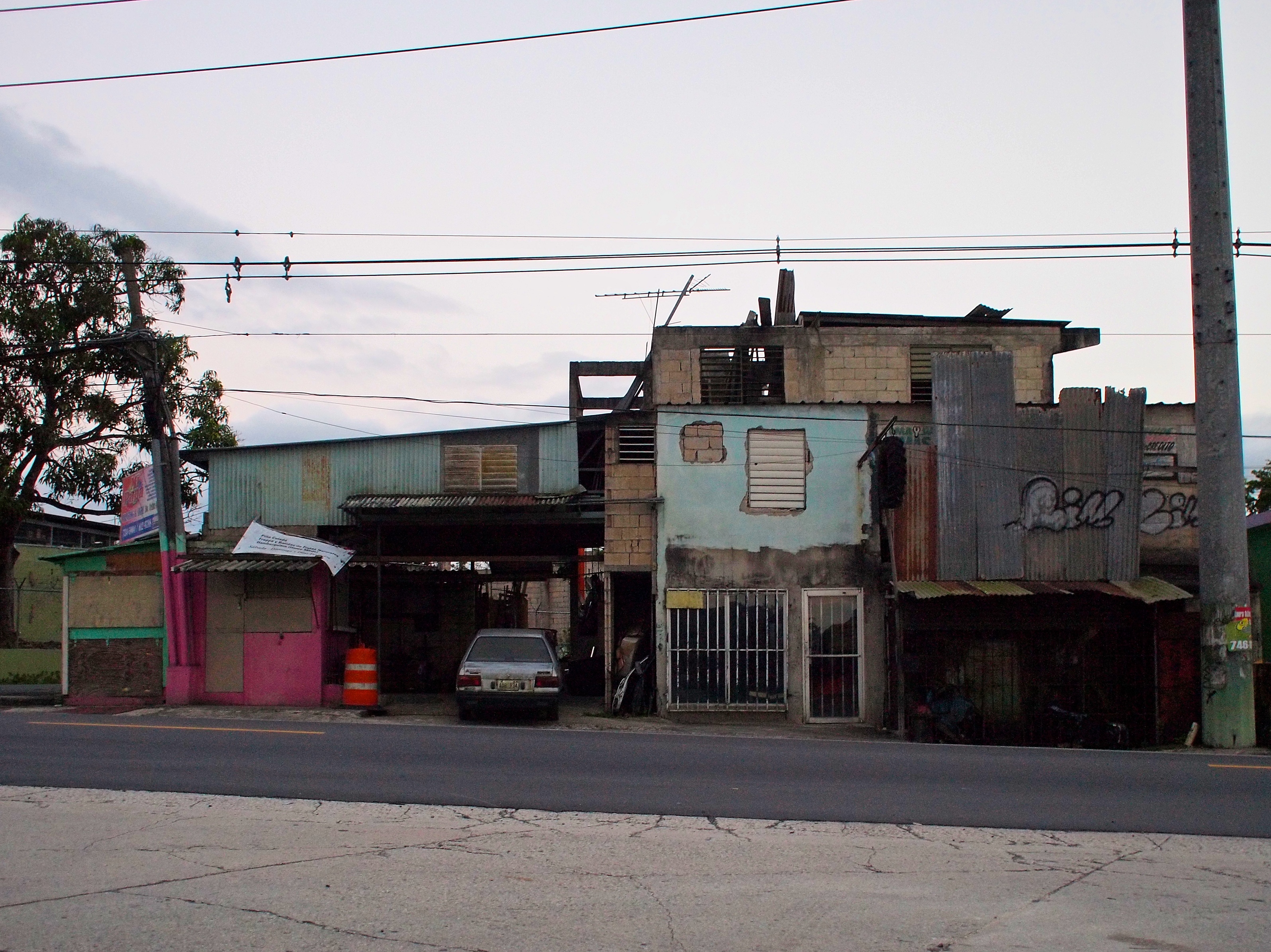
Gross Domestic Product (GDP) and Per Capita Income
Puerto Rico’s Gross Domestic Product (GDP) paints a picture of an economy that, while significant in the Caribbean region, lags behind that of mainland United States states. In 2022, its nominal GDP was approximately $112 billion. However, when considering GDP per capita, the figure drops considerably. For instance, in 2022, Puerto Rico’s GDP per capita was around $33,000. While this figure might appear substantial in some global contexts, it is less than half of the United States national average. This disparity highlights a persistent gap in economic productivity and wealth generation compared to its governing nation.
Poverty Rates and Income Inequality
A stark indicator of economic hardship is the prevalence of poverty. Puerto Rico consistently reports poverty rates significantly higher than those in the continental United States. According to the U.S. Census Bureau, in 2022, over 40% of Puerto Rico’s population lived below the poverty line. This figure is more than double the poverty rate in the continental United States. This high poverty rate is often accompanied by significant income inequality, where a substantial portion of the population struggles with basic necessities while a smaller segment accumulates greater wealth. This disparity is exacerbated by factors such as limited job opportunities and wage stagnation.
Unemployment and Underemployment
Unemployment has been a persistent challenge for Puerto Rico. While official unemployment rates have fluctuated, often hovering in the single digits in recent years, these figures can be misleading. They typically do not account for individuals who have stopped looking for work or are working part-time jobs when they desire full-time employment, a phenomenon known as underemployment. The lack of diversified job sectors and the decline of manufacturing have contributed to a challenging employment market, forcing many to seek opportunities elsewhere, particularly on the mainland United States.
The Impact of Political Status
Puerto Rico’s status as an unincorporated territory of the United States is inextricably linked to its economic condition. This unique relationship shapes its access to federal funding, its trade policies, and its overall developmental trajectory.
Territorial Status and Federal Funding
As a territory, Puerto Rico receives federal funding, but often at lower levels than states for programs like Medicare and Medicaid. This disparity in funding limits the island’s capacity to invest in essential public services such as education, healthcare, and infrastructure. Furthermore, the territory’s eligibility for certain federal programs can be subject to specific congressional appropriations, creating uncertainty and instability in long-term planning and development. The island’s economy is also significantly influenced by U.S. federal tax laws and economic policies, which may not always be tailored to its specific needs.

Debt Crisis and Fiscal Oversight
In the years leading up to 2015, Puerto Rico experienced a severe debt crisis, accumulating over $70 billion in public debt. This crisis led to austerity measures, cuts in public services, and a significant economic recession. The oversight of the island’s finances was placed under the Fiscal Oversight and Management Board (FOMB), a body appointed by the United States Congress. While the FOMB’s aim was to restore fiscal stability, its policies have been criticized for exacerbating economic hardship and limiting local governance. The process of restructuring the island’s debt has been lengthy and complex, with ongoing implications for its economic recovery.
Trade and Economic Development Policies
Puerto Rico’s trade is predominantly with the United States, with most goods and services flowing between the island and the mainland. While this close economic relationship offers certain advantages, it also means that Puerto Rico is subject to U.S. trade regulations and economic cycles. The island’s historical reliance on Section 936 of the U.S. Internal Revenue Code, which provided tax incentives for U.S. corporations to invest and operate in Puerto Rico, played a significant role in its economic development for decades. The repeal of this section in the late 1990s led to a decline in manufacturing and a subsequent economic downturn, underscoring the vulnerability of its economy to changes in U.S. policy.
Socioeconomic Realities Beyond Statistics
While economic indicators provide a baseline understanding, the human dimension of poverty and economic struggle in Puerto Rico is crucial. The island’s vibrant culture and resilience often mask the daily challenges faced by many of its residents.
Infrastructure and Public Services
The state of infrastructure and the quality of public services are direct reflections of a territory’s economic health. Puerto Rico has faced significant challenges in maintaining and upgrading its infrastructure, particularly in the wake of natural disasters such as Hurricane Maria in 2017. The island’s electrical grid, water systems, and transportation networks have all experienced periods of strain and underinvestment. Access to reliable utilities and modern infrastructure is fundamental to economic growth and the quality of life, and deficiencies in these areas create ongoing obstacles for both residents and businesses.
Brain Drain and Emigration
A significant socioeconomic consequence of economic hardship and limited opportunities is the phenomenon of “brain drain,” where educated and skilled individuals emigrate from Puerto Rico to seek better prospects, primarily in the continental United States. This emigration depletes the island of its human capital, impacting its ability to innovate, develop its economy, and provide essential services. The continuous outflow of young professionals and skilled workers creates a demographic challenge and hinders long-term sustainable development.
The Role of Tourism and Local Economy
Despite its economic challenges, Puerto Rico possesses a robust tourism sector that plays a vital role in its economy. The island’s attractions, from the historic streets of Old San Juan to the bioluminescent bays and pristine beaches, draw millions of visitors annually. Tourism generates revenue, creates jobs, and supports local businesses, from small restaurants in Condado to boutique hotels in Vieques. However, the economic benefits of tourism are not always evenly distributed, and concerns have been raised about the impact of large-scale resorts and the potential for economic leakage, where a significant portion of tourist spending benefits external corporations rather than the local economy. Nevertheless, tourism remains a critical engine for economic activity, offering a glimpse into the island’s resilience and its ability to leverage its natural and cultural assets.

Conclusion: A Question of Status, Not Just Wealth
To label Puerto Rico a “poor country” is an oversimplification that fails to capture the nuances of its situation. While statistically, it exhibits many characteristics associated with developing economies, its political status as a U.S. territory fundamentally distinguishes it from independent nations. The island is not a sovereign entity with its own currency, foreign policy, or independent trade agreements. Instead, its economic destiny is deeply intertwined with that of the United States, subject to its laws, policies, and economic fortunes.
The persistent economic disparities, high poverty rates, and infrastructural challenges are undeniable. However, Puerto Rico also possesses a resilient population, a rich cultural tapestry, and significant economic potential, particularly in sectors like tourism, renewable energy, and biotechnology. The ongoing debate surrounding its political status—whether statehood, independence, or enhanced commonwealth—continues to shape discussions about its economic future. Ultimately, addressing Puerto Rico’s economic well-being requires a comprehensive approach that acknowledges its unique territorial status, empowers its residents, and fosters sustainable development opportunities, rather than relying solely on comparisons to independent nations.
LifeOutOfTheBox is a participant in the Amazon Services LLC Associates Program, an affiliate advertising program designed to provide a means for sites to earn advertising fees by advertising and linking to Amazon.com. Amazon, the Amazon logo, AmazonSupply, and the AmazonSupply logo are trademarks of Amazon.com, Inc. or its affiliates. As an Amazon Associate we earn affiliate commissions from qualifying purchases.