
The question of Puerto Rico’s political status – specifically, whether it is a state in the United States – is a complex one, with a history steeped in debate and evolving legal interpretations. While Puerto Rico is undeniably associated with the United States, its exact relationship is nuanced and often misunderstood. This article aims to clarify the current status of Puerto Rico and explore what this means for travelers, residents, and those interested in its unique culture and identity.
Understanding Puerto Rico’s Unique Status
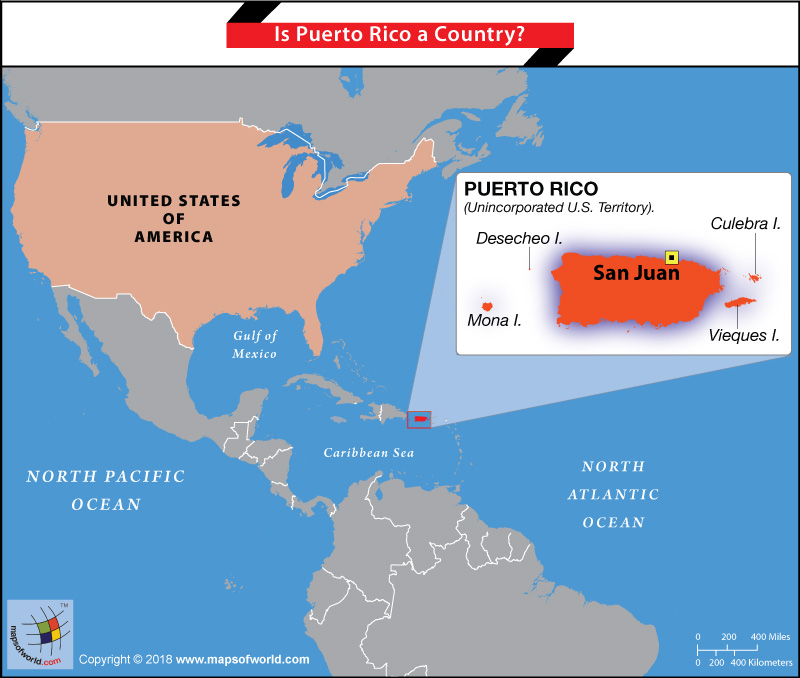
Puerto Rico holds the designation of a United States territory. This means it is an unincorporated territory, acquired by the United States from Spain following the Spanish-American War in 1898. Unlike states, territories have a relationship with the federal government that is not fully defined by the Constitution. This distinction has significant implications for governance, citizenship, and political representation.

Commonwealth Status: A Hybrid Relationship
Puerto Rico is often referred to as a Commonwealth. This term, however, is more of a description of its internal self-governance structure than a definitive legal classification of its ultimate political status. The United States Congress has the ultimate authority over territories. While Puerto Rico has its own elected governor and a locally elected legislature, federal laws apply, and certain aspects of governance are overseen by the U.S. federal government.
Key Differences from U.S. States
The most significant differences between Puerto Rico and a U.S. state revolve around political rights and fiscal matters.
Political Representation and Voting Rights
Residents of Puerto Rico are U.S. citizens and can serve in the U.S. military. However, they do not have voting representation in the U.S. Congress. While they have a Resident Commissioner who can speak and vote in committees, they cannot vote on the floor of the House of Representatives or in presidential elections. This lack of full political participation is a central point of contention in ongoing debates about statehood.
Taxation and Federal Funding
One of the most impactful distinctions is in the area of federal taxation. Residents of Puerto Rico generally do not pay federal income tax on income earned within the island. However, they do pay other federal taxes, such as Social Security and Medicare taxes. Conversely, Puerto Rico receives less federal funding for programs like Medicare and Medicaid compared to U.S. states. This disparity in funding and taxation contributes to economic challenges and fuels the desire for a more equitable status.
Travel and Entry
For travelers, understanding Puerto Rico’s status is straightforward. As a U.S. territory, there are no passport or visa requirements for U.S. citizens traveling from the mainland United States to San Juan, Ponce, or any other part of the island. U.S. currency is the official currency, and familiar American brands and services are widely available. This ease of travel makes Puerto Rico an attractive destination for many Americans seeking a tropical getaway without the complexities of international travel.
Exploring Puerto Rico: A Destination of Rich Culture and Natural Beauty
Despite its complex political status, Puerto Rico is a vibrant and captivating destination, offering a wealth of experiences for every type of traveler. From its historical landmarks to its stunning natural landscapes and lively cultural scene, the island is a tapestry of attractions waiting to be discovered.
Historical Treasures and Architectural Gems
Old San Juan is a UNESCO World Heritage site and a must-visit destination for anyone interested in history and architecture. This charming colonial district is a maze of cobblestone streets, colorful buildings, and imposing fortifications that whisper tales of centuries past.
Castillo San Felipe del Morro
Dominating the entrance to San Juan Bay, Castillo San Felipe del Morro (El Morro) is a magnificent 16th-century fortress. Its imposing ramparts, bastions, and cannons stand as a testament to Spain’s strategic importance in the Caribbean. Exploring its tunnels and battlements offers a tangible connection to the island’s colonial history.
Castillo de San Cristóbal
Another significant fortification, Castillo de San Cristóbal, is the largest fortress built by the Spanish in the New World. It offers panoramic views of Old San Juan and the Atlantic Ocean, and its intricate network of tunnels and outposts provides fascinating insights into military architecture and strategy.
La Fortaleza
The official residence of the Governor of Puerto Rico, La Fortaleza, is also a historic gem. This executive mansion, dating back to the 16th century, is a beautiful example of Renaissance architecture and has served as a residence and a fortress throughout its long history.
Natural Wonders and Outdoor Adventures
Puerto Rico’s natural beauty extends far beyond its historic cities. The island boasts diverse ecosystems, from lush rainforests to pristine beaches and underground caves.
El Yunque National Forest
As the only tropical rainforest in the U.S. National Forest System, El Yunque National Forest is a biodiversity hotspot. Hiking trails wind through verdant landscapes, leading to cascading waterfalls like La Coca Falls and Juan Diego Falls. Visitors can marvel at the unique flora and fauna, including the endangered Puerto Rican parrot. The forest offers a refreshing escape and opportunities for eco-tourism.
Bioluminescent Bays
Puerto Rico is home to some of the brightest bioluminescent bays in the world. Mosquito Bay in Vieques, Laguna Grande in Fajardo, and La Parguera in Lajas offer a magical experience. As night falls, the microscopic organisms in the water illuminate with every movement, creating an ethereal glow that is truly unforgettable. Kayaking or taking a boat tour through these glowing waters is a signature Puerto Rican experience.
Beaches and Coastal Activities
With over 300 miles of coastline, Puerto Rico offers a beach for every preference. From the vibrant shores of Condado in San Juan, known for its upscale hotels and lively atmosphere, to the laid-back vibes of Luquillo Beach, famous for its palm-lined shores and kiosks offering local delicacies, the beaches are a major draw. For surfers, the north coast, particularly around Rincón, is a renowned destination. Snorkeling and diving enthusiasts can explore the rich marine life off the coasts of Culebra and Vieques.
Accommodation and Lifestyle: Embracing the Island Life
Puerto Rico offers a wide range of accommodation options, catering to every budget and travel style, from luxurious resorts to cozy guesthouses and private villas. The island’s lifestyle blends a relaxed Caribbean pace with a vibrant cultural energy, making it an appealing destination for both short stays and longer immersions.
Diverse Accommodation Options
Whether you’re seeking a lavish escape or a budget-friendly stay, Puerto Rico has you covered.
Luxury Resorts and Hotels
For those looking to indulge, San Juan boasts world-class hotels like the Caribe Hilton and the Condado Vanderbilt Hotel, offering stunning ocean views, exquisite dining, and top-notch amenities. Further afield, the resort town of Dorado is home to the exclusive Dorado Beach, a Ritz-Carlton Reserve, providing unparalleled luxury and service.
Boutique Hotels and Guesthouses
Beyond the grand resorts, Puerto Rico’s charming towns are dotted with boutique hotels and intimate guesthouses that offer a more personalized experience. These accommodations often reflect the local architecture and provide a gateway to authentic island living.
Vacation Rentals and Villas
For families or groups, renting a villa or an apartment can be an excellent option, providing more space and the convenience of a home away from home. Areas like Luquillo and Isla Verde offer a variety of rental properties, many just a short walk from the beach.
Experiencing Puerto Rican Culture and Cuisine
The island’s vibrant culture is a fusion of Taíno, Spanish, African, and American influences, evident in its music, dance, art, and, of course, its food.
Culinary Delights
Puerto Rican cuisine is a flavorful journey. Staples like mofongo (mashed plantains with garlic and pork cracklings), lechón (roasted suckling pig), and arroz con gandules (rice with pigeon peas) are essential culinary experiences. The island’s street food scene is particularly vibrant, with kiosks like those in Luquillo offering everything from empanadillas to pinchos. Don’t forget to try the local rum and coffee, which are world-renowned.
Local Music and Dance
Music is the heartbeat of Puerto Rico. The infectious rhythms of salsa, reggaeton, and bomba y plena are heard everywhere, from beach bars to bustling plazas. Experiencing a live music performance or joining a dance class is a fantastic way to immerse yourself in the island’s lively spirit.
Festivals and Local Events
Throughout the year, Puerto Rico hosts numerous festivals and events celebrating its rich heritage. From religious holidays to harvest festivals and cultural celebrations, these events offer a glimpse into the soul of the island and provide opportunities to interact with the friendly local population.
The Ongoing Debate: Statehood, Independence, or Enhanced Commonwealth?
The question of Puerto Rico’s political status remains a central and ongoing discussion among its residents and in the broader United States. Various options have been proposed and debated over the years, each with its own set of potential benefits and drawbacks.
The Case for Statehood
Supporters of statehood argue that it would provide Puerto Rico with full political equality, including voting representation in Congress and the right to vote in presidential elections. They believe statehood would boost the island’s economy by providing equal access to federal funding and programs, such as those related to infrastructure, education, and healthcare. Proponents also point to the fact that Puerto Ricans are U.S. citizens and serve in the U.S. military, making statehood a logical next step for full integration.
Arguments for Independence
Conversely, those who advocate for independence envision a sovereign Puerto Rico, free from U.S. federal oversight. They believe that independence would allow the island to forge its own economic and cultural path, free from the constraints of U.S. policies. Supporters of independence often emphasize the island’s distinct cultural identity and the desire for self-determination. However, concerns about the economic viability of an independent Puerto Rico and the potential loss of U.S. citizenship rights are significant considerations.
Enhanced Commonwealth Status
Another option on the table is an enhanced commonwealth status. This would involve maintaining the current relationship but with greater autonomy for Puerto Rico and potentially more equitable treatment in terms of federal funding and representation. The specifics of what “enhanced commonwealth” would entail are subject to various interpretations and negotiations.
Referendums and Future Directions
Puerto Rico has held several referendums on its political status, with varying results and levels of participation. The results have often been divided, reflecting the complexity and deep-seated nature of the debate. Ultimately, any change in status would require an act of the U.S. Congress, making it a matter of ongoing political negotiation and public opinion on both the island and the mainland.
In conclusion, while Puerto Rico is not a state in the United States, its unique status as a U.S. territory offers a distinct and compelling experience for travelers. The island’s rich history, breathtaking natural beauty, vibrant culture, and diverse accommodations make it an unforgettable destination. The ongoing debate about its political future only adds another layer to its complex and fascinating identity. Whether visiting for leisure or driven by an interest in its political evolution, Puerto Rico offers a captivating journey into the heart of the Caribbean.