
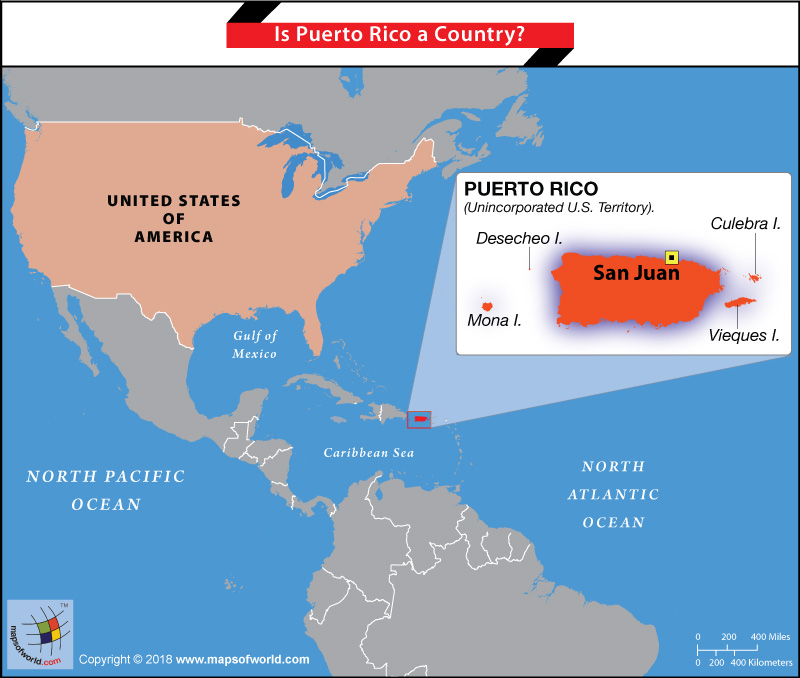
The question “Is Puerto Rico a state?” is one of the most frequently asked about this vibrant Caribbean island. While it shares many characteristics with the United States, the answer is definitively no. Puerto Rico is a US territory, an unincorporated commonwealth, which means it exists in a unique legal and political limbo that sets it apart from the 50 states. For travelers, this distinction carries significant implications, largely beneficial, making the “Island of Enchantment” an incredibly accessible and appealing destination for US citizens and international visitors alike.
This article delves into the fascinating political status of Puerto Rico, exploring its historical journey, what its territorial status means for both its residents and for those planning a visit, and why this status doesn’t detract one bit from its allure as a premier travel destination. From its breathtaking natural wonders and historic landmarks to its rich culture and diverse accommodations, Puerto Rico offers an unforgettable experience that blends American convenience with a distinct Latin American flair.
Unraveling Puerto Rico’s Political Status: A Territory, Not a State
To truly appreciate Puerto Rico as a destination, it’s essential to grasp its political foundation. As an unincorporated US territory, Puerto Rico is subject to US federal law, but it is not considered an integral part of the United States in the same way a state is. This unique arrangement is rooted deep in history and continues to shape daily life on the island.
A Glimpse into History: The Path to US Territory
Puerto Rico’s relationship with the United States began in 1898, at the conclusion of the Spanish-American War. Prior to this, the island had been a colony of Spain for over 400 years, ever since Christopher Columbus landed there in 1493. Under the Treaty of Paris, which formally ended the war, Spain ceded Puerto Rico, Cuba, and Guam to the United States.
Initially governed by the US military, Puerto Rico transitioned to civilian rule with the enactment of the Foraker Act in 1900. This act established a civilian government and classified Puerto Rico as an unincorporated territory. A pivotal moment occurred in 1917 with the passage of the Jones-Shafroth Act, which granted US citizenship to Puerto Ricans. This meant that individuals born in Puerto Rico became US citizens, enjoying many of the same rights and privileges as those born in the continental US, though with some notable exceptions.
In 1952, Puerto Rico adopted its own constitution, establishing a commonwealth government with significant local autonomy. This gave Puerto Ricans the ability to elect their own governor and legislative assembly, managing internal affairs much like a state would. However, critical decisions regarding defense, foreign policy, and interstate commerce remain under the purview of the US federal government.
The Modern Relationship: Rights, Representation, and Referendums
Today, the relationship between Puerto Rico and the United States is complex. While Puerto Ricans are US citizens, they cannot vote in presidential elections while residing on the island and have only non-voting representation in Congress. They pay federal taxes like Social Security and Medicare, but generally do not pay federal income tax on income earned in Puerto Rico. This unique tax status has, in some cases, attracted certain lifestyle groups and businesses to the island.
The question of Puerto Rico’s ultimate political status – statehood, independence, or an enhanced commonwealth status – has been a subject of ongoing debate and several non-binding referendums. While a majority in recent plebiscites have favored statehood, the decision ultimately rests with the US Congress. This ongoing dialogue highlights the profound impact of its status on the island’s economic development, social programs, and overall sense of identity. For visitors, understanding this backdrop adds a layer of depth to their experience, revealing the resilience and proud spirit of the Puerto Rican people.

What Puerto Rico’s Status Means for Your Travel Experience
For most travelers, particularly US citizens, Puerto Rico’s status as a territory translates into an incredibly convenient and familiar travel experience, blending the ease of domestic travel with the excitement of an international escape. This unique blend is a significant draw for the island’s tourism sector.
Seamless Travel for US Citizens: No Passport, Same Currency
Perhaps the most significant advantage for US citizens traveling to Puerto Rico is the passport-free entry. Since it’s a US territory, domestic travel rules apply. This means you won’t need a passport for entry or exit, only a valid government-issued ID like a driver’s license. This simplifies travel planning and removes a common barrier for many potential vacationers, making it an ideal choice for spontaneous trips or for families with young children who might not yet have passports.
Upon arrival, visitors will find that the official currency is the US Dollar, eliminating the need for currency exchange and conversion headaches. This consistency extends to other conveniences as well. The US Postal Service (USPS) operates on the island, meaning you can mail postcards or packages at domestic rates. Major US cellular providers offer service without roaming charges, ensuring seamless communication. US federal agencies like the Federal Aviation Administration (FAA), Federal Bureau of Investigation (FBI), and Centers for Disease Control and Prevention (CDC) also operate within Puerto Rico, providing a familiar framework of safety and regulation.
For international visitors, while a passport is still required, the process of entering Puerto Rico is identical to entering any other part of the United States. This means immigration and customs procedures are handled efficiently, much like at any major US airport.
Navigating Local Laws and Customs
While many federal laws apply, Puerto Rico also has its own distinct legal system and local ordinances, which reflect its unique culture and heritage. The primary languages are Spanish and English, with Spanish being more prevalent, especially outside of major tourist areas like Old San Juan or the popular resort zones of Condado and Isla Verde. Most business signs and official documents are in Spanish, but English is widely understood in the tourism industry.
Driving laws largely mirror those in the US, but road signs are in Spanish and distances are measured in kilometers, while speed limits are in miles per hour. This can be a minor adjustment for first-time visitors, but rental car companies are abundant and navigating the island by car is generally straightforward.
Culturally, Puerto Rico is a vibrant blend of Taíno, Spanish, and African influences, deeply shaped by its Caribbean identity. This fusion is evident in its music, art, cuisine, and daily life. Visitors are encouraged to embrace the local customs, practice a few Spanish phrases, and immerse themselves in the warm hospitality known as la cultura de la acogida – the culture of welcome. Understanding these nuances enriches the traveler’s experience and fosters genuine connections with the local community.
Discovering the Enchantment: Puerto Rico as a Premier Travel Destination
Regardless of its political standing, Puerto Rico shines as a world-class travel destination. Its status merely enhances accessibility; its true appeal lies in its stunning natural beauty, rich historical tapestry, vibrant culture, and diverse offerings for every type of traveler. This makes it a perfect fit for a website focusing on travel, tourism, accommodation, and lifestyle experiences.
Diverse Landscapes and Natural Wonders
Puerto Rico packs an incredible variety of ecosystems into its relatively small footprint. From lush rainforests to pristine beaches and mysterious caves, the island is an outdoor enthusiast’s paradise.
The crown jewel of its natural attractions is El Yunque National Forest, the only tropical rainforest in the US National Forest System. Here, visitors can hike through verdant trails, discover hidden waterfalls like La Mina Falls and Juan Diego Falls, and marvel at the incredible biodiversity, including the tiny coquí frog whose nightly serenade is iconic. El Yunque offers guided tours and self-guided experiences, catering to different levels of adventure.
Beyond the rainforest, Puerto Rico boasts three of the world’s five bioluminescent bays: Mosquito Bay on Vieques Island, Laguna Grande in Fajardo, and La Parguera in the southwest. A night kayak tour through one of these bays, witnessing the water glow with every paddle stroke, is an utterly magical and unforgettable experience.

The island’s coastline is dotted with spectacular beaches, each with its own character. Flamenco Beach on the island of Culebra consistently ranks among the world’s best, renowned for its powdery white sand and turquoise waters. For surfers, Rincón on the west coast offers some of the best waves in the Caribbean, while the calm, clear waters of Luquillo Beach are perfect for families. Adventure seekers can explore the underground wonders of the Río Camuy Cave Park, one of the largest cave systems in the world, or go zip-lining through the canopy at Toro Verde Adventure Park.
A Rich Tapestry of Culture and History
Puerto Rico’s history is palpable, particularly in its capital city, San Juan. Old San Juan, a UNESCO World Heritage site, is a vibrant labyrinth of cobblestone streets, colorful colonial buildings, and grand fortresses. Walking through its narrow lanes feels like stepping back in time.
The imposing fortresses of Castillo San Felipe del Morro and Castillo de San Cristóbal, built by the Spanish to protect the city from invaders from the Atlantic Ocean and Caribbean Sea, offer fascinating insights into military history and provide spectacular ocean views. Beyond San Juan, cities like Ponce, known as the “Pearl of the South,” boast stunning neoclassical architecture and a vibrant art scene, including the renowned Ponce Art Museum.
The island’s culture is a dynamic fusion expressed through its music, dance, art, and festivals. Salsa and bomba y plena rhythms fill the air in local establishments and during lively street festivals. Puerto Rican cuisine is a highlight, a delicious blend of Spanish, African, and Taíno flavors. Must-try dishes include mofongo (fried plantains mashed with garlic and pork cracklings), lechón (roasted suckling pig), and pasteles (a traditional holiday dish similar to tamales). Food tours in Old San Juan or visits to local eateries in La Placita de Santurce offer authentic gastronomic experiences.
Accommodation and Lifestyle: From Luxury Resorts to Boutique Stays
Puerto Rico’s accommodation landscape is as diverse as its scenery, catering to every budget and lifestyle. From sprawling luxury resorts to charming boutique hotels, rustic guesthouses, and modern vacation rentals like apartments and villas, the options are plentiful.
For those seeking an upscale lifestyle experience, areas like Dorado offer five-star resorts with world-class amenities, golf courses, and private beaches. Condado and Isla Verde in San Juan are home to numerous beachfront hotels and suites, providing easy access to city attractions and vibrant nightlife. These areas are perfect for business stays or those desiring a luxury travel experience with all the comforts.
For a more authentic or budget travel option, travelers can explore the charming boutique hotels in Old San Juan, which often feature historic architecture and personalized service. Guesthouses and smaller inns can be found in towns like Rincón or along the scenic coastal routes, offering a more intimate connection with the local environment. Platforms for booking accommodations are widely available, allowing for easy comparison and access to reviews. Whether planning a family trip, a romantic getaway, or a long-term stay, Puerto Rico has a place to call home.
Planning Your Puerto Rico Adventure: Essential Tips and Considerations
Making the most of your Puerto Rico trip involves a little thoughtful planning. Knowing when to go, how to get around, and what experiences to prioritize will significantly enhance your adventure.
Best Time to Visit and Getting Around
The prime travel season for Puerto Rico runs from December to May, coinciding with cooler, drier weather and generally lower humidity. This period is ideal for enjoying outdoor activities and beach days. However, it’s also the busiest and most expensive time. The summer months (June to November) are warmer and more humid, falling within hurricane season, but they offer fewer crowds and potentially better deals on flights and accommodations. Many visitors find that late spring or early fall offer a good balance of pleasant weather and manageable crowds.
Getting around Puerto Rico is relatively easy. For exploring beyond San Juan, renting a car is highly recommended. This provides the flexibility to visit remote beaches, explore small towns, and embark on scenic drives. Major rental car companies operate at Luis Muñoz Marín International Airport (SJU) in San Juan and other major cities like Ponce. Within San Juan, ride-sharing services like Uber and local taxis are readily available, along with a limited public bus system. To reach the smaller islands of Vieques and Culebra, visitors can take a ferry from Ceiba or book a short domestic flight.
Indulging in Local Cuisine and Experiences
A trip to Puerto Rico is incomplete without savoring its incredible cuisine. Beyond mofongo and lechón, explore dishes like arroz con gandules (rice with pigeon peas), alcapurrias (fried fritters), and fresh seafood from the Caribbean Sea. Don’t miss the opportunity to visit a local panadería (bakery) for breakfast pastries or stop at a chinchorro (roadside food stand), especially along the scenic route in Piñones, for authentic snacks.
Consider taking a cooking class to learn the secrets of Puerto Rican cooking, or embark on a rum distillery tour at places like the Bacardí Rum Distillery in Cataño or Hacienda Santa Ana for Don Q rum in Ponce. These experiences offer a deeper dive into the island’s culture and heritage, providing unique insights beyond typical sightseeing. Engaging with local artisans, attending a live salsa show, or simply enjoying a café con leche at a sidewalk café in Old San Juan all contribute to a richer, more immersive travel experience.
Responsible Tourism and Community Engagement
As with any travel destination, practicing responsible tourism in Puerto Rico is crucial. This means respecting the environment, supporting local businesses, and engaging positively with the community. Following eco-tourism guidelines in places like El Yunque and the bioluminescent bays helps preserve these precious natural wonders for future generations. Choosing locally-owned hotels, eating at family-run restaurants, and purchasing souvenirs from local artisans directly benefits the island’s economy.
The island has shown remarkable resilience in the face of challenges, including Hurricane Maria in 2017. Tourism plays a vital role in Puerto Rico’s recovery and growth, and visitors have the opportunity to contribute positively to this ongoing effort. Engaging with local guides, learning about the island’s post-hurricane revival, and participating in voluntourism activities can provide a truly meaningful dimension to your trip.
The Future of Puerto Rico: An Ongoing Dialogue
The question of “Puerto Rico as a state” remains an active and passionate debate among its residents and in US political circles. While the island’s status may evolve in the future, its identity as a captivating Caribbean jewel will undoubtedly endure. For travelers, this ongoing dialogue adds to the island’s unique character, offering a glimpse into a vibrant community actively shaping its destiny.
Whether it’s the seamless travel for US citizens, the convenience of the US Dollar, or the comforting presence of familiar services, Puerto Rico’s territorial status fundamentally enhances its appeal as a travel destination. It allows visitors to enjoy an “international” experience without many of the typical complexities.
Ultimately, Puerto Rico offers far more than just a debate about statehood. It presents a world of diverse landscapes, rich history, a pulsating culture, and warm, welcoming people. From the historic fortifications of Old San Juan to the bioluminescent glow of its bays and the misty trails of El Yunque, this island invites exploration, relaxation, and immersion. So, while it may not be a state, Puerto Rico is certainly a state of mind – one that promises unforgettable adventures and cherished memories for every traveler.
LifeOutOfTheBox is a participant in the Amazon Services LLC Associates Program, an affiliate advertising program designed to provide a means for sites to earn advertising fees by advertising and linking to Amazon.com. Amazon, the Amazon logo, AmazonSupply, and the AmazonSupply logo are trademarks of Amazon.com, Inc. or its affiliates. As an Amazon Associate we earn affiliate commissions from qualifying purchases.